
Kiddipedia
There is soooo much mixed info out there on this one. Ask ten people in your social circle- they’ll all have different ideas and rules about ‘how to’. The reality of the situation, however, is that it is super simple and super flexible. There is no right or wrong way to do it and only a few concrete rules that need to be followed.
I’ve done a super simplified summary of the National Health and Medical Research Councils “Infant Feeding Guidelines” – you can find the full guideline here: https://www.nhmrc.gov.au/guidelines-publications/n56
💡 Why the “Around 6 Months” Timing Matters
From a science perspective, this timing isn’t random. Around 6 months:
- Babies’ digestive systems are more developed
- Their iron stores (especially in breastfed babies) begin to drop
- Oral motor skills (chewing, swallowing) start to mature
This aligns with guidance from the National Health and Medical Research Council and Raising Children Network.
When to Start
When: Around 6 months – when bubs shows you signs they’re ready. Never before 4 months. Don’t delay the introduction if they are showing you the signs they are ready.
Why this matters:
Introducing solids too early can increase choking risk and strain an immature gut, while delaying too long may impact iron levels and feeding development (NHMRC; Australian Government Department of Health).
Signs of Readiness
Signs of readiness: Able to hold their head up. Showing interest in watching you eat. Elimination of the protrusion reflex of their tongue (you’ll just have to try and test this one)
What’s happening developmentally:
These signs reflect neurological and muscular readiness for safe swallowing and coordinated eating.
What to Start With
What to start with? Basically whatever! The foods that babes can’t have in the first year are raw meat and eggs and honey – other than that – start with whatever you feel like dishing up. A super simple way to get started is with some pureed fruit and veggies, then gradually add in a bit of grain such as rice cereal or Wheatbix to the fruits and veggies, then start blending a bit of protein through the veggies such as meat and legumes.
💡 Dietitian Insight:
Iron-rich foods (like meat, legumes, and iron-fortified cereals) are especially important early on, particularly for breastfed babies (NHMRC).
How Much
How much? Milk is the main source of nutrition until at least 8 months. Offer milk first and don’t drop any milk feeds until after 8 months. Food is extra. You can let them decide the amount. Don’t force feed them.
Why this matters:
Breastmilk or formula provides the majority of calories and immune support in the first year. Responsive feeding (letting baby decide intake) supports healthy appetite regulation.
How Often
How often? Doesn’t really matter. You could offer once a day to begin with and build it up as baby starts to enjoy it. Up to about 3 times a day by 8 months and then a couple of snacks added in by 12 months. Breastfeeding and bottles can be completely weaned after 12 months (if you want).
Real-life note:
Some days they’ll eat heaps, other days barely anything—this is completely normal.
Texture Progression
Texture? Pureed, then mashed, then pieces. Some babies will be totally fine to go straight to mashed whilst others will gag heaps and hate texture. Eliza didn’t tolerate textured food until she mastered finger food and figured out that lumps and bumps were ok.
⚠️ Gagging vs Choking (Important)
- Gagging: loud, red face, tongue thrusting → normal learning reflex
- Choking: silent, unable to breathe → emergency
Guidance from Royal Children’s Hospital Melbourne emphasises that gagging is a protective reflex and part of learning.
Water
Water? Once they start eating regularly, they’ll need a bit of water to sip on with their meals. No certain volume. Cooled boiled water for the first year then tap water.
Why:
Small sips support hydration and help with digestion as solids increase.
Allergens: What the Latest Evidence Says
Eggs, nuts, seafood etc? Yup, yup, yup. Don’t delay the introduction. The earlier the better in terms of reducing the risk of allergies. Only do one high allergenic food at a time so you know which one is the culprit if you get a reaction. The food needs to be ingested, not just touch the skin and baby needs regular exposure to maintain tolerance. Babies are even more protected from developing allergies if they are introduced to high allergen foods whilst they are still breastfeeding.
💡 Evidence-Based Insight
Current Australian guidelines (Australasian Society of Clinical Immunology and Allergy) recommend:
- Introduce common allergens before 12 months
- Include: egg, peanut, dairy, wheat, soy, sesame, fish
- Start with small amounts and increase gradually
- Continue offering regularly to maintain tolerance
Baby Led Weaning vs Spoon Feeding
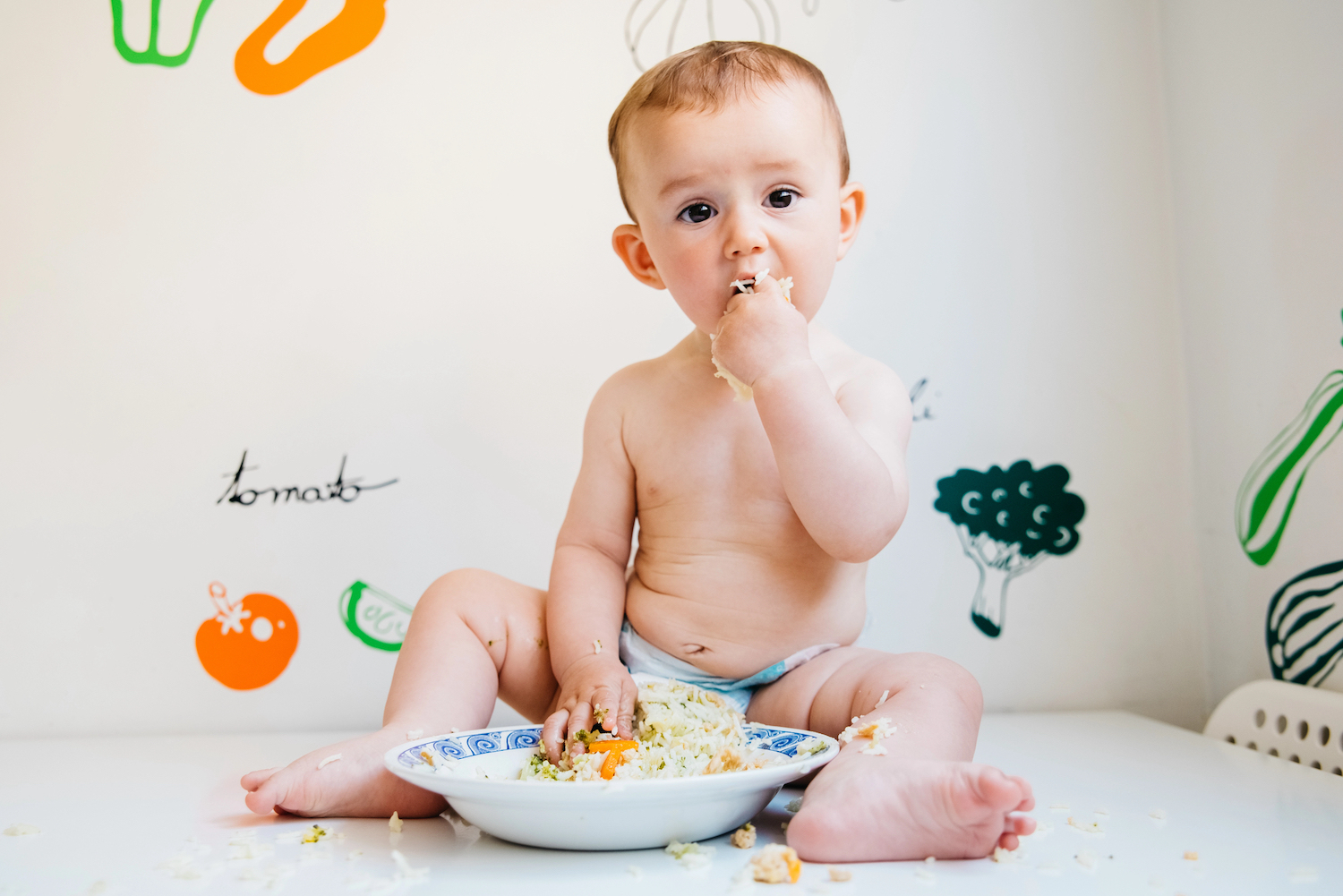
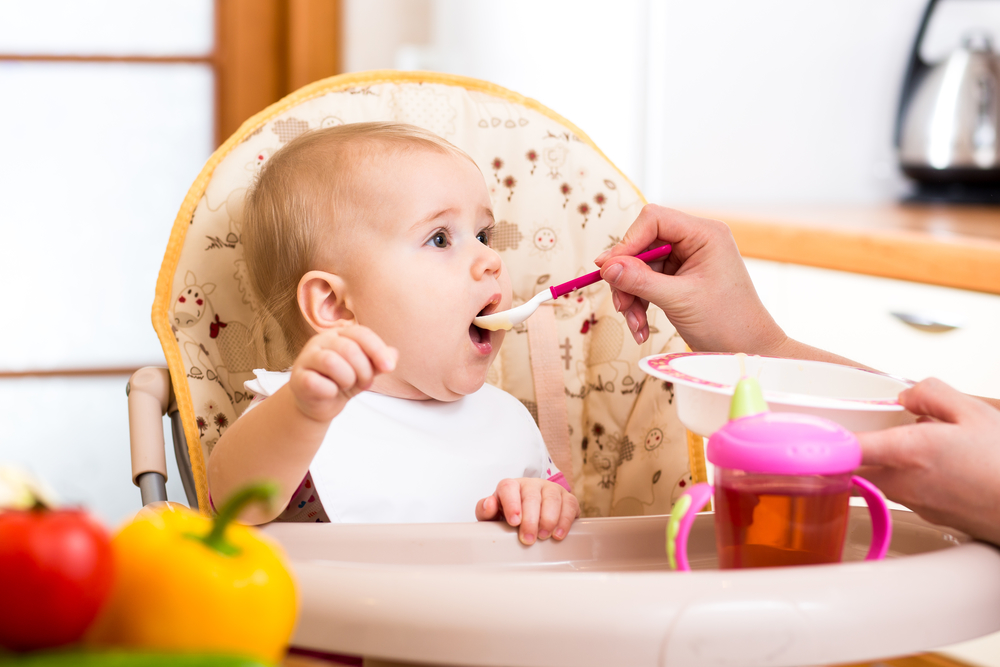
Should I do baby led weaning? If you want to! I think this one just depends on the individual baby and their fine motor skills. I’ve had two babies who are ready to eat but didn’t have the fine motor skill to pick up a piece of food and get it in their mouth, chew and swallow. If your baby can’t pick up food – spoon feed them until they can – then do a combination of both.
💡 Reality Check:
There’s no evidence that one method is superior—what matters is exposure to textures and nutrients.
Key Nutrition Rule
Any other rules? Exclusively breastfed babies will need iron rich foods as soon as they start solids, due to depleting iron stores around 6 months. Formula fed babies get plenty of extra iron from their milk.
Don’t add sugar or salt. Herbs and spices are totally fine!
🧠 What’s Happening in Their Body?
- Iron stores dropping → need dietary iron
- Brain development accelerating → requires fats + nutrients
- Oral skills developing → textures matter
- Immune system learning → allergen exposure helps
🗓️ Simple Feeding Progression Guide
Around 6 months:
- Purees + iron-rich foods
7–8 months:
- Mashed foods + soft finger foods
9–12 months:
- Family foods + variety of textures
(Based on NHMRC & Raising Children Network guidance)
✅ Quick Cheat Sheet
- Start solids: ~6 months (not before 4)
- Milk is main nutrition until ~8 months
- Focus on iron-rich foods early
- Introduce allergens early and regularly
- Progress textures gradually
- No added salt or sugar
- Follow baby’s lead
The Bottom Line
The bottom line? In the beginning – food is for exposure to different tastes and textures (as well as a bit of iron for breastfed babes). By 12 months – we want all babies eating a little bit from each of the food groups to get a well-balanced range of family foods for nutrition. How you get from one to the other, really doesn’t matter!
🤍 A Final Reassurance
Every baby is different. Some will dive headfirst into food, others take their time—and both are completely normal. If you ever feel unsure, your GP or local child health nurse can guide you.
Support is also available through Maternal and Child Health Services Victoria.
📚 References (Australian Sources)
- National Health and Medical Research Council
- Raising Children Network
- Royal Children’s Hospital Melbourne
- Australasian Society of Clinical Immunology and Allergy
- Australian Government Department of Health and Aged Care
I hope this article helps you to ‘Stress Less’ and enjoy your baby!
Check out the Introduction to Solids chapter of my book The Stress Less Baby Guide at www.stresslessbabyguide.com.au
You may also like to read: