
Kiddipedia
Sesame Workshop Launches New Initiative to Help Children and Families Prepare for and Recover from Extreme Weather, Beginning with Storm on Sesame Street Special
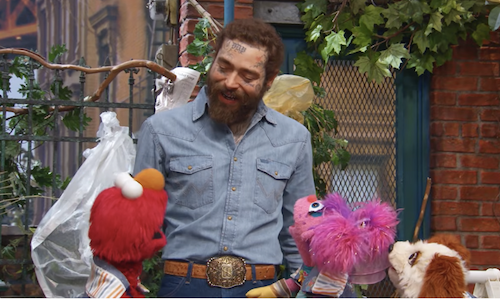
New Special Features Celebrities Post Malone and Michelle Buteau
Why Helping Children Understand Extreme Weather Matters
It can be heartbreaking to see your child frightened by a storm, bushfire or flood. While adults are often checking weather updates, preparing emergency supplies or making sure everyone is safe, children are trying to understand what is happening through their own eyes.
For many children, the biggest challenge is not just the event itself — it is the uncertainty that comes with it. Not knowing what will happen next can make storms, floods and other emergencies feel overwhelming.
Unfortunately, extreme weather is becoming part of life for more families than ever before.
Research published in the journal Science found that children born in 2020 are projected to experience significantly more extreme weather events across their lifetime than previous generations if current climate trends continue. This growing reality means helping children understand, prepare for and emotionally recover from these experiences has never been more important.
Research in disaster psychology also shows that children can be affected not only by the event itself, but by changes to their routines and by noticing stress or worry from the adults around them. Among parents who have experienced extreme weather, research commissioned by Sesame Workshop found that 78% were concerned about the impact these events had on their children.
Here in Australia, many families understand these challenges all too well. From the Black Summer bushfires to devastating floods across New South Wales, Queensland and Victoria, along with severe storms and prolonged heatwaves, many children have experienced how quickly life can change.
While we cannot always prevent extreme weather events, we can help children feel more prepared, supported and emotionally safe when they happen.
Sesame Street Helps Families Navigate Extreme Weather
Sesame Workshop, the nonprofit organisation behind Sesame Street, has launched a new Extreme Weather Response Initiative designed to help children and families prepare for, cope with and recover from extreme weather events including storms, floods, hurricanes and bushfires.
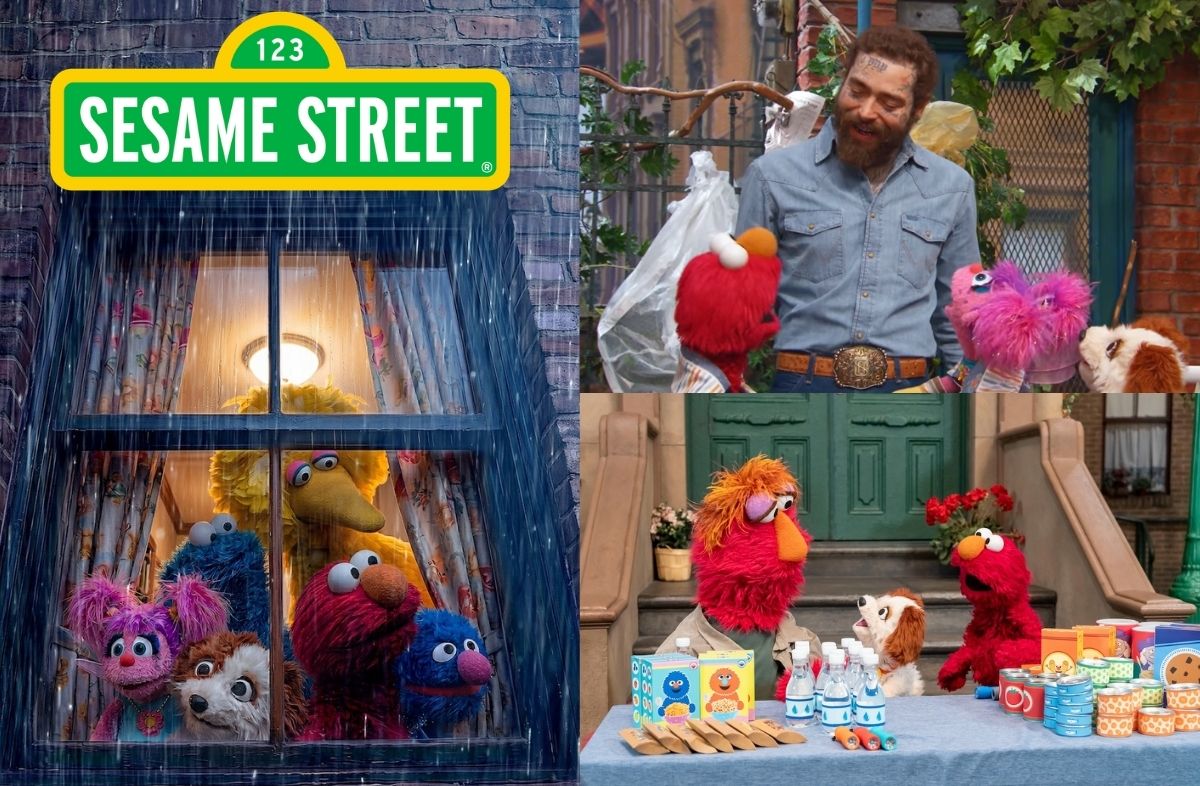
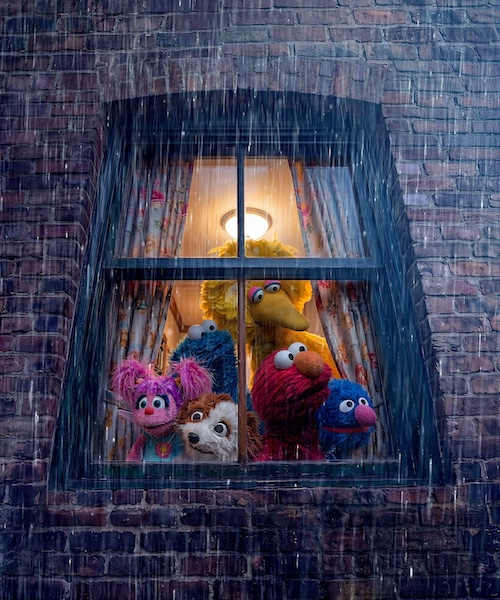
The initiative begins with a new special, Storm on Sesame Street, where Elmo and his friends learn how to prepare for a major storm, manage big emotions and support one another when things feel uncertain.
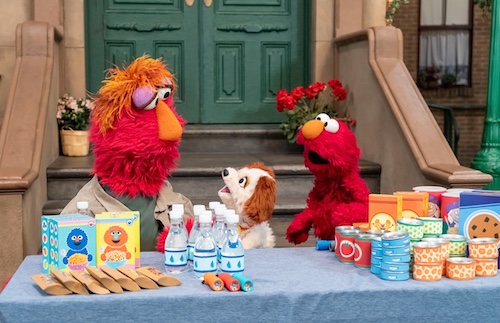
After the storm passes, Sesame Street looks different, and the community comes together to help rebuild. With support from neighbours and friends — including celebrity guests Post Malone and Michelle Buteau — Elmo and Abby discover that small acts of kindness and working together can make a big difference.
The special is a reminder of one of Sesame Street’s most powerful messages: even during difficult moments, children are not alone. Communities can come together, helpers are always nearby, and everyone has a role they can play.
The new special builds on Sesame Street’s long history of helping children understand challenging experiences in ways they can relate to. Through familiar characters, gentle storytelling and emotional learning, children can explore difficult topics while feeling safe and supported.
Helping Children Feel Safe During Extreme Weather
The good news is that children do not need all the frightening details to feel safe.
What they need most is something much simpler: calm conversations, reassurance and the confidence that the grown-ups around them are there to protect them.
Here are some gentle ways you can help your child before, during and after an extreme weather event.
1. Explain What’s Happening in Simple, Age-Appropriate Language
When children do not understand what is happening, their imaginations often fill in the gaps — and sometimes those imagined scenarios can feel even scarier than reality.
Rather than avoiding the conversation altogether, try using calm, reassuring language that matches your child’s age and understanding.
For younger children:
“The weather is very loud today, but we’re safe inside and the grown-ups are making sure everyone is okay.”
For older children:
“Sometimes storms and floods happen. The good news is there are lots of people whose job it is to keep everyone safe, and our family has a plan too.”
The goal is not to remove every worry. It is to help children understand that while difficult things can happen, they do not have to face them alone.
2. Help Them Notice the Helpers
One of the most loved messages throughout Sesame Street is that there are always helpers.
During emergencies, children can sometimes focus only on what feels frightening. Gently drawing their attention to the people helping can change how they view the situation.
Talk about the amazing people working hard to keep communities safe, including:
🚒 Firefighters
🚨 SES volunteers
🚑 Emergency services personnel
🍎 Teachers and educators
🏡 Neighbours
❤️ Family members
🤝 Community volunteers
Australian disaster resilience experts often highlight the importance of connection and community support during emergencies. Reminding children that so many people are working together to help others can provide comfort and replace feelings of fear with hope.
3. Give Children a Small Role to Play
One of the easiest ways to help children feel less powerless is to include them in your family’s preparations.
Even small jobs can help children feel capable, confident and involved.
Depending on their age, they could:
✔ Choose a favourite teddy or comfort item to pack
✔ Help write down important emergency phone numbers
✔ Pack a small backpack with books, colouring activities or games
✔ Learn where the family will go if they ever need to leave home
✔ Practise staying calm during a family emergency drill
Preparing together helps children see that emergencies are not something they need to fear — they are something families can plan for together.
4. Make Space for Big Feelings
Storms, bushfires and other emergencies can bring up many different emotions. Children might feel scared, sad, confused, frustrated or even angry — and that is completely normal.
One of the most helpful things parents can do is let children know that every feeling is okay.
You can support them by:
- Keeping familiar routines wherever possible
- Offering extra cuddles, reassurance and connection
- Encouraging drawing, storytelling or imaginative play
- Helping them name what they are feeling
- Practising simple calming techniques together, such as slow breathing or mindfulness
Children often process difficult experiences through play. If your child keeps pretending to rescue people, rebuild houses or act out storms with their toys, they may be making sense of what happened in a way that feels safe and manageable.
Sometimes, sitting beside them, listening and simply being present is the reassurance they need most.
Why Familiar Characters Like Elmo Can Make a Big Difference
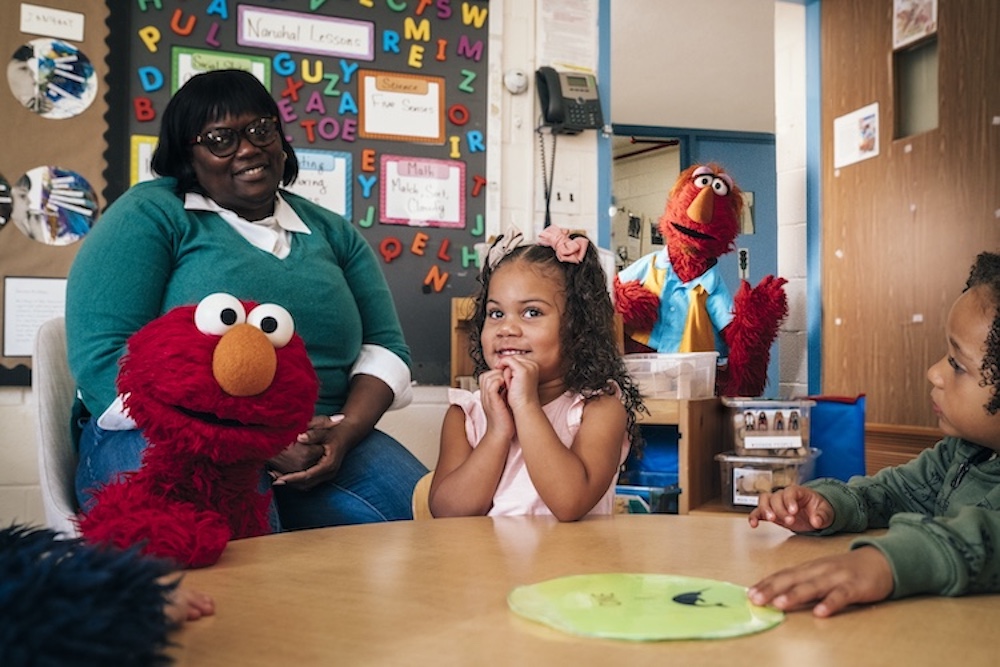
If you’ve ever noticed your child listening more closely to Elmo than they do to you, you’re definitely not alone!
Children naturally build trusting relationships with familiar characters, which is one of the reasons Sesame Street has been helping families navigate life’s ups and downs for more than 50 years.
When children see Elmo, Abby Cadabby or Big Bird feeling worried, asking questions, showing kindness or working through challenges together, they’re learning something incredibly important: it’s okay to have big feelings, and it’s okay to ask for help.
Research shows that young children learn many of their social and emotional skills through storytelling, imaginative play and watching others. Familiar characters help make difficult topics feel less overwhelming because children already know and trust them.
By watching stories like Storm on Sesame Street, children can begin to:
- 💛 Recognise and name their feelings
- 🌈 Understand that it’s okay to feel scared sometimes
- 🧠 Learn simple ways to calm their minds and bodies
- 🤝 Develop empathy for others
- 🌱 Build confidence that difficult situations can get better
One of the loveliest things parents can do is watch together. Sometimes the biggest conversations happen during the quiet moments—pausing to answer a question, giving an extra cuddle or simply saying, “How do you think Elmo is feeling?” Those little chats often become the moments children remember most.
Sesame Workshop’s Resources to Support Families Beyond the Screen
While Storm on Sesame Street helps children explore feelings of fear, uncertainty and recovery through storytelling, Sesame Workshop’s Extreme Weather Response Initiative extends beyond the screen with free resources designed to support children, parents, caregivers and educators.
The initiative includes practical tools to help families before, during and after extreme weather events, including:
📺 Digital videos featuring Sesame Street characters offering comfort, reassurance and age-appropriate guidance.
📘 Updated family guides to help parents prepare for emergencies and support children through disruption and change.
🖍️ Printable activities and articles designed to support children’s emotional wellbeing and help them understand experiences connected to environmental stressors, such as heat and poor air quality.
📖 A new storybook to help children find words for feelings of loss, change and healing.
🎒 Sesame Care Kits containing child-friendly comfort items and everyday essentials to support families during evacuations and periods of displacement.
These resources reflect Sesame Workshop’s ongoing commitment to helping children understand what is happening around them, manage big emotions and take simple, empowering steps to feel safer.
What Parents Should Avoid During and After Extreme Weather
When our children are frightened, our natural instinct is to make everything feel better as quickly as possible. But sometimes, without meaning to, we can unintentionally make their worries feel even bigger.
A few small changes in how we respond can help children feel more secure.
Try to Limit Constant News Coverage
As adults, we often check the news repeatedly during emergencies because we want to stay informed.
However, young children do not always understand that the same images or updates being replayed are not new events happening again. To them, it can feel like the emergency is happening over and over.
Where possible, try to keep television news and social media updates away from young children and instead explain what is happening using simple, reassuring language.
Resist the Urge to Dismiss Their Worries
When your child says they are scared, it is completely natural to want to reassure them straight away.
However, phrases like:
“Don’t be silly.”
“There’s nothing to worry about.”
“You’ll be fine.”
can sometimes make children feel as though their emotions are not being heard.
Instead, try:
“I can see this is making you feel worried. Thank you for telling me. We’re together, we’re safe, and we’re going to get through this together.”
Children do not always need us to have all the answers — they need to know they are being listened to.
Promise What You Can Control
Every parent wishes they could promise their child that nothing bad will ever happen.
Unfortunately, that is not something anyone can guarantee.
What we can promise is often much more reassuring:
❤️ We will stay together.
❤️ We have a plan.
❤️ There are lots of people helping.
❤️ We will take one step at a time.
These simple messages can help children feel secure, even when the world around them feels uncertain.
Remember That Healing Does Not Always Happen Overnight
Once a storm has passed or a family has returned home after an emergency, it can be tempting to assume everything is back to normal.
For children, however, processing what happened can take time.
You may notice your child:
- Sleeping differently
- Becoming more clingy than usual
- Asking the same questions repeatedly
- Becoming more emotional
- Replaying the event through games and pretend play
These reactions are often a normal part of processing a frightening experience.
With patience, reassurance, familiar routines and plenty of connection, most children gradually regain their confidence.
If you are concerned that your child’s worries continue for several weeks or begin affecting their everyday life, speaking with your GP or a qualified child psychologist can provide additional support.
Reaching out for help is simply another way of caring for your child.
Preparing Together Can Help Children Feel More Confident
One of the most powerful ways to reduce fear is to replace uncertainty with preparation.
Rather than waiting until an emergency happens, involve your child in creating a simple family emergency plan. Not only does this help everyone feel more organised, but it also gives children a reassuring sense that, whatever happens, your family has a plan.
Build an Emergency Kit Together
Packing an emergency kit can become a positive family activity rather than something scary.
Invite your child to help choose a few important items, such as:
✔ Their favourite teddy or comfort toy
✔ A special blanket
✔ A torch
✔ Spare clothes
✔ Toothbrush and toothpaste
✔ A drink bottle
✔ Healthy snacks
✔ Family contact details
✔ Colouring books or small activities
✔ Any essential medications (packed by an adult)
Giving children a small but meaningful role helps transform something that could feel frightening into something positive. It reminds them they are an important part of the team.
Final Thoughts
Extreme weather is becoming an increasingly common part of life for many families. Helping children build resilience is not only about responding when emergencies happen — it is about preparing them with confidence, compassion and practical skills before they are needed.
Storm on Sesame Street reminds families that while we cannot always control the weather, we can help children understand what is happening, manage their emotions and discover the strength that comes from caring communities.
Sometimes the most powerful lesson is not that storms happen.
It is that no one has to face them alone.
About Sesame Workshop
Sesame Workshop is the global nonprofit organisation behind Sesame Street and so much more. For more than 50 years, it has worked at the intersection of education, media and research, creating joyful experiences that enrich minds and expand hearts, all in service of empowering each generation to build a better world.
Its beloved characters, iconic shows and community outreach programs bring playful early learning to families in more than 190 countries and advance its mission to help children everywhere grow smarter, stronger and kinder.
Learn more at www.sesame.org.
References
Australian Institute for Disaster Resilience. (2023). Children and young people in disasters. https://www.aidr.org.au/
Australian Psychological Society. (2020). Helping children after traumatic events. https://psychology.org.au/
CSIRO & Bureau of Meteorology. (2024). State of the Climate 2024.
Emerging Minds. (2023). Supporting children following natural disasters. https://emergingminds.com.au/
Raising Children Network. (2024). Helping children cope after traumatic events. https://raisingchildren.net.au/
Sesame Workshop. (2026). Extreme Weather Response Initiative.
Thiery, W., et al. (2021). Intergenerational inequities in exposure to climate extremes. Science, 374(6564), 158–160.
UNICEF. (2021). The Climate Crisis Is a Child Rights Crisis.