

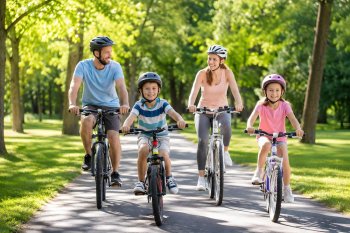
🚲💛 There’s something special about watching your child ride a bike with confidence for the very first time. 🥹
From those wobbly first attempts to the excitement of riding a little further, every journey is a chance to build confidence, independence and beautiful family memories.
But with so many bikes to choose from, how do you know which one is right for your child? 🤔
Discover what every parent needs to know about choosing a bike that fits properly, feels comfortable and keeps little riders safer as they learn, grow and explore. 🚴♀️🌿
Because the right bike can make all the difference between a frustrating first ride and a childhood adventure they’ll love! 💛
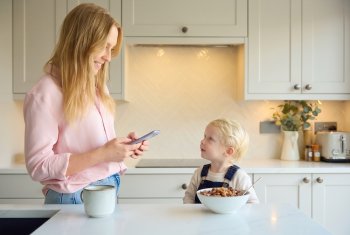
🚨❤️ If an emergency happened at home today, would you know exactly who to call? Would your children?
When you’re worried about your little one, the last thing you want is to be searching for a phone number or wondering where to turn. 🥺
From sudden illness and unexpected injuries to storms and household emergencies, having the right numbers at your fingertips can make all the difference when every moment feels overwhelming.
📱🏡 We’ve put together 10 important emergency contacts every Australian family should keep handy. Save this article, share it with someone you love, and take a few minutes to get your family prepared.
Because when it comes to our kids, a little preparation can go a long way. ❤️

💗 Parents need time away too. And no, you don’t need a special occasion to deserve it. 🥹🌴
Between the school runs, work, endless to-do lists and caring for everyone else, when did you last make time for just the two of you?
You can love your children with all your heart and still need a little time to reconnect, recharge and remember the couple behind the parenting team. ❤️
Imagine turquoise waters, breathtaking island views, sunset drinks and precious moments together on beautiful Hamilton Island. 🌅✨
Because sometimes, the best thing you can do for your family is take a little time for yourselves.
💗 Ready for a little time away together? Discover Hamilton Island and find your perfect couple’s escape.
#ParentsNeedTimeAwayToo

🤰🏡 Baby on the way? Before you buy another baby essential, a good place to start is looking around your home 🍼💛
Between the nursery furniture, baby gear and endless “must-have” lists, getting ready for your little one can quickly feel overwhelming. And suddenly, it seems like your home needs a complete makeover before your baby even arrives! 😅
But what do you really need, and how can you make room for your new arrival without overspending or filling every cupboard?
✨ From getting organised without the clutter to creating space for what matters most, discover simple, practical ways to prepare your home for baby, without the stress or buying more than you need.
Because when it comes to welcoming your little one, less clutter means more room for cuddles, connection and those precious first moments. ❤️

Being the month of Halloween, everything scary is on the cards. But you’d be surprised to know what the scariest face for children is. It’s not the Dracula mask or ghoulish witch, it is a blank face. Scientists have run… Continue Reading >
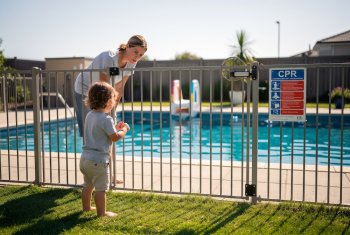
💦 The kids are ready to swim… but is your backyard pool ready for summer? 👀☀️
🏊♀️ Before you open the pool gate, here are 7 pool safety checks every parent should know!
Summer pool days mean splashing, giggles and making beautiful memories with the kids. ❤️ But in the excitement of warmer weather, it’s easy to overlook the little things that can make a big difference to water safety.
From secure pool fencing and active supervision to swimming skills, pool toys and sun safety, are you confident your backyard is ready for the season ahead? 🛟
Swimming lessons are important, but they’re only one part of keeping our little ones safer around water.
☀️ Before the kids jump in, take a moment to check your pool!
👉 Read our latest article for 7 essential pool safety checks every Aussie parent should make before summer. ❤️

These popcorn balls are the perfect snack idea for a Halloween party or movie night! Fresh popcorn is tossed with a soft, vanilla caramel and wrapped in spooky marshmallow spider webs and chocolate spiders! You can also turn use candy… Continue Reading >
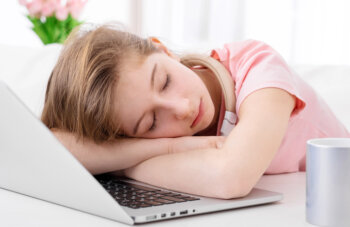
Term 4 is a term of exams for Years 7–12 students in many schools across Australia. 📚😬
Is your teen restless, irritable, or struggling to focus? You’re not alone — and there’s plenty you can do to help. 💛
From trouble sleeping to “what’s the point?” thinking, discover the 6 signs of exam stress and practical ways to support your teen through the pressure. 🫶
Because noticing the signs early and stepping in with understanding can make all the difference in their confidence, wellbeing, and success. 🌟
👉 Read more: 6 Signs of Exam Stress and How Parents Can Help
🚨❤️ **If an emergency happened today, would your family know who to call?**
When it comes to our kids, the last thing we want is to be scrambling for a phone number when every second feels precious. 💗
From Triple Zero (000) and poison advice to your GP, school and trusted backup contacts, a little preparation now can make a stressful moment easier to navigate.
👨👩👧👦 **How many of these essential numbers do you have saved?** Discover the 10 emergency contacts every Australian family should keep handy, plus practical tips for preparing your children, babysitters and other carers.
Because being prepared isn’t about expecting the worst. It’s about helping your family feel a little more ready for the unexpected. ❤️
👉 **Read the article and start building your family emergency contact list today!**
Get parenting advice and support delivered right to your inbox
We'd love to hear what you think of the website, so we can continue to improve it . . . GIVE YOUR FEEDBACK >
Un nouveau casino en ligne français peut présenter de nouvelles fonctionnalités, jeux et options de paiement, mais ses conditions d’utilisation doivent être examinées avant toute utilisation.