

The clocks go forward. Bedtime suddenly becomes a battle. 😴☀️
If your child is suddenly taking forever to settle, waking earlier than usual or becoming overtired and cranky, daylight saving could be playing a bigger role than you realise.
With the clocks moving forward on Sunday 4 October, that lost hour can disrupt more than your schedule. It can affect your child’s body clock, sleep routine, mood and ability to settle — especially when it’s still light outside at bedtime.
So how do you help your little one adjust without turning every evening into a battle?
From sleep debt and circadian rhythms to sunlight, bedtime routines and practical strategies that actually help, discover what the science says and how to make the daylight saving transition easier for the whole family. 🌙💛
Because when the kids sleep better, everyone feels the difference.

Your child is growing up. They want more freedom. You want the reassurance of knowing they can reach you. ❤️
But does their first phone really need to come with 𝐓𝐢𝐤𝐓𝐨𝐤, 𝐘𝐨𝐮𝐓𝐮𝐛𝐞, 𝐬𝐨𝐜𝐢𝐚𝐥 𝐦𝐞𝐝𝐢𝐚, 𝐚 𝐜𝐚𝐦𝐞𝐫𝐚, 𝐚𝐩𝐩𝐬 𝐚𝐧𝐝 𝐚𝐧 𝐞𝐧𝐭𝐢𝐫𝐞 𝐨𝐧𝐥𝐢𝐧𝐞 𝐰𝐨𝐫𝐥𝐝?
Maybe not.
A growing number of Australian parents are discovering there’s a middle ground: 𝐚 𝐩𝐡𝐨𝐧𝐞 𝐭𝐡𝐚𝐭 𝐜𝐨𝐧𝐧𝐞𝐜𝐭𝐬 𝐜𝐡𝐢𝐥𝐝𝐫𝐞𝐧 𝐰𝐢𝐭𝐡𝐨𝐮𝐭 𝐭𝐮𝐫𝐧𝐢𝐧𝐠 𝐢𝐧𝐭𝐨 𝐚𝐧𝐨𝐭𝐡𝐞𝐫 𝐬𝐜𝐫𝐞𝐞𝐧.
📞 Call Mum or Dad.
❤️ Check in with grandparents.
📍 Help parents know they’ve arrived safely.
🚫 No endless scrolling. No social media. No apps competing for their attention.
A 𝐬𝐜𝐫𝐞𝐞𝐧-𝐟𝐫𝐞𝐞 𝐩𝐡𝐨𝐧𝐞 could be a simple way to give children a little more independence — without giving them more technology than they’re ready for.
But is it right for your child? And what should parents consider before making the switch?
𝐖𝐞 𝐭𝐚𝐤𝐞 𝐚 𝐜𝐥𝐨𝐬𝐞𝐫 𝐥𝐨𝐨𝐤 𝐚𝐭 𝐭𝐡𝐞 𝐫𝐞𝐬𝐞𝐚𝐫𝐜𝐡, 𝐬𝐚𝐟𝐞𝐭𝐲 𝐜𝐨𝐧𝐬𝐢𝐝𝐞𝐫𝐚𝐭𝐢𝐨𝐧𝐬 𝐚𝐧𝐝 𝐭𝐡𝐞 𝐪𝐮𝐞𝐬𝐭𝐢𝐨𝐧𝐬 𝐰𝐨𝐫𝐭𝐡 𝐚𝐬𝐤𝐢𝐧𝐠 𝐛𝐞𝐟𝐨𝐫𝐞 𝐜𝐡𝐨𝐨𝐬𝐢𝐧𝐠 𝐲𝐨𝐮𝐫 𝐜𝐡𝐢𝐥𝐝’𝐬 𝐟𝐢𝐫𝐬𝐭 𝐩𝐡𝐨𝐧𝐞.
Because their first step towards independence doesn’t have to be a giant leap into the digital world.
👉 👉 Is your child ready for a phone — but not a smartphone? Discover what parents need to know.

☀️🕶️ 𝗗𝗼𝗲𝘀 𝘆𝗼𝘂𝗿 𝘁𝗼𝗱𝗱𝗹𝗲𝗿 𝗿𝗲𝗮𝗹𝗹𝘆 𝗻𝗲𝗲𝗱 𝘀𝘂𝗻𝗴𝗹𝗮𝘀𝘀𝗲𝘀? 𝗔𝗻𝗱 𝘄𝗵𝗲𝗻 𝘀𝗵𝗼𝘂𝗹𝗱 𝘁𝗵𝗲𝘆 𝘀𝘁𝗮𝗿𝘁 𝘄𝗲𝗮𝗿𝗶𝗻𝗴 𝘁𝗵𝗲𝗺?
Those little eyes are still developing — and in Australia, 𝗨𝗩 𝗲𝘅𝗽𝗼𝘀𝘂𝗿𝗲 𝗰𝗮𝗻 𝗯𝗲 𝘀𝘂𝗿𝗽𝗿𝗶𝘀𝗶𝗻𝗴𝗹𝘆 𝗵𝗶𝗴𝗵, even when the day doesn’t feel hot or particularly sunny.
So, when should toddlers actually start wearing sunglasses? And 𝗵𝗼𝘄 𝗱𝗼 𝘆𝗼𝘂 𝗸𝗻𝗼𝘄 𝗶𝗳 𝘁𝗵𝗲 𝗽𝗮𝗶𝗿 𝘆𝗼𝘂’𝗿𝗲 𝗯𝘂𝘆𝗶𝗻𝗴 𝗶𝘀 𝗿𝗲𝗮𝗹𝗹𝘆 𝗽𝗿𝗼𝘁𝗲𝗰𝘁𝗶𝗻𝗴 𝘁𝗵𝗲𝗶𝗿 𝗲𝘆𝗲𝘀 𝗳𝗿𝗼𝗺 𝗨𝗩?
𝗛𝗼𝘄 𝗱𝗼 𝘄𝗲 𝗸𝗻𝗼𝘄 𝘄𝗵𝗶𝗰𝗵 𝗹𝗲𝗻𝘀 𝘁𝗼 𝗽𝗶𝗰𝗸? What about the fit? Which level of UV protection? Polarised lenses? And are they made to Australian Standards?
And what if your toddler refuses to wear them?
We’ve unpacked what Australian parents need to know about 𝗽𝗿𝗼𝘁𝗲𝗰𝘁𝗶𝗻𝗴 𝗹𝗶𝘁𝘁𝗹𝗲 𝗲𝘆𝗲𝘀 𝗳𝗿𝗼𝗺 𝗨𝗩 — from the beach and backyard to childcare and everyday outdoor play.
This guide will help you understand it all — from 𝗵𝗼𝘄 𝘁𝗼 𝗰𝗵𝗼𝗼𝘀𝗲 𝘁𝗵𝗲 𝗿𝗶𝗴𝗵𝘁 𝗨𝗩 𝗽𝗿𝗼𝘁𝗲𝗰𝘁𝗶𝗼𝗻 𝗹𝗲𝘃𝗲𝗹 𝗮𝗻𝗱 𝘄𝗵𝗮𝘁 𝘁𝗼 𝗹𝗼𝗼𝗸 𝗳𝗼𝗿 𝗶𝗻 𝘁𝗵𝗲 𝗔𝘂𝘀𝘁𝗿𝗮𝗹𝗶𝗮𝗻 𝗦𝘁𝗮𝗻𝗱𝗮𝗿𝗱, to lens categories, polarisation, wraparound frames and getting a determined toddler to actually KEEP their sunglasses on.
Because, as we can appreciate, 𝘁𝗵𝗲𝗿𝗲’𝘀 𝗺𝗼𝗿𝗲 𝘁𝗼 𝗰𝗵𝗼𝗼𝘀𝗶𝗻𝗴 𝗸𝗶𝗱𝘀’ 𝘀𝘂𝗻𝗴𝗹𝗮𝘀𝘀𝗲𝘀 𝘁𝗵𝗮𝗻 𝗺𝗲𝗲𝘁𝘀 𝘁𝗵𝗲 𝗲𝘆𝗲. 👀
👉 𝗕𝗲𝗳𝗼𝗿𝗲 𝘆𝗼𝘂 𝗯𝘂𝘆 𝘁𝗵𝗲 𝗻𝗲𝘅𝘁 𝗽𝗮𝗶𝗿, 𝗿𝗲𝗮𝗱 𝘁𝗵𝗶𝘀. 🕶️

🟢 𝗪𝗵𝗮𝘁 𝗶𝗳 𝘁𝗵𝗲 𝘁𝗿𝗮𝗺𝗽𝗼𝗹𝗶𝗻𝗲 𝗶𝗻 𝘆𝗼𝘂𝗿 𝗯𝗮𝗰𝗸𝘆𝗮𝗿𝗱 𝗶𝘀 𝗱𝗼𝗶𝗻𝗴 𝗺𝗼𝗿𝗲 𝘁𝗵𝗮𝗻 𝘀𝗶𝗺𝗽𝗹𝘆 𝗵𝗲𝗹𝗽𝗶𝗻𝗴 𝘆𝗼𝘂𝗿 𝗸𝗶𝗱𝘀 𝗯𝘂𝗿𝗻 𝗼𝗳𝗳 𝗲𝗻𝗲𝗿𝗴𝘆?
To your child, it’s just jumping, laughing and asking for “five more minutes.” But underneath every bounce, their 𝗯𝗿𝗮𝗶𝗻 𝗮𝗻𝗱 𝗯𝗼𝗱𝘆 𝗮𝗿𝗲 𝘄𝗼𝗿𝗸𝗶𝗻𝗴 𝘁𝗼𝗴𝗲𝘁𝗵𝗲𝗿 — adjusting balance, coordinating movement, sensing where their body is in space and learning how to control each landing.
From 𝗯𝗮𝗹𝗮𝗻𝗰𝗲 𝗮𝗻𝗱 𝗰𝗼𝗼𝗿𝗱𝗶𝗻𝗮𝘁𝗶𝗼𝗻 to 𝗽𝗵𝘆𝘀𝗶𝗰𝗮𝗹 𝗹𝗶𝘁𝗲𝗿𝗮𝗰𝘆, movement confidence and daily activity, there is more happening on that trampoline than many parents realise.
But there’s another side to the story too: 𝘁𝗿𝗮𝗺𝗽𝗼𝗹𝗶𝗻𝗶𝗻𝗴 𝗰𝗼𝗺𝗲𝘀 𝘄𝗶𝘁𝗵 𝗿𝗲𝗮𝗹 𝗶𝗻𝗷𝘂𝗿𝘆 𝗿𝗶𝘀𝗸𝘀, and knowing what the research says about safe use matters just as much as understanding the developmental benefits.
So, is a trampoline a worthwhile addition to the backyard? And what does the Australian evidence actually tell us?
👉 𝗪𝗲 𝘁𝗮𝗸𝗲 𝗮 𝗰𝗹𝗼𝘀𝗲𝗿 𝗹𝗼𝗼𝗸 𝗮𝘁 𝘁𝗵𝗲 𝘀𝗰𝗶𝗲𝗻𝗰𝗲 𝗯𝗲𝗵𝗶𝗻𝗱 𝘁𝗵𝗲 𝗯𝗼𝘂𝗻𝗰𝗲 — 𝗮𝗻𝗱 𝘁𝗵𝗲 𝘀𝗮𝗳𝗲𝘁𝘆 𝗮𝗱𝘃𝗶𝗰𝗲 𝗲𝘃𝗲𝗿𝘆 𝗽𝗮𝗿𝗲𝗻𝘁 𝘀𝗵𝗼𝘂𝗹𝗱 𝗸𝗻𝗼𝘄.
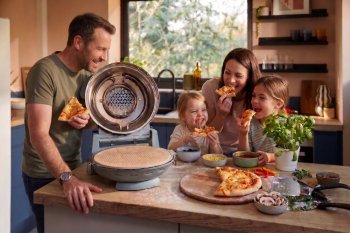
🍕 What if teaching your child to cook was about so much more than making dinner?
There may be flour on the bench, sauce on little fingers and a heated debate over who gets the last piece of cheese — but underneath the mess, your child is learning skills they will carry with them for life.
Cooking teaches children how to make choices, follow instructions, solve problems, measure, plan, understand food, manage money, reduce waste, stay safe in the kitchen and gradually become more independent.
It can also help children become more familiar with different foods, give them a sense of agency and achievement, and create those everyday moments of connection where conversations happen naturally.
And you don’t need to start with complicated recipes.
A homemade pizza can be enough.
Let them choose the toppings. Let them get messy. Let them make mistakes. Let them create something that is theirs.
Because the goal isn’t to raise a little chef.
It’s to raise a child who knows how to feed themselves, make informed choices, contribute to family life and confidently find their way around a kitchen.
🍕❤️ The dinner might only last 20 minutes. The skills, confidence and memories can last a lifetime.
Read the article to discover why cooking with your children could be one of the most valuable everyday lessons you give them.
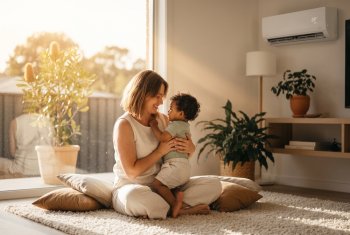
When the weather turns extreme, your home can suddenly feel very different. 🌡️🏠
A bedroom that’s usually comfortable can become unbearably hot. Your toddler may refuse to drink. Your baby may struggle to settle. Then there’s the power outage, the storm, the smoke… and suddenly you’re trying to work out what to do next.
But what if your home isn’t coping with the weather?
From creating a cooler space and knowing when to move rooms, to preparing for power outages, bushfire smoke, cold snaps and those hot nights that just won’t let up, there are simple things parents can do before extreme weather arrives.
Because you don’t need a perfect home or a perfect emergency plan.
You just need to know what to do next when the weather doesn’t go to plan.❤️
👉 Read the full guide and prepare your home — and your family — for whatever the weather brings.

🍌✨ Banana bread… but make it taste like a cinnamon scroll!
Got three ripe bananas sitting on the bench? Turn them into something seriously delicious. 🤎
This Cinnamon Swirl Banana Bread is soft, beautifully spiced and packed with banana, with a gorgeous cinnamon swirl and creamy cream cheese frosting. It has all the cosy, indulgent flavour of a cinnamon scroll, with a few simple swaps to give this family favourite a more nourishing twist.
Created by Clinical Nutritionist Malissa Fedele, it’s perfect for afternoon tea, lunchboxes, weekend baking or whenever the family is craving something homemade and sweet. 🧁
✨ Three bananas. A swirl of cinnamon. A deliciously creamy topping. What’s not to love?
👉 Discover the recipe and get baking!
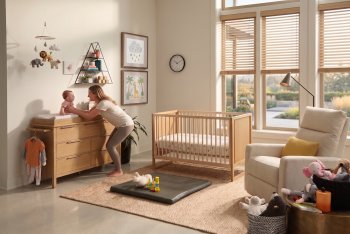
You don’t need a picture-perfect nursery. You need a home that works when you’re exhausted, carrying a baby and trying to find the nappies with one hand. 🤍
From baby clothes that seem to multiply overnight to prams taking over the hallway, feeding gear covering the kitchen bench and toys slowly spreading through every room, getting your home organised before – and after – baby arrives can make everyday life that little bit easier.
Our practical guide is packed with real-life storage ideas, Australian safety advice, smart ways to use the space you already have, and simple systems that can grow with your child.
Because the goal isn’t a spotless house.
It’s less searching, less stress and a safer home for your growing family.
👉 Read the full article and get your home baby-ready without trying to make it perfect.
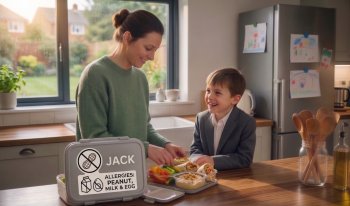
For a child with a food allergy, something as simple as a lunchbox can become an important part of their safety routine. ❤️
But what happens when your child is too young to read the label, recognise an ingredient or confidently explain their allergy?
A clear, child-friendly visual allergy label can give children and the adults around them another simple cue to recognise their allergy—whether it’s on a lunchbox, drink bottle or food container.
Our latest guide takes parents through what to put on an allergy label, where to place it, how to make it easy to spot and how to help your child recognise their own allergy symbol—while explaining why a label should always work alongside their medical and allergy management plan.
Because when you’re parenting a child with allergies, you don’t want to leave safety to chance.
👉 Read the full guide and discover simple ways to make your child’s allergy easier to recognise at school and childcare.
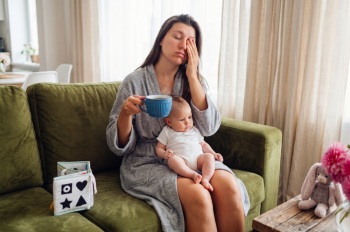
“I’ll quit when things settle down.”
Except… when do things actually settle down when you’ve got a baby?
You’re exhausted. You’ve barely slept. You’re feeding, changing, cleaning, carrying, soothing — and somewhere in between it all, that cigarette or vape can feel like five minutes that are just yours.
So being told to “just quit” isn’t always that simple.
If you’re a new parent who wants to quit nicotine, it doesn’t have to start with a huge, all-or-nothing promise. Sometimes it starts much smaller — noticing when you reach for it, changing one routine, finding another way to get through the stressful moments, or simply putting a little more time between you and the next craving.
No guilt. No perfection. No pretending parenting is easy.
Just 10 small, realistic steps that can help make quitting feel a little more achievable when you’re already running on empty.
Because looking after yourself matters too. ❤️
Read the full article.
Get parenting advice and support delivered right to your inbox
We'd love to hear what you think of the website, so we can continue to improve it . . . GIVE YOUR FEEDBACK >