
Kiddipedia
Starting solids is a big milestone in your baby’s development. It’s exciting but also a bit overwhelming with all the advice out there. The choices you make at this stage can have a lasting impact on your child’s eating habits and overall health.
When Should You Start Solid Foods?
The Australian National Health and Medical Research Council (NHMRC) and the Australian Breastfeeding Association (ABA) recommend that babies continue to receive breast milk or formula as their primary source of nutrition for the first six months (NHMRC, 2013; ABA, 2024).
Some paediatricians may suggest introducing solids a little earlier, around four months, depending on your baby’s developmental readiness. It’s important to check with your healthcare provider before beginning solid foods to ensure it’s the right time for your baby.
Why Baby-Led Weaning?
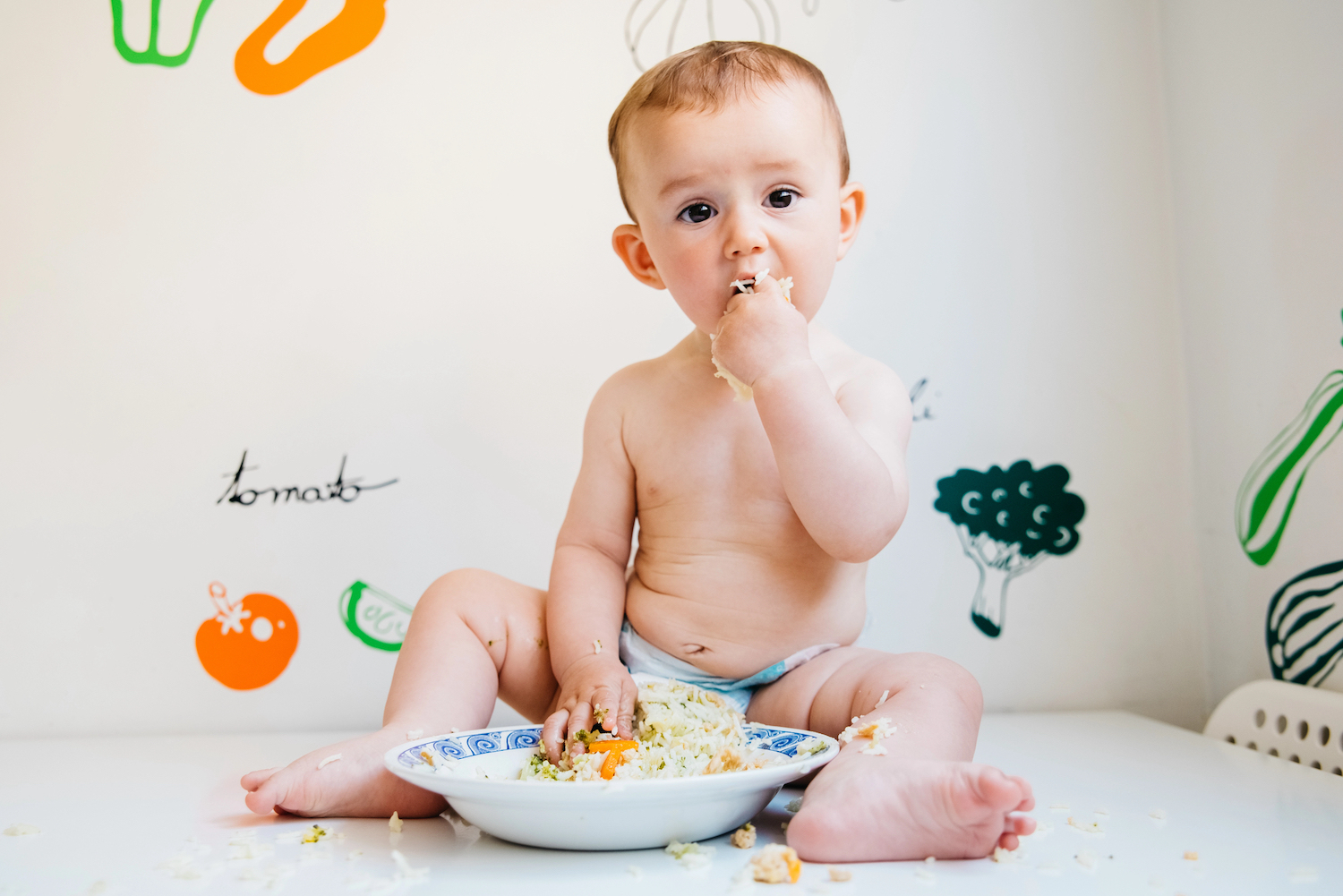
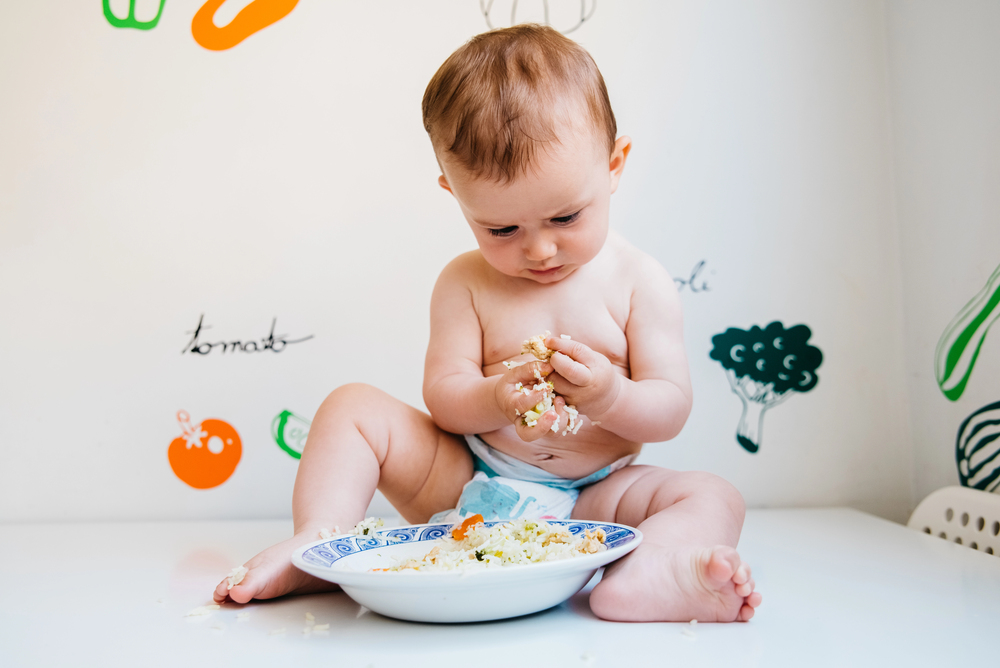
When you think of introducing solids, you might picture spoon-feeding pureed food to your little one. But there’s another option: baby-led weaning (BLW). This approach skips the puree stage and allows babies to feed themselves from the start, exploring whole foods at their own pace.
Research from The Royal Children’s Hospital Melbourne shows that BLW can:
- Promote fine motor skill development
- Foster independence at mealtimes
- Support a positive relationship with food (Brown & Lee, 2011; Rapley & Murkett, 2008)
Tip: BLW isn’t about being perfect—it’s about giving your baby control, choice, and a chance to explore food safely.
How Does Baby-Led Weaning Work?
In BLW, babies are offered soft, manageable pieces of whole foods right from the beginning. Examples include:
- A slice of avocado
- Roasted sweet potato stick
- A ripe banana to mash with their hands
The goal is to encourage self-feeding and allow babies to explore textures and flavours independently.
Safety first: BLW requires careful supervision. Avoid foods like whole nuts, raw carrots, and hard chunks that could pose a choking risk. The NSW Department of Health recommends focusing on careful food preparation and constant monitoring (NSW Health, 2022).
Signs Your Baby is Ready for BLW
Before starting BLW, ensure your baby shows these developmental milestones:
- Can sit upright without support
- No longer has the tongue-thrust reflex (which pushes food out of the mouth)
- Can grasp food and bring it to their mouth
Most babies reach these milestones around six months, but every baby develops at their own pace. If you’re unsure, consult your paediatrician, such as those at The Children’s Hospital at Westmead, who are experts in child development.
Tip: Look for signs of curiosity at mealtimes—babies reaching for your food are often ready for BLW.
Best First Foods for BLW
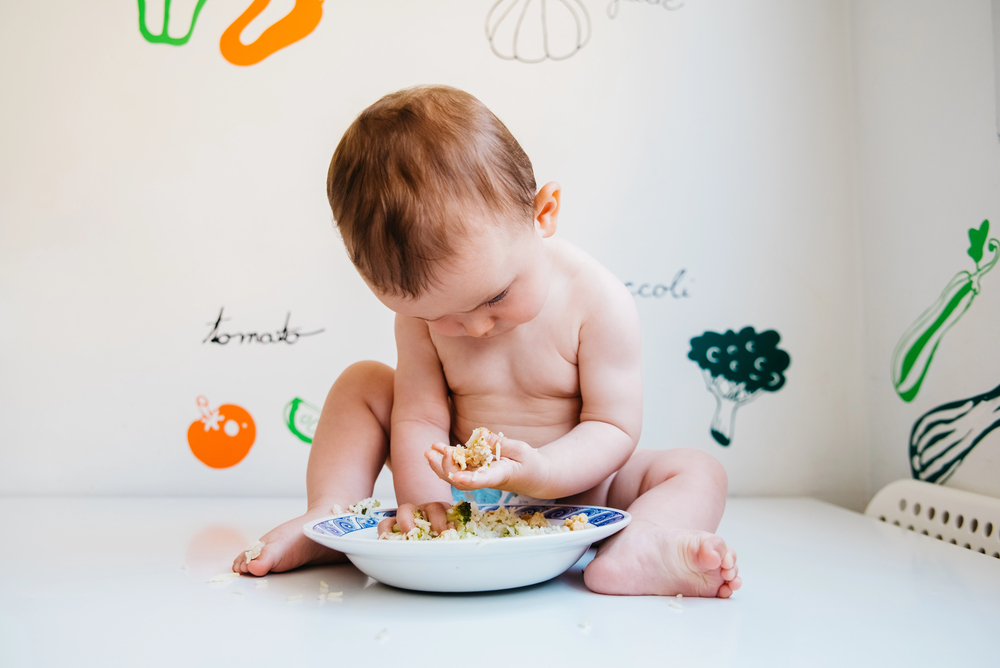
Instead of starting with processed cereals, offer whole, nutrient-dense foods. Here’s a simple guide:
| Food | Texture & Preparation | Nutrient Highlights | Parent Tip |
|---|---|---|---|
| Banana | Soft, ripe, mashed | Potassium, fibre | Easy to grasp |
| Avocado | Soft slice | Healthy fats for brain development | Can be served raw |
| Sweet potato | Steamed or roasted sticks | Beta-carotene, fibre | Cut into fingers |
| Pear or mango | Ripe, soft slices | Vitamins A & C, fibre | Peel if needed |
| Butternut squash | Steamed cubes | Vitamin A, fibre | Easy to mash |
| Scrambled eggs | Soft, fully cooked | Protein, choline | Introduce gradually |
| Flaked fish | Deboned, soft | Omega-3, protein | Avoid high-mercury fish |
| Soft-cooked veg | Broccoli, zucchini sticks | Fibre, vitamins | Steamed until soft |
These foods are packed with essential nutrients that support your baby’s growth, brain development, and digestive health.
Why Choose Organic?
Choosing organic produce ensures the food is free from synthetic pesticides and additives. While the research on whether organic foods are more nutritious is mixed, organic options reduce exposure to potentially harmful chemicals.
- Organic dairy and meat are free from added hormones and antibiotics
- Australian Organic Trade Association advocates organic options to protect your growing child (AOTA, 2023)
Tip: You don’t need to go fully organic—focus on high-risk foods like berries and leafy greens first.
Introducing New Foods: The 4-Day Rule
Monitoring for allergies is crucial. The 4-day rule suggests:
- Introduce one new food at a time
- Wait four days before adding another
- Watch for reactions like rashes, bloating, or digestive issues
For common allergens such as eggs, dairy, and peanuts, early introduction (with guidance from your doctor) may reduce allergy risk. Allergy & Anaphylaxis Australia recommends early, monitored introduction in consultation with a healthcare professional (AAAA, 2022).
Safety Tips for BLW
Safety is key. Keep these tips in mind:
- Always supervise your baby during meals
- Avoid foods that are hard, round, or sticky
- Cut food into baby-friendly shapes (long, soft strips are easiest to grasp)
- Learn infant CPR—St John Ambulance Australia offers courses for parents
Checklist for a Safe BLW Meal:
- Baby seated upright
- Foods soft and appropriately sized
- Close supervision
- Emergency plan in place
Final Thoughts
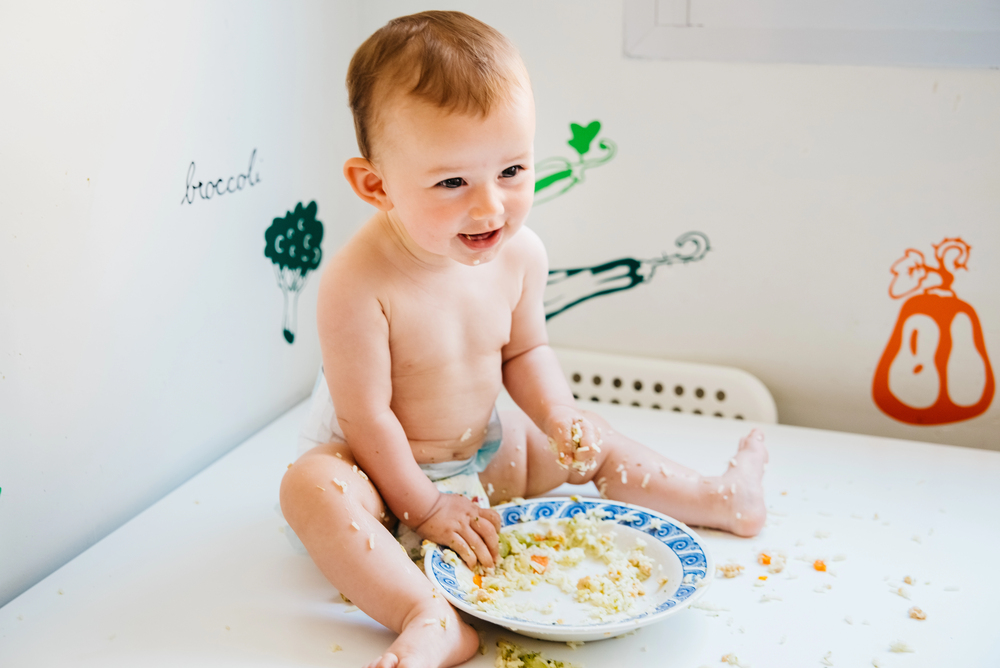
Every baby is different—there’s no one-size-fits-all approach to starting solids. Baby-led weaning can be a fun and natural way to develop self-feeding skills and establish healthy eating habits.
If it’s right for your family:
- Embrace the mess
- Enjoy the process
- Celebrate this milestone together
If you have concerns or questions, consult your paediatrician or trusted Australian sources:
- The Royal Australian College of General Practitioners (RACGP)
- The Australian Paediatric Society (APS)
References
- Australian Breastfeeding Association (2024). Infant Feeding Guidelines. https://www.breastfeeding.asn.au
- Brown, A., & Lee, M. (2011). Early influences on child satiety–responsiveness: evidence from a baby-led weaning approach. Appetite, 57(2), 383–390.
- NSW Health (2022). Infant feeding and choking hazards. https://www.health.nsw.gov.au
- NHMRC (2013). Infant Feeding Guidelines. Canberra: National Health and Medical Research Council.
- Rapley, G., & Murkett, T. (2008). Baby-Led Weaning: Helping Your Baby to Love Good Food. London: Piatkus.
- Allergy & Anaphylaxis Australia (2022). Introduction of allergens in infants. https://allergyfacts.org.au
- Australian Organic Trade Association (2023). Organic Food for Children. https://www.organic.org.au