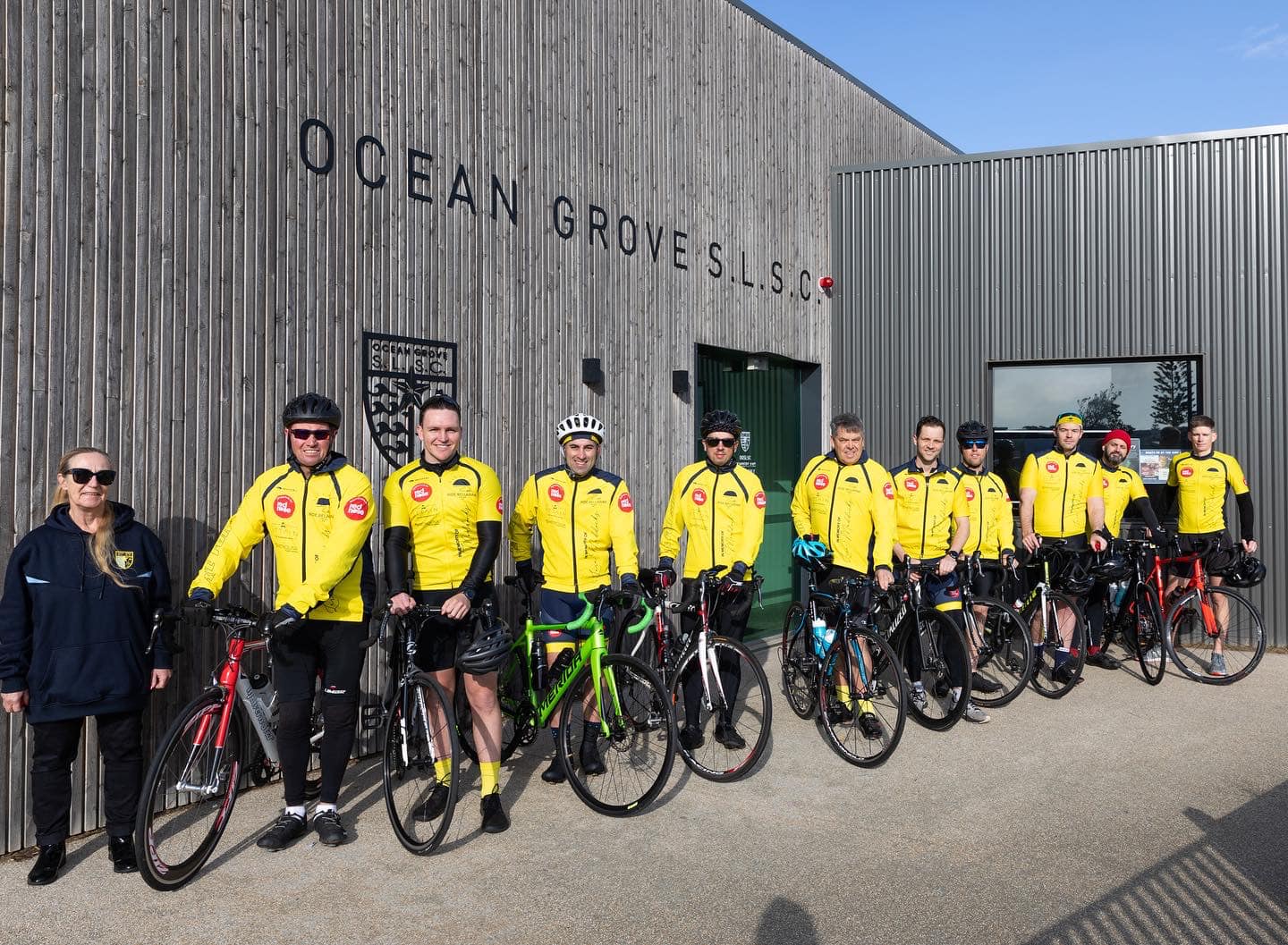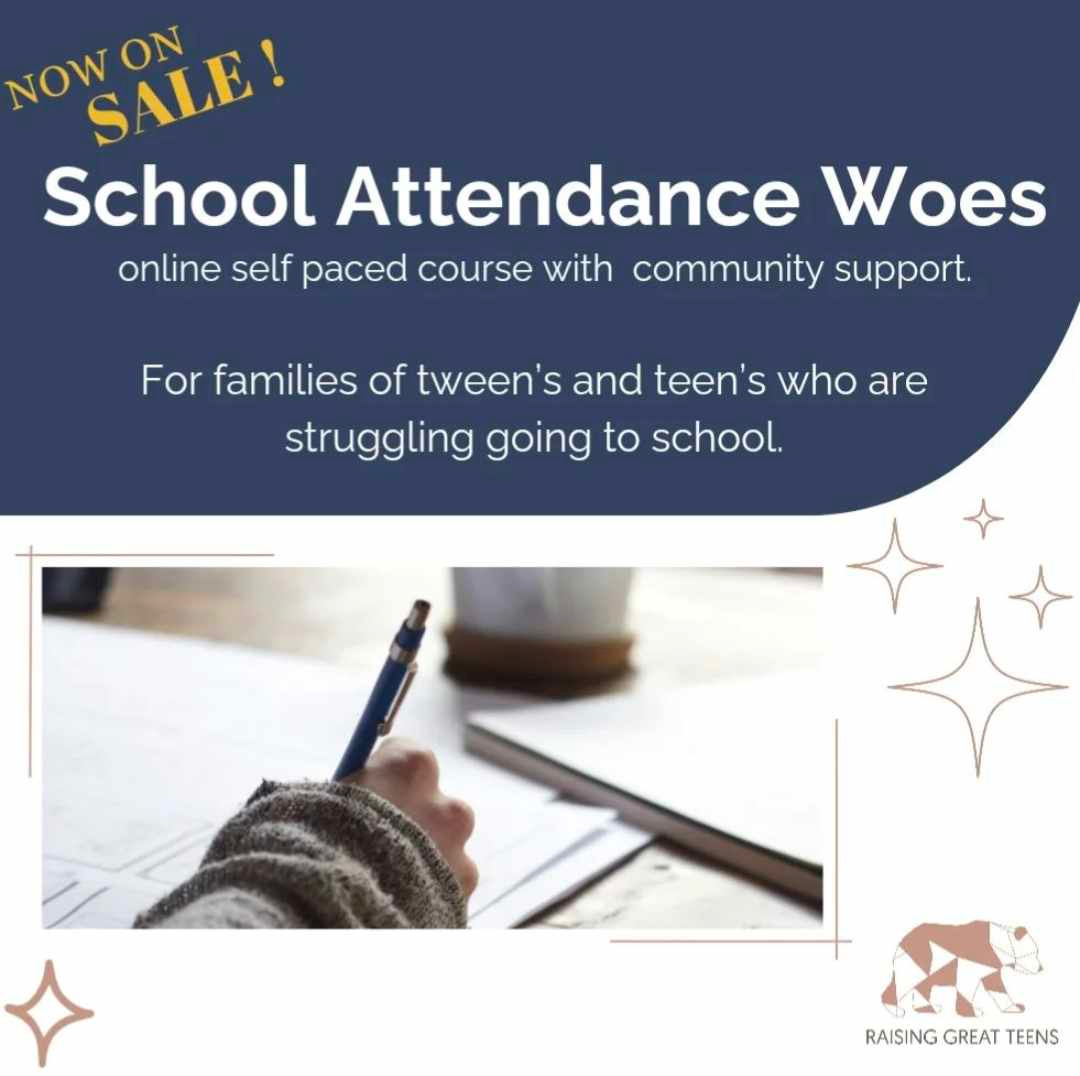




Kiddipedia Proudly Supports





Australia’s best baby website for mums and dads
Welcome to Kiddipedia – The world’s first parenting encyclopedia
Feel free to use our websites revolutionary keyword search tool or explore our vast collection of innovative parenting information, resources and support services.
There’s an old saying when it comes to parenthood – the child doesn’t come with a user manual.
It is a memorable cliché, but it is not necessarily true in the modern world with numerous parent resources and websites available to help you at all stages of your child’s development.
Kiddipedia has compiled the best of this information across the web, designed to provide a one-stop location for you to find parenting tips, advice, useful links and more. Access trustworthy guidance when you need it most.
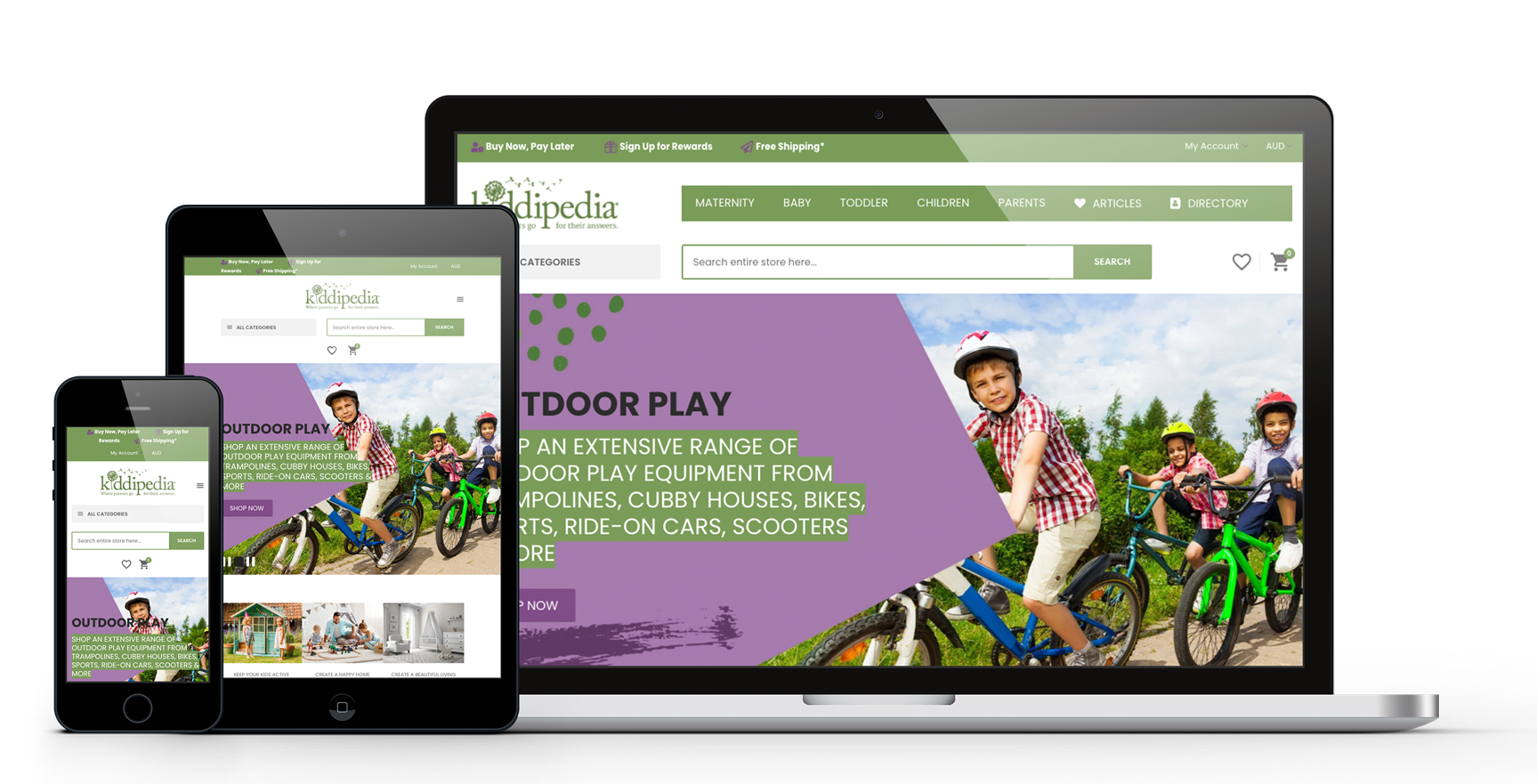
Kiddipedia Store
Everything a growing family needs.Australia’s dedicated online store for parents & families
Join our community of parents
Get parenting advice and support delivered right to your inbox
TRENDING TOPICS
💗 Imagine your little one struggling to see the world clearly, but not knowing how to tell you. 👀
Babies, toddlers and preschoolers can’t always explain when something doesn’t look right. Sometimes, the signs are hidden in everyday moments — holding toys too close to their face, struggling with puzzles, bumping into things or losing interest in books.
💕 As parents, we notice the little things. But when it comes to our children’s vision, some important signs can be surprisingly easy to miss. Knowing what to look for could make a difference to your child’s developing vision.
✨ Discover what to look for at every age, from babyhood to preschool, and why recognising potential vision problems early can make a meaningful difference. Because every child deserves the chance to see, explore and discover the world around them. 👁️💗
🚲💛 There’s something special about watching your child ride a bike with confidence for the very first time. 🥹
From those wobbly first attempts to the excitement of riding a little further, every journey is a chance to build confidence, independence and beautiful family memories.
But with so many bikes to choose from, how do you know which one is right for your child? 🤔
Discover what every parent needs to know about choosing a bike that fits properly, feels comfortable and keeps little riders safer as they learn, grow and explore. 🚴♀️🌿
Because the right bike can make all the difference between a frustrating first ride and a childhood adventure they’ll love! 💛
🚨❤️ If an emergency happened at home today, would you know exactly who to call? Would your children?
When you're worried about your little one, the last thing you want is to be searching for a phone number or wondering where to turn. 🥺
From sudden illness and unexpected injuries to storms and household emergencies, having the right numbers at your fingertips can make all the difference when every moment feels overwhelming.
📱🏡 We've put together 10 important emergency contacts every Australian family should keep handy. Save this article, share it with someone you love, and take a few minutes to get your family prepared.
Because when it comes to our kids, a little preparation can go a long way. ❤️

Get Some Advice






From useful articles, expert parenting information and a range of other resources – we’re here to guide you through your journey. Explore:
Advice for mums
Tips for dad
Information on schooling
Health-related information (for parents and children)
Some of the top baby websites for Australia
Lifestyle tips and;
Many other tools to help you be the best possible parent you can be.
We like to think of ourselves as the user manual you didn’t get at the hospital – let us help you find all the answers to your biggest questions.
Explore advice for mums you can trust
Kiddipedia takes into consideration that the role of being a mum has changed dramatically over the years. For example, here are some figures that are driving trends across this demographic:
Australian women are having children later in life, with the median age now 31.3 years old, compared with 27.7 years ago when the median was 30 years.
More Australian mothers are working. Of those mums with children under 12, 55 per cent are employees while a further 11 per cent run their own business.
Female owner/managers are on the rise as well, with the volume increasing 7.6 per cent over 10 years and;
Four per cent of mothers with children under 12 are working more than one job.
Our parenting information website is designed to deliver advice that’s tailored towards these changes. We’re here to help mothers of all walks of modern life juggle the many aspects involved with raising a family.
We’re also the go-to as a leading useful website for dads
There are 4.6 million fathers out there in Australia, making up 20 per cent of the total population.But there’s also been changes here, too, with the days of dad going off to work and mum staying at home to raise the kids well behind us.
Currently, there are 156,000 single-parent fathers across the country, and 144,000 'House Hubbies' who stay at home to look after the children. Additionally, the length of time dads are spending with their newborn children is increasing as well, rising up to 33 days.
So, to help dads access the parent resources they need along the way, Kiddipedia makes a variety of guides and informative pieces available when they’re needed most.
Connect with other parents and ask questions . . .
Your guide to the best websites for Australian parents
Finding the right websites for products, services and accessories for your child can be like a maze. There are so many options out there these days, and even more online noise to deal with. And then there’s the varying reputations and mixed marketing messages to tackle.
We know you are already juggling so much, so the team at Kiddipedia has compiled the leading websites for Australians to get the best products for their families, without the hassle. Browse all of our nifty resources now or find a bit more about us below: parenting websites Australia






We'd love to hear what you think of the website, so we can continue to improve it . . . GIVE YOUR FEEDBACK >