

When the weather turns extreme, your home can suddenly feel very different. 🌡️🏠
A bedroom that’s usually comfortable can become unbearably hot. Your toddler may refuse to drink. Your baby may struggle to settle. Then there’s the power outage, the storm, the smoke… and suddenly you’re trying to work out what to do next.
But what if your home isn’t coping with the weather?
From creating a cooler space and knowing when to move rooms, to preparing for power outages, bushfire smoke, cold snaps and those hot nights that just won’t let up, there are simple things parents can do before extreme weather arrives.
Because you don’t need a perfect home or a perfect emergency plan.
You just need to know what to do next when the weather doesn’t go to plan.❤️
👉 Read the full guide and prepare your home — and your family — for whatever the weather brings.

⛈️ “Are we safe?” — It’s a question no parent wants their child to ask during a storm, bushfire or flood.
When extreme weather strikes, children don’t just experience what is happening around them — they also absorb the uncertainty, fear and emotions of the adults nearby.
💛 The good news? With the right support, children can learn that even scary moments can be managed with courage, connection and kindness.
The new Storm on Sesame Street special is helping families navigate these difficult conversations, showing children that:
✨ Big feelings are normal
🤝 Helpers are always nearby
🌈 Communities can come together
💪 They are stronger than they realise
From explaining extreme weather in a way children can understand, to helping them feel prepared and emotionally safe, our latest article shares simple, practical ways to support your child before, during and after an emergency.
Because while we can’t always stop the storm… we can help our children feel safe through it. ❤️
Read more: How Sesame Street Is Helping Children Feel Safe During Extreme Weather
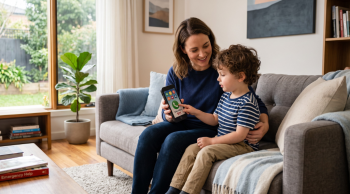
🚨 If something unexpected happened at home, would your family know exactly who to call?
As parents, we spend so much time preparing for the everyday moments — packing lunches, managing routines, organising school and childcare — but emergencies don’t wait until we’re ready.
A child’s sudden illness, a fall, a household accident, a power outage or an unexpected situation can happen in seconds. In those moments, having the right information within easy reach can make a stressful situation feel a little more manageable.
💛 A simple emergency contact list on your fridge could help your family respond faster when it matters most.
From Triple Zero (000) and your family GP to childcare contacts, trusted neighbours, the Poison Information Centre, schools and essential household services, discover the important numbers every Australian family should keep on hand.
This practical guide will help you:
✅ Create a family emergency contact plan
✅ Teach children when and how to call for help
✅ Prepare babysitters and carers
✅ Know what information to keep accessible
✅ Build confidence for those moments no parent wants to imagine
Because being prepared isn’t about living in fear — it’s about giving your family the best chance to stay calm, safe and supported when the unexpected happens.
👉 Read the full guide: Top 10 Emergency Contacts to Keep on Hand at All Times

Most parents think choking is loud.
The frightening reality? It’s often completely silent.
One minute they’re happily eating their snack.
The next, everything changes.
Choking can happen quickly, quietly and during completely ordinary moments most parents never expect. From grapes and popcorn to sausages and button batteries, everyday items can become serious choking hazards for little children in seconds.
This must-read article shares the simple prevention strategies, warning signs and life-saving knowledge every family should know, including the foods and household items that pose the biggest risks to young children.
A truly important read for parents of babies, toddlers and preschoolers.
Because when it comes to choking, knowledge really can save lives.
#Parenting #ChildSafety #ToddlerSafety

🚨 When safety becomes sensory overload. 🚨
As parents, we know fire safety is non-negotiable. But what happens when the sound of a smoke alarm becomes too overwhelming for our kids? 😞
For children with Autism Spectrum Disorder, loud alarms can trigger anxiety and distress. We’ve found a better way to keep our family safe, and it could make a world of difference for your child too.
👉 Discover how small changes to fire safety can bring BIG comfort to kids with ASD.
Get parenting advice and support delivered right to your inbox
We'd love to hear what you think of the website, so we can continue to improve it . . . GIVE YOUR FEEDBACK >