
Kiddipedia
Why Every Australian Family Needs an Emergency Contact Plan Before They Ever Need One
If you’re anything like me, you’ve probably saved dozens—if not hundreds—of phone numbers in your mobile. From grandparents and childcare educators to the family GP and trusted neighbours, everything feels just a tap away. But have you ever stopped to wonder what would happen if your phone battery went flat, your mobile couldn’t be found during an emergency, or someone else needed to help your child while you weren’t there?
As parents, we spend so much time preparing for the everyday—packing lunchboxes, organising school bags, scheduling appointments and juggling work—that it’s easy to assume we’ll always have the information we need at our fingertips. The reality is that emergencies rarely happen when life is calm. They happen when we’re stressed, distracted or under pressure, and that’s exactly when even the simplest details can become difficult to remember.
Whether it’s a curious toddler swallowing something they shouldn’t, a child falling from playground equipment, a kitchen fire, a burst water pipe or a power outage during a storm, knowing exactly who to call can make all the difference. Having a clearly displayed emergency contact list won’t prevent accidents from happening, but it can help you respond faster and more confidently when every minute counts.
For families with young children, preparation is one of the simplest yet most effective ways to improve safety at home. While many parents focus on childproofing cupboards, installing safety gates and securing furniture, having important emergency numbers readily available is another practical step that’s often overlooked.
Why a Printed Emergency Contact List Still Matters
In today’s digital world, it’s tempting to rely entirely on smartphones. However, emergency preparedness experts continue to recommend keeping a printed copy of essential contact numbers somewhere visible in the home—most commonly on the refrigerator or inside a kitchen cupboard.
There are several reasons for this:
- Mobile phones can run out of battery.
- Phones can be misplaced during stressful situations.
- Children, grandparents or babysitters may not know how to unlock your device.
- Internet or mobile networks may be unavailable during severe weather events.
- Visitors caring for your children won’t have access to your saved contacts.
A printed emergency contact sheet ensures everyone in your household knows exactly where to find important information when they need it most.
Emergencies Can Happen Faster Than We Think
No parent likes to imagine worst-case scenarios, but childhood accidents are surprisingly common.
According to Kidsafe Australia, injury remains one of the leading causes of death and hospitalisation for Australian children. Every day, children are treated in emergency departments for injuries that occur in and around the home, including:
- Falls
- Burns and scalds
- Poisoning
- Choking
- Drowning incidents
- Dog bites
- Bicycle and scooter accidents
- Playground injuries
The good news is that many serious outcomes can be reduced through early action and prompt access to emergency services.
Being organised doesn’t mean expecting the worst—it simply means giving yourself the best chance to respond calmly if something unexpected occurs.
When Stress Takes Over, Simple Things Become Hard
Medical professionals often talk about the effects of stress on decision-making. During an emergency, our body’s “fight, flight or freeze” response can make it difficult to think clearly.
Even information we know by heart—such as phone numbers, addresses or medication names—can suddenly become difficult to recall.
That’s one reason emergency services and first aid organisations recommend preparing important information before it’s ever needed.
Having emergency numbers displayed somewhere obvious removes one more decision during an already stressful moment.
More Than Just Phone Numbers
An effective family emergency contact list should be more than simply a collection of names and numbers.
Ideally, it should also include:
- Your family’s home address (helpful if children need to call Triple Zero)
- Parent or guardian mobile numbers
- Emergency contacts
- Family GP details
- Preferred hospital
- Medicare details (stored securely where appropriate)
- Private health insurance information (if applicable)
- Known allergies
- Medical conditions
- Regular medications
- Blood type (if known)
- Childcare and school contacts
- Trusted neighbours
- Utility emergency numbers
- Local council services
- Family veterinarian (for households with pets)
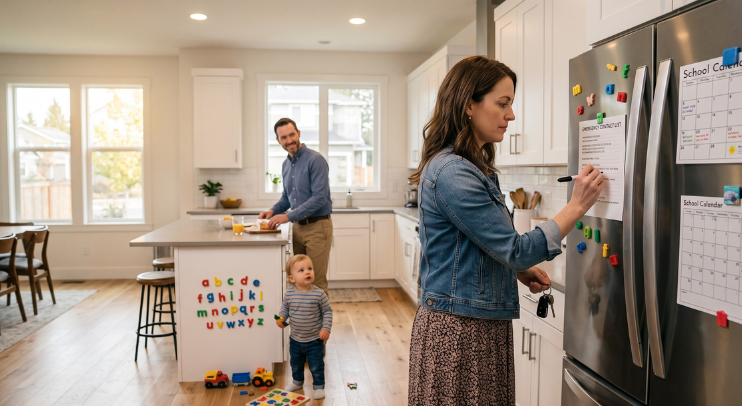
Many families choose to laminate this information and keep it on the fridge, while also storing a digital copy in a shared family folder.
Tip
Create two copies of your family’s emergency contact sheet.
Keep one on the refrigerator and another inside your household first aid kit. If you regularly use babysitters or grandparents help care for your children, consider giving them a copy too.
Did You Know?
Research consistently shows that preparation helps people respond more effectively during emergencies. Knowing who to call before an emergency occurs can reduce confusion, save valuable time and improve access to the right support when it’s needed most.
Emergency Preparedness Starts With Small Habits
Preparing your family for an emergency doesn’t need to feel overwhelming.
Simple habits like checking your first aid kit every six months, reviewing emergency phone numbers each school term, updating your child’s medical information and practising what to do during an emergency can all help build confidence for both children and adults.
Just as we routinely check smoke alarm batteries and replace expired medications, reviewing your family’s emergency contacts should become part of your regular household routine.
After all, it’s one of those jobs we all hope we’ll never need—but will be incredibly grateful we’ve done if the unexpected happens.
Top 10 Emergency Contacts to Keep on Hand at all Times
Emergency preparedness often isn’t a consistent priority for busy families. But the unfortunate reality is that for households with young children, accidents are likely to happen at the worst of times. So how can you make sure your family is prepared in the event of an emergency situation?
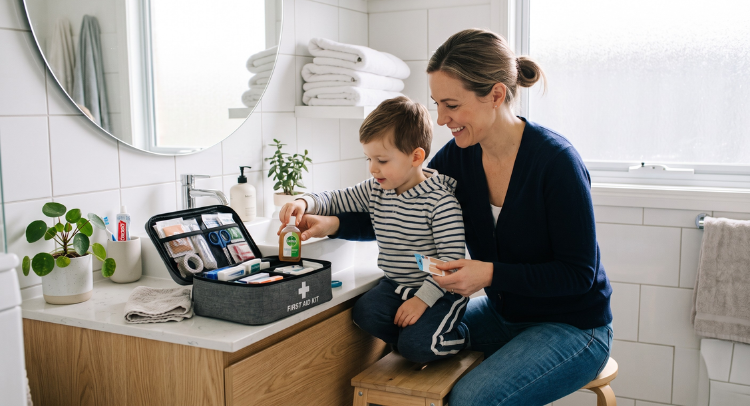
Surprisingly, even just having a basic first aid kit on hand and knowing who to call can take a lot of pressure out of navigating and responding to an emergency. This is why it’s encouraged for families to keep emergency contacts plainly in sight and accessible at all times. Keeping a list of emergency contacts on the fridge can be a simple way to find the numbers you need when you need them most.
Here are 10 emergency numbers that all households should keep on hand.
1. Local domestic services (electrical, plumbing, etc.)
Electrical faults, plumbing faults, and accidental lockouts are amongst the most common types of household emergencies, which is why these contact numbers should be front and centre in your family’s emergency contacts list.
If you have a preferred local emergency electrician, for instance, then be sure your kids and babysitters are also familiar with this number and know exactly where to find it. With this contact easily accessible, your kids will know who to call in the event of an electrical fire, power surge, or other electrical emergencies.
Pro tip: parents looking to speak with their kids on the importance of electrical and plumbing safety, check out our blog on the top reasons for tradie callouts for households with young children.
Why household safety contacts matter
For many families, the first emergency number that comes to mind is Triple Zero (000). However, not every urgent situation requires an ambulance, police or fire response.
Having trusted contacts for household emergencies can help families respond quickly to problems before they become larger safety issues.
Examples include:
- A power outage affecting essential equipment
- A broken hot water system
- A burst pipe or major leak
- A blocked drain causing flooding
- A broken window creating a safety hazard
- Being accidentally locked out of the home
For families with young children, these situations can quickly become stressful. A toddler exploring a flooded bathroom, exposed electrical wiring, or a damaged door lock can create additional risks if repairs cannot be organised quickly.
Keeping trusted local tradespeople listed alongside emergency contacts gives parents, carers and babysitters confidence that they know who to contact.
Tip
Create a separate section on your emergency contact list for urgent household services.
Include:
✔ Emergency electrician
✔ Plumber
✔ Locksmith
✔ Gas provider
✔ Electricity provider
✔ Water provider
✔ Internet provider
Remember to review these numbers if you move house or change providers.
2. Local hospital
No parent wants to be notified that their child has been sent to the hospital during a schoolday, but on the off chance that there is an emergency which results in a family member being taken to the ER, you’ll want to keep the reception number handy at home.
Thankfully, your local council will make securing these numbers easier by providing fridge magnets with public hospital contact info included. If you have private health insurance, your insurance provider may also provide similar resources for recording relevant private hospital contact information for your family’s easy reference.
Choosing the right hospital information to keep
When preparing your emergency contact list, it can be helpful to record more than just the hospital name.
Consider including:
- Hospital main reception number
- Emergency Department contact details
- Children’s Emergency Department details (if available)
- Hospital address
- Directions or parking information
- After-hours entry information
This can be particularly helpful for parents with babies and young children, as many hospitals have different entrances for Emergency Departments, outpatient clinics and specialist services.
Knowing where to go before an emergency occurs can reduce unnecessary stress when emotions are already running high.
Did You Know?
Children are not simply “small adults” when it comes to medical care. Many hospitals have dedicated paediatric emergency services designed specifically around children’s unique health needs, including child-friendly environments and specialised healthcare professionals.
Tip
Save your nearest hospital details in your phone under a clear name such as:
“Emergency Hospital – Children”
This makes it easier for another adult caring for your child to quickly locate the information.
3. 000 (Triple Zero)
They say that if you teach your kids to call any number in an emergency, it should be Triple Zero. And with countless stories of young children securing urgent medical attention for loved ones that may be incapacitated due to an accident or injury, it’s pretty clear to see the value of teaching even children aged 5 and under how to connect with national fire, police, and ambulance assistance.
Again, it’s easy enough to secure fridge magnets or posters with 000 for kids to reference, or families can even make their own as a fun craft project that also introduces your little ones to Triple Zero and the how, when, and why of using the service.
Teaching children how to call Triple Zero
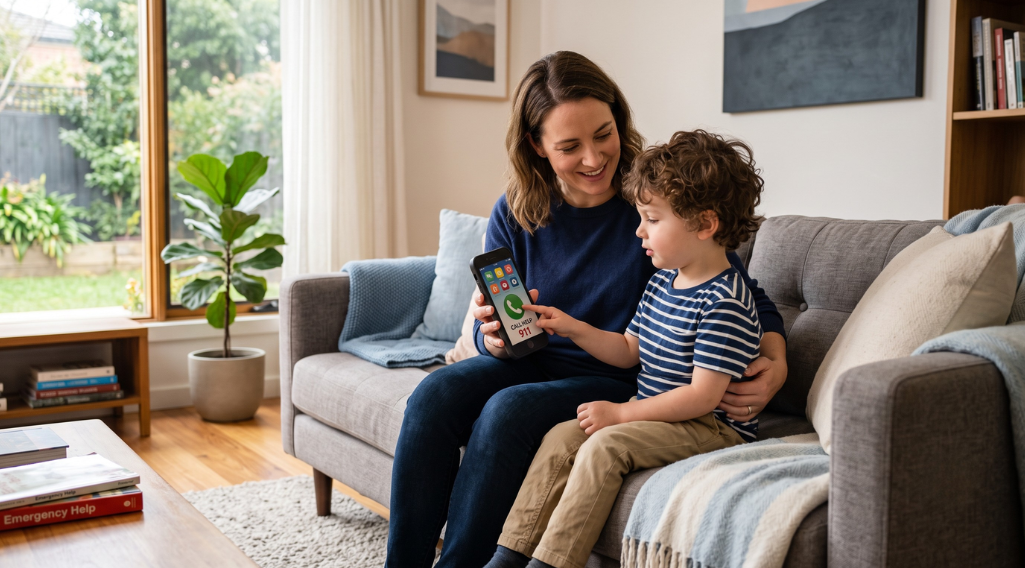
For many parents, the idea of teaching a young child to call emergency services can feel frightening. However, helping children understand what to do in an emergency is an important life skill.
Children do not need to understand every possible emergency scenario. Instead, they need simple, memorable steps.
Teach your child:
1. Know the number
Explain that 000 is the number to call when someone needs urgent help from:
- Ambulance
- Police
- Fire services
2. Know their address
One of the most important things children can learn is their:
- House number
- Street name
- Suburb
Practising this regularly helps children remember it when they need it.
3. Stay on the phone
Teach children that when they call 000, they should:
- Listen carefully
- Answer questions
- Stay on the line
- Follow instructions from the operator
4. Speak clearly
Children can practise saying:
“My name is ______.”
“I need help.”
“My address is ______.”
“Something has happened to ______.”
Tip
Turn emergency learning into a calm family activity.
You can practise with a pretend phone:
“Let’s practise what we would do if someone needed help.”
The goal is not to frighten children—it is to help them feel confident and capable.
Important: When should you call 000?
Triple Zero should be called when there is a life-threatening emergency or when urgent assistance is needed.
Examples include:
- Difficulty breathing
- Severe bleeding
- Loss of consciousness
- Suspected poisoning
- Serious burns
- A child who is not responding
- A dangerous fire
- Immediate danger to someone’s safety
If you are unsure whether a situation is serious, emergency operators can help assess what support is needed.
The Emergency+ App
Another valuable tool for Australian families is the Emergency+ app.
Developed by Australia’s emergency services and government partners, the app helps people know which emergency number to call and uses location technology to assist emergency responders.
The app can help families:
- Understand which emergency service to contact
- Provide accurate location information
- Access emergency information more easily
For families who enjoy outdoor adventures, camping, travelling or exploring new places, having the Emergency+ app installed can provide extra reassurance.
4. Family GP
It’s highly recommended that all families keep their local GP clinic contact info handy, both for parents and kids to use in emergencies, but also for babysitters and other family members to refer to (i.e. grandparents, aunts, uncles, etc.).
Ask your local GP clinic if they can provide you with a fridge magnet that lists both their front desk number to call during business hours, as well as any after hours numbers they have, if applicable.
Why every family should have their GP details easily accessible
Your family GP is often one of the first healthcare professionals parents turn to when something doesn’t feel right.
While some situations require Triple Zero (000) or an emergency department, many childhood illnesses and concerns can be supported by your GP, including:
- Persistent fevers
- Rashes
- Ear infections
- Coughs and respiratory illnesses
- Minor injuries
- Medication advice
- Childhood development concerns
- Ongoing health questions
Having your GP’s details readily available means you don’t waste valuable time searching for information when your child is unwell.
Include these details on your emergency contact list
Rather than only saving the clinic name, consider recording:
✔ GP clinic name
✔ Main phone number
✔ After-hours information
✔ Doctor’s name
✔ Address
✔ Telehealth availability
✔ Pharmacy details
This is particularly useful for:
- Babysitters
- Grandparents
- New carers
- Family friends
- Older siblings
Tip
Children often become unwell outside regular business hours, especially at night or on weekends.
Save your GP clinic details in your phone under a clear contact name such as:
“Family Doctor – Child Health”
This makes it easier for another trusted adult to locate the information quickly.
Additional Australian Health Support Contact: Healthdirect
While your GP remains an important part of your child’s healthcare team, Australian families also have access to Healthdirect Australia, a free health advice service staffed by registered nurses.
Healthdirect can provide guidance about:
- Whether symptoms require urgent medical attention
- Whether you should see a GP
- Managing common childhood illnesses
- Where to seek after-hours healthcare support
Having this number saved can provide reassurance when parents are unsure what level of care their child needs.
Healthdirect Australia:
1800 022 222
Did You Know?
Many parents experience uncertainty when their child develops symptoms, especially with babies and toddlers. Seeking professional health advice early can help parents make informed decisions rather than trying to navigate concerns alone.
5. Work emergency contacts (for all parents/guardians)
This is especially useful for babysitters and older kids who may be waiting for a parent to return home from work on a regular basis. On the off chance that you’re running late due to an emergency situation and can’t be reached on your mobile phone, your kids or other loved ones can easily find work contact information to call your workplace directly.
Be sure to list your work’s main landline number, as well as any personal contact information for your employer or direct supervisor as a failsafe.
Why workplace contacts matter in modern family life
Many parents rely on their mobile phones as their main point of contact, but there are situations where this may not be possible.
Examples include:
- A phone losing battery
- Poor reception
- A phone being damaged
- A parent being unable to answer due to an emergency
- A child needing reassurance while waiting for a parent
Having an alternative workplace contact provides another pathway for communication.
Parent Tip
If your children spend time with babysitters, grandparents or other carers, make sure they know:
- Where you work
- Your workplace name
- Who they should ask for
- How to explain who they are
For younger children, simple explanations work best:
“If you can’t reach Mum or Dad, call this number and ask for help.”
6. School emergency contacts
Just as your kids should know who to call on the off chance you’re not home from work on time, so too should you know who to call at their school in the event of an incident or other emergency on school grounds (or during an excursion).
Here, list your school’s main contact number, as well as any other relevant contact numbers (i.e. contact details for faculty like teachers, coordinators, administrators, etc.).
Don’t forget childcare contacts
For families with babies and younger children, childcare emergency contacts are just as important as school contacts.
Your emergency contact list should include:
- Childcare centre phone number
- Director or manager contact
- Room educator contact (where available)
- After-hours emergency number
- Backup authorised carers
Young children may spend a significant part of their week in childcare, so ensuring parents and carers know how to communicate quickly during an incident is essential.
What parents should confirm with schools and childcare providers
Make sure your details are updated whenever there is a change to:
- Mobile numbers
- Home address
- Emergency contacts
- Authorised collection people
- Medical information
- Allergies
- Medication requirements
Keeping these records current helps educators act quickly if something unexpected occurs.
Tip
At the beginning of every school year or childcare transition, take a few minutes to update:
✔ Your emergency contacts
✔ Your child’s medical information
✔ Your preferred collection arrangements
✔ Your workplace details
Small updates can make a big difference during urgent situations.
Additional Emergency Contact: Poisons Information Centre
For families with young children, one of the most important numbers to keep available is the Poisons Information Centre.
Young children are naturally curious. Exploring cupboards, handbags, bathrooms and gardens is part of early development, but it can sometimes lead to accidental exposure to harmful substances.
The Poisons Information Centre provides immediate advice if a child has swallowed, inhaled, or come into contact with a potentially harmful substance.
Examples include:
- Cleaning products
- Medicines
- Cosmetics
- Garden chemicals
- Batteries
- Alcohol products
- Household items
Poisons Information Centre:
13 11 26
What you should do if poisoning occurs
If you suspect poisoning:
- Stay calm
- Remove your child from danger if safe to do so
- Do not make your child vomit unless advised
- Keep the product container nearby
- Call for professional advice
Having the number saved before it is needed can prevent frantic searching during a stressful moment.
Did You Know?
Many accidental poisonings involving children occur in the home and can happen within seconds. Keeping medicines and chemicals locked away and having the Poisons Information Centre number accessible are simple steps that support safer homes.

7. Animal control services
Even in the safest neighbourhoods, it can still be possible to run into an animal that’s unsupervised and off-lead, whether it be an injured cat that’s climbed into your backyard, or a dog that’s running frantically on your street. In these situations, it’s in the best interests of your family to contact your local animal control services promptly to ensure professional handlers arrive to responsibly rectify the issue.
Having the number for your local animal control and pound services is also highly recommended for families with pets. If your family pet goes missing and is picked up by animal control and taken to your local pound, you may be called by handlers if your pet is microchipped. However, on the off chance that your pet’s microchip information is not up-to-date, then there’s a chance your contact details may not be available to pound staff, in which case you’ll need to know who to call to reclaim your lost pet.
Why animal safety matters in families with young children
For many children, animals are a much-loved part of family life. Pets provide companionship, emotional connection and opportunities for children to learn responsibility and empathy.
However, young children and animals should always be supervised together, even with familiar family pets.
Children may not yet understand:
- When an animal needs space
- How to approach an unfamiliar animal
- How to recognise warning signs
- Why a frightened animal may react unexpectedly
Having access to animal control services can help families respond appropriately when they encounter:
- Stray animals
- Injured wildlife
- Aggressive or distressed animals
- Lost pets
- Unsafe situations involving animals
Tip
Make sure your pet’s information is always current.
Regularly check:
✔ Microchip details
✔ Registration information
✔ Emergency contact details
✔ Veterinary records
A lost pet can be an incredibly stressful experience for children and families, and keeping details updated increases the chance of a quick reunion.
Additional Pet Emergency Contact: Your Family Veterinarian
For households with pets, your local veterinarian should also be included on your emergency contact list.
Children often form strong emotional bonds with animals, and unexpected pet emergencies can be upsetting for the whole family.
Keep your veterinarian’s details available for situations such as:
- Accidental ingestion of harmful substances
- Injuries
- Allergic reactions
- Sudden illness
- Concerns about your pet’s behaviour or wellbeing
Consider also recording:
- After-hours veterinary clinic details
- Emergency animal hospital details
- Pet insurance information (if applicable)
8. Council emergency contacts
Alongside animal control services, families are also encouraged to keep track of other relevant council-managed emergency contacts, these being council rubbish and tip services, council billing services, and your local police station.
Again, your local council representatives should be able to provide you with fridge magnets listing these council emergency contact numbers, so be sure to inquire at your council offices if you’re yet to receive a resource like this in the post.
Why council contacts can be important during emergencies
Many families don’t think about council contacts until they need them.
However, local councils provide essential services that support household safety and community wellbeing.
Useful numbers may include:
- Local council customer service
- Waste and rubbish services
- Storm damage reporting
- Fallen trees
- Local hazards
- Community safety information
- Animal management services
During severe weather events such as storms, floods or heatwaves, council services often provide important community updates and assistance.
Tip
Save your local council number under:
“Council Emergency Services”
This makes it easier to find if you need to report a local issue quickly.
9. Grandparents and other family contacts
Whilst these numbers may be saved into your phone, it’s still wise to have hard-copy references on-hand just in case you need them (i.e. if your mobile phone dies, for instance, and you’ll need to contact these family members from a nearby payphone).
Why a family support network matters
For many Australian families, grandparents, relatives and trusted family friends play an important role in everyday childcare and emergency support.
They may be the people who:
- Collect children unexpectedly
- Provide temporary care
- Comfort children during stressful situations
- Help parents during illness or emergencies
- Assist when normal routines change
Including them in your emergency contact plan ensures your support network is clear and accessible.
Create a family emergency contact circle
Consider identifying:
Primary emergency contacts
People who can respond immediately.
Examples:
- Partner
- Grandparent
- Trusted relative
- Close friend
Secondary emergency contacts
People who may help if your first contacts are unavailable.
Examples:
- Extended family
- Neighbours
- Community contacts
Tip
Ask your emergency contacts for permission before adding them to your list.
It is also helpful to confirm:
✔ They are comfortable being contacted
✔ They know your child’s needs
✔ They know where important information is kept
✔ They know who else may be contacted
10. Trusted neighbours
Finally, if grandparents and other family contacts may be located further away and a trusted, responsible adult is needed to take lead immediately in an emergency, then you can always rely on your neighbours. Be sure to secure consent from these neighbour contacts before you list their numbers on your household emergency contacts list.
The value of trusted neighbours
A trusted neighbour can provide immediate support when family members are not nearby.
They may be able to:
- Check on your home during an emergency
- Assist if a child needs another adult present
- Help during power outages or storms
- Contact emergency services if required
- Provide reassurance while waiting for help
For families with young children, having a familiar adult nearby can provide an extra layer of safety and support.
Choosing a trusted neighbour
A suitable emergency neighbour may be someone who:
- You know well
- You trust around your children
- Lives nearby
- Understands your household needs
- Is comfortable being contacted
Remember, emergency contacts are based on trust—not simply proximity.
Tip
Consider introducing your child to trusted emergency contacts.
Children are more likely to approach a familiar adult if they have met them before and understand that this person is someone their family trusts.
Creating Your Family Emergency Plan
Having emergency numbers available is one important part of preparedness, but families can take additional steps to feel more confident during unexpected situations.
A simple family emergency plan may include:
Important information
Keep a record of:
✔ Child medical information
✔ Allergies
✔ Medications
✔ Emergency contacts
✔ Doctor details
✔ Insurance information
Emergency meeting points
Choose a safe place where family members know to meet if they cannot return inside the home.
Examples:
- Front letterbox
- Neighbour’s house
- A nearby safe location
Emergency supplies
Families may consider keeping:
- First aid kit
- Torches
- Batteries
- Bottled water
- Essential medications
- Copies of important documents
Practise, don’t panic
The purpose of emergency planning is not to frighten children.
Instead, simple conversations and practice help children understand what to do and who can help them.

First Aid and CPR: A Lifesaving Skill for Parents
While emergency contacts are essential, knowing basic first aid and CPR can provide parents with confidence while waiting for professional help.
Parents and carers may consider learning:
- Infant CPR
- Child CPR
- Choking response
- Basic first aid
- Burns treatment
- Bleeding management
Organisations such as St John Ambulance Australia, Australian Red Cross and other accredited providers offer first aid courses designed for families, parents and carers.
Seasonal Emergency Preparedness for Australian Families
Emergencies can look different depending on where you live, the season, and your family’s lifestyle.
For Australian families, being prepared also means thinking ahead about common seasonal risks, including:
- Extreme heat
- Bushfires
- Flooding
- Severe storms
- Power outages
- Drought conditions
- Unsafe water conditions
While no family can predict exactly when an emergency may happen, preparing for common situations in your local area can help everyone respond more calmly.
Preparing for extreme heat
Young children, babies and older adults can be more vulnerable during periods of extreme heat because their bodies regulate temperature differently.
Families can prepare by:
- Keeping children hydrated
- Ensuring babies and toddlers are never left in hot environments
- Checking indoor temperatures
- Planning outdoor activities during cooler parts of the day
- Having emergency contact details accessible if concerns arise
Preparing for storms and power outages
Severe weather can affect electricity, communication services and access to essential supplies.
Families may find it helpful to keep:
✔ Torches
✔ Spare batteries
✔ Portable chargers
✔ Bottled water
✔ Essential medications
✔ Emergency contacts
Having these items organised before a storm arrives can make an unexpected situation feel much more manageable.
Preparing for bushfires and local emergencies
For families living in areas at risk of bushfires, emergency planning is particularly important.
Parents should consider:
- Knowing local emergency warning systems
- Understanding evacuation routes
- Having important documents accessible
- Keeping emergency contacts updated
- Discussing family safety plans
Children do not need frightening details, but age-appropriate conversations can help them understand that adults have plans to keep them safe.
Keep Emergency Information Digitally Backed Up
While a printed emergency contact sheet is essential, having a secure digital backup provides another layer of protection.
Consider storing emergency information:
- In a secure cloud folder
- In a shared family document
- On multiple trusted adults’ phones
- In your phone’s emergency information settings
This can be particularly useful if:
- You are away from home
- Your printed copy is unavailable
- Another caregiver needs access to important information
Add Emergency Information to Your Mobile Phone
Many smartphones allow users to create an Emergency Medical ID or emergency information profile.
This may include:
- Name
- Emergency contacts
- Medical conditions
- Allergies
- Important health information
This information can help emergency responders access critical details when needed.
Tip
Do not rely only on your phone.
The best emergency preparation combines:
✔ A printed copy
✔ A digital backup
✔ A phone contact list
✔ Family members who know the plan
Your Family Emergency Contact Checklist
Use this checklist to create your own household emergency contact plan.
Emergency Services
☐ Triple Zero (000)
☐ Emergency+ app installed
☐ Local police station
☐ Local fire service information
Medical Contacts
☐ Family GP
☐ After-hours medical service
☐ Healthdirect Australia – 1800 022 222
☐ Poison Information Centre – 13 11 26
☐ Local hospital
☐ Preferred children’s hospital
☐ Emergency dentist
☐ Local pharmacy
Childcare and Education Contacts
☐ Childcare centre
☐ School office
☐ Teachers
☐ School administration
☐ Emergency authorised contacts
Family and Support Network
☐ Parent/guardian contacts
☐ Grandparents
☐ Trusted relatives
☐ Trusted neighbours
☐ Babysitters
☐ Backup carers
Household Services
☐ Electricity provider
☐ Gas provider
☐ Water provider
☐ Emergency plumber
☐ Emergency electrician
☐ Locksmith
☐ Internet provider
Pet Contacts
☐ Family veterinarian
☐ Emergency veterinary clinic
☐ Animal control services
☐ Pet registration details
☐ Microchip details
Frequently Asked Questions About Emergency Contacts for Families
What emergency numbers should every Australian family know?
Every Australian household should know Triple Zero (000) for life-threatening emergencies.
Families with young children should also keep important health contacts available, including their family GP, Healthdirect Australia, and the Poisons Information Centre.
At what age should children learn to call Triple Zero?
There is no exact age because every child develops differently.
Many children can begin learning the basics during the preschool years with simple explanations and practice.
The focus should be on helping children understand:
- When to ask for help
- Who Triple Zero connects them with
- Their home address
- How to stay calm and answer questions
Should emergency contacts only be saved in my phone?
No.
While phones are convenient, emergencies can happen when:
- Your phone battery is flat
- Your phone is unavailable
- Someone else needs to help your child
A printed emergency contact list provides a reliable backup.
Where is the best place to keep emergency contacts?
Many families choose places that are easy to see and access, such as:
- The refrigerator
- Inside a kitchen cupboard
- Near the home first aid kit
The key is choosing somewhere every adult in the household knows.
How often should emergency contact information be updated?
Families should review their emergency contacts regularly.
Good times to check include:
- The beginning of each school year
- After moving house
- After changing jobs
- After changing doctors
- After changes to childcare arrangements
- Every six months as part of a household safety check
Key Takeaways: Creating a Safer Home Starts With Preparation
Emergencies are never something parents want to imagine, but preparation can help families feel more confident when unexpected situations occur.
The most important steps include:
✔ Keep emergency numbers visible and accessible
✔ Teach children how and when to call Triple Zero
✔ Save important health contacts
✔ Keep printed and digital copies of emergency information
✔ Update contacts regularly
✔ Make sure babysitters and carers know where information is kept
✔ Learn basic first aid and CPR
✔ Create a family emergency plan
The goal of emergency preparation is not to create fear—it is to create confidence.
Because when something unexpected happens, having the right information at the right time can help parents focus on what matters most: keeping their children safe.
Keep these numbers handy to safeguard your family
How many of these numbers do you have on your household emergency contact list? If there are any we’ve outlined today that are still missing on yours, consider adding them in to make sure your emergency contact list is thorough and accounts for all emergency situations.
Be sure to also review your list regularly (i.e. quarterly, biannually, or as needed) to ensure all the recorded contact details stay current and up-to-date.
References (APA 7th Edition)
Australian Government Department of Health and Aged Care. (2024). Child safety and injury prevention resources.
Australian Red Cross. (2024). First aid and emergency preparedness resources.
Healthdirect Australia. (2024). Health advice and information services.
Kidsafe Australia. (2024). Child injury prevention resources.
Royal Children’s Hospital Melbourne. (2024). Kids Health Information.
St John Ambulance Australia. (2024). First aid training and emergency response resources.