

Ever feel like your family’s healthy habits disappear the moment life gets busy? ❤️
You start with the best intentions… then school runs, work, activities, sickness and those exhausting evenings get in the way.
The good news? It may not be a lack of willpower.
New Australian research reveals just how common it is for health and wellbeing changes to fall by the wayside, while habit expert Dr Gina Cleo explains why small, realistic changes may be far more effective than an all-or-nothing approach.
From recognising the cues behind automatic sugar habits to making healthier choices easier to repeat, discover 5 simple ways to help healthy family habits actually stick.
Because healthy living doesn’t have to mean being perfect every day. 💛

The clocks go forward. Bedtime suddenly becomes a battle. 😴☀️
If your child is suddenly taking forever to settle, waking earlier than usual or becoming overtired and cranky, daylight saving could be playing a bigger role than you realise.
With the clocks moving forward on Sunday 4 October, that lost hour can disrupt more than your schedule. It can affect your child’s body clock, sleep routine, mood and ability to settle — especially when it’s still light outside at bedtime.
So how do you help your little one adjust without turning every evening into a battle?
From sleep debt and circadian rhythms to sunlight, bedtime routines and practical strategies that actually help, discover what the science says and how to make the daylight saving transition easier for the whole family. 🌙💛
Because when the kids sleep better, everyone feels the difference.

“Mum, will it hurt?” ❤️
When your child needs an X-ray or ultrasound, it’s completely natural to have questions — especially when you’re not sure what the appointment will involve.
Will they need to fast? Can you stay beside them? What happens during the scan? Will they need to keep still? And when will you find out what the images show?
Knowing what to expect can help you feel calmer — and your child feel safer.
Our guide takes you through everything parents need to know about children’s X-rays and ultrasounds, from preparing for the appointment to helping your child stay calm and understanding what happens afterwards.
Because when you know what’s coming, you can walk through the experience together with greater confidence. 💕
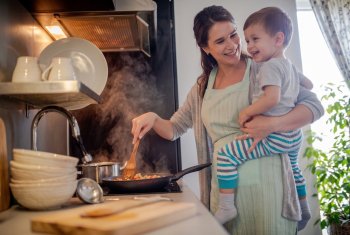
Your shoulders ache. Your hands feel stiff. Your neck is constantly telling you it’s had enough. 😩
But is it really “just getting older”?
Between carrying kids, feeding babies, lifting grocery bags, sewing, knitting, gardening and all the tiny repetitive jobs of parenting, your body can spend hours every day in the same strained positions — often without you even noticing.
And the frustrating part? You might be resting, stretching and hoping it goes away… while continuing to do the exact things that caused it.
From simple changes to your craft and parenting setup to tiny movements you can fit into your already-busy day, there are practical ways to give your hands, neck and shoulders a little more care.
Because looking after everyone else shouldn’t mean ignoring the body that’s doing all the work. ❤️

Your child is growing up. They want more freedom. You want the reassurance of knowing they can reach you. ❤️
But does their first phone really need to come with 𝐓𝐢𝐤𝐓𝐨𝐤, 𝐘𝐨𝐮𝐓𝐮𝐛𝐞, 𝐬𝐨𝐜𝐢𝐚𝐥 𝐦𝐞𝐝𝐢𝐚, 𝐚 𝐜𝐚𝐦𝐞𝐫𝐚, 𝐚𝐩𝐩𝐬 𝐚𝐧𝐝 𝐚𝐧 𝐞𝐧𝐭𝐢𝐫𝐞 𝐨𝐧𝐥𝐢𝐧𝐞 𝐰𝐨𝐫𝐥𝐝?
Maybe not.
A growing number of Australian parents are discovering there’s a middle ground: 𝐚 𝐩𝐡𝐨𝐧𝐞 𝐭𝐡𝐚𝐭 𝐜𝐨𝐧𝐧𝐞𝐜𝐭𝐬 𝐜𝐡𝐢𝐥𝐝𝐫𝐞𝐧 𝐰𝐢𝐭𝐡𝐨𝐮𝐭 𝐭𝐮𝐫𝐧𝐢𝐧𝐠 𝐢𝐧𝐭𝐨 𝐚𝐧𝐨𝐭𝐡𝐞𝐫 𝐬𝐜𝐫𝐞𝐞𝐧.
📞 Call Mum or Dad.
❤️ Check in with grandparents.
📍 Help parents know they’ve arrived safely.
🚫 No endless scrolling. No social media. No apps competing for their attention.
A 𝐬𝐜𝐫𝐞𝐞𝐧-𝐟𝐫𝐞𝐞 𝐩𝐡𝐨𝐧𝐞 could be a simple way to give children a little more independence — without giving them more technology than they’re ready for.
But is it right for your child? And what should parents consider before making the switch?
𝐖𝐞 𝐭𝐚𝐤𝐞 𝐚 𝐜𝐥𝐨𝐬𝐞𝐫 𝐥𝐨𝐨𝐤 𝐚𝐭 𝐭𝐡𝐞 𝐫𝐞𝐬𝐞𝐚𝐫𝐜𝐡, 𝐬𝐚𝐟𝐞𝐭𝐲 𝐜𝐨𝐧𝐬𝐢𝐝𝐞𝐫𝐚𝐭𝐢𝐨𝐧𝐬 𝐚𝐧𝐝 𝐭𝐡𝐞 𝐪𝐮𝐞𝐬𝐭𝐢𝐨𝐧𝐬 𝐰𝐨𝐫𝐭𝐡 𝐚𝐬𝐤𝐢𝐧𝐠 𝐛𝐞𝐟𝐨𝐫𝐞 𝐜𝐡𝐨𝐨𝐬𝐢𝐧𝐠 𝐲𝐨𝐮𝐫 𝐜𝐡𝐢𝐥𝐝’𝐬 𝐟𝐢𝐫𝐬𝐭 𝐩𝐡𝐨𝐧𝐞.
Because their first step towards independence doesn’t have to be a giant leap into the digital world.
👉 👉 Is your child ready for a phone — but not a smartphone? Discover what parents need to know.
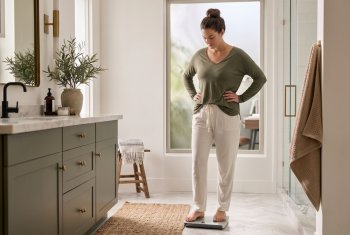
💉 𝗬𝗼𝘂’𝘃𝗲 𝗹𝗼𝘀𝘁 𝘁𝗵𝗲 𝘄𝗲𝗶𝗴𝗵𝘁. 𝗬𝗼𝘂 𝗳𝗶𝗻𝗮𝗹𝗹𝘆 𝗳𝗲𝗲𝗹 𝗹𝗶𝗸𝗲 𝘆𝗼𝘂’𝗿𝗲 𝘄𝗶𝗻𝗻𝗶𝗻𝗴. 𝗧𝗵𝗲𝗻 𝘁𝗵𝗲 𝗶𝗻𝗷𝗲𝗰𝘁𝗶𝗼𝗻𝘀 𝘀𝘁𝗼𝗽…
What happens next?
For many people, the biggest fear isn’t losing the weight.
𝗜𝘁’𝘀 𝗽𝘂𝘁𝘁𝗶𝗻𝗴 𝗶𝘁 𝗯𝗮𝗰𝗸 𝗼𝗻.
And when appetite returns, the scales can start moving in the opposite direction.
But there’s another side to the story that deserves far more attention.
𝗔𝗿𝗲 𝘆𝗼𝘂 𝗹𝗼𝘀𝗶𝗻𝗴 𝗺𝘂𝘀𝗰𝗹𝗲 𝗮𝘀 𝘄𝗲𝗹𝗹 𝗮𝘀 𝗳𝗮𝘁?
𝗪𝗵𝗮𝘁 𝗶𝘀 𝗵𝗮𝗽𝗽𝗲𝗻𝗶𝗻𝗴 𝘁𝗼 𝘆𝗼𝘂𝗿 𝗯𝗼𝗻𝗲𝘀?
𝗛𝗮𝘃𝗲 𝘆𝗼𝘂 𝗮𝗰𝘁𝘂𝗮𝗹𝗹𝘆 𝗰𝗵𝗮𝗻𝗴𝗲𝗱 𝘆𝗼𝘂𝗿 𝗿𝗲𝗹𝗮𝘁𝗶𝗼𝗻𝘀𝗵𝗶𝗽 𝘄𝗶𝘁𝗵 𝗳𝗼𝗼𝗱?
𝗪𝗵𝗮𝘁 𝗵𝗮𝗽𝗽𝗲𝗻𝘀 𝗶𝗳 𝗲𝗺𝗼𝘁𝗶𝗼𝗻𝗮𝗹 𝗲𝗮𝘁𝗶𝗻𝗴 𝗿𝗲𝘁𝘂𝗿𝗻𝘀?
𝗔𝗻𝗱 𝗳𝗼𝗿 𝘄𝗼𝗺𝗲𝗻 𝗶𝗻 𝗺𝗶𝗱𝗹𝗶𝗳𝗲, 𝘄𝗵𝗮𝘁 𝗿𝗼𝗹𝗲 𝗮𝗿𝗲 𝗺𝗲𝗻𝗼𝗽𝗮𝘂𝘀𝗲 𝗮𝗻𝗱 𝗰𝗵𝗮𝗻𝗴𝗶𝗻𝗴 𝗵𝗼𝗿𝗺𝗼𝗻𝗲𝘀 𝗽𝗹𝗮𝘆𝗶𝗻𝗴?
With weight-loss injections becoming an increasingly visible part of the conversation around health and body size, these are questions worth asking 𝗯𝗲𝗳𝗼𝗿𝗲, 𝗱𝘂𝗿𝗶𝗻𝗴 𝗮𝗻𝗱 𝗮𝗳𝘁𝗲𝗿 𝘁𝗿𝗲𝗮𝘁𝗺𝗲𝗻𝘁.
Because perhaps the real measure of successful weight loss isn’t simply 𝗵𝗼𝘄 𝘀𝗺𝗮𝗹𝗹 𝘆𝗼𝘂 𝗰𝗮𝗻 𝗯𝗲𝗰𝗼𝗺𝗲.
❤️ 𝗜𝘁’𝘀 𝘄𝗵𝗮𝘁 𝗵𝗮𝗽𝗽𝗲𝗻𝘀 𝘁𝗼 𝘆𝗼𝘂𝗿 𝗵𝗲𝗮𝗹𝘁𝗵 𝘄𝗵𝗲𝗻 𝘁𝗵𝗲 𝘀𝗰𝗮𝗹𝗲𝘀 𝘀𝘁𝗼𝗽 𝗺𝗼𝘃𝗶𝗻𝗴.
Our latest article looks at the science behind weight regain after stopping weight-loss injections, what Australian health authorities are saying, the latest safety information — and the question that may matter most:
𝗪𝗵𝗮𝘁 𝗮𝗿𝗲 𝘆𝗼𝘂 𝗹𝗲𝗮𝗿𝗻𝗶𝗻𝗴 𝘄𝗵𝗶𝗹𝗲 𝘆𝗼𝘂’𝗿𝗲 𝗹𝗼𝘀𝗶𝗻𝗴?
👉 𝗥𝗲𝗮𝗱 𝘁𝗵𝗲 𝗳𝘂𝗹𝗹 𝘀𝘁𝗼𝗿𝘆 and 𝘁𝗵𝗲 𝗾𝘂𝗲𝘀𝘁𝗶𝗼𝗻𝘀 𝘆𝗼𝘂 𝗻𝗲𝗲𝗱 𝘁𝗼 𝗮𝘀𝗸 𝗯𝗲𝗳𝗼𝗿𝗲, 𝗱𝘂𝗿𝗶𝗻𝗴 𝗮𝗻𝗱 𝗮𝗳𝘁𝗲𝗿 𝘄𝗲𝗶𝗴𝗵𝘁-𝗹𝗼𝘀𝘀 𝗺𝗲𝗱𝗶𝗰𝗮𝘁𝗶𝗼𝗻.

☀️🕶️ 𝗗𝗼𝗲𝘀 𝘆𝗼𝘂𝗿 𝘁𝗼𝗱𝗱𝗹𝗲𝗿 𝗿𝗲𝗮𝗹𝗹𝘆 𝗻𝗲𝗲𝗱 𝘀𝘂𝗻𝗴𝗹𝗮𝘀𝘀𝗲𝘀? 𝗔𝗻𝗱 𝘄𝗵𝗲𝗻 𝘀𝗵𝗼𝘂𝗹𝗱 𝘁𝗵𝗲𝘆 𝘀𝘁𝗮𝗿𝘁 𝘄𝗲𝗮𝗿𝗶𝗻𝗴 𝘁𝗵𝗲𝗺?
Those little eyes are still developing — and in Australia, 𝗨𝗩 𝗲𝘅𝗽𝗼𝘀𝘂𝗿𝗲 𝗰𝗮𝗻 𝗯𝗲 𝘀𝘂𝗿𝗽𝗿𝗶𝘀𝗶𝗻𝗴𝗹𝘆 𝗵𝗶𝗴𝗵, even when the day doesn’t feel hot or particularly sunny.
So, when should toddlers actually start wearing sunglasses? And 𝗵𝗼𝘄 𝗱𝗼 𝘆𝗼𝘂 𝗸𝗻𝗼𝘄 𝗶𝗳 𝘁𝗵𝗲 𝗽𝗮𝗶𝗿 𝘆𝗼𝘂’𝗿𝗲 𝗯𝘂𝘆𝗶𝗻𝗴 𝗶𝘀 𝗿𝗲𝗮𝗹𝗹𝘆 𝗽𝗿𝗼𝘁𝗲𝗰𝘁𝗶𝗻𝗴 𝘁𝗵𝗲𝗶𝗿 𝗲𝘆𝗲𝘀 𝗳𝗿𝗼𝗺 𝗨𝗩?
𝗛𝗼𝘄 𝗱𝗼 𝘄𝗲 𝗸𝗻𝗼𝘄 𝘄𝗵𝗶𝗰𝗵 𝗹𝗲𝗻𝘀 𝘁𝗼 𝗽𝗶𝗰𝗸? What about the fit? Which level of UV protection? Polarised lenses? And are they made to Australian Standards?
And what if your toddler refuses to wear them?
We’ve unpacked what Australian parents need to know about 𝗽𝗿𝗼𝘁𝗲𝗰𝘁𝗶𝗻𝗴 𝗹𝗶𝘁𝘁𝗹𝗲 𝗲𝘆𝗲𝘀 𝗳𝗿𝗼𝗺 𝗨𝗩 — from the beach and backyard to childcare and everyday outdoor play.
This guide will help you understand it all — from 𝗵𝗼𝘄 𝘁𝗼 𝗰𝗵𝗼𝗼𝘀𝗲 𝘁𝗵𝗲 𝗿𝗶𝗴𝗵𝘁 𝗨𝗩 𝗽𝗿𝗼𝘁𝗲𝗰𝘁𝗶𝗼𝗻 𝗹𝗲𝘃𝗲𝗹 𝗮𝗻𝗱 𝘄𝗵𝗮𝘁 𝘁𝗼 𝗹𝗼𝗼𝗸 𝗳𝗼𝗿 𝗶𝗻 𝘁𝗵𝗲 𝗔𝘂𝘀𝘁𝗿𝗮𝗹𝗶𝗮𝗻 𝗦𝘁𝗮𝗻𝗱𝗮𝗿𝗱, to lens categories, polarisation, wraparound frames and getting a determined toddler to actually KEEP their sunglasses on.
Because, as we can appreciate, 𝘁𝗵𝗲𝗿𝗲’𝘀 𝗺𝗼𝗿𝗲 𝘁𝗼 𝗰𝗵𝗼𝗼𝘀𝗶𝗻𝗴 𝗸𝗶𝗱𝘀’ 𝘀𝘂𝗻𝗴𝗹𝗮𝘀𝘀𝗲𝘀 𝘁𝗵𝗮𝗻 𝗺𝗲𝗲𝘁𝘀 𝘁𝗵𝗲 𝗲𝘆𝗲. 👀
👉 𝗕𝗲𝗳𝗼𝗿𝗲 𝘆𝗼𝘂 𝗯𝘂𝘆 𝘁𝗵𝗲 𝗻𝗲𝘅𝘁 𝗽𝗮𝗶𝗿, 𝗿𝗲𝗮𝗱 𝘁𝗵𝗶𝘀. 🕶️

🟢 𝗪𝗵𝗮𝘁 𝗶𝗳 𝘁𝗵𝗲 𝘁𝗿𝗮𝗺𝗽𝗼𝗹𝗶𝗻𝗲 𝗶𝗻 𝘆𝗼𝘂𝗿 𝗯𝗮𝗰𝗸𝘆𝗮𝗿𝗱 𝗶𝘀 𝗱𝗼𝗶𝗻𝗴 𝗺𝗼𝗿𝗲 𝘁𝗵𝗮𝗻 𝘀𝗶𝗺𝗽𝗹𝘆 𝗵𝗲𝗹𝗽𝗶𝗻𝗴 𝘆𝗼𝘂𝗿 𝗸𝗶𝗱𝘀 𝗯𝘂𝗿𝗻 𝗼𝗳𝗳 𝗲𝗻𝗲𝗿𝗴𝘆?
To your child, it’s just jumping, laughing and asking for “five more minutes.” But underneath every bounce, their 𝗯𝗿𝗮𝗶𝗻 𝗮𝗻𝗱 𝗯𝗼𝗱𝘆 𝗮𝗿𝗲 𝘄𝗼𝗿𝗸𝗶𝗻𝗴 𝘁𝗼𝗴𝗲𝘁𝗵𝗲𝗿 — adjusting balance, coordinating movement, sensing where their body is in space and learning how to control each landing.
From 𝗯𝗮𝗹𝗮𝗻𝗰𝗲 𝗮𝗻𝗱 𝗰𝗼𝗼𝗿𝗱𝗶𝗻𝗮𝘁𝗶𝗼𝗻 to 𝗽𝗵𝘆𝘀𝗶𝗰𝗮𝗹 𝗹𝗶𝘁𝗲𝗿𝗮𝗰𝘆, movement confidence and daily activity, there is more happening on that trampoline than many parents realise.
But there’s another side to the story too: 𝘁𝗿𝗮𝗺𝗽𝗼𝗹𝗶𝗻𝗶𝗻𝗴 𝗰𝗼𝗺𝗲𝘀 𝘄𝗶𝘁𝗵 𝗿𝗲𝗮𝗹 𝗶𝗻𝗷𝘂𝗿𝘆 𝗿𝗶𝘀𝗸𝘀, and knowing what the research says about safe use matters just as much as understanding the developmental benefits.
So, is a trampoline a worthwhile addition to the backyard? And what does the Australian evidence actually tell us?
👉 𝗪𝗲 𝘁𝗮𝗸𝗲 𝗮 𝗰𝗹𝗼𝘀𝗲𝗿 𝗹𝗼𝗼𝗸 𝗮𝘁 𝘁𝗵𝗲 𝘀𝗰𝗶𝗲𝗻𝗰𝗲 𝗯𝗲𝗵𝗶𝗻𝗱 𝘁𝗵𝗲 𝗯𝗼𝘂𝗻𝗰𝗲 — 𝗮𝗻𝗱 𝘁𝗵𝗲 𝘀𝗮𝗳𝗲𝘁𝘆 𝗮𝗱𝘃𝗶𝗰𝗲 𝗲𝘃𝗲𝗿𝘆 𝗽𝗮𝗿𝗲𝗻𝘁 𝘀𝗵𝗼𝘂𝗹𝗱 𝗸𝗻𝗼𝘄.

When the weather turns extreme, your home can suddenly feel very different. 🌡️🏠
A bedroom that’s usually comfortable can become unbearably hot. Your toddler may refuse to drink. Your baby may struggle to settle. Then there’s the power outage, the storm, the smoke… and suddenly you’re trying to work out what to do next.
But what if your home isn’t coping with the weather?
From creating a cooler space and knowing when to move rooms, to preparing for power outages, bushfire smoke, cold snaps and those hot nights that just won’t let up, there are simple things parents can do before extreme weather arrives.
Because you don’t need a perfect home or a perfect emergency plan.
You just need to know what to do next when the weather doesn’t go to plan.❤️
👉 Read the full guide and prepare your home — and your family — for whatever the weather brings.

💛 Parenting isn’t one-size-fits-all! From “tough love” to gentle guidance, Australian families are discovering how different approaches shape resilient, confident, and emotionally intelligent kids. 🌏 Explore the diverse parenting styles influencing childhood today, and learn practical tips to balance empathy with boundaries. Every small change creates stronger bonds, happier kids, and calmer families. ✨
Read more here 👉
Get parenting advice and support delivered right to your inbox
We'd love to hear what you think of the website, so we can continue to improve it . . . GIVE YOUR FEEDBACK >