
Kiddipedia
We all want our kids to be happy. Safe. Successful.
But if we’re honest, there’s a deeper question sitting underneath all of that:
Will they be ready for the real world without us?
Not just academically. Not just socially.
But practically, emotionally, and mentally ready to navigate life.
Because here’s what many of us are starting to realise…
Somewhere along the way, parenting shifted from preparing children for life → to protecting them from it.
And while that comes from love, the research is clear:
Children build confidence, resilience, and capability not through ease — but through experience, responsibility, and challenge [1][2][3].
This is the shift.
This is how we raise world-ready kids who can solve problems independently, guide themselves and others, adapt to change, and succeed in any environment.
Here are practical, age-by-age steps you can start today that make a real difference.
🧠 The Science Behind Raising Capable Kids
Modern child development research consistently points to three critical drivers of long-term success:
- Autonomy (a sense of control and independence)
- Competence (feeling capable and effective)
- Resilience (the ability to adapt and recover)
This aligns with self-determination theory, widely supported in child development research, and echoed by Australian organisations like the Australian Institute of Family Studies [1].
Children who are given opportunities to develop independence and problem-solving skills are more likely to demonstrate:
- Higher emotional regulation
- Stronger decision-making abilities
- Increased confidence in unfamiliar situations
Similarly, the Raising Children Network highlights that everyday life skills—like helping at home, making choices, and trying new things—are directly linked to a child’s cognitive and social development [2].
And perhaps most importantly:
Struggle is not failure. It is how the brain learns [3][4].
When children work through challenges, they strengthen executive functioning skills, planning, memory, attention, and self-control, which are critical for lifelong success [3].
To explain this further, teaching them skills like planning, focusing, and managing tasks are the building blocks for school success, handling friendships, and making decisions when things get stressful. In other words, when kids face challenges that aren’t too overwhelming, and they experience manageable challenges are literally wiring their brains to they are actually training their brains to cope, adapt, and thrive [4].
🔄 The Parenting Shift: From Helping → To Preparing
This is the part many of us feel, but don’t always say out loud.
It’s hard not to step in.
It’s hard not to fix things quickly.
It’s hard to watch them struggle when we know we could make it easier.
But research from the Murdoch Children’s Research Institute shows that over-assisting children can reduce opportunities for skill development and confidence building [4].
In other words:
The more we do for them, the less they learn they can do for themselves.
The trick is not in abandoning children, but in creating scaffolded independence. That means providing guidance and support, but letting them experience the problem, try solutions, and discover their own strengths [4].
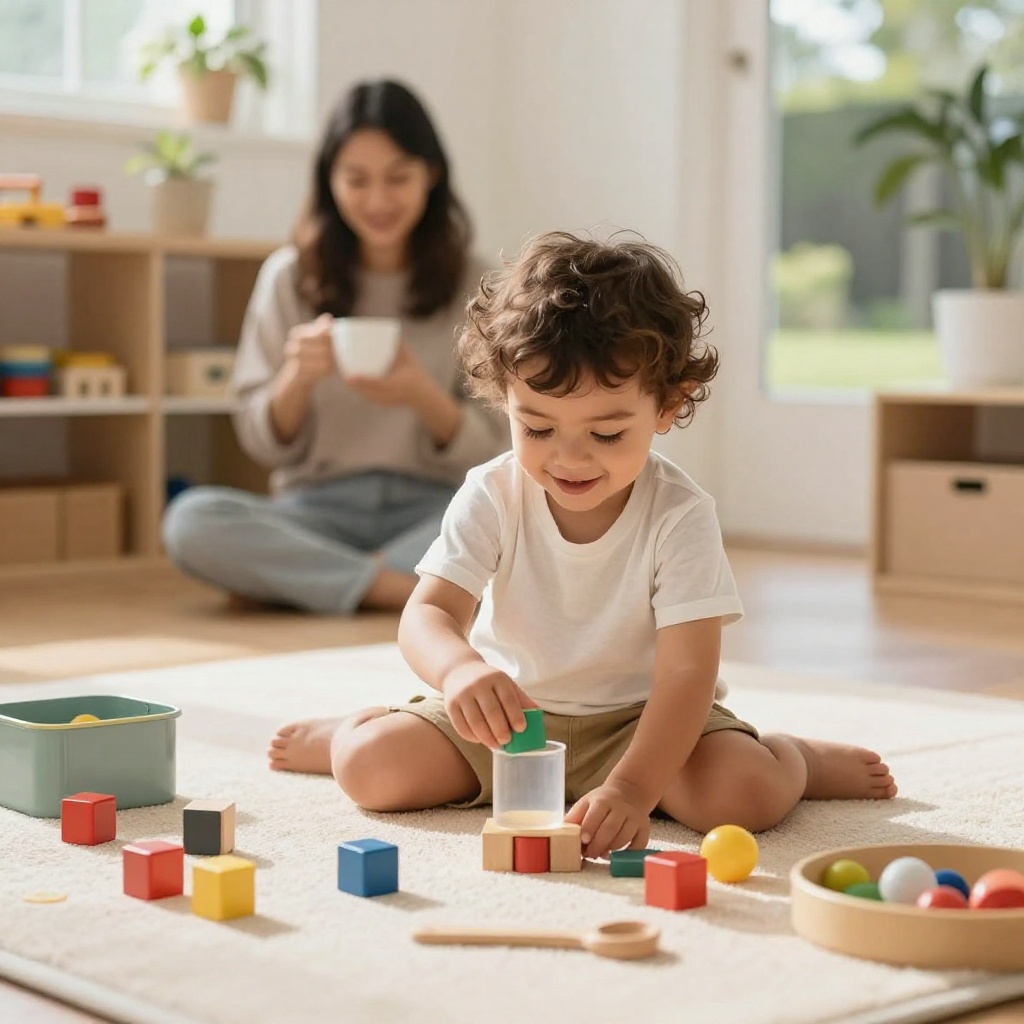
👶 Ages 1–3: Foundations of Independence & Exploration
“I Can Try”
Skills to Build
- Self-feeding and experimenting with food textures: Encouraging toddlers to hold spoons, pick up finger foods, and explore different textures promotes fine motor skills, hand-eye coordination, and autonomy.
- Communicating needs and emotions: Learning to express hunger, discomfort, excitement, and frustration develops early emotional literacy.
- Following simple instructions: Helps toddlers understand cause-and-effect and improves listening skills.
- Safe exploration: Crawling, walking, climbing under supervision builds curiosity and risk-assessment skills.
- Tidying and contributing: Putting toys back or helping with small tasks fosters responsibility and ownership.
Expanded Examples
- Let your toddler pour water into a cup or stir porridge, even if some spills.
- Encourage gestures or simple words to express needs (“milk,” “up,” “more”).
- Play games with two-step instructions (“Pick up the block and give it to me”).
- Allow supervised exploration of safe surfaces: sandpit, grass, or soft play mats.
- Encourage them to put toys in a basket after playtime.
What This Looks Like at Home
- Mealtimes are messy — some food on the floor or clothes, and that’s okay.
- Playtime involves experimentation, touching, tasting, and moving around.
- Cleanup is part of the routine, guided by gentle encouragement rather than strict rules.
What Parents Should Do:
- Create a safe, exploratory environment: Remove hazards but leave room for climbing, crawling, and sensory play.
- Step back during self-feeding: Let toddlers touch, spill, and taste, providing reassurance rather than control.
- Model communication: Use clear words, gestures, and tone, and respond consistently to build trust and language skills.
- Guide tidy-up gently: Encourage putting toys back without forcing it — praise attempts.
- Celebrate effort, not perfection: Notice and verbalise attempts (“You tried to scoop the rice yourself — great job!”).
What to Say
- “You’re figuring it out.”
- “Keep trying, I’m here.”
- “I love that you tried to put your toys away.”
🧒 Ages 4–6: Confidence Through Doing
“I Can Do Hard Things”
Skills to Build
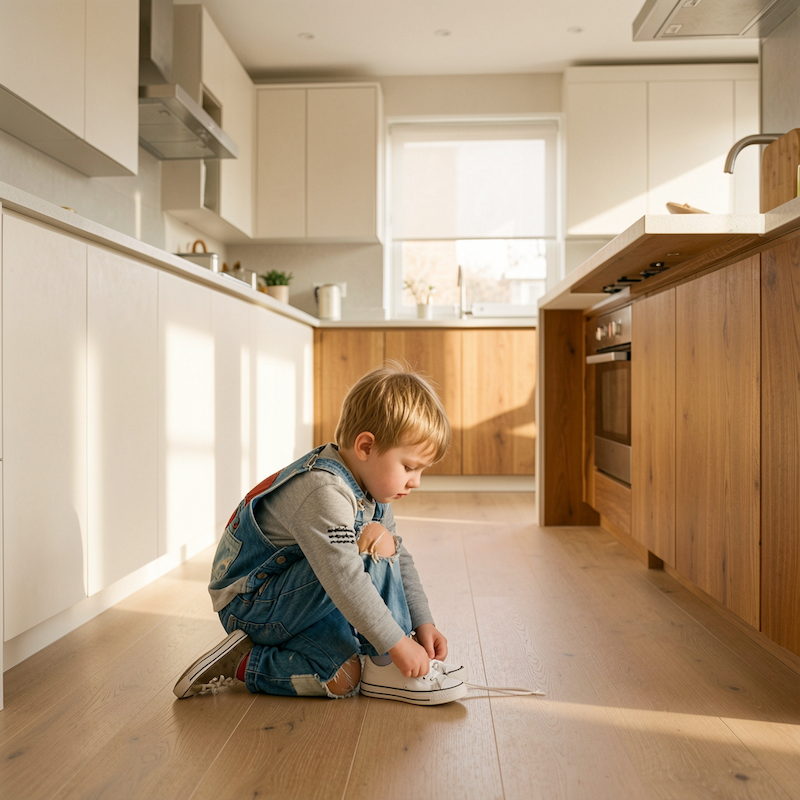
- Dressing themselves: Buttons, zippers, socks, and shoes build fine motor skills and independence.
- Packing their own bag: Choosing appropriate clothing, snacks, and items for outings develops organisation skills.
- Preparing simple meals: Spreading butter, making sandwiches, or pouring cereal promotes autonomy and confidence.
- Trying new activities: Sports, music, or art experiences foster adaptability, courage, and resilience.
- Following routines: Morning and bedtime routines support executive functioning, time awareness, and self-regulation.
Expanded Examples
- Allow them to dress themselves, even if outfits are mismatched.
- Let them pack backpacks for daycare or school trips.
- Teach them to make a sandwich or pour cereal safely.
- Introduce a new sport, art project, or game each week.
- Assign simple tasks: brushing teeth, putting away shoes, or tidying the bedroom.
What This Looks Like at Home
- The kitchen may have crumbs, spills, and creative attempts at food.
- Outfits may be colourful and mismatched — that’s independence.
- Routines are followed with reminders and encouragement rather than strict oversight.
What Parents Should Do
- Let them do things themselves: Dress, pack, and help in the kitchen, even if slower or messy.
- Set achievable challenges: Introduce new activities, crafts, or simple games, letting them try without immediately rescuing.
- Provide routines with flexibility: Guide morning and bedtime routines, but allow small choices.
- Encourage problem-solving: Ask “How could you do this?” before stepping in.
- Praise persistence: Focus on effort, courage, and creativity over results.
What to Say
- “It doesn’t have to be perfect.”
- “You did that yourself.”
- “Great job trying something new today.”
🧑 Ages 7–9: Responsibility & Real-World Awareness
“I Am Responsible”
Skills to Build
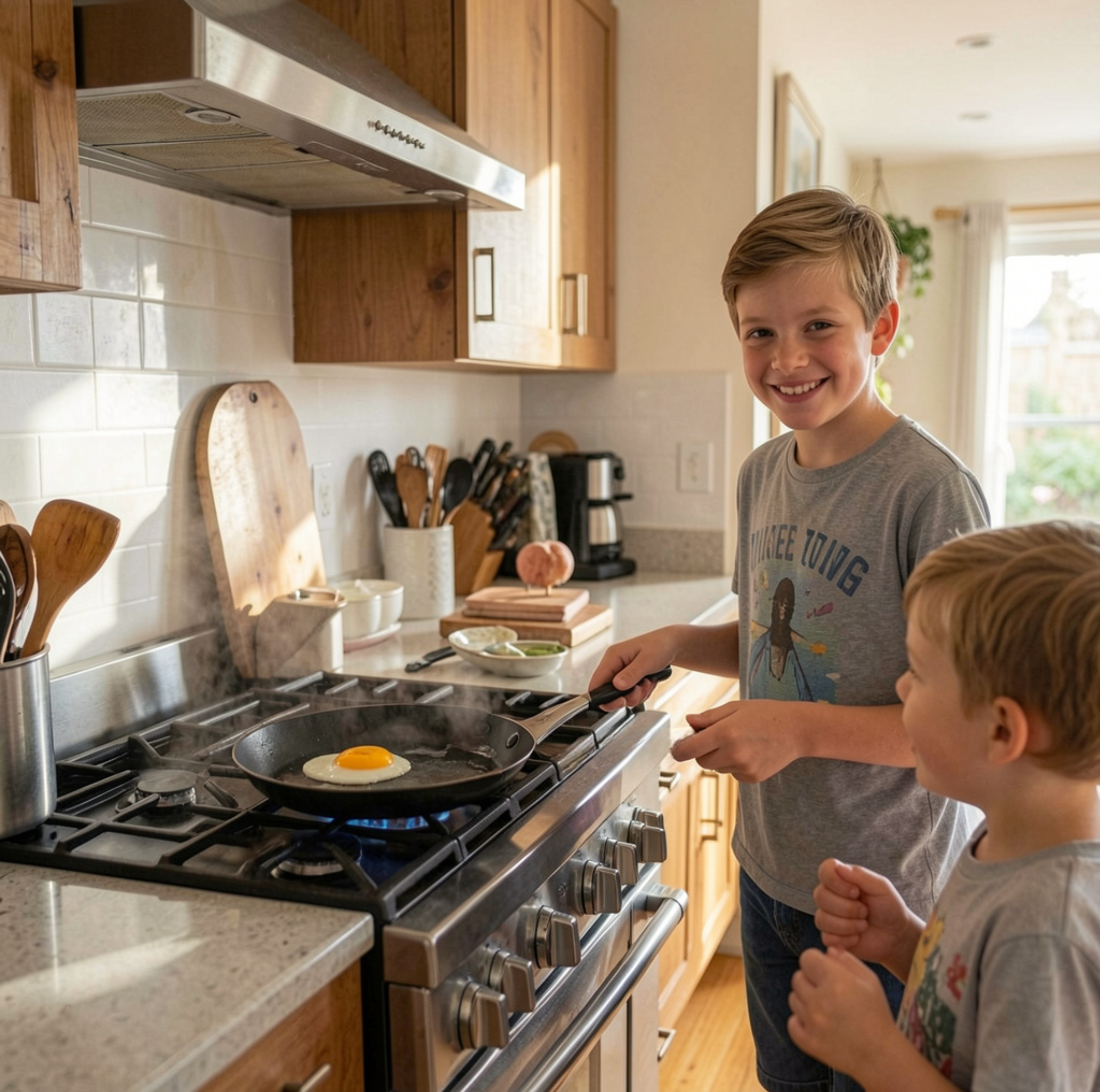
- Making simple meals: Preparing breakfast, sandwiches, or reheating leftovers encourages practical independence.
- Completing chores: Making beds, feeding pets, helping with laundry builds reliability and responsibility.
- Basic money management: Counting coins, saving, and understanding small transactions develops financial literacy.
- Problem-solving independently: Encouraging children to attempt homework, puzzles, or small challenges before asking for help develops resilience and critical thinking.
- Friendship navigation: Learning to share, take turns, and resolve minor conflicts develops social-emotional intelligence.
Expanded Examples
- Let your child make their own breakfast or afternoon snack.
- Assign a weekly chore checklist with clear expectations.
- Teach them to budget pocket money for small purchases.
- Encourage problem-solving: “What could you try first?” before intervening.
- Role-play friendship scenarios to practice empathy and negotiation.
What This Looks Like at Home
- Breakfast may have unconventional combinations but is edible.
- Chores may be done with variable success — guidance is gentle.
- They start to handle small amounts of money responsibly.
- Conflicts with siblings or friends are learning opportunities.
What Parents Should Do
- Give meaningful responsibilities: Chores, homework planning, preparing snacks — avoid doing it for them.
- Supervise, don’t micromanage: Let them solve problems first, only stepping in if truly necessary.
- Teach financial basics: Counting coins, budgeting small purchases, and saving for a goal.
- Model social skills: Show empathy, conflict resolution, and negotiation; let children practice.
- Encourage reflection: Ask “What worked?” and “What could we do differently?” to develop critical thinking.
What to Say
- “What do you think we should do?”
- “Have a go first, then I’ll help if needed.”
- “I’m proud you tried to solve that on your own.”
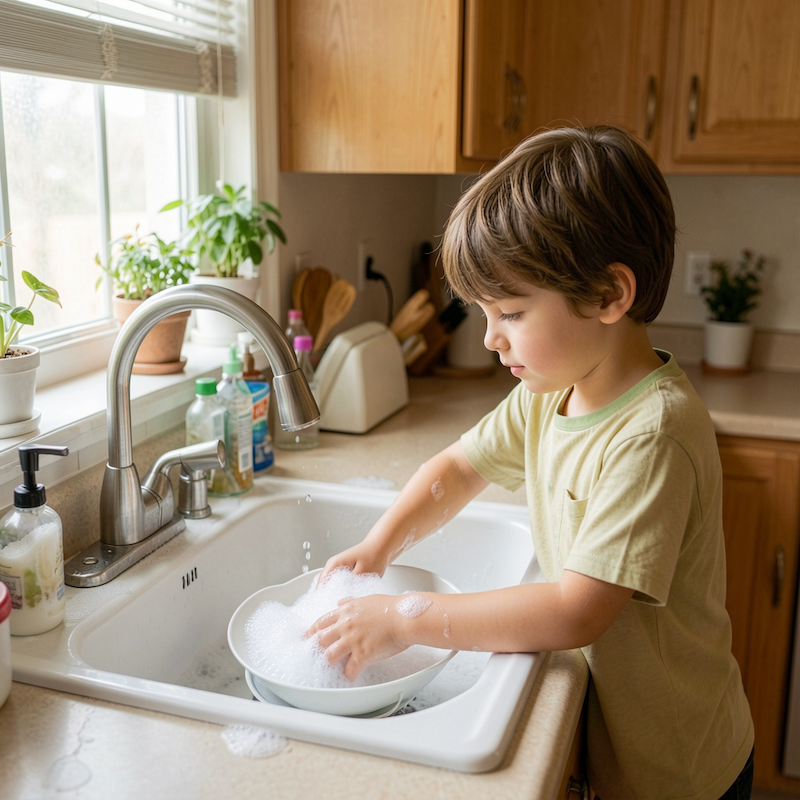
🧑 Ages 10–12: Capability & Critical Thinking
“I Can Figure It Out”
Skills to Build
- Cooking basic meals: Boiling pasta, making scrambled eggs, assembling salads fosters independence and confidence.
- Time management: Planning homework, sports, and other activities develops self-regulation.
- Critical thinking: Asking questions, evaluating options, and making informed decisions encourages reasoning skills.
- Navigating new environments: Walking or cycling independently in familiar areas enhances spatial awareness and confidence.
Expanded Examples
- Let them plan a weekly lunch menu or help prepare family meals.
- Provide a homework planner and ask them to set deadlines and check their progress.
- Encourage decision-making by discussing options and consequences.
- Allow supervised exploration of local streets, parks, or shops.
What This Looks Like at Home
- Meals may include creative or slightly experimental dishes.
- Homework and school tasks are mostly independent with occasional guidance.
- They begin contributing ideas to family discussions or problem-solving.
What Parents Should Do
- Encourage independence in daily tasks: Cooking basic meals, managing homework schedules, and planning outings.
- Foster decision-making: Discuss options, consequences, and alternatives rather than giving instructions.
- Expose them to new experiences: Clubs, sports, music, or volunteer opportunities build adaptability.
- Coach problem-solving: Let them attempt solutions first; ask guiding questions instead of providing answers.
- Celebrate initiative: Acknowledge creativity, effort, and solutions they develop independently.
What to Say
- “I trust you to handle this.”
- “What’s your plan?”
- “I like how you thought that through.”
🧑 Ages 13–15: Independence & Identity
“I Am Capable”
Skills to Build
- Cooking full meals: Preparing dinners independently builds practical independence and confidence.
- Budgeting money: Planning expenses, saving for larger purchases, and understanding financial responsibility.
- Scheduling: Managing school, extracurricular activities, and social commitments develops organisational skills.
- Travel and navigation: Independent walking, cycling, or using public transport safely.
- Coping with setbacks: Learning from mistakes, managing disappointment, and reflecting on outcomes builds resilience.
Expanded Examples
- Allow them to cook a family meal once a week.
- Give them a budget to manage personal expenses or plan outings.
- Encourage independent scheduling of schoolwork, sports, and leisure.
- Let them navigate short trips or public transport routes independently.
- Discuss mistakes as learning experiences and problem-solving opportunities.
What This Looks Like at Home
- Meals may be creative variations of family recipes.
- They manage personal money and schedules with decreasing parental oversight.
- They face minor setbacks and develop strategies to overcome them.
What Parents Should Do:
- Shift to coaching: Let teens cook full meals, plan schedules, manage budgets, and navigate safe travel.
- Encourage accountability: Let them experience natural consequences in a safe environment.
- Support reflection on mistakes: Discuss lessons learned and strategies for next time.
- Promote self-management: Encourage independent homework planning, extracurricular activity balancing, and social problem-solving.
- Step back gradually: Let them take the lead in personal decisions while remaining available for guidance.
What to Say
- “What did you learn from that?”
- “What would you do differently next time?”
- “I’m proud of your effort even if it didn’t go perfectly.”
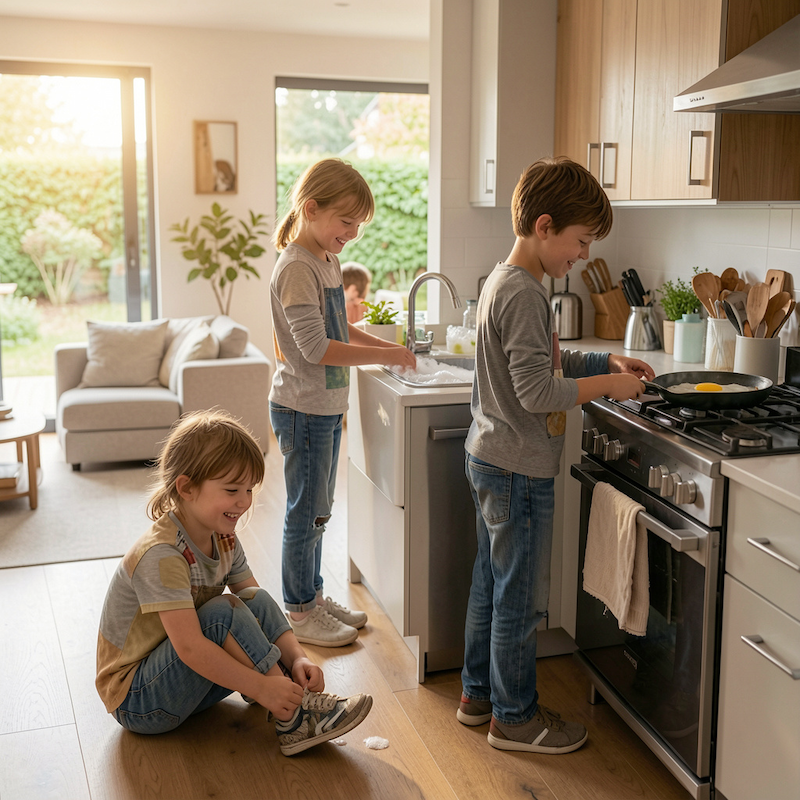
🧑 Ages 16–18: World Readiness & Self-Leadership
“I Am Ready”
Skills to Build
- Managing money, time, and responsibilities: Handling bills, part-time jobs, appointments, and personal obligations.
- Applying for jobs: Writing resumes, attending interviews, and understanding workplace etiquette.
- Navigating systems: Banking, healthcare, public transport, and other services.
- Independent decision-making: Choosing courses, part-time jobs, volunteering, or career pathways.
Expanded Examples
- Let them manage a weekly budget independently.
- Encourage applying for part-time work or volunteering opportunities.
- Teach how to book appointments or navigate public services.
- Allow decision-making on future study, career, or personal projects.
What This Looks Like at Home
- Daily tasks are handled independently; parents act as mentors rather than managers.
- Mistakes are opportunities for reflection, discussion, and learning.
- They develop confidence navigating real-life responsibilities.
What Parents Should Do
- Act as advisor rather than director: Support them in managing finances, applications, appointments, and decisions about study, work, or travel.
- Encourage planning and foresight: Help them set goals, anticipate challenges, and develop contingency plans.
- Let them own mistakes: Provide perspective and guidance without taking over.
- Offer mentorship and resources: Provide tools, contacts, or advice but allow them to act independently.
- Model responsible adult decision-making: Show how you evaluate risks, solve problems, and balance priorities.
What to Say
- “This is yours to manage.”
- “I’m here if you need guidance.”
- “I trust your judgment and decision-making.”
🔑 The Core Philosophy (Across All Ages)
These are your non-negotiables:
- Mess is part of mastery
- Children learn by doing, exploring, and making mistakes. Spills, splashes, and clutter are evidence that they are experimenting and learning. Messy experiences build confidence, problem-solving skills, and independence.
- Struggle is training, not failure
- When children encounter challenges, they’re literally wiring their brains to overcome obstacles. Struggle under gentle guidance builds resilience, patience, and self-trust.
- Independence is built, not given, overnight
- Kids gradually develop life skills through small, achievable responsibilities. Your role is to give them opportunities, step back, and let them succeed (or fail safely).
- Exposure + experience = capability
- Trying new foods, games, environments, or social situations is how children grow adaptable, confident, and capable. Limiting exposure limits skill-building.
- Your role evolves: Helper → Guide → Coach → Advisor
- Toddlers: You help and model.
- Early school: You guide and supervise.
- Tweens: You coach and provide structure.
- Teens: You advise and mentor.
💬 The Reframe That Changes Everything
Instead of asking:
“Is this too hard for them?”
Start asking:
“What is this teaching them?”
This mindset shift turns everyday parenting moments — from messy meals to homework struggles — into growth opportunities, helping children become world-ready, confident, capable humans.
⚖️ A Note on Balance
Every child is different.
Development isn’t linear.
And for neurodivergent children, these timelines may look different—and that’s okay [9].
The goal isn’t rigid milestones.
It’s progress, exposure, and growth over time.
🛠️ Start Today: Small Shifts That Change Everything
If this feels like a lot, start here:
- Let them do one thing themselves that you would normally do for them
- Ask “What do you think?” before offering help
- Allow one “messy” or imperfect experience each day
- Introduce one new challenge or experience each week
Because:
Exposure + experience = capability [1][2][3]
🌱 The Bigger Picture
We’re not just raising children who can follow instructions.
We’re raising humans who can:
- Think
- Adapt
- Problem-solve
- Lead themselves through uncertainty
And that doesn’t come from making life easier.
It comes from preparing them to handle it.
💬 Final Thought
This is the part I still have to remind myself of:
It’s not my job to make everything smooth for them.
It’s my job to make sure they can handle it when it’s not.
Because…
Messy kitchens create capable humans.
Struggle builds strength.
And independence is something we build, one moment, one decision, one step back at a time [1][2][3][4].
📚 References (Australian-Based)
- Australian Institute of Family Studies (AIFS). (2023). Child development and independence research. Canberra, ACT.
- Raising Children Network. (2024). Encouraging independence in children. Melbourne, VIC.
- Australian Research Alliance for Children and Youth (ARACY). (2023). Child wellbeing and development outcomes. Canberra, ACT.
- Murdoch Children’s Research Institute (MCRI). (2022). Executive function and child development. Melbourne, VIC.
- Beyond Blue. (2023). Youth mental health and resilience. Melbourne, VIC.
- Australian Bureau of Statistics (ABS). (2023). Youth development and wellbeing data. Canberra, ACT.
- Raising Children Network. (2023). Supporting resilience in adolescents. Melbourne, VIC.
- Australian Bureau of Statistics (ABS). (2023). Transition to adulthood survey. Canberra, ACT.
- Raising Children Network. (2024). Neurodiversity and child development. Melbourne, VIC.