
Kiddipedia Sleep Support
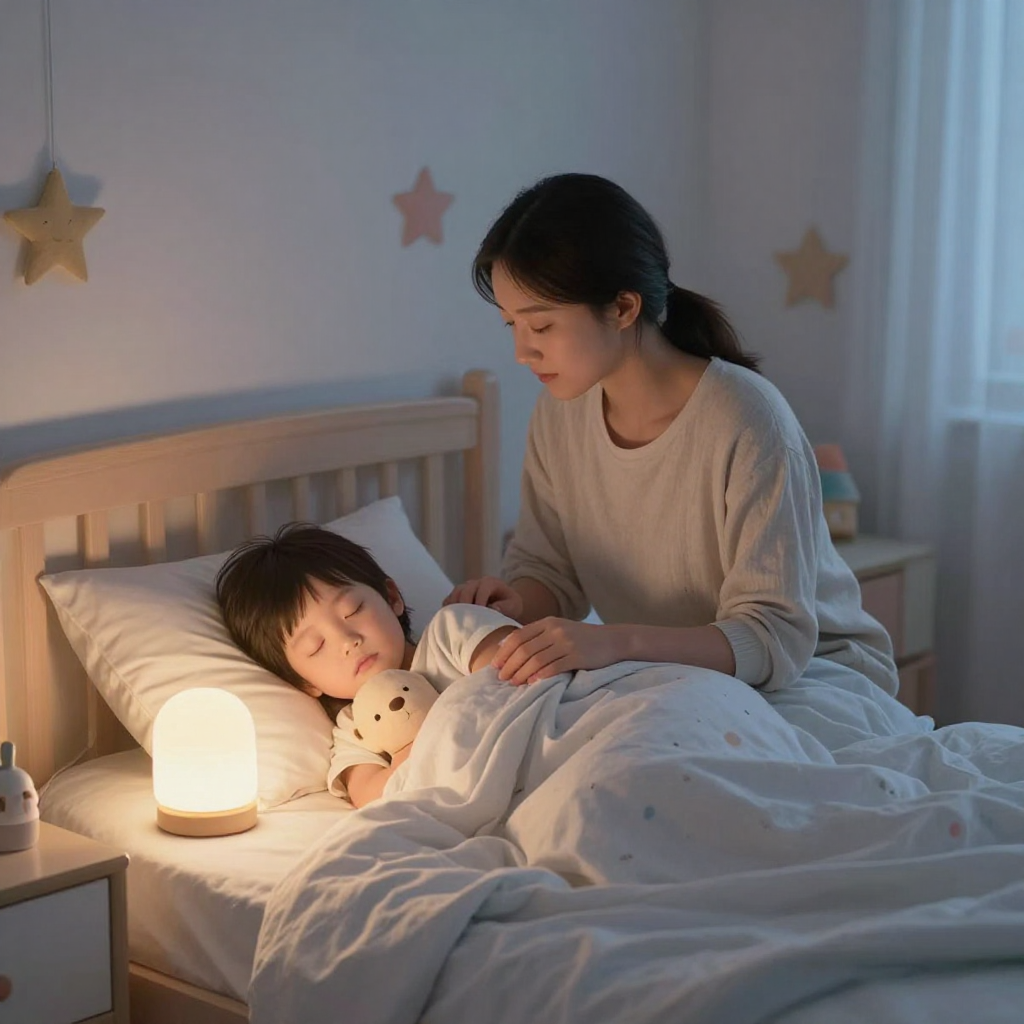
Sleep plays a much bigger role in a child’s life than most people realise. It’s not just about resting after a long day, it’s when the body and brain go into repair and growth mode. For children, this process is even more important because their bodies and minds are constantly developing. Good quality sleep supports healthy growth, immunity, emotional wellbeing and learning. Poor sleep has been linked to mood swings, reduced concentration at school and behavioural challenges [1].
That’s why choosing the right kids mattress is not just a comfort decision, it’s a health decision that can influence your child’s overall wellbeing.
Why Sleep Is Essential for Growing Children
Children require significantly more sleep than adults because their bodies and brains are in rapid development. In Australia, health bodies recommend: [1].
| Age Group | Recommended Sleep per Night |
|---|---|
| Preschoolers (3–5 years) | 10–13 hours |
| Primary school-aged children (6–12 years) | 9–11 hours |
| Teenagers (13–17 years) | 8–10 hours |
While a lot happens during sleep, two key processes stand out:
- Physical repair and growth: Growth hormones are released during sleep, helping build muscle, repair tissue and support healthy bone and organ development [2].
- Brain development and learning: The brain processes memories and consolidates new information, which supports learning and emotional regulation [3].
When kids don’t get enough quality sleep, the effects can show up quickly. They may become irritable, struggle to focus, appear unusually hyperactive (often mistaken for “excess energy”), or become emotionally overwhelmed. Over time, chronic poor sleep can affect immune function and behaviour [1].
The Connection Between Mattress Quality and Sleep
Parents often focus on bedtime routines and screens, but the mattress itself plays a crucial role in how well children sleep. An uncomfortable or unsupportive mattress can cause frequent tossing, turning and disrupted sleep cycles.
Think about it this way — if you sleep on a lumpy or overly soft surface, you likely wake up tired or sore. The same applies to children, but the impact can be even greater as their bodies and spines are still developing.
A poor-quality mattress can:
- Affect spinal alignment,
- Increase discomfort or night-time wakefulness,
- Reduce time spent in deep, restorative sleep stages [2].
What Makes a Good Kids Mattress?
Not all mattresses are suitable for children. A proper kids mattress should be designed with support, comfort and safety in mind:
✔ Balanced Firmness
A mattress that is too soft can let the spine sink out of alignment, while one that is too firm may feel uncomfortable. A medium-firm mattress usually offers the best balance, supporting healthy posture while still providing comfort [2].
✔ Breathability and Temperature Control
Children often sleep warmer than adults, and overheating can disturb sleep. Breathable mattress materials help regulate temperature and improve comfort throughout the night — especially in warmer climates [1].
✔ Safety and Health
High-quality kids mattresses should be made from hypoallergenic and non-toxic materials. Since children spend many hours sleeping, reducing exposure to allergens and harmful chemicals helps protect respiratory health and overall wellbeing [2].
Types of Mattresses to Consider
Different mattress types suit different needs:
Memory Foam
Memory foam contours to the body and can relieve pressure points, but may retain heat [2].
Innerspring
Traditional innerspring mattresses offer decent airflow and can feel cooler — ideal for children who run hot [2].
Hybrid
Hybrid mattresses combine foam and innersprings to provide both comfort and support [2].
Each type has benefits, so consider your child’s sleep style, body shape and comfort preference when choosing.
Common Mistakes Parents Should Avoid
❌ Choosing Based Solely on Price
Cheap mattresses may not offer the support your child needs and tend to wear out faster. Investing in a quality mattress can improve sleep quality and often lasts longer — a better long-term value [2].
❌ Ignoring Sleep Position
A child’s sleeping position matters. Side sleepers may benefit from slightly more cushioning, while back sleepers often prefer firmer support. Observing how your child sleeps can guide a smarter mattress choice [2].
Creating the Ideal Sleep Environment
A comfortable mattress is essential, but it’s just one part of the sleep equation. A good sleep environment also includes:
- A quiet, dark and cool room, which helps children fall asleep faster and stay asleep longer [3],
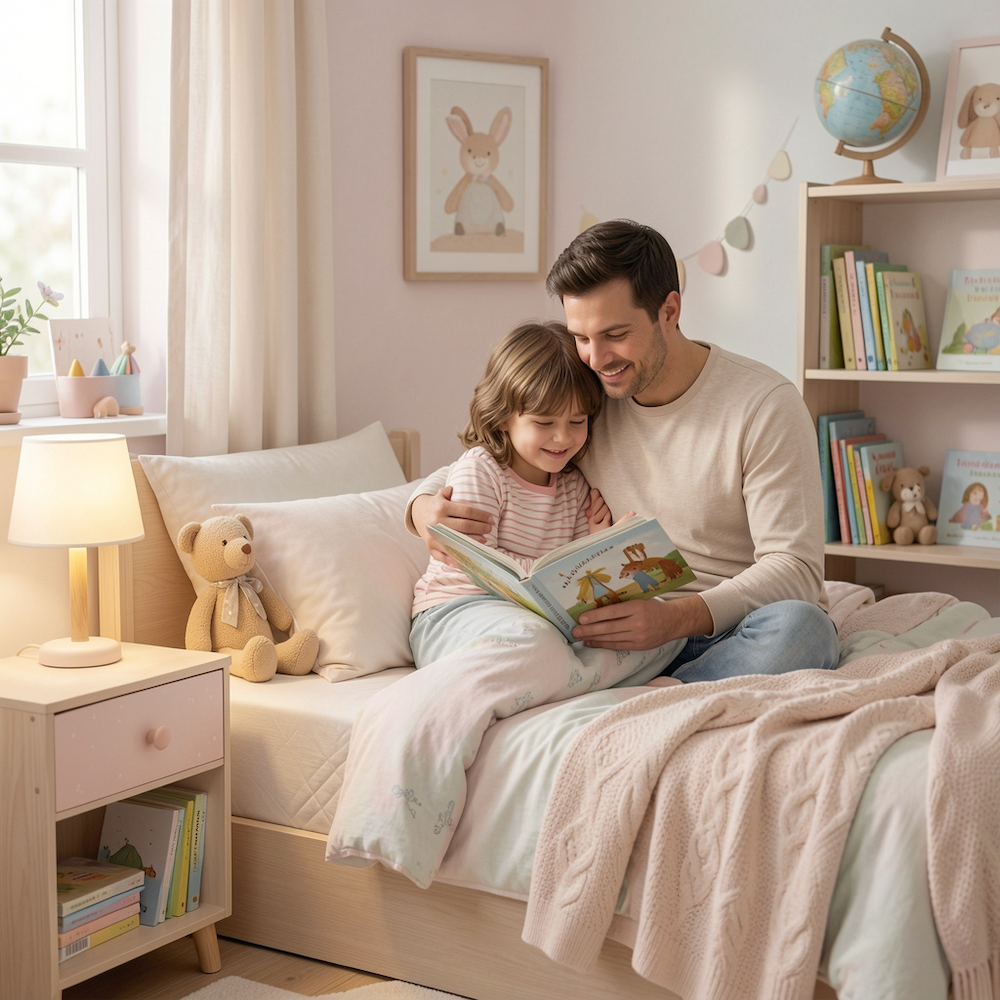
- Consistent bedtime routines, such as reading or calming activities before bed [1],
- Limiting screens before bedtime, as light from devices can delay sleep onset [4].
Final Thoughts: Sleep Isn’t a Luxury — It’s a Necessity
Sleep is one of the most important factors in a child’s growth and development. It affects everything from physical health and immune function to emotional stability, behaviour and learning ability.
Choosing the right kids mattress is a simple yet powerful way to support better sleep and overall wellbeing. When you match a supportive mattress with healthy sleep habits and environment, you set the foundation for your child to sleep well, feel good and thrive every day [3].
References
- Healthdirect. Sleep tips for children — importance of sleep, recommended hours and behaviour links. https://www.healthdirect.gov.au/sleep-tips-for-children
- Murdoch Children’s Research Institute. Sleep’s role in physical and brain development. https://www.mcri.edu.au/a-z-child-health/s/sleep
- NSW Government. Sleep and children’s health — cognitive, emotional and immune benefits. https://www.nsw.gov.au/health-and-wellbeing/healthy-living/healthy-living-for-children-and-families/sleep-and-childrens-health
- Sydney Children’s Hospitals Network. Sleep recommendations and screen time effects on melatonin. https://www.schn.health.nsw.gov.au/kids-health-hub/healthy-sleep-children/sleep-recommendations-age/sleep-recommendations-children-5