
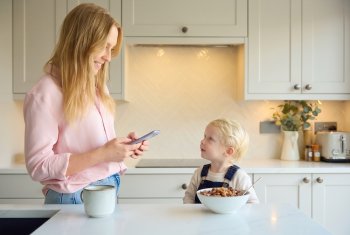
🚨❤️ If an emergency happened at home today, would you know exactly who to call? Would your children?
When you’re worried about your little one, the last thing you want is to be searching for a phone number or wondering where to turn. 🥺
From sudden illness and unexpected injuries to storms and household emergencies, having the right numbers at your fingertips can make all the difference when every moment feels overwhelming.
📱🏡 We’ve put together 10 important emergency contacts every Australian family should keep handy. Save this article, share it with someone you love, and take a few minutes to get your family prepared.
Because when it comes to our kids, a little preparation can go a long way. ❤️

💗 Parents need time away too. And no, you don’t need a special occasion to deserve it. 🥹🌴
Between the school runs, work, endless to-do lists and caring for everyone else, when did you last make time for just the two of you?
You can love your children with all your heart and still need a little time to reconnect, recharge and remember the couple behind the parenting team. ❤️
Imagine turquoise waters, breathtaking island views, sunset drinks and precious moments together on beautiful Hamilton Island. 🌅✨
Because sometimes, the best thing you can do for your family is take a little time for yourselves.
💗 Ready for a little time away together? Discover Hamilton Island and find your perfect couple’s escape.
#ParentsNeedTimeAwayToo
🚨❤️ **If an emergency happened today, would your family know who to call?**
When it comes to our kids, the last thing we want is to be scrambling for a phone number when every second feels precious. 💗
From Triple Zero (000) and poison advice to your GP, school and trusted backup contacts, a little preparation now can make a stressful moment easier to navigate.
👨👩👧👦 **How many of these essential numbers do you have saved?** Discover the 10 emergency contacts every Australian family should keep handy, plus practical tips for preparing your children, babysitters and other carers.
Because being prepared isn’t about expecting the worst. It’s about helping your family feel a little more ready for the unexpected. ❤️
👉 **Read the article and start building your family emergency contact list today!**
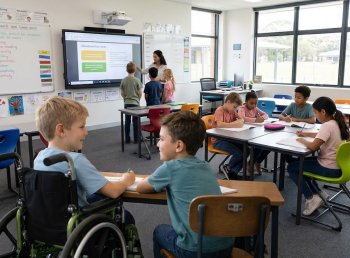
💙 Every child deserves to belong. But are we giving our children the tools to understand what inclusion really means?
Inclusion is about more than sharing a classroom. It’s about seeing beyond disability, challenging assumptions and learning to recognise what every person can contribute.
🏀 From experiencing adaptive sport to hearing first-hand stories from people living with disability, discover how powerful, practical experiences can help children develop empathy, break down barriers and rethink what they believe is possible.
Because the attitudes our children develop today can shape the way they treat others tomorrow.
So, how do we raise a generation that doesn’t just talk about inclusion, but lives it?
Discover why creating a world where everyone belongs starts long before the school bell rings. 💙

Ever feel like your family’s healthy habits disappear the moment life gets busy? ❤️
You start with the best intentions… then school runs, work, activities, sickness and those exhausting evenings get in the way.
The good news? It may not be a lack of willpower.
New Australian research reveals just how common it is for health and wellbeing changes to fall by the wayside, while habit expert Dr Gina Cleo explains why small, realistic changes may be far more effective than an all-or-nothing approach.
From recognising the cues behind automatic sugar habits to making healthier choices easier to repeat, discover 5 simple ways to help healthy family habits actually stick.
Because healthy living doesn’t have to mean being perfect every day. 💛

🎩❤️ The Cat in the Hat has met Elmo, Cookie Monster and Abby Cadabby… and your preschooler is going to LOVE it!
But here’s the part parents might not expect…
Behind the songs, silliness and screen time are opportunities to build early literacy, language, problem-solving, movement and creativity — simply by joining in.
And you don’t need to turn it into a lesson. A song, a missing letter, getting dressed or a silly conversation can be enough to get little minds thinking.
Because sometimes the best learning happens after the screen goes off.
👉 Discover how to turn this fun new crossover into playful learning for your preschooler.

Sometimes it’s not about getting your child to behave better — it’s about understanding what they’re trying to communicate. ❤️
From tantrums and big emotions to clinginess, conflict and moments when you simply don’t know what to do next, the parent-child connection matters.
The good news? You don’t have to be a perfect parent to build a strong, secure relationship with your child. Small moments of connection, understanding, co-regulation and repair can make a powerful difference.
Discover practical ways to strengthen your parent-child attachment and help your child feel safe, understood, supported and loved. 💕

“How many times do I have to ask you?!” 😩
Shoes on. Teeth brushed. Time to leave. And somehow you’ve asked 17 times… with absolutely no response.
But what if your child isn’t deliberately ignoring you?
Sometimes children are so absorbed in play, emotions or what’s happening around them that they need us to communicate differently before they can truly hear and process what we’re saying. ❤️
From connection and touch to lowering your voice, using gestures and noticing the emotions underneath their behaviour, there are simple ways to help your child tune in — without turning every request into a battle.
Because sometimes, they don’t need us to say it louder. They need us to connect differently

Your baby has been fed, changed, cuddled, rocked… and they’re still crying. 💔
If you’ve ever spent hours wondering “What am I missing?”, you’re definitely not alone. Colic and unsettled behaviour can be incredibly stressful for parents, especially when there seems to be no obvious reason for the tears.
So what could be behind your baby’s crying? Could it be normal developmental crying, their gut, feeding, sleep, discomfort or something else?
This article explores what colic really means, why babies can become unsettled, when crying should be medically assessed, and the different factors that may be worth considering. 👶❤️
Because sometimes, understanding the crying is the first step towards helping everyone get a little more sleep.

When your child has eczema, it can feel like you’re treating more than their skin. 💛
It’s the scratching at bedtime.
The broken nights.
The tears when the itching becomes too much.
The worry when another flare appears.
And the heartbreaking moments when your child starts feeling self-conscious about their skin.
Because eczema can reach far beyond the skin.
It can affect sleep, confidence, friendships, school, mood and emotional wellbeing — and it can leave parents feeling exhausted, helpless and constantly searching for something that will finally help.
But there is hope.
Eczema care is changing. From understanding the skin barrier and breaking the itch–scratch cycle to new treatment options and recognising the emotional impact of eczema, there is so much more for parents to understand.
If eczema is part of your child’s life, you don’t have to simply accept the sleepless nights, constant scratching and emotional toll as “just eczema.”
❤️ Read the full article on Kiddipedia and discover why treating eczema means looking after the whole child — not just the skin.
Get parenting advice and support delivered right to your inbox
We'd love to hear what you think of the website, so we can continue to improve it . . . GIVE YOUR FEEDBACK >