

🚲💛 There’s something special about watching your child ride a bike with confidence for the very first time. 🥹
From those wobbly first attempts to the excitement of riding a little further, every journey is a chance to build confidence, independence and beautiful family memories.
But with so many bikes to choose from, how do you know which one is right for your child? 🤔
Discover what every parent needs to know about choosing a bike that fits properly, feels comfortable and keeps little riders safer as they learn, grow and explore. 🚴♀️🌿
Because the right bike can make all the difference between a frustrating first ride and a childhood adventure they’ll love! 💛
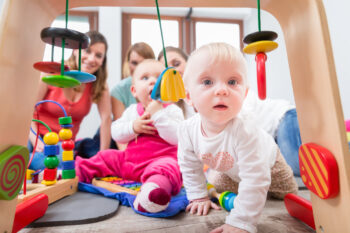
Did you know your baby’s senses start developing even before birth? 🌟 From touch and taste to sight and sound, every moment of sensory play helps your child explore the world, build confidence, and grow essential skills for life. 🍼✨
From messy play with rice, slime, or paints, to music, bubbles, and backyard adventures, simple everyday activities can make a big difference! 🖌️🎶
Discover how sensory play supports language, emotional regulation, and cognitive growth — and how you can easily incorporate it into daily routines. 💛
Read more to unlock the power of sensory play for your little one! 👶💫

💛 WE CAN’T STOP EVERY TEAR — BUT WE CAN HELP OUR CHILDREN GROW THROUGH THEM.
Every child faces disappointment, big emotions and moments when things don’t go to plan. 🌱 But how we help them navigate these experiences can shape their confidence, emotional wellbeing and ability to face life’s challenges.
✨ The secret isn’t protecting our children from every setback. It’s helping them discover their own strength.
🌟From expressing their feelings and embracing change to learning from mistakes and developing a positive mindset, discover 💡 4 practical ways to help your child manage disappointment and build lifelong resilience.
Because growing up isn’t about getting everything right — it’s about learning, adapting and finding the courage to try again. 💛
👉 Read the full article to discover how you can help your child build the emotional strength to thrive today and into the future.

👀 Wait… are your toddler’s legs supposed to look like that? 🤔💛
🤔 Are you wondering why your toddler’s legs don’t look “straight”? From adorable bowlegs to the classic knock-knees, these are often just normal parts of growing up! 💛👶🦵
Watching your little one grow comes with plenty of questions, and the way their legs develop can sometimes leave parents wondering what’s normal.
The good news? 🥰 Bowed legs and knock-knees are often a natural part of childhood development and usually improve as children grow.
But how do you know what’s typical, how can you track their progress, and when should you seek extra help? 👣
Discover what to expect at different ages, how to monitor your child’s leg development, and the signs parents shouldn’t ignore. Give those little legs the attention they need, without unnecessary worry! ❤️

Sometimes it’s not about getting your child to behave better — it’s about understanding what they’re trying to communicate. ❤️
From tantrums and big emotions to clinginess, conflict and moments when you simply don’t know what to do next, the parent-child connection matters.
The good news? You don’t have to be a perfect parent to build a strong, secure relationship with your child. Small moments of connection, understanding, co-regulation and repair can make a powerful difference.
Discover practical ways to strengthen your parent-child attachment and help your child feel safe, understood, supported and loved. 💕

🟢 𝗪𝗵𝗮𝘁 𝗶𝗳 𝘁𝗵𝗲 𝘁𝗿𝗮𝗺𝗽𝗼𝗹𝗶𝗻𝗲 𝗶𝗻 𝘆𝗼𝘂𝗿 𝗯𝗮𝗰𝗸𝘆𝗮𝗿𝗱 𝗶𝘀 𝗱𝗼𝗶𝗻𝗴 𝗺𝗼𝗿𝗲 𝘁𝗵𝗮𝗻 𝘀𝗶𝗺𝗽𝗹𝘆 𝗵𝗲𝗹𝗽𝗶𝗻𝗴 𝘆𝗼𝘂𝗿 𝗸𝗶𝗱𝘀 𝗯𝘂𝗿𝗻 𝗼𝗳𝗳 𝗲𝗻𝗲𝗿𝗴𝘆?
To your child, it’s just jumping, laughing and asking for “five more minutes.” But underneath every bounce, their 𝗯𝗿𝗮𝗶𝗻 𝗮𝗻𝗱 𝗯𝗼𝗱𝘆 𝗮𝗿𝗲 𝘄𝗼𝗿𝗸𝗶𝗻𝗴 𝘁𝗼𝗴𝗲𝘁𝗵𝗲𝗿 — adjusting balance, coordinating movement, sensing where their body is in space and learning how to control each landing.
From 𝗯𝗮𝗹𝗮𝗻𝗰𝗲 𝗮𝗻𝗱 𝗰𝗼𝗼𝗿𝗱𝗶𝗻𝗮𝘁𝗶𝗼𝗻 to 𝗽𝗵𝘆𝘀𝗶𝗰𝗮𝗹 𝗹𝗶𝘁𝗲𝗿𝗮𝗰𝘆, movement confidence and daily activity, there is more happening on that trampoline than many parents realise.
But there’s another side to the story too: 𝘁𝗿𝗮𝗺𝗽𝗼𝗹𝗶𝗻𝗶𝗻𝗴 𝗰𝗼𝗺𝗲𝘀 𝘄𝗶𝘁𝗵 𝗿𝗲𝗮𝗹 𝗶𝗻𝗷𝘂𝗿𝘆 𝗿𝗶𝘀𝗸𝘀, and knowing what the research says about safe use matters just as much as understanding the developmental benefits.
So, is a trampoline a worthwhile addition to the backyard? And what does the Australian evidence actually tell us?
👉 𝗪𝗲 𝘁𝗮𝗸𝗲 𝗮 𝗰𝗹𝗼𝘀𝗲𝗿 𝗹𝗼𝗼𝗸 𝗮𝘁 𝘁𝗵𝗲 𝘀𝗰𝗶𝗲𝗻𝗰𝗲 𝗯𝗲𝗵𝗶𝗻𝗱 𝘁𝗵𝗲 𝗯𝗼𝘂𝗻𝗰𝗲 — 𝗮𝗻𝗱 𝘁𝗵𝗲 𝘀𝗮𝗳𝗲𝘁𝘆 𝗮𝗱𝘃𝗶𝗰𝗲 𝗲𝘃𝗲𝗿𝘆 𝗽𝗮𝗿𝗲𝗻𝘁 𝘀𝗵𝗼𝘂𝗹𝗱 𝗸𝗻𝗼𝘄.

“Why can’t my child just sit still?”
“Why do I have to ask them five times to do something?”
“Are they simply being a kid… or could it be ADHD?” 💛
If you’ve ever asked yourself these questions, you’re certainly not alone.
Children can be energetic, distracted, impulsive, emotional and easily bored, and many of these behaviours are a completely normal part of childhood development.
But sometimes, the challenges are more persistent. They can begin to affect learning, friendships, home life and a child’s confidence, and that’s when parents may start wondering whether ADHD could be part of the picture.
With ADHD Awareness Month coming up in October, General and Developmental Paediatrician Dr Lexi Frydenberg answers one of the questions she hears from parents again and again:
“Does my child have ADHD?
From the early signs and different presentations of ADHD to how children are assessed, what causes ADHD and the practical ways parents and schools can provide support, Dr Lexi explains what parents need to know.
And perhaps most importantly, ADHD is not the result of bad parenting or something you did wrong.
Understanding your child can be the first step towards helping them feel supported, confident and capable.❤️
👉 Read the full article to learn when childhood behaviour may be more than just a phase — and what parents can do to help.

🍕 What if teaching your child to cook was about so much more than making dinner?
There may be flour on the bench, sauce on little fingers and a heated debate over who gets the last piece of cheese — but underneath the mess, your child is learning skills they will carry with them for life.
Cooking teaches children how to make choices, follow instructions, solve problems, measure, plan, understand food, manage money, reduce waste, stay safe in the kitchen and gradually become more independent.
It can also help children become more familiar with different foods, give them a sense of agency and achievement, and create those everyday moments of connection where conversations happen naturally.
And you don’t need to start with complicated recipes.
A homemade pizza can be enough.
Let them choose the toppings. Let them get messy. Let them make mistakes. Let them create something that is theirs.
Because the goal isn’t to raise a little chef.
It’s to raise a child who knows how to feed themselves, make informed choices, contribute to family life and confidently find their way around a kitchen.
🍕❤️ The dinner might only last 20 minutes. The skills, confidence and memories can last a lifetime.
Read the article to discover why cooking with your children could be one of the most valuable everyday lessons you give them.

💙 Father’s Day is more than just a date on the calendar; it’s a chance to pause and reflect on the irreplaceable role fathers and father figures play in their children’s lives.
🧠 Science shows that dad time is brain food, heart medicine, and confidence fuel. From rough-and-tumble play to heart-to-heart chats, fathers and father figures wire resilience, empathy, and courage into their children’s story.
💜 Celebrate the magic of Daddy-Daughter and Daddy-Son moments this Father’s Day. Every laugh, every chat, every hug is a gift that lasts a lifetime.
Read more about why father-child connections matter and how to make this Father’s Day unforgettable

When did you last remind your child that they don’t have to be anyone other than themselves? ❤️
Helping children trust their feelings, express themselves openly and stay true to who they are can give them something incredibly powerful: confidence, resilience and a strong sense of self.
From validating their emotions to encouraging self-reflection and modelling authenticity at home, there are simple ways we can help our children feel safe to be exactly who they are.
🌱 Discover how to nurture self-trust and authenticity in your child — and help them grow with confidence, courage and inner strength.
Get parenting advice and support delivered right to your inbox
We'd love to hear what you think of the website, so we can continue to improve it . . . GIVE YOUR FEEDBACK >