
Kiddipedia
In 2025, I became a dad for the first time. For the first eight months of parenting I thought it was the absolute worst thing I had ever done to my happiness.
This realisation was particularly confronting because of what I do for a living. I am a happiness educator and often referred to as a happiness expert. I have spent over a decade studying, practising, and sharing the science of happiness and wellbeing.
Yet, what I assumed would be one of the happiest moments of my life quickly became one of the most challenging chapters I have ever navigated. Following a difficult birth experience, both my wife and I wrestled with postnatal depression and anxiety, compounded by the severe, relentless sleep deprivation of early parenthood (if you know, you know).
Perhaps in a desperate attempt to understand my own struggles, I sought comfort in the literature on wellbeing and discovered I was experiencing what some psychologists call the parenting paradox. Behavioural data shows that when you track parents’ day-to-day experiences, they report significantly higher stress, anxiety, and exhaustion than non-parents. However, when you ask those same parents to zoom out and evaluate their life as a whole, they overwhelmingly report that their children are their greatest source of life satisfaction, meaning, and joy.
Now that we are past those first eight months, the fog has started to lift, and I am genuinely enjoying fatherhood. But through my work at my social enterprise, BU Happiness College, I see countless parents who remain stuck in the trenches. They want nothing more than to raise happy, confident children, but they completely lose their own happiness along the way.
This martyrdom is often celebrated socially (you’ve got to do what you’ve got to do for the kids) but in reality it’s counterproductive. Psychological research on the ripple effect of happiness proves that emotions are highly contagious, especially within families. The absolute best thing you can do for your child’s well-being is to role-model authentic happiness at home. This is crucial because we know that happiness can often feel most challenging in our 30s and 40s, the exact decades we are typically raising children.
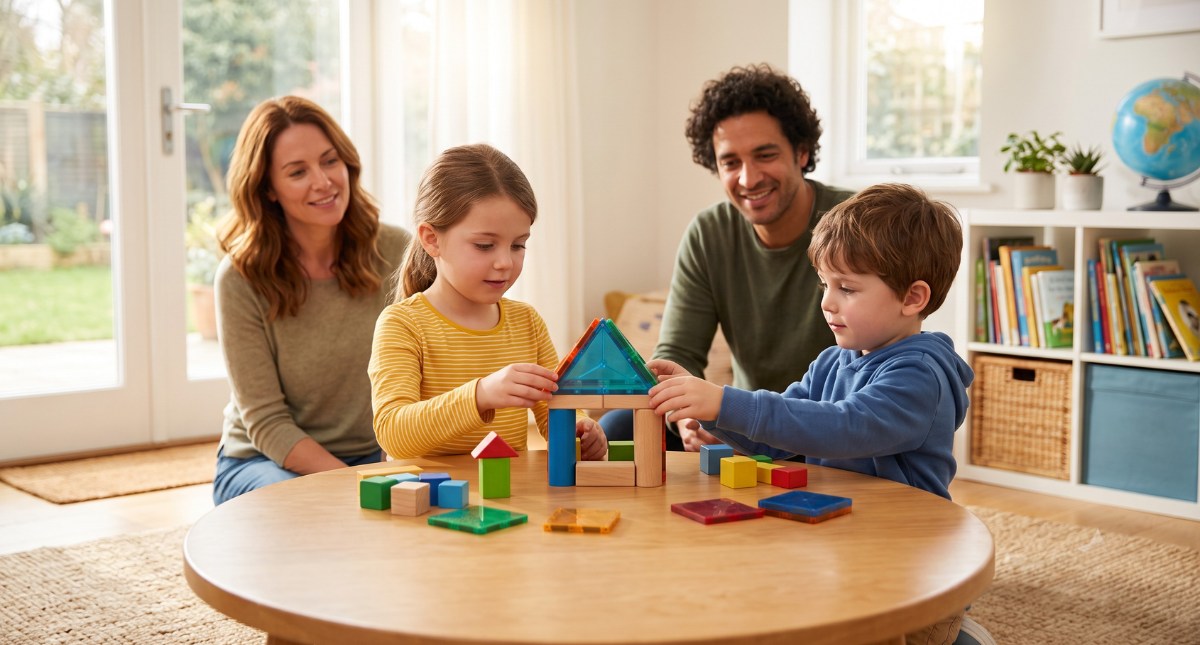
As a parent, you cannot force happiness upon your child. You can’t guarantee happiness. But you can influence the likelihood that your children will be happy by equipping them with the right tools. These are the 3 approaches that I’ve been leaning on in recent months as a parent.
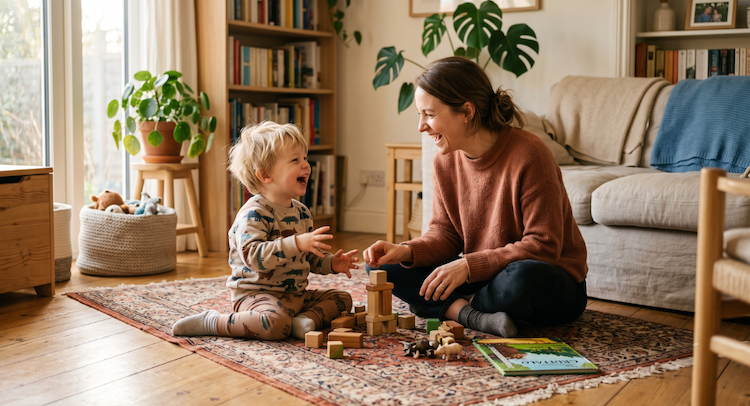
1. Maintain an Identity Outside of “Mum and Dad”
Before I was a dad, I was a business owner, a basketball player, and a guitarist. I had a full identity. When the demands of parenting take over, it is vital to maintain a connection to who you are as an individual. Equally, my wife and I prioritise our connection as a couple, not just as parents. Carving out non-negotiable date nights and getting away every so often to be partners, rather than only knowing each other as parents, is essential.
2. Deliberately Manufacture Micro-Moments of Joy
During the toughest, most sleep-deprived months, my wife and I would wake up at 2:00 AM to a crying baby. Exhausted and hungry, I would trudge to the kitchen to make her a toasted cheese sandwich. One night she asked me to cut it. The first night I cut normal triangles; the next, squares. Then I got creative. I cut it into a love heart. The next night, complex puzzle pieces she had to reassemble before eating. Then a dinosaur.
It was a tiny, silly gesture, but it gave her something small to look forward to amidst the overwhelm and exhaustion. If you don’t actively go out of your way to manufacture these micro-moments of joy, the daily friction of parenting will consume your emotional baseline. Be obsessive about being playful and creating space for joy to exist.
3. Swap Expectations for Appreciations
There is a famous quote, often misattributed to Shakespeare, that states: “Expectation is the root of all heartache.” Its exact origin is unknown, but its psychological truth is absolute. Most of our parenting distress stems from rigid expectations: I expect my child to behave a certain way, I expect the weather to be perfect, I expect my schedule to go exactly to plan.
When reality breaks these expectations, disappointment settles in. And this happens a lot in parenting, because kids aren’t great at sticking to the plan.
The antidote to the heartache of expectation is appreciation. Behavioural research demonstrates that consciously practising gratitude and replacing rigid mental expectations with appreciation rewires our brains for resilience.
My hope is that we stop treating parenting as an exercise in self-sacrifice. You cannot pour from an empty cup, and you cannot pass down the skills correlated with happiness (such as emotional intelligence, gratitude, and self compassion) if you do not actively practise them yourself. By reclaiming your sense of self, manufacturing small pockets of joy, and choosing appreciation over rigid control, you don’t just protect your own mental health and happiness; you role model this and spread a happiness ripple effect to your children too.
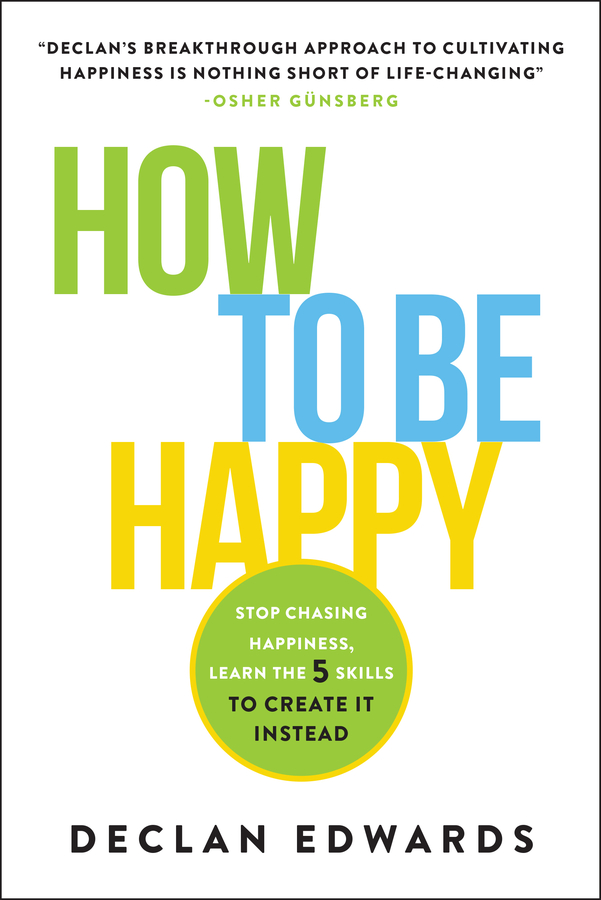

Declan Edwards, author of How To Be Happy (Wiley $34.95), is a happiness researcher, educator, and philosopher with a Masters Degree in Positive Psychology. As the founder of BU Happiness College Declan has dedicated his career to sharing the science and the skillsets that create happier workplaces, happier communities, and happier living. How To Be Happy breaks down the 5 happiness skills that Declan believes are most important to begin with. Find out more at www.declanedwards.com.au