

“How many times do I have to ask you?!” 😩
Shoes on. Teeth brushed. Time to leave. And somehow you’ve asked 17 times… with absolutely no response.
But what if your child isn’t deliberately ignoring you?
Sometimes children are so absorbed in play, emotions or what’s happening around them that they need us to communicate differently before they can truly hear and process what we’re saying. ❤️
From connection and touch to lowering your voice, using gestures and noticing the emotions underneath their behaviour, there are simple ways to help your child tune in — without turning every request into a battle.
Because sometimes, they don’t need us to say it louder. They need us to connect differently

📦🏡 For you, it’s moving house. For your child, it can feel like their whole world is changing.
Their bedroom is packed into boxes. Their familiar routines disappear. Their friends are left behind. And suddenly, they’re expected to feel excited about a new home, a new school and a whole new world.
But here’s the thing…
💛 You can make moving feel very different for your child.
From knowing when to tell them about the move, to giving them a real job on moving day, keeping their favourite things close and making sure their bedroom is ready first — the small things can make a surprisingly big difference.
And one of the most important parts happens AFTER the removal truck leaves…
Because settling into a new home, finding friends and feeling like they belong takes time.
If you’re moving with kids, or planning a move soon, this is one article you’ll want to read before the boxes are packed.
👉 Discover what actually helps children feel safe, involved and at home after a move.

Your family has grown. Has your home kept up? 🏡❤️
The kids are bigger. The kitchen feels smaller. The bedrooms are bursting. And suddenly, you’re wondering whether it’s time to move.
But what if you don’t actually want to leave?
Your children’s school, their friends, the neighbours you know, the local park, grandparents nearby… sometimes the home isn’t the problem. It’s simply stopped working for the family living inside it.
With Australians increasingly weighing up the cost of moving against the cost of renovating and extending, could staying put and making your existing home work better actually make more sense?
From the real cost of moving to growing families, multigenerational living, renovation disruption and planning for the next 5–10 years, here’s what parents should think about before making the big decision.
🏡 Move… or make the home you already love work harder for your family?

When a family changes, children can feel it in ways they don’t always have the words to explain. 💔
Separation can bring big emotions, uncertainty, two homes, changing routines and questions that are sometimes hard for parents to answer.
But you don’t have to make separation painless to help your child feel safe, loved and secure.
From what to say — and what not to say — to managing routines, conflict, parenting arrangements and those moments when your child says, “I don’t want to go”, this guide offers practical, compassionate advice for parents trying to navigate one of life’s hardest transitions.
Because sometimes, the most important thing your child needs isn’t a perfect parent or a perfect arrangement.
They just need to know: “I’m loved. This isn’t my fault. And I’m going to be okay.” ❤️

🏠 I don’t want to move…”
For adults, moving house might mean a fresh start, a better home or simply doing what needs to be done.
But for a child, it can mean saying goodbye to their bedroom, their friends, their school, their favourite places and the little routines that make life feel safe. 💔
And when families are forced to move more often because of Australia’s housing and rental crisis, what does that mean for our children?
New research reveals that children who move frequently can experience changes in their emotions, sleep, eating, routines, concentration and sense of belonging.
The good news? There are things parents can do to help. ❤️
From how you first tell your child about the move, to using stories, play, photos and familiar connections to help them understand and process the change.
If your family is preparing for a move, don’t just pack the boxes — prepare your child’s heart, too.
👉 Read the article to discover how you can help your child feel safer, supported and connected through a big move.
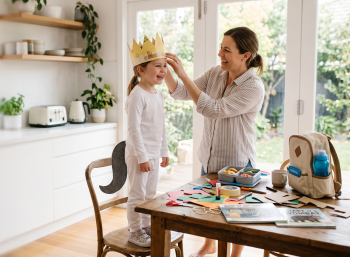
😱 Just found another school note announcing Book Week or the 100th Day of School… and it’s tomorrow?
Take a deep breath! 💛 You don’t need expensive costumes or a late-night craft marathon.
From a clever 100-year-old makeover to Matilda, Paddington, Max, The Very Hungry Caterpillar and more, these 10 easy costume ideas can be created using things you probably already have at home.
Less stress. Less spending. More smiles. ✨
Read the article now and make this year’s dress-up day one to remember, for all the right reasons.

Another week. Another packed calendar. Another “quick” dash from school to sport, then home for dinner, homework and bedtime. 😮💨
If your family is constantly rushing from one thing to the next, you’re definitely not the only one.
The tricky part is that most of us aren’t trying to over-schedule our kids. We’re just saying yes to the things they enjoy, the things they need, the things their friends are doing… and suddenly there’s barely a free night left.
So how do you know what to keep, what to let go and when your child simply needs some time to do absolutely nothing?
Our latest article shares realistic ways to take the pressure off the family calendar, protect downtime and make room for more connection and joy — without giving up everything your kids love.
Because sometimes, the best thing you can put in the calendar is nothing at all. ❤️

🎸 What if learning guitar could do so much more than teach your child to play music?
Every chord, every practice session, and every small breakthrough is helping to strengthen the developing brain. From improving focus and memory to building resilience, coordination and problem-solving skills, guitar lessons offer benefits that reach far beyond music.
If you’ve ever wondered whether music lessons are really worth the investment, the science might surprise you. Discover what’s actually happening inside your child’s brain every time they pick up a guitar—and why it could be one of the best gifts you give their future.
✨ Read the full article and see why guitar may be one of the smartest hobbies a child can have.
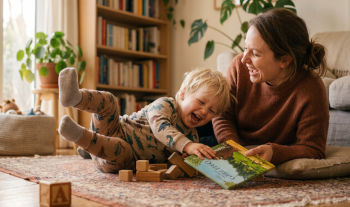
Have you ever felt like becoming a parent meant losing a part of yourself? 💛
You’re not alone.
Many parents spend so much time caring for everyone else that their own happiness quietly slips away. But here’s the surprising truth: one of the most powerful ways to raise happy, emotionally resilient children is to nurture your own wellbeing first.
In this honest and deeply personal article, happiness researcher and first-time dad Declan Edwards shares the reality of navigating sleep deprivation, postnatal mental health challenges, and the unexpected “parenting paradox”—along with three simple, science-backed strategies that helped him rediscover joy in parenthood.
✨ Learn why protecting your own happiness isn’t selfish—it’s one of the greatest gifts you can give your child.
If you’ve ever felt exhausted, overwhelmed, or like you’re simply trying to survive the day, this article is for you.
Read the full story

The best family beach days aren’t the ones where everything goes perfectly… they’re the ones where you’re prepared for whatever comes your way. ☀️🏖️💙
Every parent knows how quickly a forgotten hat, empty drink bottle or hungry toddler can turn a relaxing day at the beach into a stressful one.
The good news? A little planning goes a long way.
This practical guide shares the smart packing essentials, expert beach safety advice and simple tips that help keep your family protected from the Australian sun, safe around the water, well-fed, hydrated and ready to enjoy every moment together.
Because the memories your children will treasure won’t be about the perfect picnic… they’ll be about the laughter, the waves, the sandcastles and the time you spent together.
🌊 Before you head to the beach, make sure you’ve packed what really matters.
Read the full guide today.
Get parenting advice and support delivered right to your inbox
We'd love to hear what you think of the website, so we can continue to improve it . . . GIVE YOUR FEEDBACK >