
Kiddipedia
Sesame Street Returns: Helping Children Navigate Big Feelings, Kindness and Friendship
From understanding emotions and developing empathy to building friendships and learning compassion, the iconic children’s series is bringing some important life lessons to the screen. Here’s why these skills matter and how parents can nurture them at home.
There are some things about childhood that are difficult to explain to little people. Why does sharing a favourite toy sometimes feel so hard? Why can a friend not wanting to play together bring on such enormous tears? And why can something as simple as losing a game turn an otherwise happy afternoon upside down?
For little people, these aren’t necessarily little problems. They’re big feelings, unfamiliar experiences and important lessons they’re still learning to navigate.
As parents, we want our children to grow into kind, caring and confident individuals who can understand their own feelings, recognise when someone else needs a little kindness and build positive relationships with the people around them. But these skills don’t develop overnight. They’re learned gradually through everyday experiences, loving relationships, play, conversations and the guidance of the adults children trust.
That’s why the themes explored in the new season of Sesame Street are particularly relevant to families. Returning to Netflix on November 23, the much-loved children’s series is putting kindness, compassion, friendship and managing big feelings at the heart of its latest adventures.
Through familiar characters, playful storytelling, music, humour and interactive activities, the new episodes explore situations that many young children will recognise, from feeling left out and experiencing jealousy to coping with disappointment and saying goodbye to someone special.
And while Elmo, Cookie Monster, Abby Cadabby and their friends might make these experiences entertaining to watch, the lessons behind them extend well beyond the television screen.
Understanding emotions, developing empathy and learning how to navigate relationships are important parts of early childhood development. So, what exactly are children learning when they explore these concepts, why do these skills matter, and how can parents help reinforce them in everyday family life?
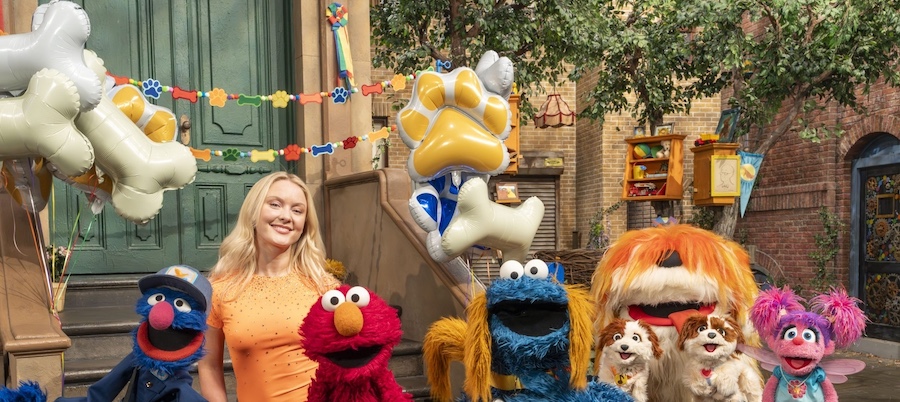
Sesame Street’s new season: kindness, compassion and managing big feelings
Sesame Street’s New Season Launches Monday, November 23 on Netflix, Focusing on Kindness, Compassion, and Managing Big Feelings
Celebrity Guests Zara Larsson, Post Malone, Tyler James Williams, and Michelle Buteau Drop in on Iconic Series; New Episodes Include Comedy and Play-Along Fun,
Animated Tales from 123, and More
GRAMMY Nominated Global Pop Superstar Zara Larsson Sings New Song with Elmo,
Abby Cadabby, and Cookie Monster
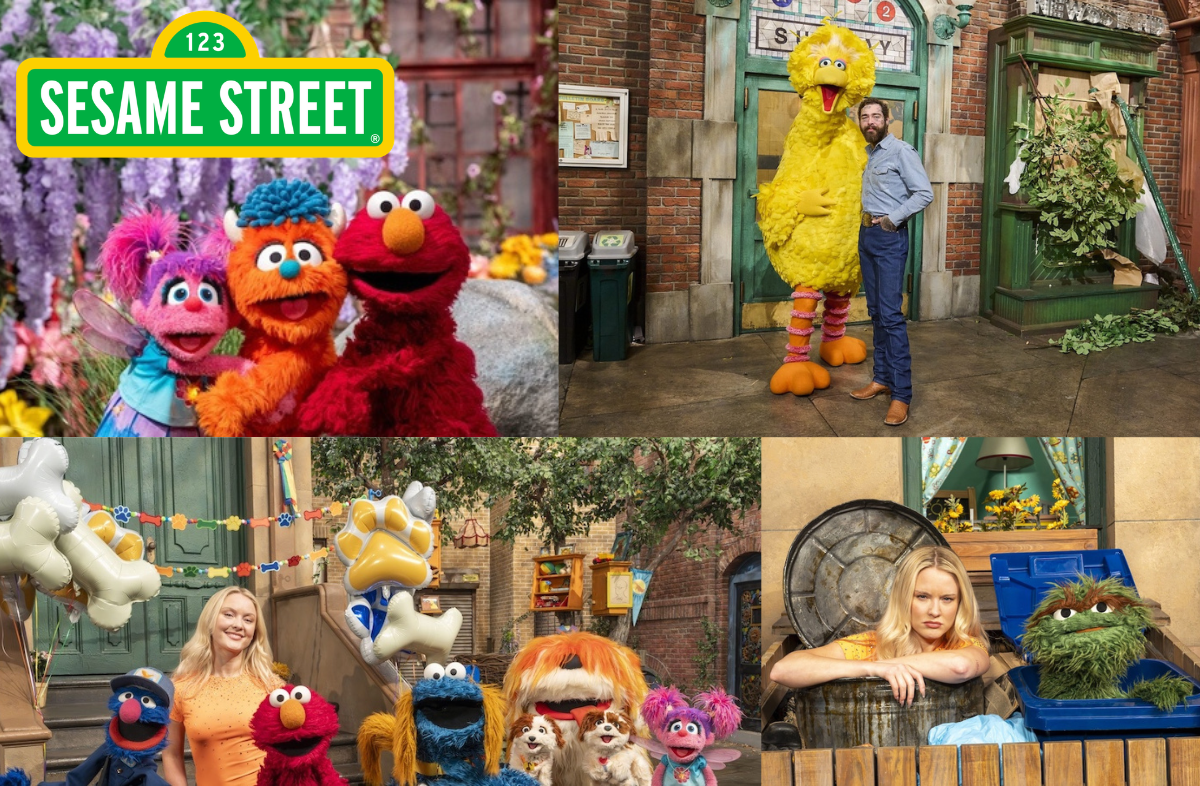
Beloved children’s series Sesame Street returns with a new season on Monday, November 23 on Netflix. Children can play along in new ways with episodes that help them manage big feelings, be caring and kind, and build strong relationships. As always, the fan-favourite show delivers lively animation, celebrity guests, original music, and plenty of laughs. The premiere marks the 57th season of Sesame Street.
New episodes will arrive on Netflix, with the first of three volumes launching next month and the other two following in 2027. Guest stars include Zara Larsson, Post Malone, Tyler James Williams, and Michelle Buteau. Additional celebrity friends will join Elmo, Cookie Monster, Abby Cadabby, Grover, and all the Muppets of Sesame Street in exclusive digital content throughout the season.
“This season Sesame Street continues to bring children right into the action through meaningful learning moments, big adventures, and plenty of surprises that make them laugh out loud,” said Sal Perez, Executive Producer, Sesame Street.
Through a compassionate mindset and social problem-solving curriculum, young viewers will learn how to identify big feelings and apply coping strategies to support themselves and others as they manage challenges and conflicts.
“Sesame Street’s curriculum is built around what children need most in the moment, and kindness and compassion are needed today more than ever,” said Dr. Rosemarie Truglio, Sesame Workshop’s Senior Vice President of Global Education. “Our curriculum explores social problem-solving in ways children can relate to, like taking turns, cheering up a friend, listening to and seeing things from another’s perspective, as they learn to collaborate with each other – all skills that will lay a foundation for lifelong emotional well-being.”
Each episode will feature an 11-minute story that is interactive and immersive, inviting young viewers to play a part in the adventure. Every story focuses on kindness, compassion, and big feelings and is designed to inspire children to carry the lessons beyond the screen. Viewers will hear familiar catchphrases, including Elmo’s “so happy to see you” and Cookie Monster’s “me excited!” Episodes in the first volume include:
- Elmo & Tango’s Puppy Playdate: Elmo and Tango throw a puppy playdate, but the special present they ordered for Tango’s cousin, Mambo, doesn’t arrive. So, Mail Monster Grover helps them find it. Meanwhile, Cookie Monster pretends to be a dog, like Barkley, to get a treat. Featuring celebrity guest Zara Larsson who sings “Puppy Dance Party” with Elmo, Abby, and Cookie Monster.
- Elmo’s Treasure Hunt: Elmo and his friends are explorers. But Rudy feels left out when he isn’t included in their imaginative play. Elmo and Abby apologize, give him a hug, and make a Buddy Rock to share with a friend in need. Meanwhile, Grover and Cookie Monster look for treasure.
- Abby’s Beastie Bestie: Abby teaches her beastie how to fly, but she feels sad when it needs to leave for Fairyland. To help, Nina and Elmo make Abby a memory box of things to remember the fun times. Meanwhile, Super Grover teaches Cookie Monster how to fly too.
- Elmo’s Game Night: Elmo feels jealous that his mummy and Abby are having fun together as teammates. Elmo does a heart breath to feel better and apologises to Abby and Rudy for not making game night fun. Meanwhile, Cookie Monster and Grover try to win a game.
In addition to the adventure narrative, each episode will feature the return of fan-favourite segments Elmo’s World, Cookie Monster’s Foodie Truck, and Tales from 123, an animated laugh-out-loud look at the wacky and whimsical shenanigans inside the world’s most famous 123 apartment building.
With the launch of this season, Sesame Street will continue to reach more children in more places than ever before in its 57-year history. New episodes will be available in more than 30 languages globally on Netflix, enabling Sesame Workshop to bring its research-based curriculum to young children around the world with Netflix’s global reach.
The new season comes on the heels of the recent announcement that Sesame Workshop and Netflix have extended their partnership to deliver new episodes through Season 62 and that Netflix is in development on a Sesame Street film, with Rideback and Sesame Workshop set to produce.
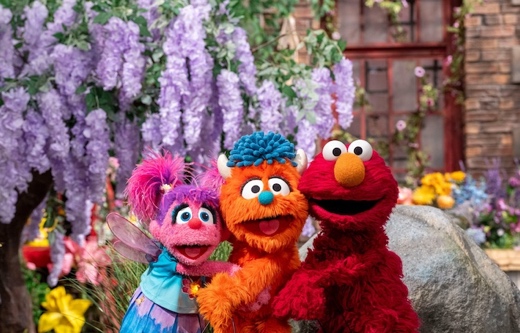
Why children need help understanding and managing big feelings
If you’ve ever watched your toddler become inconsolable because a banana broke in half, or your preschooler burst into tears because their sibling received the bigger biscuit, you’ll know that childhood emotions can be surprisingly powerful.
What might seem like a small disappointment to an adult can feel enormous to a child who hasn’t yet developed the skills to understand and manage that experience.
Emotional regulation is the ability to recognise, understand and manage emotional responses in ways that help us cope with everyday experiences.
It doesn’t mean never becoming angry, upset, disappointed or frustrated. Rather, it involves gradually learning how to experience those feelings, express them safely and find ways to move through them.
Why young children can struggle with big emotions
Children experience emotions long before they can explain them.
A baby can become distressed, a toddler can become frustrated and a preschooler can feel jealous or embarrassed, even when they don’t have the language to tell us what’s happening.
As children grow, several developmental abilities work together to support emotional regulation:
1. Brain development and impulse control
The brain systems involved in emotional responses, attention, planning and impulse control develop throughout childhood and adolescence.
Young children are still learning to pause, consider what is happening and choose an appropriate response. This helps explain why they might act on an immediate feeling before thinking about the consequences.
It is not realistic to expect a toddler to consistently demonstrate the same emotional control as an older child or adult.
2. Language and emotional understanding
Children need words to communicate what they are experiencing.
A child who cannot yet explain that they feel disappointed, overwhelmed or excluded may express that emotion through crying, shouting, withdrawing or challenging behaviour.
Helping children develop emotional vocabulary gives them another way to communicate their needs.
3. Developing social understanding
Understanding that another person can have different thoughts and feelings is a complex developmental achievement.
Young children are still learning to recognise other people’s perspectives. They may understand that their friend is crying without fully understanding why their own actions contributed to the situation.
4. Individual temperament and experiences
Children do not all respond to situations in the same way.
Some are naturally more sensitive to noise, change or uncertainty. Others may need more time to adjust to new environments or social situations.
Sleep, hunger, illness, sensory experiences, family changes and stressful events can also influence how well a child manages their emotions on a particular day.
The Australian Raising Children Network explains that children’s understanding and management of emotions develops over time, with emotional language and adult support providing an important foundation.
Emotional regulation is not the same as suppressing feelings
One of the most important things parents can teach children is that there are no bad feelings, but there are behaviours that need boundaries.
Children need to know that it is okay to feel angry, but it is not okay to hit someone. It is okay to feel jealous, but it is not okay to deliberately hurt another child. It is okay to feel disappointed, but they still need to learn how to express that disappointment safely.
For example:
- Instead of telling a child not to cry, acknowledge that they are sad.
- Instead of telling them they have no reason to be angry, help them understand what has upset them.
- Instead of dismissing their fear, reassure them that they are safe and supported.
- Instead of shaming jealousy, help them understand why sharing attention can sometimes feel difficult.
The aim isn’t to eliminate difficult emotions. It’s to help children understand that feelings are part of being human and that they can learn ways to manage them.
Co-regulation: why children need our help before they can calm themselves
Here’s something worth remembering on those particularly challenging parenting days: children cannot always calm themselves simply because we tell them to.
Before children can independently regulate their emotions, they often rely on trusted adults to help them feel safe and settle their emotional responses.
This is known as co-regulation.
It involves a caring adult providing reassurance, connection, guidance and support while a child experiences an overwhelming emotion.
Over time, through repeated experiences, children gradually develop their own strategies for managing difficult feelings.
ACECQA explains that repeated experiences of emotional co-regulation with warm, caring adults help children develop the ability to regulate their emotions independently. Its guidance also highlights that behaviour can communicate a child’s underlying emotional state, needs and developmental capabilities.
What does co-regulation look like at home?
It doesn’t need to involve complicated techniques.
Sometimes it looks like:
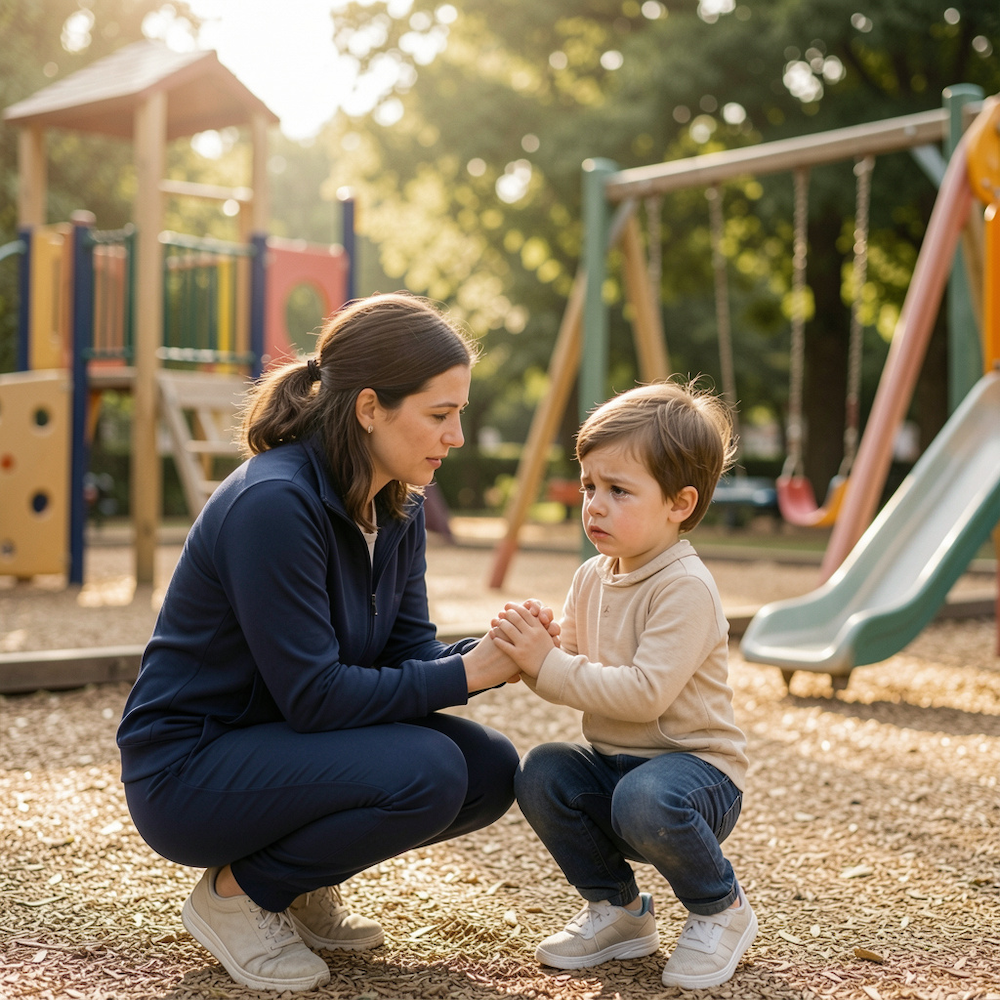
- Getting down to your child’s eye level.
- Speaking slowly and gently.
- Offering a reassuring hug if your child wants one.
- Giving them a little space while remaining nearby.
- Acknowledging what they are experiencing.
- Helping them move away from a situation that feels overwhelming.
- Offering simple choices once they are ready.
- Talking about what happened after everyone has had a chance to settle.
For example, if your child becomes upset because another child has taken their toy, you might say:
“I can see you’re really upset. You were playing with that toy and wanted to keep using it. Let’s work out what we can do.”
You are acknowledging the emotion, showing that you’ve understood the problem and helping your child begin to think about a solution.
Connection comes before correction. When children are overwhelmed, a long explanation about sharing or good manners is unlikely to be helpful. First help them feel safe and supported. The learning conversation can happen afterwards.
What if your child doesn’t want a hug?
Not every child wants physical comfort when they’re upset.
Some children prefer space, while others benefit from a quiet presence or a familiar object.
Follow your child’s cues, maintain safety and let them know you’re available. Emotional support should be responsive to the individual child rather than based on one approach that is expected to work for everyone.
Why teaching children kindness, compassion and empathy matters
We all want our children to be kind. We hope they’ll notice when someone is feeling sad, include another child in a game, offer comfort when somebody is hurt and understand that their words and actions can affect those around them.
But kindness and empathy are skills children need opportunities to learn, practise and develop.
They aren’t simply personality traits that children either have or don’t have. Their development is influenced by relationships, experiences, communication, observation and the examples set by the people around them.
Understanding the difference between kindness, empathy and compassion
Although these words are often used together, they describe slightly different aspects of how we understand and respond to other people.
- Empathy involves recognising or understanding another person’s feelings and, in some circumstances, sharing or relating to their emotional experience.
- Compassion involves noticing that someone may be struggling and developing a concern or desire to help.
- Kindness involves actions that show consideration, care, respect and thoughtfulness towards others.
For a young child, these concepts might begin with something wonderfully simple: noticing that a friend is crying, offering them a favourite toy or asking whether they would like to play.
As children grow, their understanding becomes more sophisticated. They gradually become better able to recognise that another person might feel differently from them, appreciate different perspectives and consider how their actions affect someone else.
This development takes time. A toddler who grabs a toy may not yet have the emotional understanding or impulse control to appreciate how upsetting that experience is for another child. That doesn’t mean they cannot learn kindness. It means they need patient guidance and repeated opportunities to practise.
Why empathy is important for children’s development
Empathy contributes to the way children interact with the world around them. It can support:
- Friendship development: Understanding other people’s feelings can help children form and maintain positive relationships.
- Communication: Children gradually learn to listen, respond and express their needs more thoughtfully.
- Conflict resolution: Recognising another person’s perspective can help children work through disagreements.
- Cooperation: Children learn to take turns, share experiences and work towards a common goal.
- Inclusion: Understanding that others have feelings and needs helps children become more considerate of differences.
- Emotional awareness: Recognising feelings in other people can also help children understand their own emotional experiences.
Australian early childhood guidance places considerable importance on responsive relationships, collaboration, empathy and children’s developing ability to regulate their behaviour. ACECQA’s National Quality Standard specifically recognises the importance of relationships that help children feel secure, confident and included.
The important message for parents is that empathy grows through experience. Children need to experience kindness themselves before they can consistently understand how to offer it to others.
Helping children see the world through someone else’s eyes
One of the more complex parts of emotional development is learning that other people have their own thoughts, feelings, preferences and experiences.
A child might love playing with dinosaurs while their friend prefers drawing. One might enjoy a noisy birthday party, while another feels overwhelmed by the noise.
Perspective-taking is the developing ability to consider how another person might see or experience a situation.
It doesn’t mean children must always agree with others. It means gradually recognising that another person’s experience may be different from their own.
How can parents encourage perspective-taking?
Try making small observations during everyday activities.
If your child sees another child crying, you might ask:
“Do you think they’re feeling okay?”
If a friend doesn’t want to play, try:
“What do you think they might like to do instead?”
When reading a story:
“How do you think that character felt when nobody listened?”
The aim isn’t to test children or expect an immediate correct answer. It’s to introduce the idea that other people have feelings worth considering.
Why listening matters
Listening is an important part of healthy relationships.
Children need opportunities to practise waiting while someone else speaks, noticing what another person is saying and responding thoughtfully.
Simple family conversations, shared games and storytelling can all provide opportunities to develop these skills.
And remember, children are still learning. They won’t always respond with empathy, even when they understand what it means. Gentle reminders and consistent modelling are much more useful than expecting perfection.
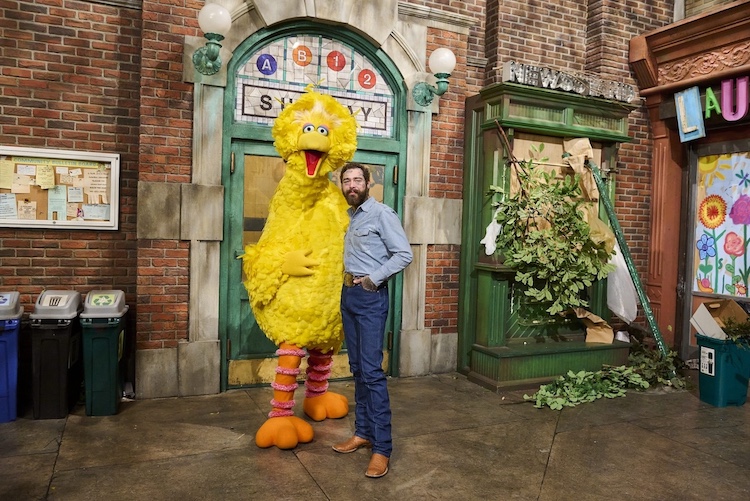
Four Sesame Street episodes and the important lessons children can learn
The four featured episodes in the first volume explore everyday experiences that can provide useful opportunities for parents to talk about feelings, friendships and relationships.
Here is how the stories connect with children’s developing social and emotional skills.
1. Elmo & Tango’s Puppy Playdate: learning to manage disappointment and adapt
The developmental lesson: flexibility, patience and problem-solving.
In this episode, Elmo and Tango organise a puppy playdate, but the special present they ordered for Tango’s cousin, Mambo, doesn’t arrive as expected.
It’s a situation many children can relate to. Perhaps a birthday present hasn’t arrived, a planned outing is cancelled or a special activity doesn’t happen the way they imagined.
For young children, unexpected changes can be difficult. They may have spent considerable time looking forward to something and find it hard to adjust when their expectations aren’t met.
This is where parents can help children practise flexible thinking and problem-solving.
Rather than immediately trying to make everything better, acknowledge the disappointment and explore what might happen next.
Try asking:
- “What were you looking forward to?”
- “How do you think we could make the day special another way?”
- “What else could we do while we wait?”
- “Can we think of a different plan?”
The aim isn’t to suggest that children should never feel disappointed. It’s to help them discover that something not going to plan doesn’t mean all the fun has to stop.
A little extra learning: The puppy playdate also provides an opportunity to talk about caring for animals, respecting their needs and understanding that pets are living beings rather than toys.
2. Elmo’s Treasure Hunt: helping children understand inclusion and belonging
The developmental lesson: empathy, inclusion and repairing friendships.
When Rudy feels left out of the imaginative play, Elmo and Abby have an opportunity to recognise how their actions have affected their friend.
This is an important experience for children because feeling included and having a sense of belonging are fundamental parts of positive social relationships.
Young children may not always realise that excluding someone from a game can hurt their feelings. Sometimes they are simply caught up in their own play.
Parents can help by drawing attention to what another child might be experiencing.
For example:
- “How do you think Rudy felt when he wasn’t included?”
- “What could Elmo and Abby do to help?”
- “Have you ever wanted to join a game but didn’t know how?”
- “How could we make sure everyone gets a turn?”
This is also an opportunity to discuss apologies.
A meaningful apology involves more than saying the words. Children need help understanding what happened, recognising how another person may have felt and considering how they can make things better.
The Buddy Rock featured in the episode is a lovely example of using a simple, thoughtful gesture to communicate friendship and care.
A little extra learning: Encourage children to think about ways they can include others during play, at childcare, at preschool and when spending time with siblings or friends.
3. Abby’s Beastie Bestie: helping children cope with sadness and saying goodbye
The developmental lesson: separation, change and emotional connection.
Abby feels sad when her beastie needs to leave for Fairyland.
For children, saying goodbye can be surprisingly difficult, particularly when it involves someone or something they love.
It might be a friend moving away, a favourite educator changing rooms, a grandparent returning home after a visit or a much-loved pet no longer being around.
Children may not yet understand why these changes happen or how to express the sadness they experience.
Rather than rushing them to feel better, give them permission to miss someone.
You might say:
- “You’re going to miss playing with your friend, aren’t you?”
- “It’s okay to feel sad when someone goes away.”
- “Would you like to draw a picture for them?”
- “What was your favourite thing you did together?”
The memory box Nina and Elmo create for Abby provides a wonderful starting point for discussing how memories can help us remember people, places and experiences that matter to us.
Parents can create their own memory boxes using photographs, drawings, small keepsakes or pictures of special moments.
A little extra learning: Children benefit from knowing that relationships can remain meaningful even when people are not physically together. Simple, predictable goodbye routines and opportunities to talk about memories can help children navigate transitions.
4. Elmo’s Game Night: understanding jealousy and managing frustration
The developmental lesson: recognising jealousy, emotional awareness and taking responsibility.
Elmo feels jealous when his mummy and Abby enjoy playing together as teammates.
It’s a familiar experience for many families, particularly those with siblings.
Children can sometimes find it difficult when a parent gives attention to someone else. They may worry about missing out, feel overlooked or struggle to understand that another person’s relationship doesn’t diminish their own.
Jealousy is a normal human emotion. What matters is helping children understand it and learn how to respond appropriately.
Parents might say:
- “It can be hard when someone else gets to spend time with Mum.”
- “You wanted to play with us too, didn’t you?”
- “You can feel jealous, but we still need to speak kindly.”
- “Let’s work out how we can all have some time together.”
The heart breath Elmo uses also introduces an opportunity to discuss simple breathing exercises.
Children can practise taking a slow breath in and gently breathing out. Making this a playful activity when everyone is calm can help children become familiar with the technique.
It is worth remembering that breathing exercises are tools, not magic solutions. Some children enjoy them, while others prefer movement, quiet time, sensory activities or reassurance.
A little extra learning: Help children recognise that relationships aren’t competitions. They can enjoy their own special connection with a parent while that parent also enjoys spending time with other people.
How parents can nurture these skills through everyday experiences
Understanding emotional development is one thing. Knowing what to do when your child is standing in the middle of the supermarket having a meltdown is another!
Thankfully, helping children develop emotional awareness doesn’t need to involve complicated activities or additional pressure on already busy families.
Much of the learning happens in ordinary moments.
Ten practical ways to help your child navigate big feelings
1. Help your child put a name to their feelings
Children cannot always explain what is happening inside them.
Start by introducing simple emotional words such as happy, sad, angry, worried, excited, frustrated and disappointed.
You might say:
“You’re frustrated because the blocks keep falling over.”
Or:
“You’re excited because we’re going to see Grandma.”
Over time, children can begin using these words themselves.
2. Acknowledge feelings rather than dismissing them
Telling a child there is nothing to be upset about doesn’t necessarily make the feeling disappear.
Instead, acknowledge what they are experiencing.
“I know you really wanted to go to the park. It’s disappointing when plans change.”
This doesn’t mean you have to change your decision. It simply shows your child that their feelings matter.
3. Model the behaviour you want to see
Children learn a great deal by watching the adults around them.
If we want children to speak kindly, apologise when they make mistakes and manage frustration respectfully, they need to see those behaviours in action.
For example:
“I’m feeling a little frustrated because we’re running late. I’m going to take a breath and work out what we need to do.”
These everyday moments show children that adults experience difficult feelings too, and that there are constructive ways to manage them.
4. Practise simple breathing exercises
When children are calm, introduce gentle breathing activities.
Try:
- Smelling an imaginary flower and slowly blowing out a candle.
- Pretending to inflate a balloon in their tummy.
- Taking a slow breath before starting a game.
- Blowing bubbles and watching them float away.
Keep it playful and avoid forcing children to participate when they are already distressed.
5. Use a feelings chart
Pictures can make emotions easier for younger children to recognise.
Create a simple chart with different facial expressions and ask:
“Which face looks like how you’re feeling today?”
Children can point rather than speak if they are still developing their language skills.
A feelings chart can also be useful during morning routines or before bedtime.
6. Use stories to explore emotions
Books and stories give children opportunities to explore experiences from a little distance.
Ask questions such as:
- “Why do you think that character is sad?”
- “What could their friend do to help?”
- “Have you ever felt like that?”
- “What do you think might happen next?”
The Australian Raising Children Network recommends reading, puppet play and other activities as ways to help children explore emotions and develop empathy.
7. Encourage imaginative play
Puppets, dolls, toy animals and dress-ups can help children act out situations they may find difficult to explain.
A puppet might feel left out. Another might become frustrated because it cannot have a turn.
Children can experiment with different responses, explore solutions and practise communication in a relaxed setting.
8. Give children opportunities to solve small problems
It’s tempting to step in immediately when children experience frustration.
However, manageable challenges can provide valuable opportunities to practise problem-solving.
Rather than immediately fixing a situation, try asking:
“What could we do?”
“Can you think of another way?”
“Would you like a little help getting started?”
Offer support without taking away every opportunity for children to develop their own solutions.
9. Encourage creative ways to express emotions
Not every child finds it easy to talk about feelings.
Drawing, painting, music, movement, construction and imaginative play can provide other ways to communicate.
A child might draw a picture of something that made them angry or use colours to represent how they feel.
There is no need to interpret every drawing or turn creative activities into a formal emotional exercise. Sometimes the value is simply in giving children another way to express themselves.
10. Remind your child that your love doesn’t depend on their behaviour
Children need to know that they remain loved and valued even when they make mistakes or experience difficult emotions.
This doesn’t mean removing boundaries or accepting unsafe behaviour.
It means separating the child from the behaviour.
“You are loved, and I won’t let you hit your brother. Let’s work out what happened.”
That combination of reassurance and clear boundaries helps children understand that they can be supported while still learning to take responsibility.
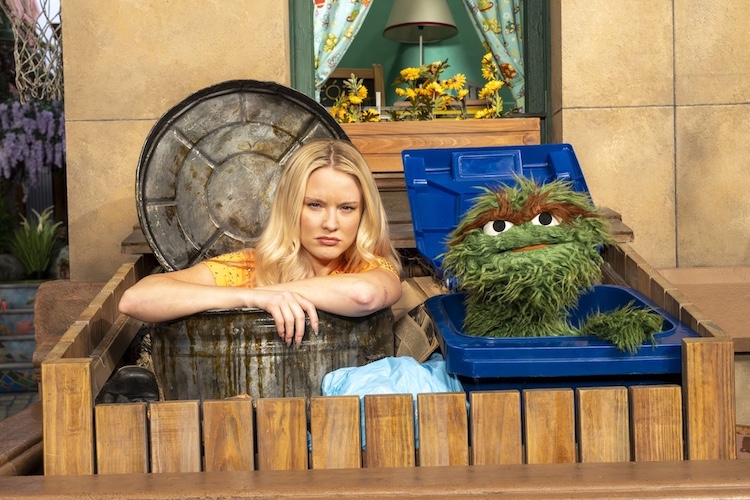
Why children learn some of life’s biggest lessons through play
There is a reason children can spend hours pretending to run a shop, caring for their dolls, building imaginary worlds or creating elaborate adventures with their toys.
Play is one of the important ways young children explore, practise and make sense of the world.
Through play, children can experiment with ideas, negotiate roles, communicate, solve problems and explore different social situations.
Australian early childhood guidance from ACECQA recognises the importance of play-based learning and intentional teaching. It explains that when children play with others and interact with adults, they create relationships, develop friendships, challenge ideas and build new understandings.
Five simple play activities that encourage emotional learning
1. Feelings charades
Take turns acting out different emotions using facial expressions and body language.
Can your child guess whether you’re happy, surprised, worried or frustrated?
Then swap roles.
What children practise: Recognising emotions and noticing non-verbal communication.
2. Puppet conversations
Use two puppets to act out everyday situations.
Perhaps one puppet doesn’t want to share, another feels left out or someone becomes upset after losing a game.
Ask your child what the puppets could do to make things better.
What children practise: Communication, empathy and problem-solving.
3. Taking-turns games
Choose a simple board game, matching game or building activity.
Encourage children to practise waiting, taking turns and responding when someone else has a turn.
What children practise: Patience, cooperation and managing frustration.
4. Storytime discussions
While reading a story, pause to explore how the characters might be feeling.
Ask what they could do differently or how another character might help.
What children practise: Perspective-taking, emotional vocabulary and empathy.
5. Imaginative role-play
Set up a pretend café, doctor’s surgery, supermarket or animal rescue centre.
Give children opportunities to take on different roles and work together.
What children practise: Cooperation, communication, negotiation and understanding different perspectives.
The important thing is to let children lead much of the play. Parents can offer ideas and ask questions without turning every game into a lesson.
When friendships get complicated: helping children navigate jealousy, exclusion and disagreements
Friendships can bring some of childhood’s happiest moments, but they can also introduce situations that little people find difficult to navigate.
One day your child might have a wonderful time playing with a friend. The next, they might come home upset because someone wouldn’t share, another child played with somebody else or they weren’t invited into a game.
These experiences can be hard for parents to watch, particularly when we wish we could make everything better.
But learning how to navigate friendships is an important part of growing up.
Understanding childhood jealousy
Jealousy can occur in friendships, sibling relationships and family situations.
A child might feel jealous when a sibling receives attention, a friend plays with another child or someone else gets to do something they wanted to do.
Instead of treating jealousy as something shameful, help children understand what is happening.
Try saying:
“It looks like you wanted to play with them too. It’s hard when someone else gets to do something you wanted.”
Then gently reinforce the boundaries:
“You can tell them you’re disappointed, but we still need to be kind.”
For siblings, individual time with each child can also help them feel valued and secure in their relationship with their parents.
Helping children when they feel left out
Feeling excluded can be upsetting, even for young children.
Sometimes children are deliberately unkind, but other times they simply become absorbed in their own game without realising someone else wants to join.
Help your child find ways to communicate.
For example:
- “Can I play too?”
- “Would you like to build something together?”
- “Can we take turns choosing the game?”
- “Would you like me to help you ask?”
If exclusion becomes repeated or you are concerned about bullying, speak with your child’s educator or teacher rather than expecting your child to manage the situation alone.
Learning to resolve disagreements
Children will not always agree about what to play, who gets a particular toy or whose turn comes next.
These disagreements provide opportunities to practise:
- Listening.
- Explaining what they want.
- Waiting.
- Negotiating.
- Compromising.
- Finding solutions.
Parents can help by staying calm and guiding the conversation.
Instead of immediately deciding who is right, try:
“I can hear that you both want the same toy. Let’s work out a way for everyone to have a turn.”
Of course, if children are hurting one another or there is a safety concern, adults need to step in immediately.
Teaching children to apologise and make things right
A meaningful apology involves understanding what happened and recognising that another person may have been hurt.
Simply making a child repeat the words “I’m sorry” doesn’t necessarily teach them why an apology matters.
ACECQA’s guidance highlights the importance of helping children reflect on their actions and understand their effect on others, rather than encouraging apologies that are merely empty gestures.
Parents can ask:
- “What happened?”
- “How do you think your friend felt?”
- “What could we do to help?”
- “Is there something we could do differently next time?”
Sometimes repairing a relationship might involve an apology. At other times, it could mean returning a toy, helping rebuild something or giving another child space.
The goal is to help children understand responsibility, not to make them feel ashamed.
Helping children develop resilience when things don’t go to plan
Resilience is often described as the ability to bounce back from challenges, but for young children it involves much more than simply being tough.
It includes developing the confidence, relationships and skills to navigate difficulties with support.
Think about the everyday situations that challenge children:
- Losing a game.
- Making a mistake.
- Having to wait.
- Not getting their preferred choice.
- Trying something that feels difficult.
- Saying goodbye to a friend.
- Experiencing a change in routine.
These experiences can provide opportunities to practise coping skills, particularly when children have a trusted adult available to support them.
Why children need opportunities to experience manageable frustration
It’s natural to want to protect our children from disappointment.
But if we solve every problem immediately, children have fewer opportunities to discover that they can work through challenges.
This doesn’t mean leaving a child to struggle alone.
Instead, offer encouragement and support while allowing them to participate in finding a solution.
For example:
“I can see you’re finding that puzzle tricky. Would you like to try another piece together?”
This communicates that challenges are manageable and that asking for help is perfectly okay.
Resilience isn’t about never feeling upset. It’s about learning that difficult feelings and experiences can be worked through with the right support.
Every child develops emotional skills at their own pace
One of the most important things to remember about childhood development is that there is no single timetable for learning emotional skills.
Some children find it easy to talk about their feelings, while others communicate through play, movement, facial expressions or behaviour.
Some children adapt quickly to new environments, while others need more time and reassurance.
Temperament, language development, sensory preferences, family circumstances, developmental differences and previous experiences can all influence how children express and manage emotions.
Understanding neurodiversity and individual differences
Children who are neurodivergent may experience or communicate emotions differently.
For example, some children may find changes in routine particularly challenging, experience sensory input more intensely or need additional time to process social information.
Others may understand another person’s feelings but find it difficult to communicate an appropriate response in the moment.
It’s important not to assume that every child will recognise, express or manage emotions in the same way.
Emotional development should be supported in ways that respect each child’s individual needs, communication style and abilities.
Rather than comparing siblings or expecting every child to respond identically, focus on the skills your own child is developing and the support that helps them feel secure.
If you have ongoing concerns about your child’s emotional development, communication, behaviour or relationships, speak with your GP, child and family health nurse or an appropriate child development professional.
Seeking advice doesn’t mean something is necessarily wrong. It can simply help you understand your child’s needs and identify useful support.
Beyond ABCs and 123s: why social and emotional skills matter for school readiness
When we think about preparing children for school, we often focus on recognising letters, counting, writing their names and following instructions.
These skills are important, but being ready for school also involves developing social and emotional capabilities.
Imagine a child starting school and needing to:
- Join a group activity.
- Ask an unfamiliar adult for help.
- Wait for a turn.
- Share equipment.
- Communicate when they need something.
- Cope when a game doesn’t go their way.
- Navigate disagreements.
- Follow a new routine.
- Build relationships with other children.
- Manage the emotions that come with a new environment.
These experiences require much more than academic knowledge.
They involve communication, confidence, flexibility, self-regulation and the ability to develop relationships.
What does Australia’s Early Years Learning Framework say?
Australia’s Early Years Learning Framework V2.0 (EYLF) recognises that children’s learning and development are interconnected.
Its five learning outcomes provide a useful way to understand how the themes explored in Sesame Street connect with early childhood education.
| EYLF learning outcome | What this can look like in everyday life |
|---|---|
| 1. Strong sense of identity | Developing confidence, independence and a sense of belonging |
| 2. Connected with and contribute to their world | Showing kindness, inclusion, respect and consideration |
| 3. Strong sense of wellbeing | Developing emotional awareness and self-regulation |
| 4. Confident and involved learners | Exploring, problem-solving, experimenting and learning through play |
| 5. Effective communicators | Expressing feelings, listening, sharing ideas and communicating with others |
These outcomes are not a checklist that every child must complete at the same age. The framework recognises that children develop in different ways and at different rates.
The connection with Sesame Street is particularly clear in its emphasis on relationships, communication, wellbeing, play and children’s growing understanding of the world around them.
Little eyes are watching: why parents are important emotional role models
It’s easy to think that teaching children about kindness involves reminding them to share, encouraging them to say sorry and asking them to be considerate.
But some of the most important lessons happen when children are simply watching us.
They notice how we speak to other people, how we respond when things go wrong and how we treat someone who needs help.
They also notice what happens when we make mistakes.
Show children that adults have feelings too
Parents don’t need to pretend they are happy all the time.
In fact, acknowledging your own emotions can help children understand that difficult feelings are normal.
For example:
“I’m feeling a little overwhelmed because there are lots of things to do today. I’m going to take a moment and work out what needs to happen first.”
This demonstrates emotional awareness and a constructive response.
Let children see you apologise
We all have moments when we’re impatient, distracted or short-tempered.
What matters is how we respond afterwards.
You might say:
“I’m sorry I raised my voice earlier. I was frustrated, but I should have spoken more calmly.”
This teaches children that apologising is not a sign of weakness. It is a way of taking responsibility and repairing a relationship.
Show kindness in ordinary moments
Children learn from the small things:
- Helping a neighbour.
- Checking whether someone is okay.
- Thanking people who help us.
- Listening when someone is speaking.
- Including someone who might be alone.
- Treating animals with care.
- Speaking respectfully, even when we disagree.
These experiences help children see kindness as something we do, not simply something we talk about.
And remember, children don’t need perfect parents. They need adults who are willing to show them what learning, growing and trying again look like.
Raising children who celebrate differences and make others feel welcome
Kindness and compassion also involve understanding that not everyone is the same.
Children grow up alongside people with different personalities, backgrounds, abilities, cultures, languages, family structures and experiences.
Helping children appreciate these differences can support a stronger sense of inclusion and belonging.
Everyday ways to encourage inclusion
Parents can:
- Read stories featuring characters from different backgrounds and experiences.
- Talk positively about differences.
- Encourage children to include others in play.
- Explain that people may communicate or learn in different ways.
- Help children understand that everyone has individual needs.
- Challenge unkind comments in an age-appropriate way.
- Model respect towards people in everyday interactions.
For younger children, keep conversations simple and connected to real experiences.
For example:
“Everyone is different, and that’s one of the things that makes our world interesting. We can all play, learn and be friends in different ways.”
Australia’s Early Years Learning Framework places importance on identity, community, connection, inclusion and respect for diversity. These ideas are relevant not only in early childhood settings but also in everyday family life.
Can music and songs help children explore emotions?
Music is another familiar feature of Sesame Street, from its catchy songs to the playful performances of its characters.
For young children, music can provide opportunities to explore language, rhythm, movement and shared experiences.
Songs can introduce new words, encourage repetition and make everyday activities more engaging.
Parents can use music to create playful opportunities to talk about feelings.
For example:
- Make up a song about taking turns.
- Sing while tidying toys together.
- Use movement to act out different emotions.
- Create a gentle bedtime song.
- Invent a silly song about solving a problem.
Music can also provide an opportunity for children who find verbal communication difficult to participate through movement, rhythm or expression.
There is no need to turn every song into a developmental activity. Sometimes singing together, laughing and enjoying a shared moment is valuable in itself.
Can educational television help children learn about emotions?
With Sesame Street returning to Netflix, it’s worth considering how children’s television fits into the bigger picture of early childhood development.
Television and digital media are part of many Australian family routines. And while educational programmes can introduce children to ideas, stories and unfamiliar experiences, the way children engage with screen content matters.
An episode featuring a character who feels jealous, for example, might give a child an opportunity to recognise an emotion they have experienced themselves.
A story about someone being left out could prompt a conversation about friendship. A character who apologises might introduce the idea of taking responsibility.
However, watching a character demonstrate a skill doesn’t automatically mean a child will be able to use that skill independently in real life.
Children need opportunities to practise what they see through relationships, conversations and everyday experiences.
Why watching together can make a difference
Rather than simply putting on an episode and leaving children to watch alone, parents can occasionally participate in the experience.
This is often described as co-viewing.
It involves watching alongside your child, talking about what is happening and helping them make connections between the story and their own experiences.
For example:
- “Why do you think Elmo feels jealous?”
- “What could Abby do to help her friend?”
- “Have you ever felt disappointed when something didn’t happen?”
- “What would you do if someone was left out of your game?”
The Australian Institute of Family Studies discusses co-participation as a way for parents and children to engage with screen content together, creating opportunities for conversation and language development.
A story can provide a starting point, but the real learning happens through the interaction that follows.
Australian screen-time recommendations parents should know
The Australian Government provides age-based recommendations for sedentary screen time as part of its physical activity and movement guidance.
| Age group | Australian recommendation |
|---|---|
| Under 2 years | No sedentary screen time |
| 2–5 years | No more than one hour per day; less is better |
| 5–17 years | No more than two hours of sedentary recreational screen time per day, excluding schoolwork |
These recommendations are about balancing children’s overall day, including sleep, physical activity, play, movement and time spent sitting.
For children aged 5–17, the two-hour recommendation relates to recreational sedentary screen time, not schoolwork.
The Australian Government also encourages parents of preschoolers to prioritise educational activities such as reading, storytelling, singing, puzzles and creative play.
Making screen time more purposeful
If your family chooses to watch Sesame Street, here are some simple ways to make the experience more interactive:
- Watch together when possible. Your presence creates opportunities to discuss what is happening.
- Talk about the characters’ feelings. Help children recognise emotions and understand why characters might respond in particular ways.
- Pause and ask questions. Give children time to think about what they might do in a similar situation.
- Revisit the story afterwards. Encourage children to act out a scene or draw a picture about what happened.
- Connect the lesson to everyday life. If a character learns to include someone, talk about ways your child can do that with friends.
- Keep a healthy balance. Make room for outdoor play, physical activity, reading, family conversations and unstructured imaginative play.
It’s also important to consider the Australian classification and availability of the programme before allowing children to watch.
Creating a family feelings routine
Between work, school, childcare, meals, washing and everything else that comes with family life, finding time for another activity can feel like an impossible task.
The good news is that helping children develop emotional awareness doesn’t require a complicated routine.
Small conversations can happen naturally throughout the day.
Here are a few ideas.
The daily feelings check-in
Ask your child how they’re feeling when you collect them from childcare or preschool.
Try:
“What was the happiest part of your day?”
“Was there anything that made you feel a little sad or frustrated?”
The dinner-table conversation
Invite everyone to share one thing they enjoyed and one thing they found challenging during the day.
The bedtime reflection
Before sleep, talk about something that made your child feel proud, excited, worried or happy.
The family kindness challenge
Choose one small act of kindness each day.
It might be helping someone, sharing something, making a card or checking whether a friend is okay.
The feelings wall
Create a simple display with pictures representing different emotions. Children can point to how they are feeling or move their name or photograph beside an emotion.
The most important thing is to keep these conversations relaxed and age-appropriate. Children should never feel that they have to report or explain every emotion.
Frequently asked questions about children’s emotional development
At what age do children start understanding emotions?
Children experience emotions from infancy, but understanding, recognising and communicating those feelings develops gradually.
Babies communicate through facial expressions, sounds and behaviour. Toddlers begin developing emotional vocabulary, while preschoolers gradually become better at recognising emotions in themselves and others.
The pace varies between children.
How can I teach my toddler to recognise their feelings?
Start by naming emotions during everyday experiences.
For example, “You’re smiling because you’re excited” or “You’re frustrated because the tower fell over.”
Use simple words, facial expressions, books, songs and play to help your child become familiar with different feelings.
Why does my child have such big emotional reactions?
Young children are still developing the language, impulse control and emotional regulation skills needed to manage difficult experiences.
Hunger, tiredness, sensory overload, changes in routine and frustration can also contribute.
Big reactions are not necessarily deliberate misbehaviour. They can be a sign that a child needs help managing an experience they find overwhelming.
How can I help my child calm down when they’re upset?
Start by helping your child feel safe.
Use a calm voice, acknowledge their feelings and offer reassurance. Depending on your child’s preferences, this might involve a hug, quiet space, gentle breathing or simply staying nearby.
When they are calmer, you can discuss what happened and explore possible solutions.
What is emotional regulation in early childhood?
Emotional regulation is the developing ability to recognise, understand and manage emotional responses.
Young children initially rely heavily on adult support. Through repeated experiences of co-regulation, guidance and practice, they gradually develop independent coping strategies.
How do I teach my child empathy?
Model empathy in everyday interactions.
Talk about how people might feel, read stories, encourage imaginative play and help your child notice when someone needs support.
Rather than simply telling children to be kind, show them what kindness looks like.
How can I help my child understand jealousy?
Acknowledge the feeling without shaming your child.
Explain that it’s normal to sometimes wish you had the same attention, toy or opportunity as someone else.
Help them express their feelings appropriately while reinforcing that other people also have needs and relationships.
What should I do when my child feels left out?
Listen to your child and acknowledge how upsetting the experience may have been.
Help them think about ways to join a game, communicate with friends or find another activity.
If exclusion is repeated or you are concerned about bullying, speak with their educator or teacher.
How can I teach preschoolers to share and take turns?
Practise through everyday activities and simple games.
Use clear language, predictable turn-taking routines and gentle reminders.
Remember that sharing and waiting can be difficult for younger children, so they may need plenty of support and practice.
Can educational television help children learn about emotions?
Age-appropriate educational programmes can introduce emotional concepts and provide opportunities for conversation.
However, television should complement rather than replace real-world relationships, play, communication and hands-on experiences.
Watching together and discussing what characters are feeling can make the experience more interactive.
How much screen time should preschoolers have?
Australian Government recommendations advise no sedentary screen time for children under two and no more than one hour per day for children aged two to five, with less being better.
For children aged five to seventeen, the recommendation is no more than two hours of sedentary recreational screen time per day, excluding schoolwork.
When should I seek professional advice about my child’s emotional development?
Speak with your GP, child and family health nurse or an appropriate health professional if you have ongoing concerns about your child’s communication, emotional development, behaviour, relationships or ability to manage everyday experiences.
Early advice can help identify whether additional guidance or support would be beneficial.
Growing kinder, more compassionate little humans, one moment at a time
Raising children who are kind, compassionate and emotionally aware doesn’t happen through one conversation, one activity or one television episode.
It happens through the countless little moments that make up family life.
It’s in the reassurance we offer when our children are upset, the patience we show when they are struggling, the apologies we make when we get things wrong and the kindness we demonstrate towards others.
It’s also in giving children the opportunity to make mistakes, work through disagreements, experience disappointment and discover that difficult feelings are something they can learn to navigate.
Children don’t need to get everything right. They need time, understanding, encouragement and caring adults who are willing to walk alongside them as they learn.
The new season of Sesame Street offers families another opportunity to open conversations about feelings, friendship, inclusion and compassion through characters that generations of children have grown up loving.
And perhaps one of the loveliest lessons we can take from it is that raising kind, caring little humans doesn’t require grand gestures.
Sometimes it starts with sharing a toy, noticing a friend who feels left out, offering a hug, saying sorry or simply asking someone, “Are you okay?”
Because those little moments of kindness can make a very big difference.
Australian references and further reading
The following Australian resources provide further information about children’s emotional development, social skills, play-based learning, relationships and screen-time recommendations.
Emotional development and self-regulation
- Raising Children Network – Understanding emotions: children and teenagers.
- ACECQA – Supporting children to regulate their own behaviour.
- ACECQA – Quality Area 5: Relationships with children.
Friendships, empathy and social development
- Raising Children Network – Preschooler friendships: how they develop and tips to help.
- The Sydney Children’s Hospitals Network – Social and emotional development in preschoolers.
Play-based learning and early childhood education
- ACECQA – Play-based learning and intentionality.
- ACECQA – EYLF V2.0 Learning Outcomes.
- Evidence for Learning – Social and emotional learning strategies.
- Evidence for Learning – Self-regulation strategies.
Screen time and digital wellbeing
- Australian Government Department of Health – Recommendations for infants, toddlers and preschoolers.
- Australian Government Department of Health – Recommendations for children and young people aged 5–17.
- Australian Institute of Family Studies – Too much time on screens?.
- Australian Bureau of Statistics – Children’s physical activity, screen time and sleep.
- eSafety Commissioner – Screen time.
Further Australian child development resources
- Murdoch Children’s Research Institute.
- The Royal Children’s Hospital Melbourne.
- Australian Institute of Health and Welfare.
About Sesame Workshop
Sesame Workshop is the global nonprofit behind Sesame Street with a mission to help children everywhere grow smarter, stronger, and kinder. We support children and the caring adults in their lives in the moments that shape early childhood, reaching families with playful learning in over 190 countries. Through beloved characters and joyful educational media, Sesame helps children understand themselves, connect with others, and make sense of an ever-changing world. Learn more at www.sesame.org and follow Sesame Workshop on Instagram, TikTok, Facebook, Threads, and X.