

The first overnight camp drop-off is a big moment… for kids and parents. ❤️
Watching your child step onto that bus with their backpack, sleeping bag and a mix of excitement and nerves can bring all the feelings.
Will they be okay? Will they miss home? Will they make friends?
With a little preparation, you can help turn those worries into confidence, independence and an unforgettable childhood memory.
From what to pack, how to prepare them emotionally, managing homesickness and making goodbye day easier, these 4 essential tips will help your child feel ready for their first big adventure. ⛺✨
Read more and help your little camper head off feeling confident, capable and excited.
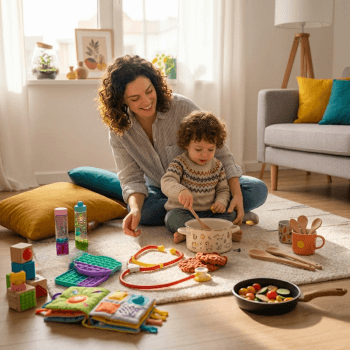
Some wins as a parent are life-changing. ❤️
When you finally find the sensory or therapy tool that could help your child feel calmer, focus better, or navigate the day with more confidence… only to discover it doesn’t ship to Australia 💔.
If you’ve ever felt that frustration, you’re not alone.
This article shares practical advice on finding the right sensory tools, when to shop locally, and how Australian families can safely access US-only products when there are no local alternatives.
Because sometimes the right tool isn’t just another purchase… it’s the one that helps your child thrive. 💙
👉 Read the full article now.

🎮 As parents, it’s easy to see online gaming as something we need to limit. But what if it could actually help your neurodivergent child feel more connected, more confident and less alone?
For many neurodivergent children, gaming is far more than screen time. It’s where they build friendships, practise communication, develop social skills and discover a community where they feel accepted for exactly who they are.
Like any online space, there are challenges. But with the right support from parents, gaming can become a powerful tool for growth, independence and wellbeing.
In this insightful article, discover five simple, practical ways to help your child enjoy the benefits of online gaming while building the confidence and digital safety skills they’ll carry with them for life.
❤️ If you’re raising a neurodivergent child who loves gaming, this is one article you’ll want to read.

Ever had that moment where it’s 9pm, the school uniform isn’t clean, and the washing basket looks like it’s multiplying overnight?
You’re not alone.
Laundry is one of those jobs that never actually ends—it just keeps circling back into our lives, quietly adding to the mental load most parents are already carrying.
But what if there was a different way to think about it?
A growing number of Australian families are turning to mobile laundry apps to help reclaim something most parents are short on…
Time.
Not just time to get things done—but time to actually breathe, sit down, and be present with the people who matter most.
We’ve unpacked how these services are changing the way families manage everyday life—and why it’s not really about laundry at all.
👉 Read the full article to find out more.

Some mornings feel less like a routine… and more like a scramble.
Missing shoes. Lost permission slips. Someone in tears before 8am. And that quiet feeling that you’re already behind before the day has even begun.
If that sounds familiar, you’re not doing anything wrong — you’re just carrying too much, with too little structure holding it all together.
The good news? It doesn’t take a complete life overhaul to change how your home feels.
Small, practical systems can shift the entire rhythm of a household — creating calmer mornings, easier evenings, and a home that feels more manageable (and a lot less reactive).
This is real-life, evidence-based parenting support — designed for busy families who don’t need perfection… just things that work.
Because when the systems are lighter… so are you.
👉 Read the full article for simple, research-backed ways to bring more calm, clarity, and control back into your family life.

We’re raising the first generation of children whose early brain development is unfolding alongside constant screens.
And most parents are left wondering:
“If my child is watching and interacting with screens every day… what is it actually doing to how they learn, feel, and grow?”
Here’s what the science quietly keeps showing us:
Young children don’t just “learn differently” from screens…
they learn less deeply than they do from real-world, human, sensory-rich experiences.
Not because screens are “bad.”
But because a developing brain is built for something screens can’t fully replicate:
messy, unpredictable real life
emotional back-and-forth with humans
touch, movement, and physical discovery
boredom that turns into imagination
failure that turns into resilience
A toddler isn’t just “playing” when they stack blocks or dig in dirt.
They’re building the architecture of attention, language, emotional regulation, and thinking itself.
Screens can entertain. They can even teach.
But they don’t replace the developmental power of a child:
falling, trying again, being comforted, exploring, moving, and connecting with real people.
If you’ve ever felt unsure about screen time—not guilty, just unsure—this piece is for you.
It breaks down what research actually says… in a way that makes sense in real family life.
👉 Read the full article here
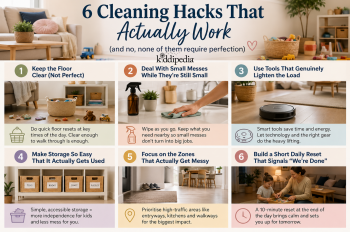
You know that moment when you’ve just cleaned… and somehow the mess is already back?
If that sounds familiar, you’re not doing anything wrong—life with kids just doesn’t come with a “stay tidy” setting.
This article breaks down 6 simple cleaning hacks for parents that actually work in real homes—not perfect homes, not Instagram homes, just real ones. And the best part? None of them rely on perfection.
Small shifts. Less overwhelm. More breathing room in your day.
👉 Read it here if your house feels like it resets itself backwards every afternoon.

In a world of screens, emojis, and constant noise… are we still raising children who feel deeply for others?
Compassion isn’t automatic in today’s digital age — it’s something we must gently, intentionally nurture.
From noticing a friend in tears to helping a sibling who’s hurt, these small human moments matter more than ever.
Here are 15 simple, powerful ways to raise compassionate children — and help them grow into kind, emotionally aware humans who truly see others.
Because empathy isn’t just a trait… it’s a lifelong superpower. 💛

Watching your tween step into independence is a proud moment… and a slightly terrifying one too.
One minute they’re needing you for everything, the next they’re wanting more freedom, more space, more “I’ve got this, Mum/Dad.”
The question is: how do you let go just enough to help them grow… without letting go too far?
This article breaks down simple, real-world ways to guide your tween into independence with confidence, trust, and safety still firmly in place. From small first freedoms to honest conversations and healthy check-ins, it’s all about raising capable kids—without the constant worry.
Read more to find that balance every parent is searching for.
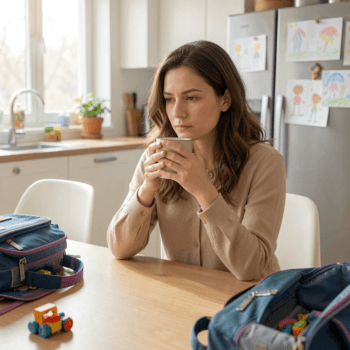
From the moment you found out you were becoming a parent… you’ve been trying to get it right. 💛
The choices.
The worry.
The constant question playing in the background…
“Am I a good parent?”
If you’ve ever asked yourself that quietly at the end of a long day—you are not alone.
Because in a world that feels louder, faster, and more uncertain than ever… parenting can feel overwhelming.
But here’s the truth most parents forget:
You don’t need to be perfect to be enough.
This article gently walks you through the most common parenting worries—and gives you something most of us rarely give ourselves…
💛 perspective
💛 reassurance
💛 and permission to breathe again
If you need a moment to feel seen today… this is it.
👉 Read the full article and come back to yourself.
You’re doing better than you think. Always.
Get parenting advice and support delivered right to your inbox
We'd love to hear what you think of the website, so we can continue to improve it . . . GIVE YOUR FEEDBACK >