
Kiddipedia
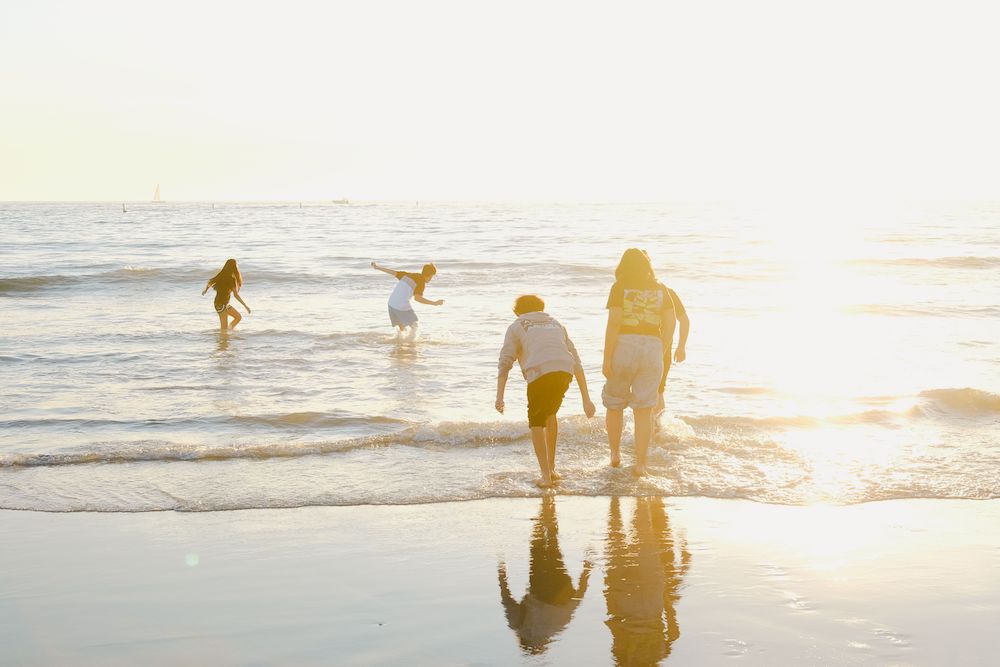
A family beach day sounds wonderfully simple: pack the car, find a patch of sand, and let the children play. In practice, a forgotten hat, an empty drink bottle, or a tired toddler can quickly change the mood.
The answer is not to take half the house with you. A thoughtful packing plan gives your family what it needs without leaving you struggling across the sand with overloaded bags. It also helps you respond to the conditions, from strong ultraviolet radiation and hot surfaces to changing surf and hungry children.
Use this practical guide to prepare for a safer, calmer, and more enjoyable day by the water.
Check the Beach Before You Pack
Start by choosing a beach that suits your children’s ages and swimming abilities. A beautiful location may not be the best option if it lacks patrols, shade, toilets, or easy access.
Beachsafe provides information about Australian beaches, including facilities, hazards, conditions, and lifesaving services. Check the beach page before leaving home, then read the safety signs when you arrive. Conditions can change, so online information should support rather than replace local advice and your own observations.
For younger children, practical features can matter more than scenery. Nearby toilets, gentle access, parking, and a short walk to the sand can make the outing much easier. Families using prams or mobility equipment should also look for accessible paths or beach matting.
Pack for Comfort Without Carrying Too Much
Organise your equipment into a few categories: sun protection, water safety, food, clothing, and play. Separate bags or clearly labelled pouches make it easier to find something while supervising children.
A lightweight chair can be useful for feeding a baby, supervising play or giving grandparents a comfortable place to rest. Families comparing compact outdoor seating can look at designs from Ozzi Gear Australia for inspiration. Check size, weight, and suitability before choosing any chair, and place it securely on level ground away from incoming tides.
Build a Complete Sun-Protection Kit
Australian beach days require more than a quick layer of sunscreen. Cancer Council Australia recommends using sun protection when the UV index is 3 or higher. It also recommends using several measures instead of relying on sunscreen alone.
Pack:
- Broad-spectrum, water-resistant SPF 50 or higher sunscreen
- Broad-brimmed or bucket hats that protect the face, ears and neck
- Long-sleeved rash vests or other covering clothing
- Sunglasses that meet Australian standards
- A beach shelter, umbrella, or access to reliable shade
Apply sunscreen generously before the family heads outside and reapply it every two hours, as well as after swimming, sweating, or towel-drying. Follow the product instructions.
Babies need particular care. Cancer Council advises keeping infants out of direct sunlight as much as possible and using clothing, hats, and shade as the main forms of protection. For babies older than six months, sunscreen should be the last line of defence rather than the only one.
Make Water Safety the Priority
Inflatable toys, swimming lessons, and confidence in a pool do not remove the risks of open water. Beaches contain changing waves, currents, drop-offs, and other hazards that children may not recognise.
Surf Life Saving Australia advises beachgoers to swim at patrolled beaches between the red and yellow flags. The flags identify the area selected for swimming and supervised by lifesavers or lifeguards. If there are no flags, ask a lifeguard about the conditions; when in doubt, stay out of the water.
Active supervision means staying close enough to act right away. It’s not sitting in a chair while reading or using a phone. Adults can take turns supervising so that responsibility remains clear. Avoid assuming that another family member is watching.
Pack properly fitted life jackets when they are required for boating, paddling, or another planned activity. Inflatable pool toys and flotation aids aren’t substitutes for approved safety equipment or close adult supervision.
Keep Everyone Hydrated
Playing in the sun and salt water can distract children from thirst. Healthdirect notes that children can be more vulnerable to dehydration during hot weather and physical activity.
Bring more drinking water than you expect to use, particularly when visiting a beach without reliable taps. Insulated bottles can keep water appealing on hot days. Offer drinks regularly rather than waiting for a child to ask.
Signs of dehydration may include a dry mouth, tiredness, irritability, dark urine, or urinating less often. Babies and young children are also at greater risk of heat-related illness. Move a child into a cool, shaded area if they become unusually hot, weak, or unwell, and seek medical advice.
Choose Beach Food That Travels Well
Sand has a remarkable ability to find its way into almost every snack. Pack food in individual containers so the whole supply is not exposed whenever somebody wants something to eat.
Easy options include sandwiches, wraps, cut fruit, vegetable sticks, crackers and cheese kept at a safe temperature. A cooler bag with ice bricks is useful for perishable food. Keep it closed and in the shade rather than leaving it in a hot car or direct sunlight.
Bring a separate rubbish bag and a reusable wet bag. The wet bag can hold damp swimmers, towels, and rash vests on the journey home, while the rubbish bag makes it easier to leave the beach as you found it.
Pack Spare Clothing With the Journey Home in Mind
Children rarely finish a beach day as clean and dry as they started it. A complete change of clothes makes the trip home more comfortable and protects car seats from wet swimmers.
Include:
- Dry underwear and clothing
- A warm top for cooler afternoons
- Spare nappies and wipes
- Dry hats
- Towels or hooded towels
- A wet bag
- Sand-friendly footwear
An old fitted sheet or a large mat can create a cleaner area for babies to sit and play. A small bottle of clean water is also useful for rinsing sandy hands and feet when showers are unavailable.
Keep the clothes for the journey home in a waterproof bag so they don’t get damp before anyone wears them.
Bring Simple Activities, Not a Toy Box
Try sandcastle building, shell spotting, beach cricket, or a shoreline scavenger hunt. Rockpool visits can be fascinating. Children should watch wildlife gently. They should leave creatures where they find them. They should avoid slippery or unstable rocks.
Choose lightweight toys that are easy to count before leaving. Marking them with your family name can help when several children have similar buckets and spades.
Leave foam toys and loose plastic items at home on windy days. They can quickly blow into the water or along the beach, creating litter and tempting children to chase them.
Prepare a Small First-Aid and Cleanup Kit
A compact first-aid kit can handle minor scrapes and stings until further help is available. Include adhesive dressings, sterile wipes, gauze and any prescribed medication your family may need.
Add hand sanitiser, tissues, and a few spare zip-lock bags. Before travelling, check local information about marine stingers, hazardous wildlife or seasonal warnings.
Use a Final Doorway Checklist
Keep a short checklist near the door or save it on your phone:
- Water
- Sunscreen
- Hats and covering clothing
- Shade
- Towels and dry clothes
- Food and cooler bag
- First-aid supplies
- Nappies or medication
- Beach toys
- Rubbish and wet bags
Check the weather, UV forecast, beach conditions and patrol information before leaving. Packing the night before can also prevent rushed decisions in the morning.
Conclusion
With shade, protective clothing, plenty of water, simple food and a few well-chosen comforts, parents can spend less time searching through bags and more time enjoying the day. Careful preparation will not remove every sandy surprise, but it can make the entire outing safer, calmer, and easier for everyone.
References
Bureau of Meteorology. “Ultraviolet (UV) Index Forecast.”
Bureau of Meteorology. “About the UV Index.”
Cancer Council Australia. “All About Sunscreen and Sun Safety.”
Cancer Council Australia. “Advice on How to Choose, Apply and Store Sunscreen.”
Cancer Council Australia. “Be SunSmart.”
Cancer Council Australia. “Fact Sheet: Sun Protection and Babies.”
Healthdirect Australia. “Dehydration – Signs, Symptoms and Treatment.”
Healthdirect Australia. “Hydration Tips for Children.”
Healthdirect Australia. “Heatstroke.”
Surf Life Saving Australia. “Beachsafe.”
Surf Life Saving Australia, Beachsafe. “Flags and Signs.”
Surf Life Saving Australia, Beachsafe. “Lifeguard Top Tips.”
Surf Life Saving Australia, Beachsafe. “Rip Currents.”
Surf Life Saving NSW. “Beachsafe Website and App.”