

Long before the first words arrive, your child is already finding ways to connect, share and be understood. ❤️
From little sounds and gestures to words, sentences and conversations, every part of their communication journey matters.
But did you know speech and language are not the same thing?
Understanding the difference between speech, language and communication can help you tune into what your child is trying to tell you — even before the words come — and recognise when they might need a little extra support.
If you’ve ever wondered Should my child be saying more by now? or felt unsure about their communication development, this article is for you. 💛

Two of the most loved faces in children’s television have finally met… and it’s every bit as joyful as you’d hope. 🐷❤️🔴
Peppa Pig and Elmo are jumping into the same muddy puddle** for the first time — with music, movement, laughter and a dance remix little ones will want to watch again and again. 💦🎶
But here’s the part we found really interesting…
What if the best thing about this new collaboration **isn’t what happens on the screen — but what happens after it?
From dancing and singing to imaginative play and getting outside, we explore **how parents can turn a favourite song into an opportunity for movement, connection and play.
Because sometimes, the magic really begins when **the screen goes off. ❤️
👉 Read the full article on Kiddipedia and discover how to turn Peppa and Elmo’s muddy-puddle fun into play your whole family can join in with.
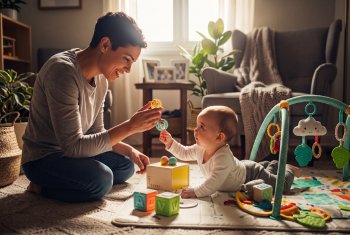
👶 Is your baby “behind”… or are we putting too much pressure on the milestones?
If you’ve ever looked at a milestone chart and wondered, “Should my child be doing this by now?” — you’re not alone. ❤️
In a world of parenting comparisons, milestone checklists and endless advice, it’s easy to focus on what your child hasn’t done yet instead of noticing how far they’ve already come.
🌿 But what if the little things matter more than we realise?
The reaching. The grasping. The babbling. The exploring. The tiny moments of progress that happen quietly between the big milestones.
These “inchstones” can reveal so much about a child’s development — and may help parents see progress in a completely different way.
In this insightful article, Dr. Maral Amani, paediatric physical therapist and Child Development Expert, explains what milestones really mean, why comparing children can create unnecessary stress, and why play, connection and celebrating the small steps may be one of the most valuable things parents can do.
💚 Because your child doesn’t need to race to the next milestone. They need the space to grow, explore and develop in their own time.
👉 Read the full article and discover why the little steps deserve more attention.
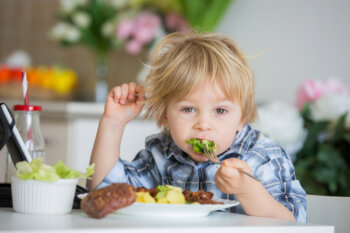
Most parents don’t realise this… but your child’s relationship with food doesn’t actually start at the dinner table.
It starts long before the first bite. Long before the first refusal. Even before they can talk about what they like or don’t like.
From the womb through the first 1000 days, your child is already learning about taste, safety, and food comfort — shaped quietly by exposure, repetition, and what they see at home every day.
So if you’ve ever felt stuck in the “picky eating” phase, or wondered why your child refuses foods they used to eat… there’s actually a lot more going on beneath the surface.
This isn’t about pressure or perfection. It’s about understanding what’s really driving your child’s eating — and how small, calm shifts can make a big difference over time.
Worth a read if mealtimes have ever felt harder than they should be.
👉 Read the full article on Kiddipedia
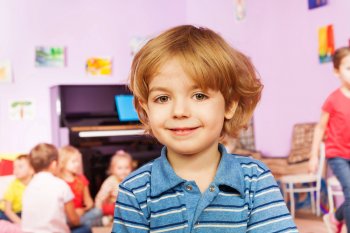
The first five years shape a lifetime. 💛
Did you know that by age five, around 90% of a child’s brain development has already taken place? The relationships, care, and everyday interactions children experience during these early years help build the foundations for learning, confidence, resilience, emotional wellbeing, and future success.
Choosing childcare isn’t just about convenience — it’s about finding caring adults who help children feel safe, seen, heard, and understood.
Discover why childcare quality matters far more than many parents realise, and how the right support can make a lasting difference in a child’s development.
Read the full article now.

What if some of the germs we’re so busy protecting our kids from are actually helping them thrive? 🦠💛
Dirt under their fingernails. A cuddle with the family dog. Playing outside. Eating fibre-rich foods. 🐾🌱
While we often think of bacteria as something to avoid, the truth is that trillions of beneficial microbes are working behind the scenes every day to support your child’s health.
From strengthening immunity and supporting digestion to influencing mood and overall wellbeing, the microbiome is transforming what we know about children’s health.
Inside every child is a hidden world of good bacteria helping to shape how they grow, develop and flourish.
Could nurturing these tiny microbes be one of the most important things we can do for our children’s long-term health?
Discover the fascinating science behind the microbiome, why good bacteria matter, and the simple everyday habits that can help support your child’s health for years to come.
👉 Read more.

We’re raising the first generation of children whose early brain development is unfolding alongside constant screens.
And most parents are left wondering:
“If my child is watching and interacting with screens every day… what is it actually doing to how they learn, feel, and grow?”
Here’s what the science quietly keeps showing us:
Young children don’t just “learn differently” from screens…
they learn less deeply than they do from real-world, human, sensory-rich experiences.
Not because screens are “bad.”
But because a developing brain is built for something screens can’t fully replicate:
messy, unpredictable real life
emotional back-and-forth with humans
touch, movement, and physical discovery
boredom that turns into imagination
failure that turns into resilience
A toddler isn’t just “playing” when they stack blocks or dig in dirt.
They’re building the architecture of attention, language, emotional regulation, and thinking itself.
Screens can entertain. They can even teach.
But they don’t replace the developmental power of a child:
falling, trying again, being comforted, exploring, moving, and connecting with real people.
If you’ve ever felt unsure about screen time—not guilty, just unsure—this piece is for you.
It breaks down what research actually says… in a way that makes sense in real family life.
👉 Read the full article here

Ever asked your child how school was… and quietly wondered if they actually went to the toilet?
You’re not alone.
New insights show almost half of Australian kids aged 3–8 are holding on at school — not because they’re being difficult, but because their bodies don’t yet feel safe enough in a new environment.
If your child is avoiding the school toilet, this isn’t a behaviour problem… it’s a nervous system response.
The good news? There are gentle, practical ways to help them feel safe, relaxed, and confident again.
I’ve broken it all down in this parent-to-parent guide — grounded in research, real-life experience, and simple strategies you can start today.
💛 Read the full article
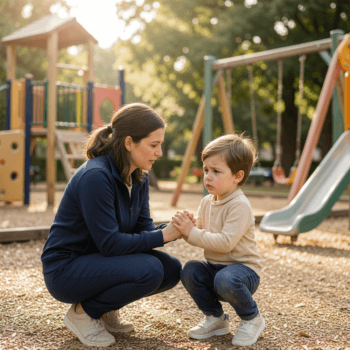
Ever had one of those moments where your child completely falls apart… and nothing you say seems to help?
The truth is, most children aren’t “misbehaving” in those moments—they’re overwhelmed and still learning how to regulate what they feel inside.
What they don’t need is “calm down.”
What they do need is you.
We’ve put together a practical, science-backed guide to emotional regulation—along with simple, powerful phrases you can use in real moments of big feelings, from toddler meltdowns to tween overwhelm.
Because the words we use don’t just soothe the moment… they help shape how children learn to understand, express, and manage their emotions for life.
💛 Read the full article: Phrases to Help Kids With Self-Regulation Every Parent Should Know (Backed by Science)
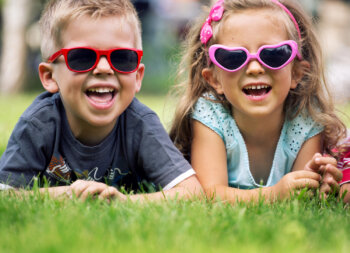
💛 Is your child learning how to make friends?
Friendship is more than play—it’s a cornerstone of early childhood development. From boosting emotional wellbeing to building lifelong social skills, friendships help shape who our little ones become. 👧👦✨
Whether your child is outgoing or shy, every child deserves the chance to feel included, connected, and confident. This article explores how friendships form, how to support your child through challenges, and why your role is more powerful than you think.
👀 Read it now and discover how you can gently guide your child towards meaningful, lasting connections.
👇
Get parenting advice and support delivered right to your inbox
We'd love to hear what you think of the website, so we can continue to improve it . . . GIVE YOUR FEEDBACK >