
Kiddipedia
By Adam Williams
When I was growing up, my parents generally knew who was influencing me. Themselves. My friends. My teachers. My family. Definitely Spider-Man. And maybe Scooby-Doo. Today though, our children can be influenced by thousands of people they’ve never met. And we often don’t have a clue who any of them are.
In real life – or IRL as the cool kids say – we teach our children to be careful around strangers. We want to know who they’re spending time with, where they’re going, and whether a responsible adult will be there. But online? How much do we know about the strangers they’re watching, listening to, learning from, and sometimes, trying to imitate?
Because when we give our kids access to the world through the internet, we also give the world access to our kids. That world influences what they see, think, want, believe, do and, ultimately, who they become. And while Australia’s under-16 social media restrictions may reduce some of that exposure, there’s still plenty parents can do.
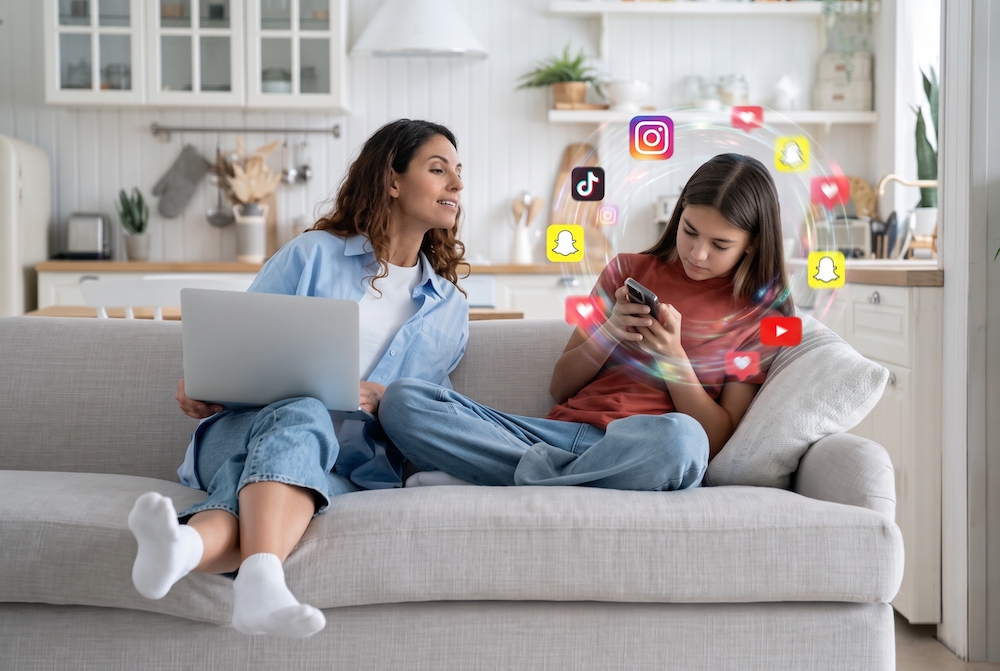
Instagram began as a way to share photos with friends. Today though, it’s an AI-driven content recommendation engine. And much of what children encounter is coming from people they don’t know. Influencers. Advertisers. Brands. Content creators. Complete strangers. Some produce wonderful, educational content. Others promote unrealistic lifestyles, unattainable beauty standards, questionable advice and products our children never knew they needed. And sometimes, the consequences go beyond unrealistic expectations.
Consider online challenges that encourage children to undertake dangerous activities, sometimes risking serious injury for approval or attention. If a stranger approached your child in the street and encouraged them to do the same, you’d expect them to walk away. But what happens when that encouragement comes from someone with millions of followers, thousands of likes and a stream of other children joining in? Suddenly, the stranger might not seem so strange.
Your child’s attention is incredibly valuable
I spent 30 years helping brands capture people’s attention. Now, as The Attention Architect, I help people reclaim and refocus it. And here’s something I wish every parent understood. Attention isn’t just what we look at. It’s what we think about. What we learn. What we remember. What we come to believe matters. And what receives our attention helps shape who we become.
Imagine your child repeatedly watching videos about perfect bodies, luxury lifestyles, wealth and status, and what supposedly makes someone successful. One video might not mean much. But what happens when similar messages receive hours of attention, week after week, year after year? They can influence what our children value, how they see themselves, and what they believe they need to be happy. And we may not even notice.
The Attention Tax our children are paying
In my book Mega Focus, I introduce the attention tax: the cost of paying attention to things that matter less than the things they’re displacing. For children, that cost isn’t simply hours spent scrolling. It’s what those hours could have been spent doing instead. Playing outside. Developing friendships. Learning something new. Sleeping. Or simply talking to us.
I know this personally. When my daughter was little, she climbed into our bed one morning wanting our usual cuddle and chat. But I was sitting on the edge of the bed checking emails. I knew I should put my phone down. I wanted to. But I kept checking. There I was, someone who captured attention for a living, unable to give mine to the person who deserved it most.
That moment changed my life. And it taught me something important: our children aren’t the only ones paying an Attention Tax.
How do we protect our children’s attention?
The first step is to question what age our children need a smartphone and unsupervised access to the internet. For most kids, a so-called “dumb phone” could be the smart choice. It allows them to stay in touch without giving them unlimited access to apps designed to compete for their attention. Next, decide when, where and how much access they should have. Device settings, Wi-Fi controls, data limits and limiting physical access can all help establish boundaries.
Once they are online, we can help our kids become more conscious of what receives their attention, and educate ourselves by asking “Who do you follow?” “What do you like about them?” And “What kind of content do you see a lot of in your feed?” Talk to them about viral online challenges, and help them join the dots: “If a stranger asked you to do something dangerous in person, would you do it? What makes it different through a screen?”
Help them understand that likes and followers aren’t a proxy for happiness and success, and someone’s beautiful online life doesn’t necessarily reflect their real one. And demonstrate the behaviour you want to see – they learn as much from where our attention goes as from what we tell them.
Who do you want shaping your child’s future?
The internet is here to stay. I’m not suggesting we should fear it or reject it. But we should recognise what we’re giving our children access to – and who we’re giving access to them. Because our children’s attention isn’t just determining what they watch today. It’s helping architect who they become tomorrow.

BIOGRAPHY
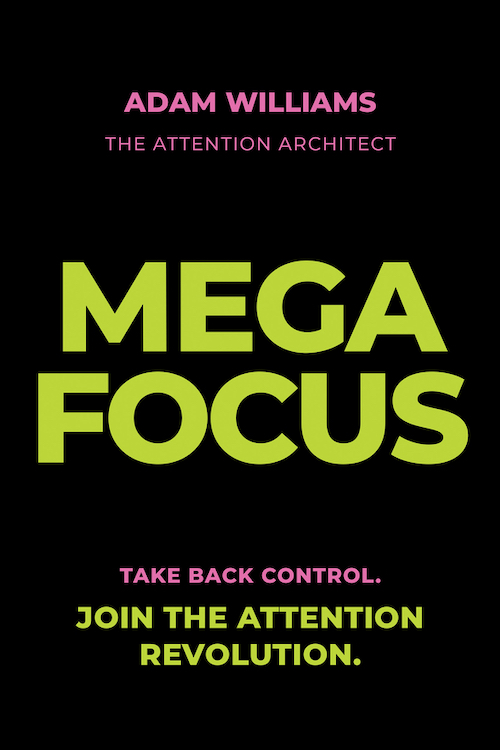
Adam Williams is The Attention Architect. He is the creator of the Attention Tax Calculator and Attention Signature organisational assessment, and the author of Mega Focus: Take Back Control. Join the Attention Revolution, published by Wiley. He spent 30 years helping organisations capture attention, then he switched sides. Today, he helps people and organisations change their future by changing what they pay attention to. For more information, see www.theattentionarchitect.au or connect at www.linkedin.com/in/theattentionarchitect.