
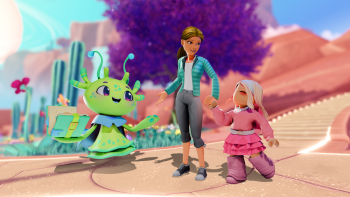
Is your child obsessed with Roblox, but you’re not quite sure what they’re doing online? 🎮👨👩👧
What if the best way to help keep them safe wasn’t by watching from the sidelines—but by playing alongside them?
Roblox’s new Family Zone lets your child become the teacher while you explore the platform together, helping parents better understand what their kids love, discover the built-in safety features, and start important conversations about online safety in a way that feels fun and natural.
More than just a game, it’s an opportunity to strengthen your connection, build digital confidence, and create healthier online habits—one shared gaming session at a time.
Discover why millions of families are already exploring Family Zone and why co-playing could be one of the simplest ways to make your child’s online experience safer and more enjoyable.

🎮 As parents, it’s easy to see online gaming as something we need to limit. But what if it could actually help your neurodivergent child feel more connected, more confident and less alone?
For many neurodivergent children, gaming is far more than screen time. It’s where they build friendships, practise communication, develop social skills and discover a community where they feel accepted for exactly who they are.
Like any online space, there are challenges. But with the right support from parents, gaming can become a powerful tool for growth, independence and wellbeing.
In this insightful article, discover five simple, practical ways to help your child enjoy the benefits of online gaming while building the confidence and digital safety skills they’ll carry with them for life.
❤️ If you’re raising a neurodivergent child who loves gaming, this is one article you’ll want to read.

💬 “They’re just online friends.”
But what if those friendships are the ones helping your teen feel accepted, understood… and less alone?
For many teenagers, meaningful friendships don’t just happen at school anymore. They happen through group chats, gaming communities, and late-night conversations that can offer genuine connection and support.
As parents, it can be difficult to know when these relationships are healthy—and when they’re beginning to replace the real-world balance every young person needs.
This insightful article explores the signs of positive online friendships, the red flags to watch for, and how to have open, judgment-free conversations that strengthen trust instead of shutting it down.
❤️ Sometimes, the most important question isn’t “How much time are they spending online?”—it’s “How are they feeling when they log off?”
👉 Read now and learn how to help your teen enjoy the best of both their online and offline worlds.

💬 “Why does my teen still have access when others don’t?”
Australia’s new under-16 social media rules are rolling out unevenly — and many families are feeling confused, frustrated, or worried. If your teen is struggling with the change (or asking big questions), this article helps you understand what’s happening and how to support them calmly and confidently 💛

📢 Parents, are your kids safe online? The internet is full of amazing opportunities, but it also comes with risks—cyberbullying, scams, and online predators. 🚨 Learn the most common mistakes kids make online and how you can protect them on platforms like Roblox. 💻🔒 Stay informed, stay safe! Read now ⬇️

📱 Tech can be a game-changer for busy parents—but is it helping or overwhelming you? From managing routines to ensuring online safety, the right digital tools can make life easier and keep your family connected. 💡💛
Discover smart strategies to use technology wisely and create a healthier balance for your kids.

With an abundance of content just a click away, sifting through the vast expanse of the internet can be challenging for parents who want to provide a safe yet enriching online experience for their children. This guide discusses parental controls… Continue Reading >

Steve Manley, Regional Vice President ANZ, Palo Alto Networks This Safer Internet Day, Palo Alto Networks is continuing to raise awareness to keep Australian kids safe online. As far back as April 2009, nearly four out of every five Australian… Continue Reading >

According to the recent New Family Norm survey, an overwhelming majority of Australians say technology has helped them stay socially connected with family and friends (91.2%) and has provided more opportunities to spend time with relatives (89.4%), particularly during the… Continue Reading >
Get parenting advice and support delivered right to your inbox
We'd love to hear what you think of the website, so we can continue to improve it . . . GIVE YOUR FEEDBACK >