

📱💛 When is your child ready for their first connected device?
There’s no magic age when children become ready for more independence — it often happens in those everyday moments that make parents pause…
🚶♀️ Walking to school alone
🚌 Catching public transport
🏡 Going to a friend’s house or sleepover
🌏 Spending more time away from home
For many parents, the question isn’t about giving their child a smartphone — it’s about finding the right balance between freedom, safety and staying connected. 💕
New research reveals the milestones that are prompting Australian families to consider their child’s first connected device, and why smartwatches are becoming an option for parents who want to support independence while still having peace of mind.
💬 When did you first feel your child was ready for more independence?
👉 Read the full article to explore what Australian parents are thinking about when it comes to staying connected as children grow.
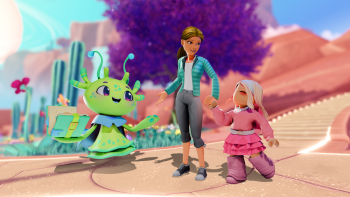
Is your child obsessed with Roblox, but you’re not quite sure what they’re doing online? 🎮👨👩👧
What if the best way to help keep them safe wasn’t by watching from the sidelines—but by playing alongside them?
Roblox’s new Family Zone lets your child become the teacher while you explore the platform together, helping parents better understand what their kids love, discover the built-in safety features, and start important conversations about online safety in a way that feels fun and natural.
More than just a game, it’s an opportunity to strengthen your connection, build digital confidence, and create healthier online habits—one shared gaming session at a time.
Discover why millions of families are already exploring Family Zone and why co-playing could be one of the simplest ways to make your child’s online experience safer and more enjoyable.

Winter School holidays are here—and for many Australian families, that means one thing: screens start to take up more space in the day than we expected.
Cold weather, indoor time, and flexible routines can quickly turn gaming into the main way kids connect with friends, unwind, and fill their time.
And if you’re a parent wondering “How much is too much?” “Who are they talking to online?” or “How do I keep them safe without constant conflict?”—you are very much not alone in that.
The reality is, gaming isn’t going anywhere. In fact, for most kids it’s become a normal part of how they socialise and spend time with friends.
But here’s the good news: you don’t need to be a tech expert to keep them safe.
We’ve brought together expert-backed advice and Australian research to help you feel more confident navigating online gaming this winter school holidays—from simple privacy settings and parental controls to understanding why kids are so drawn to online games in the first place.
This isn’t about restricting everything.
It’s about creating calmer conversations, safer habits, and more connected family moments, even in a digital world.
👉 Read the full guide on Kiddipedia and feel more confident about your child’s online gaming this school holidays.

💬 “They’re just online friends.”
But what if those friendships are the ones helping your teen feel accepted, understood… and less alone?
For many teenagers, meaningful friendships don’t just happen at school anymore. They happen through group chats, gaming communities, and late-night conversations that can offer genuine connection and support.
As parents, it can be difficult to know when these relationships are healthy—and when they’re beginning to replace the real-world balance every young person needs.
This insightful article explores the signs of positive online friendships, the red flags to watch for, and how to have open, judgment-free conversations that strengthen trust instead of shutting it down.
❤️ Sometimes, the most important question isn’t “How much time are they spending online?”—it’s “How are they feeling when they log off?”
👉 Read now and learn how to help your teen enjoy the best of both their online and offline worlds.
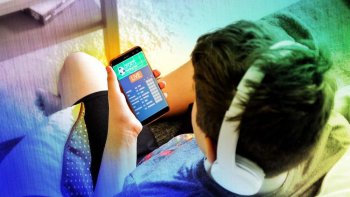
⚽🏆 The World Cup is about to unite millions of families around the screen. But while we’re watching the game, something else is working hard to win our children’s attention.
Betting ads are everywhere.
For today’s teenagers, gambling has become deeply woven into sport. Odds are discussed before matches begin, betting brands sponsor teams, and advertisements often make wagering look exciting, normal, and harmless.
But here’s what every parent should know: the teenage brain is uniquely wired to seek excitement, rewards, and risk. That combination can make young people particularly vulnerable to the powerful messages hidden within gambling advertising.
As the World Cup kicks off, now is the perfect time to start a conversation that could have a lasting impact.
In this important article, psychologist Breanna Jayne Sada explores why sports betting is becoming increasingly normalised, how dopamine influences teenage decision-making, and the simple conversations parents can have to help their children think critically about gambling.
Because while the World Cup will eventually end, the lessons our children learn from what they watch can stay with them for life. 💛
Read the article and discover how one conversation today could help protect your child tomorrow.

📢 Parents, are your kids safe online? The internet is full of amazing opportunities, but it also comes with risks—cyberbullying, scams, and online predators. 🚨 Learn the most common mistakes kids make online and how you can protect them on platforms like Roblox. 💻🔒 Stay informed, stay safe! Read now ⬇️

📱 Tech can be a game-changer for busy parents—but is it helping or overwhelming you? From managing routines to ensuring online safety, the right digital tools can make life easier and keep your family connected. 💡💛
Discover smart strategies to use technology wisely and create a healthier balance for your kids.
Get parenting advice and support delivered right to your inbox
We'd love to hear what you think of the website, so we can continue to improve it . . . GIVE YOUR FEEDBACK >