

The clocks go forward. Bedtime suddenly becomes a battle. 😴☀️
If your child is suddenly taking forever to settle, waking earlier than usual or becoming overtired and cranky, daylight saving could be playing a bigger role than you realise.
With the clocks moving forward on Sunday 4 October, that lost hour can disrupt more than your schedule. It can affect your child’s body clock, sleep routine, mood and ability to settle — especially when it’s still light outside at bedtime.
So how do you help your little one adjust without turning every evening into a battle?
From sleep debt and circadian rhythms to sunlight, bedtime routines and practical strategies that actually help, discover what the science says and how to make the daylight saving transition easier for the whole family. 🌙💛
Because when the kids sleep better, everyone feels the difference.

“Mum, will it hurt?” ❤️
When your child needs an X-ray or ultrasound, it’s completely natural to have questions — especially when you’re not sure what the appointment will involve.
Will they need to fast? Can you stay beside them? What happens during the scan? Will they need to keep still? And when will you find out what the images show?
Knowing what to expect can help you feel calmer — and your child feel safer.
Our guide takes you through everything parents need to know about children’s X-rays and ultrasounds, from preparing for the appointment to helping your child stay calm and understanding what happens afterwards.
Because when you know what’s coming, you can walk through the experience together with greater confidence. 💕

☀️🕶️ 𝗗𝗼𝗲𝘀 𝘆𝗼𝘂𝗿 𝘁𝗼𝗱𝗱𝗹𝗲𝗿 𝗿𝗲𝗮𝗹𝗹𝘆 𝗻𝗲𝗲𝗱 𝘀𝘂𝗻𝗴𝗹𝗮𝘀𝘀𝗲𝘀? 𝗔𝗻𝗱 𝘄𝗵𝗲𝗻 𝘀𝗵𝗼𝘂𝗹𝗱 𝘁𝗵𝗲𝘆 𝘀𝘁𝗮𝗿𝘁 𝘄𝗲𝗮𝗿𝗶𝗻𝗴 𝘁𝗵𝗲𝗺?
Those little eyes are still developing — and in Australia, 𝗨𝗩 𝗲𝘅𝗽𝗼𝘀𝘂𝗿𝗲 𝗰𝗮𝗻 𝗯𝗲 𝘀𝘂𝗿𝗽𝗿𝗶𝘀𝗶𝗻𝗴𝗹𝘆 𝗵𝗶𝗴𝗵, even when the day doesn’t feel hot or particularly sunny.
So, when should toddlers actually start wearing sunglasses? And 𝗵𝗼𝘄 𝗱𝗼 𝘆𝗼𝘂 𝗸𝗻𝗼𝘄 𝗶𝗳 𝘁𝗵𝗲 𝗽𝗮𝗶𝗿 𝘆𝗼𝘂’𝗿𝗲 𝗯𝘂𝘆𝗶𝗻𝗴 𝗶𝘀 𝗿𝗲𝗮𝗹𝗹𝘆 𝗽𝗿𝗼𝘁𝗲𝗰𝘁𝗶𝗻𝗴 𝘁𝗵𝗲𝗶𝗿 𝗲𝘆𝗲𝘀 𝗳𝗿𝗼𝗺 𝗨𝗩?
𝗛𝗼𝘄 𝗱𝗼 𝘄𝗲 𝗸𝗻𝗼𝘄 𝘄𝗵𝗶𝗰𝗵 𝗹𝗲𝗻𝘀 𝘁𝗼 𝗽𝗶𝗰𝗸? What about the fit? Which level of UV protection? Polarised lenses? And are they made to Australian Standards?
And what if your toddler refuses to wear them?
We’ve unpacked what Australian parents need to know about 𝗽𝗿𝗼𝘁𝗲𝗰𝘁𝗶𝗻𝗴 𝗹𝗶𝘁𝘁𝗹𝗲 𝗲𝘆𝗲𝘀 𝗳𝗿𝗼𝗺 𝗨𝗩 — from the beach and backyard to childcare and everyday outdoor play.
This guide will help you understand it all — from 𝗵𝗼𝘄 𝘁𝗼 𝗰𝗵𝗼𝗼𝘀𝗲 𝘁𝗵𝗲 𝗿𝗶𝗴𝗵𝘁 𝗨𝗩 𝗽𝗿𝗼𝘁𝗲𝗰𝘁𝗶𝗼𝗻 𝗹𝗲𝘃𝗲𝗹 𝗮𝗻𝗱 𝘄𝗵𝗮𝘁 𝘁𝗼 𝗹𝗼𝗼𝗸 𝗳𝗼𝗿 𝗶𝗻 𝘁𝗵𝗲 𝗔𝘂𝘀𝘁𝗿𝗮𝗹𝗶𝗮𝗻 𝗦𝘁𝗮𝗻𝗱𝗮𝗿𝗱, to lens categories, polarisation, wraparound frames and getting a determined toddler to actually KEEP their sunglasses on.
Because, as we can appreciate, 𝘁𝗵𝗲𝗿𝗲’𝘀 𝗺𝗼𝗿𝗲 𝘁𝗼 𝗰𝗵𝗼𝗼𝘀𝗶𝗻𝗴 𝗸𝗶𝗱𝘀’ 𝘀𝘂𝗻𝗴𝗹𝗮𝘀𝘀𝗲𝘀 𝘁𝗵𝗮𝗻 𝗺𝗲𝗲𝘁𝘀 𝘁𝗵𝗲 𝗲𝘆𝗲. 👀
👉 𝗕𝗲𝗳𝗼𝗿𝗲 𝘆𝗼𝘂 𝗯𝘂𝘆 𝘁𝗵𝗲 𝗻𝗲𝘅𝘁 𝗽𝗮𝗶𝗿, 𝗿𝗲𝗮𝗱 𝘁𝗵𝗶𝘀. 🕶️

🟢 𝗪𝗵𝗮𝘁 𝗶𝗳 𝘁𝗵𝗲 𝘁𝗿𝗮𝗺𝗽𝗼𝗹𝗶𝗻𝗲 𝗶𝗻 𝘆𝗼𝘂𝗿 𝗯𝗮𝗰𝗸𝘆𝗮𝗿𝗱 𝗶𝘀 𝗱𝗼𝗶𝗻𝗴 𝗺𝗼𝗿𝗲 𝘁𝗵𝗮𝗻 𝘀𝗶𝗺𝗽𝗹𝘆 𝗵𝗲𝗹𝗽𝗶𝗻𝗴 𝘆𝗼𝘂𝗿 𝗸𝗶𝗱𝘀 𝗯𝘂𝗿𝗻 𝗼𝗳𝗳 𝗲𝗻𝗲𝗿𝗴𝘆?
To your child, it’s just jumping, laughing and asking for “five more minutes.” But underneath every bounce, their 𝗯𝗿𝗮𝗶𝗻 𝗮𝗻𝗱 𝗯𝗼𝗱𝘆 𝗮𝗿𝗲 𝘄𝗼𝗿𝗸𝗶𝗻𝗴 𝘁𝗼𝗴𝗲𝘁𝗵𝗲𝗿 — adjusting balance, coordinating movement, sensing where their body is in space and learning how to control each landing.
From 𝗯𝗮𝗹𝗮𝗻𝗰𝗲 𝗮𝗻𝗱 𝗰𝗼𝗼𝗿𝗱𝗶𝗻𝗮𝘁𝗶𝗼𝗻 to 𝗽𝗵𝘆𝘀𝗶𝗰𝗮𝗹 𝗹𝗶𝘁𝗲𝗿𝗮𝗰𝘆, movement confidence and daily activity, there is more happening on that trampoline than many parents realise.
But there’s another side to the story too: 𝘁𝗿𝗮𝗺𝗽𝗼𝗹𝗶𝗻𝗶𝗻𝗴 𝗰𝗼𝗺𝗲𝘀 𝘄𝗶𝘁𝗵 𝗿𝗲𝗮𝗹 𝗶𝗻𝗷𝘂𝗿𝘆 𝗿𝗶𝘀𝗸𝘀, and knowing what the research says about safe use matters just as much as understanding the developmental benefits.
So, is a trampoline a worthwhile addition to the backyard? And what does the Australian evidence actually tell us?
👉 𝗪𝗲 𝘁𝗮𝗸𝗲 𝗮 𝗰𝗹𝗼𝘀𝗲𝗿 𝗹𝗼𝗼𝗸 𝗮𝘁 𝘁𝗵𝗲 𝘀𝗰𝗶𝗲𝗻𝗰𝗲 𝗯𝗲𝗵𝗶𝗻𝗱 𝘁𝗵𝗲 𝗯𝗼𝘂𝗻𝗰𝗲 — 𝗮𝗻𝗱 𝘁𝗵𝗲 𝘀𝗮𝗳𝗲𝘁𝘆 𝗮𝗱𝘃𝗶𝗰𝗲 𝗲𝘃𝗲𝗿𝘆 𝗽𝗮𝗿𝗲𝗻𝘁 𝘀𝗵𝗼𝘂𝗹𝗱 𝗸𝗻𝗼𝘄.

“Why can’t my child just sit still?”
“Why do I have to ask them five times to do something?”
“Are they simply being a kid… or could it be ADHD?” 💛
If you’ve ever asked yourself these questions, you’re certainly not alone.
Children can be energetic, distracted, impulsive, emotional and easily bored, and many of these behaviours are a completely normal part of childhood development.
But sometimes, the challenges are more persistent. They can begin to affect learning, friendships, home life and a child’s confidence, and that’s when parents may start wondering whether ADHD could be part of the picture.
With ADHD Awareness Month coming up in October, General and Developmental Paediatrician Dr Lexi Frydenberg answers one of the questions she hears from parents again and again:
“Does my child have ADHD?
From the early signs and different presentations of ADHD to how children are assessed, what causes ADHD and the practical ways parents and schools can provide support, Dr Lexi explains what parents need to know.
And perhaps most importantly, ADHD is not the result of bad parenting or something you did wrong.
Understanding your child can be the first step towards helping them feel supported, confident and capable.❤️
👉 Read the full article to learn when childhood behaviour may be more than just a phase — and what parents can do to help.

🌸 Spring is almost here… and so is the pollen invasion! 🤧 Don’t let sneezes, sniffles, and itchy eyes stop your family fun. Discover 10 quick, science-backed tips to keep your kids—and yourself—sneeze-free this season! 🧸💨
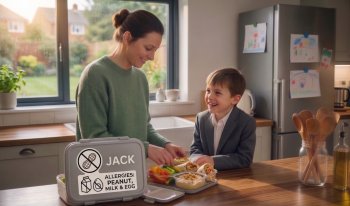
For a child with a food allergy, something as simple as a lunchbox can become an important part of their safety routine. ❤️
But what happens when your child is too young to read the label, recognise an ingredient or confidently explain their allergy?
A clear, child-friendly visual allergy label can give children and the adults around them another simple cue to recognise their allergy—whether it’s on a lunchbox, drink bottle or food container.
Our latest guide takes parents through what to put on an allergy label, where to place it, how to make it easy to spot and how to help your child recognise their own allergy symbol—while explaining why a label should always work alongside their medical and allergy management plan.
Because when you’re parenting a child with allergies, you don’t want to leave safety to chance.
👉 Read the full guide and discover simple ways to make your child’s allergy easier to recognise at school and childcare.
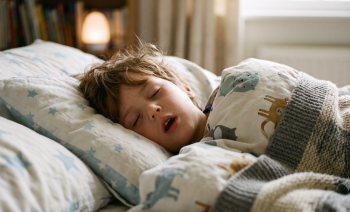
Does your child snore? 👀💙
That little snore might sound cute… but could it be telling you something more?
Many parents have captured those adorable moments of their child snoring peacefully — but regular snoring is something worth paying attention to.
Learn why childhood snoring happens, when it may signal sleep apnoea, the warning signs to watch for, and when to seek medical advice.
A child’s sleep is the foundation for their growth, brain development, emotional wellbeing, behaviour and learning. When breathing is disrupted during sleep, it can affect much more than just a good night’s rest.
Our latest article explores the causes of childhood snoring, the signs parents shouldn’t ignore, why sleep quality matters, and the steps you can take to support your child’s health and wellbeing.
Because every child deserves the chance to breathe easily, sleep deeply and wake ready to learn, grow and thrive. ❤️
👉 Read the full guide: Childhood Snoring: What Every Parent Needs To Know
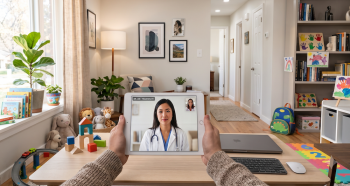
Read on to find out the advantages and limitations of walk-ins and telehealth appointments.
**When your child isn’t feeling well, making the right healthcare decision can feel overwhelming. 💙**
Should you book a telehealth appointment from home, or is it time to see a doctor in person?
Knowing the difference can save you valuable time, reduce stress, and help your child get the care they need sooner.
This easy-to-follow guide explains **when telehealth is the right choice, when an in-person visit is essential, and the advantages and limitations of both**, giving parents the confidence to make informed decisions when it matters most.
Because when your child’s health is on the line, peace of mind is priceless.
📖 Read the full article today.
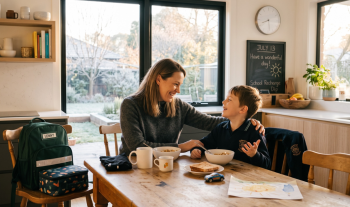
**”I don’t want to go back to school…”** 💛
If your child has said something like this over the holidays, or simply seems more tired, emotional or unmotivated than usual, they’re not alone.
🍎 As the countdown to Term 3 begins, many children struggle to shift from holiday mode back into early mornings, classroom routines and learning. The transition can feel overwhelming, but it doesn’t have to be.
😴 The mid-year school dip is real, and many children experience a drop in energy, motivation and confidence as winter continues.
✨ The good news? Small, simple changes at home can make a big difference.
👩⚕️ A child psychologist shares practical tips to help you support your child through the mid-year dip — from improving routines and emotional wellbeing to rebuilding motivation and confidence 📚
🌱 Give your child the reset they need for a happier, more confident start to Term 3.
Get parenting advice and support delivered right to your inbox
We'd love to hear what you think of the website, so we can continue to improve it . . . GIVE YOUR FEEDBACK >