
kiddi
With the rise of telehealth doctors, many people may not know when it is best to use a telehealth practitioner and when to visit a doctor in person. Here is everything you need to know to make the best decision for yourself.

Telehealth Doctor
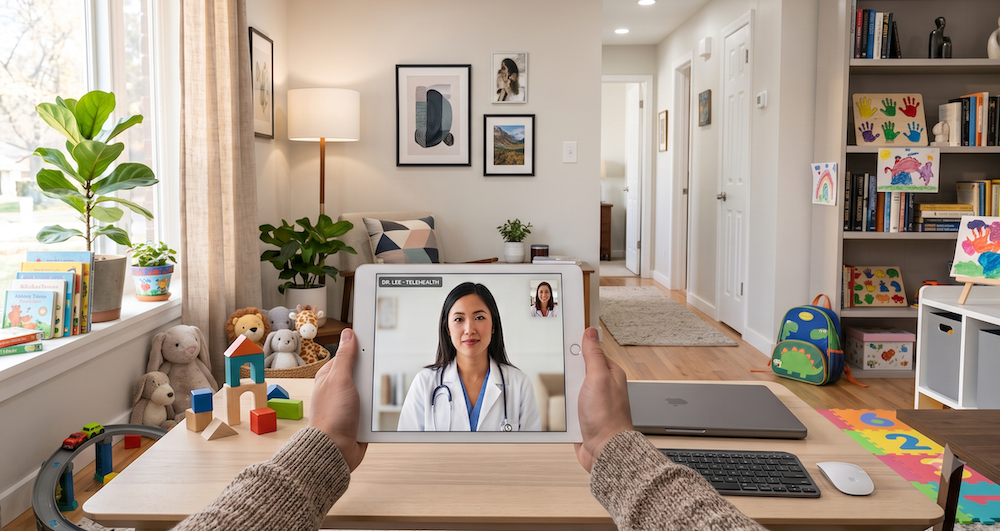
First off, a telehealth doctor is almost exactly what they sound like. You can contact them online via video call or by phone.
When to Use
One of the best times to use a telehealth doctor is when you have a mild sickness or injury. They can quickly and easily give you the advice you need and offer a treatment plan that doesn’t require you to come in to be assessed.
Another use of a telehealth doctor is to get a medication refilled or changed. When you are travelling, for example, and you need a medication refilled, it is far easier to have your telehealth doctor do it for you than to struggle with a new doctor in a foreign country.
If you are experiencing new or worse symptoms for a sickness or injury, it can be easier and quicker to contact your telehealth doctor and find out what to do, instead of needing to make the trip to the doctor.
Telehealth doctors have also proven to be very useful when it comes to doing simple follow-ups and managing chronic illness. For example, if you need to talk to a doctor to give an update on how your treatment is going, a quick video chat is often more than enough.
Finally, if you have a family or a super-busy schedule, a telehealth doctor can be the best choice just because of the convenience and time it saves. Instead of driving to a doctor and waiting for an inordinate amount of time, a video call can give you all the information you need in a fraction of the time.

Advantages
Now that you know the best times to use a telehealth doctor, some of the advantages may be a bit obvious. They can save you a ton of time and money, and their flexibility ensures a telehealth appointment can fit into any schedule.
Limitations
There are some limitations to using a telehealth doctor, with two main ones. The first being that it is not possible for a doctor to physically examine you, which can be crucial for many different types of problems.
Secondly, they aren’t able to run blood tests, take swabs, or perform urine tests. While this isn’t a dealbreaker, the convenience aspect is removed as there is a chance you will have to visit the doctor anyway for the test.
Walk-In Appointment
Walk-in appointments are still very common and necessary in many circumstances. In simple terms, if you don’t have the ability or resources to fix your problem, it almost always means you need to visit a doctor.
When to Use
One of the biggest reasons to go the walk-in route is if you need a physical examination. For instance, something as small as eczema can’t be fully assessed without a doctor being able to get close and see the problem.
Another reason to visit a doctor is if you have an illness or injury that requires medical intervention. For instance, if you have a broken arm, there isn’t much a doctor can do over a video call to help you correct it properly.
Another main reason to visit a doctor is if you have a problem that requires an examination, such as breathing or hearing issues. Once again, the required tests cannot be done over a video call.
Advantages
The advantages of visiting a doctor in person are clear. If you need a test, an examination, or something else that is hands-on, a video call is simply not enough to do the job, and you don’t have access to the equipment necessary to do it yourself.
Simply put, if you get that feeling that a video call won’t help you enough, then that is almost always a sign that you should visit a doctor.

Limitations
As with telehealth doctors, there are some limitations with walk-in visits. The first is how inconvenient it can be. There’s a chance the visit is quick, but there’s an equally big chance that a quick appointment turns into a multi-hour ordeal.
There are also several secondary problems associated with going to a doctor. First off, since you don’t know how long it will take, you often need to take a day off work, which can cost you money.
There are also additional costs associated with visiting a doctor that have nothing to do with your treatment. You need to pay for fuel or public transport, a babysitter if you can’t take your kids with you, etc.
In conclusion, there is no winner in this debate, as both options have their strengths and limitations. At the end of the day, it will depend on the problem you have and the type of treatment you need, and on knowing when to use each option to best support your health.