

“Why can’t my kids just get along?”
If you’ve ever found yourself asking this after yet another sibling argument, you’re not alone. ❤️
From the constant bickering over the smallest things to moments of incredible love and connection, sibling relationships can be one of the most challenging—and rewarding—parts of family life.
But what if the fighting isn’t a sign that something is wrong?
Behind the disagreements are important developmental lessons. Siblings are learning how to manage emotions, negotiate, communicate, understand different perspectives and repair relationships after conflict.
In this evidence-based guide, we explore the science behind sibling rivalry, why children clash at different stages of development, how to support children with different needs, and practical strategies to help your children build stronger, more respectful relationships.
Because the goal isn’t to raise siblings who never argue.
The goal is to raise children who know how to reconnect, show empathy and find their way back to each other. 💛
Read more: How to Better Manage Sibling Relationships
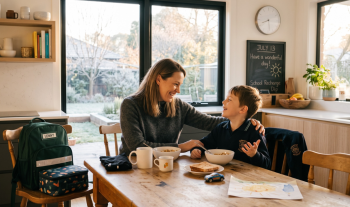
**”I don’t want to go back to school…”** 💛
If your child has said something like this over the holidays, or simply seems more tired, emotional or unmotivated than usual, they’re not alone.
🍎 As the countdown to Term 3 begins, many children struggle to shift from holiday mode back into early mornings, classroom routines and learning. The transition can feel overwhelming, but it doesn’t have to be.
😴 The mid-year school dip is real, and many children experience a drop in energy, motivation and confidence as winter continues.
✨ The good news? Small, simple changes at home can make a big difference.
👩⚕️ A child psychologist shares practical tips to help you support your child through the mid-year dip — from improving routines and emotional wellbeing to rebuilding motivation and confidence 📚
🌱 Give your child the reset they need for a happier, more confident start to Term 3.
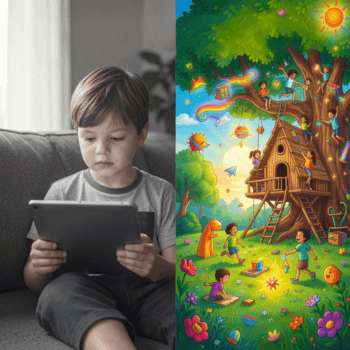
“I’m bored…” — and suddenly it feels like a problem to fix.
But what if it’s actually your child’s brain doing exactly what it’s meant to do?
✨ Children and teens are wired for novelty, curiosity, and excitement — and when life feels too predictable, they’ll go searching for it (hello screens 👀).
This isn’t about bad habits or failed parenting. It’s about understanding what their brain needs… and learning how to meet it in simple, real-life ways.
💡 From tiny routine changes to playful, spontaneous moments — there are powerful, low-effort ways to bring back connection, joy, and balance at home.
If you’ve been battling screen time or hearing “I’m bored” on repeat… this is the perspective shift you didn’t know you needed.
👉 Read more and discover how to work with your child’s brain, not against it.
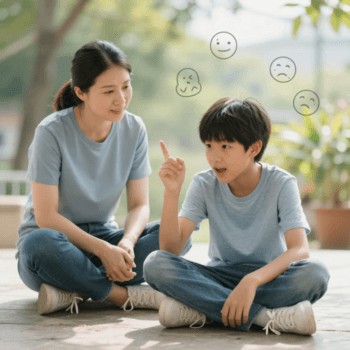
💡 Did you know your child’s temperament isn’t just a baby thing? From playful toddlers to intense teens, understanding your child’s natural traits can transform conflict into connection. 🌱 Shift from trying to change them to truly understanding them—and watch them thrive. Learn how to create harmony, boost confidence, and support your child exactly as they are. 💛

💛 Parents, are you ready for the big change? The social media ban for under-16s is coming, and your teen may struggle more than you expect.
From worry and FOMO to withdrawal and frustration, the next few weeks can be challenging — but support and understanding make all the difference.
Child Psychologist Daniela McCann shares expert tips, week-by-week strategies, and a Parent Cheat Sheet to help your teen adjust and thrive offline.
📲 Read the full guide and stay one step ahead:

💛 Words matter, but love is so much more than “I love you.” It’s in the small moments, the shared space, the questions that show you care.
As a mum and child psychologist, I’ve learned that children—and especially teens—feel love through our actions, not just our words. From hanging out in their world to noticing the little things about them, behaviour is language.
Discover simple, powerful ways to show your kids they’re truly loved and seen. Because when children feel safe and valued, they thrive. 🌱
Get parenting advice and support delivered right to your inbox
We'd love to hear what you think of the website, so we can continue to improve it . . . GIVE YOUR FEEDBACK >