
Move and Play Paediatric Therapy
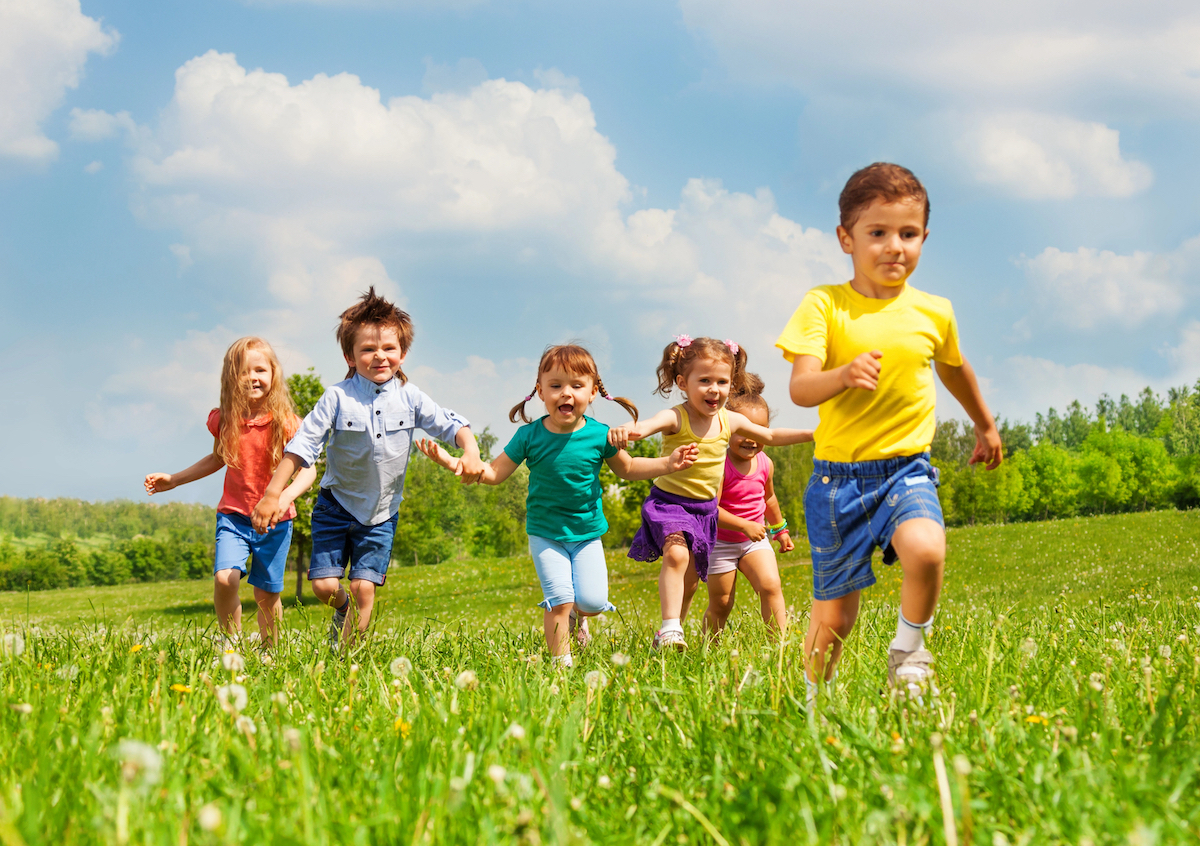
Most kids love being outdoors and playing outdoors, especially when they are little. But why is playing outside so important for children?
In today’s world, where screens are everywhere and life can be busy and structured, outdoor play is more than just fun—it’s essential for a child’s growth. It helps them develop physically, socially, emotionally, and cognitively, while also giving them the freedom to explore, imagine, and be active.
Here are some key ways children will benefit from playing outdoors:
Gross motor skill development
An outdoor environment provides your child with the space they need to be able to practice their big movements or big motor skills such as running, jumping, galloping, skipping, and hopping. These movements strengthen their muscles and bones, improve endurance, and build confidence in what their body can do.
Balance
When playing outdoors, the grass can be uneven and bumpy, the sand is soft and slippery, there are slopes or hills to go up or down, and obstacles to negotiate such as rocks, gardens, and play equipment. All of these situations will challenge your child’s balance a lot more than when they are playing inside. Developing balance at a young age supports coordination and confidence in movement.
Ball skills
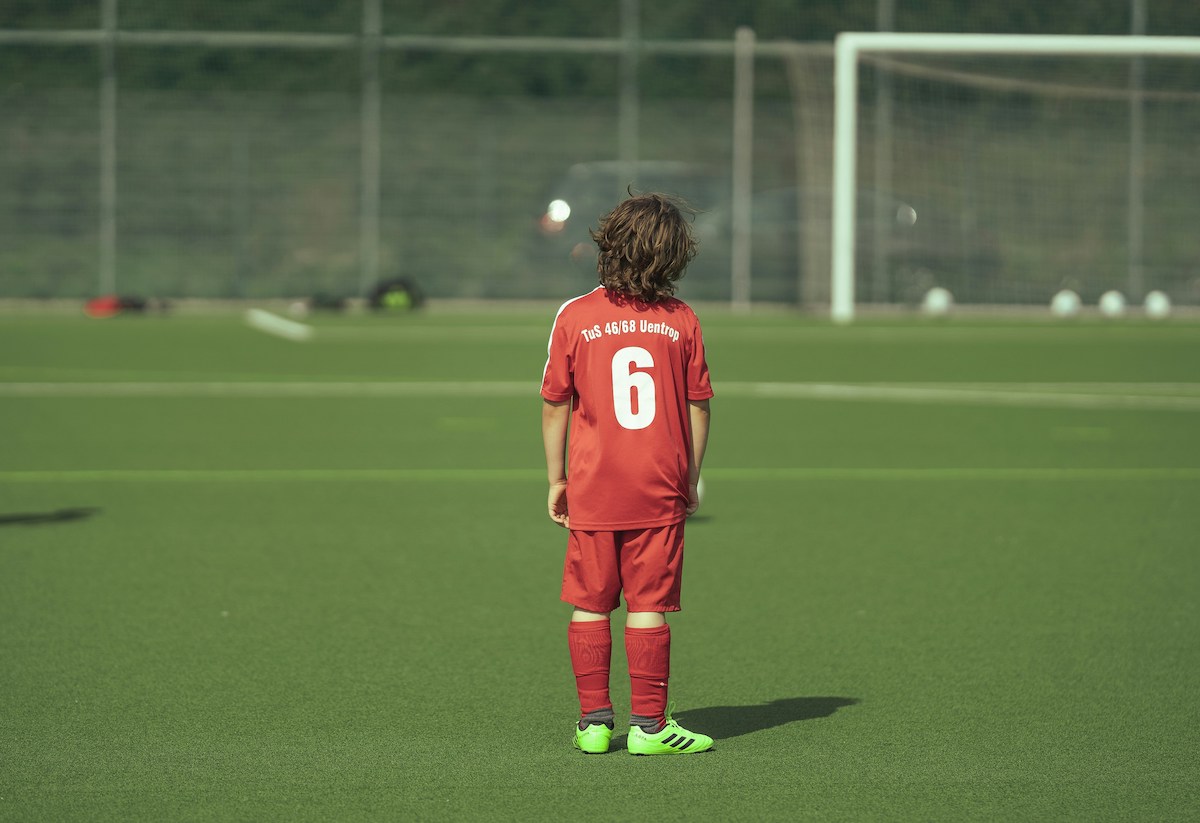
Similar to gross motor skill development, an outdoor environment provides your child with the space they need to practice their ball skills such as throwing, catching, and kicking. These fundamental movement skills set your child up for more success and confidence for when participating in sports with their peers in the future. Playing with balls outdoors also encourages teamwork, persistence, and spatial awareness.
Coordination
Climbing on playground equipment, stepping over onto a bike, playing with bats and balls will help your child practice moving their body in a coordinated way. Outdoor play encourages children to use multiple body parts at once, improving overall motor control and body awareness.
Grip strength
There is nothing better for your child’s grip strength and arm strength than a good old play on the monkey bars. Having stronger shoulders, arms and hands will help your child to have the strength and control in their hands for fine motor tasks such as writing and using scissors. Activities like climbing, swinging, or carrying natural objects also support this strength in fun, everyday ways.
Fitness and health
All of the physical activity your child does when outside will help them to improve their strength, their fitness, their bone density, and their overall health and well-being. Outdoor play promotes cardiovascular health, helps maintain a healthy weight, and encourages a love of active movement that can last a lifetime.
Attention and behaviour
A throwback benefit of more physical activity can sometimes actually be better attention and behaviour. Children are hard wired to move, and can find it hard to sit still and concentrate. Give your child a good dose of physical activity, and you might find their attention and behaviour can improve because they have ‘burnt off that energy’.
Creativity and problem solving
The outdoor environment can be considered a ‘blank canvas’ with lots of opportunity for creative play and problem solving. Sticks can become fishing lines, swords, walking sticks, a balance beam, a long spoon for stirring mud pies, a pencil, an imaginary play friend – the options are endless. Nature encourages children to invent games, solve challenges, and stretch their imagination in ways that structured indoor toys often cannot.
Risk taking
There is no better place for your child to learn about taking risks and learning the consequences of risk taking than during outdoor play. When your child climbs up the slippery slide, or up the tree, or onto the trampoline, they are learning about risk taking. Understanding how to evaluate the risk in situations, and the consequences associated with taking risks, is better learnt when your child is younger as a result of taking risks when playing outdoors, than when they are older and eg: are allowed to drive a car.
How to give your child more outdoor physical play
-
Give your child regular opportunities to play outdoors. Your child should be playing outdoors every day, at least once per day.
-
Have a selection of activities for your child to play with in your backyard or on your back patio. Think balls, bats, push carts, trampolines, swings, climbing frames, skipping ropes, etc.
-
Don’t forget you can also make use of the natural environment in your backyard! Do you have any trees, gardens, bamboo, sticks, leaves, grass or dirt your child can explore? Natural objects provide great opportunities for creativity!
-
Take your child to a playground and give them the opportunity to climb, slide, swing, and spin, as well as play with other children. If the weather is no good, try an indoor playground.
-
Go to the beach and play in the sand, go for a bush walk, ride your bikes together, kick a ball back and forth in the backyard, or have a family game of backyard cricket. Doing outdoor activities together with your child can increase their motivation as well as help you connect and build memories together.
-
Enrol your child in an outdoor education program, or a motor skills or sports program where they can learn fundamental movement skills. The programs might include scouts, kindergartens, or multisport programs.
Final thoughts
Outdoor play isn’t just “fun.” It helps children grow stronger, think smarter, connect better with others, and feel calmer. It gives them space to explore, create, and simply be kids.
Whether it’s a backyard adventure, a trip to the beach, or a playground visit, making time for outdoor play every day gives your child experiences and skills they’ll carry with them for life. These moments are where confidence, imagination, and resilience are born—and where some of their happiest childhood memories are made.
You may also like to read:
Intentional Learning through Play
What is Risky Play in early childhood?