
Kiddipedia
For many new mothers, the 6-week postnatal check-up is often viewed as the green light to resume exercise. But it’s important to remember: just because your GP says you “can” doesn’t mean you “should” jump back into your pre-pregnancy routine. Your body has undergone a monumental transformation, and recovery is not one-size-fits-all.
Every woman has her own perception of exercise. For some, it’s a gentle daily walk; for others, it could mean training for marathons, returning to sports, or tackling a boot camp. Regardless of your fitness level before or during pregnancy, your postnatal body is different and needs care.
Here are 7 key tips to help guide your safe, sustainable return to movement.
1. Go Slow, Stay Mindful Each pregnancy and postpartum journey is unique. While daily walks can boost both mental and physical wellbeing, some days rest may be more beneficial than movement. The golden rule? Listen to your body. Honour what it tells you—whether it’s calling for a nap or a stroll around the block.
2. Bonding Over Bootcamp Think of birth like a marathon. Athletes take time to recover after a race—and so should you. Post-birth is a time for healing, bonding, and rest. There’s no need to set new fitness goals right now. Instead, soak up those newborn cuddles and embrace the slower pace. You’re rebuilding for your long-term health.
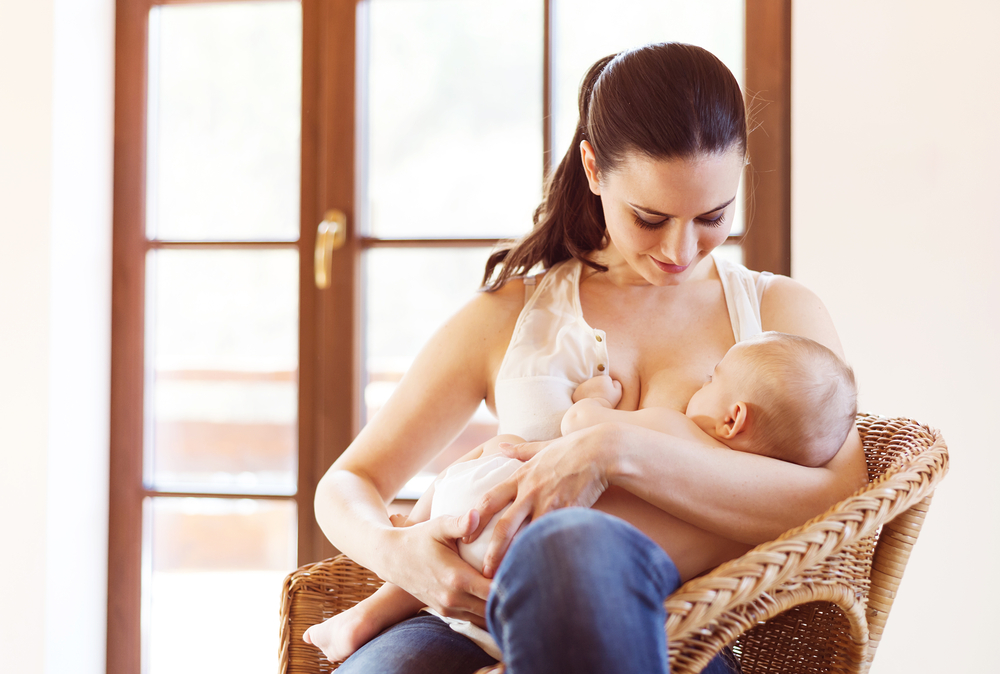
3. Breastfeeding and Relaxin Awareness If you’re breastfeeding, the hormone relaxin remains active in your body. While it was essential for childbirth, it can make joints less stable during exercise. This doesn’t mean you can’t work out—just take extra care, especially with high-impact or balance-based movements. A supportive sports bra is also essential.
4. Support Soft Tissue Repair Even an uncomplicated vaginal birth involves soft tissue damage. Athletes with muscle injuries aren’t rushed back onto the field, and neither should you be. Help your body heal with hydration, quality sleep, and a protein-rich diet to support cell repair and muscle recovery.
5. Start with the Pelvic Floor In postnatal fitness, your pelvic floor should take priority. When you hear “core exercises,” think pelvic floor first—not crunches. Learn to activate it by gently contracting from back to front and lifting, then engaging your lower abdominals. Pair this with breathing: exhale on exertion and feel the floor lift.
If you experience leaking, vaginal heaviness, or pelvic/lower back pain, stop and seek support.
6. Consult a Women’s Health Physiotherapist Only a qualified women’s health physiotherapist can assess the true function of your pelvic floor. Conditions like hypertonic (overly tight) pelvic floors can also cause incontinence, and more pelvic floor exercises can make it worse. A physio will tailor a recovery plan, help you track DRAM (abdominal separation), and let you know when you can safely resume higher-impact activities.
7. Choose Your Trainer Wisely Not all fitness professionals are trained to work with postnatal women. Always ask about their qualifications and how recently they’ve updated their training in pregnancy/postpartum care. A good trainer will ask about pelvic floor health, DRAM, and tailor workouts to support—not hinder—your recovery.
Bonus Tips:
- Create a simple postpartum fitness journal to track how you feel each day.
- Be gentle with your expectations. Progress won’t always be linear.
- Celebrate small wins—every step counts.
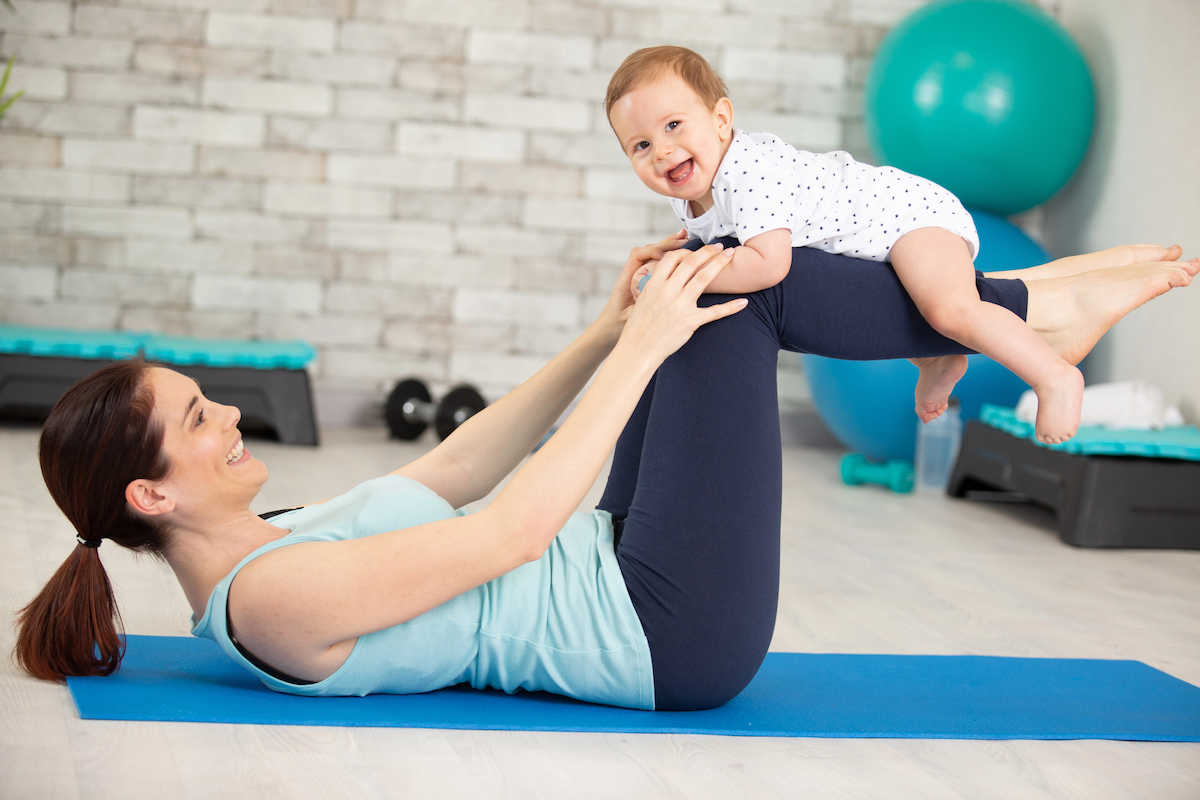
Final Thoughts Your postpartum body is strong, but it deserves compassion and care. Exercise can be a wonderful support to your mental and physical health, but only when approached with patience and informed guidance. Whether it’s a stroll with the pram or guided pelvic floor work, honour the pace your body needs—not the pressure to “bounce back.”
Take your time. Your body created life. Now it’s your turn to nurture it.