
Kiddipedia
According to the Australian Institute of Health and Welfare, around two in three Australian adults and one in four children and adolescents are living with overweight or obesity, a pattern linked to a range of long-term health conditions. Habits around food often take shape well before school age, which is why the early years are such a meaningful time to build a healthy relationship with eating.
Helping your child eat and enjoy a nourishing, well-balanced diet is one of the most important parts of parenting, and it shapes far more than their height and weight. In this post, we will look at how nutrition and child development are connected, how food influences learning and emotional wellbeing, which Australian and NSW programs support healthy eating, and what you can look for in an early learning service. Read on to see how the meals and snacks your child eats each day add up over time.
What Balanced Nutrition Means in the Early Years
Good child nutrition is less about any single food and more about the overall pattern of what your child eats across the week. The Australian Dietary Guidelines suggest that children’s plates draw on all five food groups across the day. In everyday terms, that means colourful vegetables and beans, fresh fruit, wholegrain breads and cereals, protein foods such as meat, fish, eggs or tofu, and dairy foods or calcium-rich alternatives. For drinks, plain water is the best everyday choice.
For toddlers and preschoolers, balance usually looks like three regular meals and two or three small snacks each day. Small tummies cannot hold large portions, so frequent, nourishing meals help them meet their energy needs. Foods should suit your child’s age and stage, with softer textures and safe sizes for younger children. As a guide, Eat For Health lists the recommended daily serves for toddlers and young children from each food group, which can help you plan meals across the day.
Supporting Healthy Growth and Active Play
Children grow quickly in the first five years. Protein, calcium, vitamin D and a range of other nutrients contribute to the normal development of bones, muscles and body systems. Regular meals and snacks also give children the energy they need for running, climbing, building and exploring, which are all part of a busy preschool day. When children eat well and move often, the two habits tend to support each other.
How Nutrition Supports Brain Development, Learning and Emotional Wellbeing
The brain develops rapidly in early childhood, and it relies on a steady supply of nutrients to do so. Iron, protein, healthy fats and B-group vitamins all contribute to normal brain and body function, and the Sydney Children’s Hospitals Network explains the role nutrition plays in a child’s growth and development in more detail. Iron, for instance, helps carry oxygen around the body, and low iron levels in young children have been associated with tiredness and difficulties with attention.
It is worth keeping this in perspective, though. No single food will make your child smarter or guarantee better concentration. Research on early nutrition and the developing brain in the area of child brain development nutrition points to the value of an overall varied diet over time, supported by sleep, play, relationships and rich learning experiences.
Food, Mood and Behaviour
You have probably noticed that a hungry or thirsty child can become tired, unsettled or teary. Hunger, hydration, sleep, physical activity and daily routine all play a part in how children feel and how well they join in with what is happening around them. Popular ideas such as the “sugar high” are not well supported by research, yet diets high in heavily processed foods and low in fruit, vegetables and wholegrains have been linked with poorer mental and emotional wellbeing in children in some studies.
Offering regular meals, keeping water within reach and creating calm mealtimes can help your child feel settled and ready to take part in the day. Every child is different, and food is only one piece of a much bigger picture.
Building Lifelong Food Habits
Early eating experiences can shape food preferences for years to come. Children often need to see, smell, touch and taste a new food many times before they accept it, so gentle and repeated exposure tends to work better than pressure. When you eat a variety of foods yourself, share meals together and let your child decide how much to eat from what is offered, you help them learn to trust their own hunger and fullness cues. These healthy eating habits for children can carry through into later life.
How Australian and NSW Health Programs Encourage Healthy Eating
Families are not expected to do this alone. The Australian Government’s Get Up & Grow resources offer guidance on healthy eating and physical activity for early childhood, designed for both parents and educators.
In New South Wales, Munch & Move is a NSW Health initiative that supports early childhood education and care services to promote healthy eating, encourage physical activity and reduce recreational screen time. The program gives educators training and resources so that healthy habits become part of everyday routines. Its key messages include choosing water as a drink, eating plenty of fruit and vegetables, limiting sometimes foods and drinks, and getting active each day.
Programs like these matter because many children spend several days a week in care. When the messages children hear at home are also reflected in their early learning setting, healthy habits have a better chance to take root.
How Childcare Centres Can Support Healthy Eating
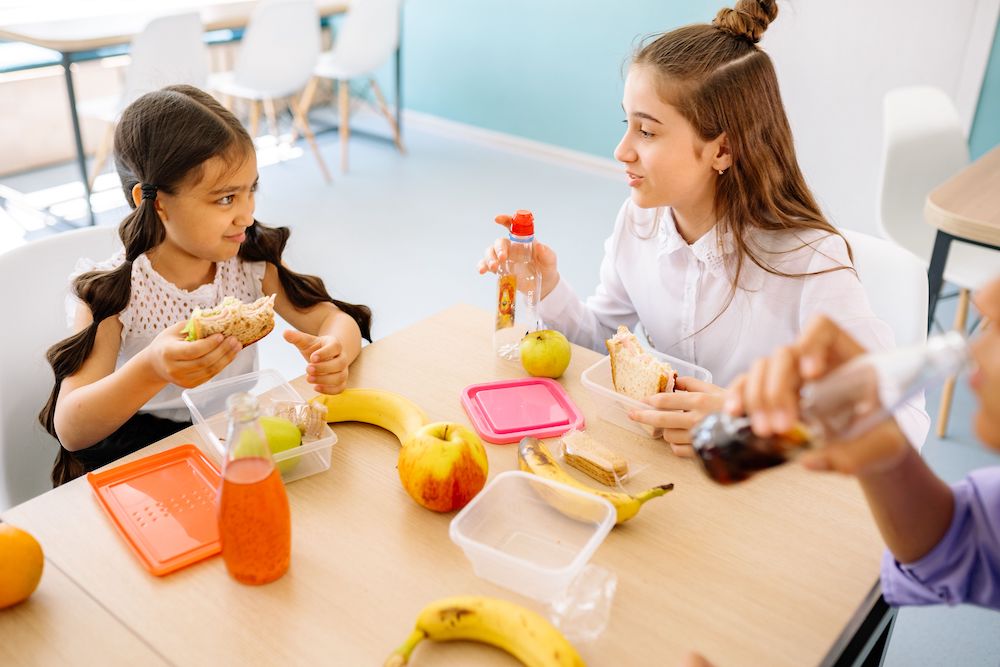
Children in long day care may eat breakfast, morning tea, lunch and afternoon tea at their service, so the food environment there has a real influence on their daily nutrition. ACECQA notes that nutrition in early childhood education and care is part of how services support children’s health and wellbeing under the National Quality Standard. Shared meals also give children a chance to watch their friends try new foods and to talk with educators about tastes and textures. This social side of eating helps explain why many parents find that their child eats differently at childcare than at home.
Some services prepare meals onsite and connect healthy eating with their active-play programs. As one example, Joey’s Cottage Preschool & Childcare in Chipping Norton states that its meals are prepared onsite in a custom kitchen by a qualified cook, including breakfast, morning tea, lunch, afternoon tea and a late afternoon snack, and that the centre follows Munch & Move guidelines.
What to Ask When Choosing an Early Learning Centre
When you visit a centre, these questions can help you understand its approach to early childhood nutrition:
- Is there a rotating menu with variety across the five food groups?
- Is water freely available throughout the day?
- How are allergies, intolerances and special diets managed?
- Are culturally diverse meals included on the menu?
- What food-safety practices does the kitchen follow?
- Are mealtimes relaxed and social, with educators sitting with the children?
- How are active play and outdoor time built into the daily routine?
Wrapping Up
Nutrition supports nearly every part of your child’s early development, from growing bones and energy for play to brain function, mood and the food habits they carry into later life. Aim for consistent patterns over perfection. Offer a variety of foods, keep water close at hand, eat together when you can and model the balanced eating you hope to see.
Your child’s early learning service can be a wonderful partner in this. Before enrolling, ask about meals, menus and daily routines to make sure they align with what you want for your child. If you have concerns about growth, allergies, very restricted eating or possible nutritional deficiencies, speak with your healthcare provider, child health nurse or an accredited practising dietitian for advice suited to your child.