

🎸 What if learning guitar could do so much more than teach your child to play music?
Every chord, every practice session, and every small breakthrough is helping to strengthen the developing brain. From improving focus and memory to building resilience, coordination and problem-solving skills, guitar lessons offer benefits that reach far beyond music.
If you’ve ever wondered whether music lessons are really worth the investment, the science might surprise you. Discover what’s actually happening inside your child’s brain every time they pick up a guitar—and why it could be one of the best gifts you give their future.
✨ Read the full article and see why guitar may be one of the smartest hobbies a child can have.

Could your child’s ability to focus have less to do with trying harder… and more to do with what happens long before they walk into the classroom?
Every parent wants to help their child learn, concentrate and feel confident at school. But supporting a growing brain isn’t about finding a miracle food or the latest trend. It’s about understanding the powerful role that nutrition, sleep, movement and everyday family habits play in helping children thrive.
Backed by research, this article explores the key nutrients that support healthy brain development, why sleep may be one of the most overlooked learning tools, and the simple, realistic changes that can make a lasting difference.
Because when children are given the right foundations, they’re better equipped to learn, grow and reach their full potential.
Read the full article now

What if your child’s favourite “screen time” song was actually building language skills, emotional regulation, and early learning foundations?
Sesame Workshop has just released a new music album made entirely of playful pop parodies — and while it sounds like fun (it is), there’s something deeper happening here.
From potty training anthems to sharing, self-control, and teamwork songs, this isn’t just entertainment — it’s learning disguised as music.
We’ve broken down what parents need to know (and what the research says about music and brain development in early childhood) in a new Kiddipedia feature.
🎧 Read the full article here and see why this matters more than you think.

The first five years shape a lifetime. 💛
Did you know that by age five, around 90% of a child’s brain development has already taken place? The relationships, care, and everyday interactions children experience during these early years help build the foundations for learning, confidence, resilience, emotional wellbeing, and future success.
Choosing childcare isn’t just about convenience — it’s about finding caring adults who help children feel safe, seen, heard, and understood.
Discover why childcare quality matters far more than many parents realise, and how the right support can make a lasting difference in a child’s development.
Read the full article now.
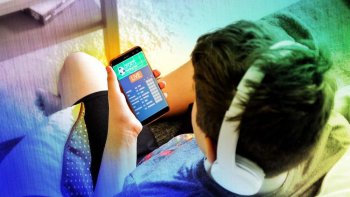
⚽🏆 The World Cup is about to unite millions of families around the screen. But while we’re watching the game, something else is working hard to win our children’s attention.
Betting ads are everywhere.
For today’s teenagers, gambling has become deeply woven into sport. Odds are discussed before matches begin, betting brands sponsor teams, and advertisements often make wagering look exciting, normal, and harmless.
But here’s what every parent should know: the teenage brain is uniquely wired to seek excitement, rewards, and risk. That combination can make young people particularly vulnerable to the powerful messages hidden within gambling advertising.
As the World Cup kicks off, now is the perfect time to start a conversation that could have a lasting impact.
In this important article, psychologist Breanna Jayne Sada explores why sports betting is becoming increasingly normalised, how dopamine influences teenage decision-making, and the simple conversations parents can have to help their children think critically about gambling.
Because while the World Cup will eventually end, the lessons our children learn from what they watch can stay with them for life. 💛
Read the article and discover how one conversation today could help protect your child tomorrow.

Many parents think academic support starts when grades drop… but by then, the gap has often already grown.
The truth is, learning struggles don’t appear overnight—they build quietly. A missed concept here, a moment of confusion there… until confidence starts to slip long before report cards ever show it.
But here’s the shift:
Early academic support isn’t about “doing more schoolwork.”
It’s about protecting confidence, closing small gaps before they grow, and helping children actually understand what they’re learning.
Because once a child feels capable, everything changes—motivation, participation, and even how they see themselves as a learner.
This is what most parents don’t get told… and why starting early can make all the difference.
Read the full article to learn why timing matters more than effort.

We’re raising the first generation of children whose early brain development is unfolding alongside constant screens.
And most parents are left wondering:
“If my child is watching and interacting with screens every day… what is it actually doing to how they learn, feel, and grow?”
Here’s what the science quietly keeps showing us:
Young children don’t just “learn differently” from screens…
they learn less deeply than they do from real-world, human, sensory-rich experiences.
Not because screens are “bad.”
But because a developing brain is built for something screens can’t fully replicate:
messy, unpredictable real life
emotional back-and-forth with humans
touch, movement, and physical discovery
boredom that turns into imagination
failure that turns into resilience
A toddler isn’t just “playing” when they stack blocks or dig in dirt.
They’re building the architecture of attention, language, emotional regulation, and thinking itself.
Screens can entertain. They can even teach.
But they don’t replace the developmental power of a child:
falling, trying again, being comforted, exploring, moving, and connecting with real people.
If you’ve ever felt unsure about screen time—not guilty, just unsure—this piece is for you.
It breaks down what research actually says… in a way that makes sense in real family life.
👉 Read the full article here
Term 1 school holidays are here…
And so is the familiar pressure:
“How do I keep them entertained?”
But in 2026, it’s louder than ever—
with screens, streaming, gaming, and constant stimulation competing for every quiet moment.
And somewhere in all of this… we’ve lost something important.
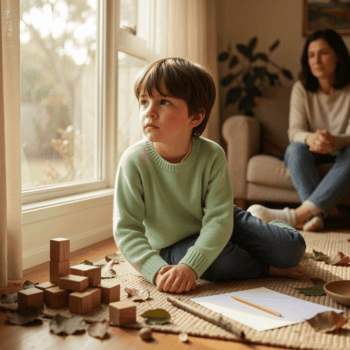
Boredom.
But what if boredom isn’t the problem—what if it’s essential?
Because science shows boredom is where children actually develop:
🧠 creativity
🧠 emotional regulation
🧠 independence
🧠 problem-solving
From toddlers to tweens, boredom is the space where the brain learns to think, imagine, and self-direct.
In an overstimulated world, maybe the most powerful thing we can give our kids isn’t more entertainment…
It’s space.
✨ Let them be bored. Something important is happening.
👉 Read more in the article.

🌱 New parents, this one’s for you! 🌱
Parenting is a beautiful rollercoaster, but no book or podcast can truly prepare you for the wild ride. In our latest article, we dive into the essential things your baby’s brain needs to grow strong, confident, and resilient. 💖
From the power of cuddles and play to the importance of being present (and putting down that phone!), we’ve got the science-backed tips to guide you. ✨
Your baby is unique. Read on for simple, yet powerful ways to support their development today. 👶💕

🎶 Did you know that music is a powerhouse for your little one’s brain? From improving motor skills to boosting emotional intelligence and enhancing language and math abilities, music stimulates every part of the brain! 🎤🎹
Starting early can spark a love for music and set the stage for lifelong benefits! 🌟 The earlier your child connects with music, the stronger their brain development in key areas like memory, motor skills, and emotional growth.
Ready to unlock the magic of music for your child? 🎧🎶
👇 Tap to read more and discover why music should be a part of your child’s daily life.
Get parenting advice and support delivered right to your inbox
We'd love to hear what you think of the website, so we can continue to improve it . . . GIVE YOUR FEEDBACK >