
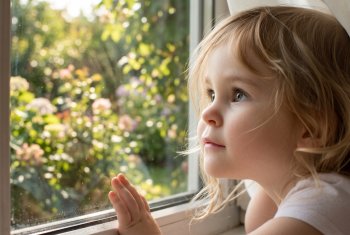
💗 Imagine your little one struggling to see the world clearly, but not knowing how to tell you. 👀
Babies, toddlers and preschoolers can’t always explain when something doesn’t look right. Sometimes, the signs are hidden in everyday moments — holding toys too close to their face, struggling with puzzles, bumping into things or losing interest in books.
💕 As parents, we notice the little things. But when it comes to our children’s vision, some important signs can be surprisingly easy to miss. Knowing what to look for could make a difference to your child’s developing vision.
✨ Discover what to look for at every age, from babyhood to preschool, and why recognising potential vision problems early can make a meaningful difference. Because every child deserves the chance to see, explore and discover the world around them. 👁️💗
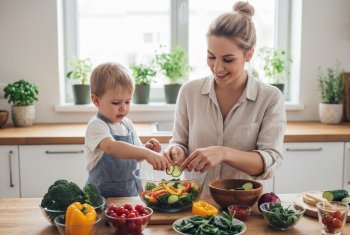
🧠🥦 Did you know what’s on your child’s plate can influence more than just their growth?💛
From brain development and learning to mood, energy and lifelong eating habits, nutrition plays a bigger role in your little one’s early years than you might think! 🍓🥑
But healthy eating isn’t about perfect plates or getting every meal right. It’s about the little things we do every day that help our children grow, learn and thrive. 🌱✨
👶 Learn how everyday nutrition supports your child’s growth, brain development, mood and eating habits, and what to ask your childcare service about meals.
Discover practical ways to encourage healthy eating and help your little one build habits that can last a lifetime. 🥕🍎
❤️ Because nourishing growing minds starts with the little things we do every day!

🥋 What if one activity could help your child grow stronger in body, braver in spirit and more confident in themselves? 💛
Self-defence is about so much more than learning to fight! It can give children opportunities to build self-belief, practise self-control, develop resilience, make friends and learn how to recognise boundaries and seek help when they feel unsafe.
From standing a little taller to learning that strength isn’t about picking a fight, but knowing how to respond, the right training can help children develop valuable skills that reach far beyond the mat. 💪
✨ Discover 32 reasons to consider self-defence for your child — and why the benefits may be about much more than you think.

👀 Wait… are your toddler’s legs supposed to look like that? 🤔💛
🤔 Are you wondering why your toddler’s legs don’t look “straight”? From adorable bowlegs to the classic knock-knees, these are often just normal parts of growing up! 💛👶🦵
Watching your little one grow comes with plenty of questions, and the way their legs develop can sometimes leave parents wondering what’s normal.
The good news? 🥰 Bowed legs and knock-knees are often a natural part of childhood development and usually improve as children grow.
But how do you know what’s typical, how can you track their progress, and when should you seek extra help? 👣
Discover what to expect at different ages, how to monitor your child’s leg development, and the signs parents shouldn’t ignore. Give those little legs the attention they need, without unnecessary worry! ❤️
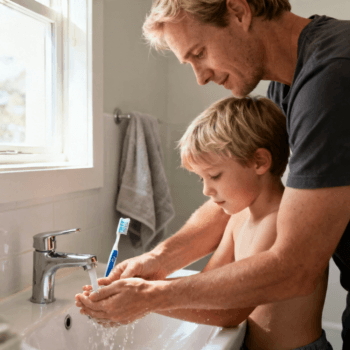
We spend so much time watching sleep, behaviour, food and screen time… but there’s one daily habit that quietly tells us more about our child’s health than we realise.
The toilet.
Not in a gross way—but in a real, science-backed, often-overlooked way that can reveal clues about hydration, gut health, diet, stress, and even how a child is coping emotionally.
Most parents aren’t taught to look here. But once you understand what to notice, you start to see a different layer of your child’s wellbeing that’s been there all along.
👉 This might just change how you read your child’s health every single day.
Read the full article
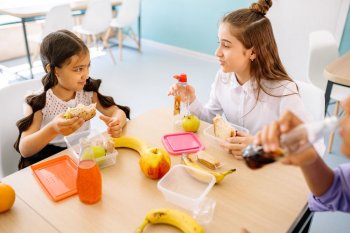
Could your child’s ability to focus have less to do with trying harder… and more to do with what happens long before they walk into the classroom?
Every parent wants to help their child learn, concentrate and feel confident at school. But supporting a growing brain isn’t about finding a miracle food or the latest trend. It’s about understanding the powerful role that nutrition, sleep, movement and everyday family habits play in helping children thrive.
Backed by research, this article explores the key nutrients that support healthy brain development, why sleep may be one of the most overlooked learning tools, and the simple, realistic changes that can make a lasting difference.
Because when children are given the right foundations, they’re better equipped to learn, grow and reach their full potential.
Read the full article now
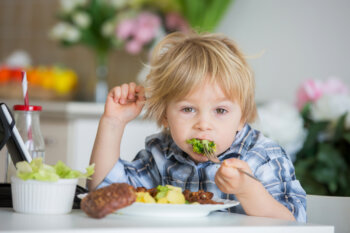
Most parents don’t realise this… but your child’s relationship with food doesn’t actually start at the dinner table.
It starts long before the first bite. Long before the first refusal. Even before they can talk about what they like or don’t like.
From the womb through the first 1000 days, your child is already learning about taste, safety, and food comfort — shaped quietly by exposure, repetition, and what they see at home every day.
So if you’ve ever felt stuck in the “picky eating” phase, or wondered why your child refuses foods they used to eat… there’s actually a lot more going on beneath the surface.
This isn’t about pressure or perfection. It’s about understanding what’s really driving your child’s eating — and how small, calm shifts can make a big difference over time.
Worth a read if mealtimes have ever felt harder than they should be.
👉 Read the full article on Kiddipedia

It often starts with a simple sentence on a school morning:
“Mum, my stomach really hurts.”
But what if it’s more than just cramps?
For thousands of girls, period pain can mean missed school days, difficulty concentrating in class, sitting out sport, avoiding social activities, and quietly struggling through lessons every month.
Because period pain is so common, it’s often brushed aside as something girls should simply learn to live with. Yet when pain begins affecting attendance, learning, confidence, sleep, or wellbeing, it deserves to be taken seriously.
This article explores the signs that period pain may be impacting your child’s education, what’s considered normal, when to seek medical advice, and how parents can help their daughters feel supported, comfortable, and confident at school.
No child should have to choose between managing pain and participating in the moments that shape their childhood.
Read more.

What if some of the germs we’re so busy protecting our kids from are actually helping them thrive? 🦠💛
Dirt under their fingernails. A cuddle with the family dog. Playing outside. Eating fibre-rich foods. 🐾🌱
While we often think of bacteria as something to avoid, the truth is that trillions of beneficial microbes are working behind the scenes every day to support your child’s health.
From strengthening immunity and supporting digestion to influencing mood and overall wellbeing, the microbiome is transforming what we know about children’s health.
Inside every child is a hidden world of good bacteria helping to shape how they grow, develop and flourish.
Could nurturing these tiny microbes be one of the most important things we can do for our children’s long-term health?
Discover the fascinating science behind the microbiome, why good bacteria matter, and the simple everyday habits that can help support your child’s health for years to come.
👉 Read more.

We’re raising the first generation of children whose early brain development is unfolding alongside constant screens.
And most parents are left wondering:
“If my child is watching and interacting with screens every day… what is it actually doing to how they learn, feel, and grow?”
Here’s what the science quietly keeps showing us:
Young children don’t just “learn differently” from screens…
they learn less deeply than they do from real-world, human, sensory-rich experiences.
Not because screens are “bad.”
But because a developing brain is built for something screens can’t fully replicate:
messy, unpredictable real life
emotional back-and-forth with humans
touch, movement, and physical discovery
boredom that turns into imagination
failure that turns into resilience
A toddler isn’t just “playing” when they stack blocks or dig in dirt.
They’re building the architecture of attention, language, emotional regulation, and thinking itself.
Screens can entertain. They can even teach.
But they don’t replace the developmental power of a child:
falling, trying again, being comforted, exploring, moving, and connecting with real people.
If you’ve ever felt unsure about screen time—not guilty, just unsure—this piece is for you.
It breaks down what research actually says… in a way that makes sense in real family life.
👉 Read the full article here
Get parenting advice and support delivered right to your inbox
We'd love to hear what you think of the website, so we can continue to improve it . . . GIVE YOUR FEEDBACK >