
Kiddipedia
January is supposed to feel like a fresh start, but for many of us parents, it can feel anything but. Our bank accounts have taken a beating after Christmas, and with the rising cost of living, it’s just not financially viable for many of us to go away on a fancy holiday this school break. Instead, we’re home most days, trying our best to keep ourselves and the kids busy before the year really kicks into drive.
We look around the lounge room and see toys scattered everywhere, the laundry piling up, and our minds rarely getting a break. Between all of this, finding even a little space for yourself can feel impossible.
The good news is that this is the perfect time to set up your year for success. creating space, in your home, your mind, and your heart—doesn’t just feel nice. It actually helps you feel calmer, more focused, and more present with your children.
So how do we carve out that space, not just around us, but inside us too?
1. Physical Declutter: Creating Joy in Your Home
It turns out that a messy home doesn’t just look chaotic—it can make your brain feel chaotic too. Studies show that clutter increases stress hormones and makes it harder to focus.
Marie Kondo, the Japanese organising expert, has a simple philosophy that really resonates for parents: hold each item and ask, “Does this spark joy?” If it doesn’t, thank it and let it go.
Here’s how it works for families:
-
Tackle one category at a time. Clothes, toys, books, papers, and sentimental items. Don’t try to do it all at once.
-
Involve the kids. Let them pick which toys bring them the most joy. Rotate what’s left out—research shows it encourages creativity and keeps them engaged longer.
-
Question the usefulness. If something doesn’t serve a purpose or spark happiness, it’s okay to donate, recycle, or gift it.
-
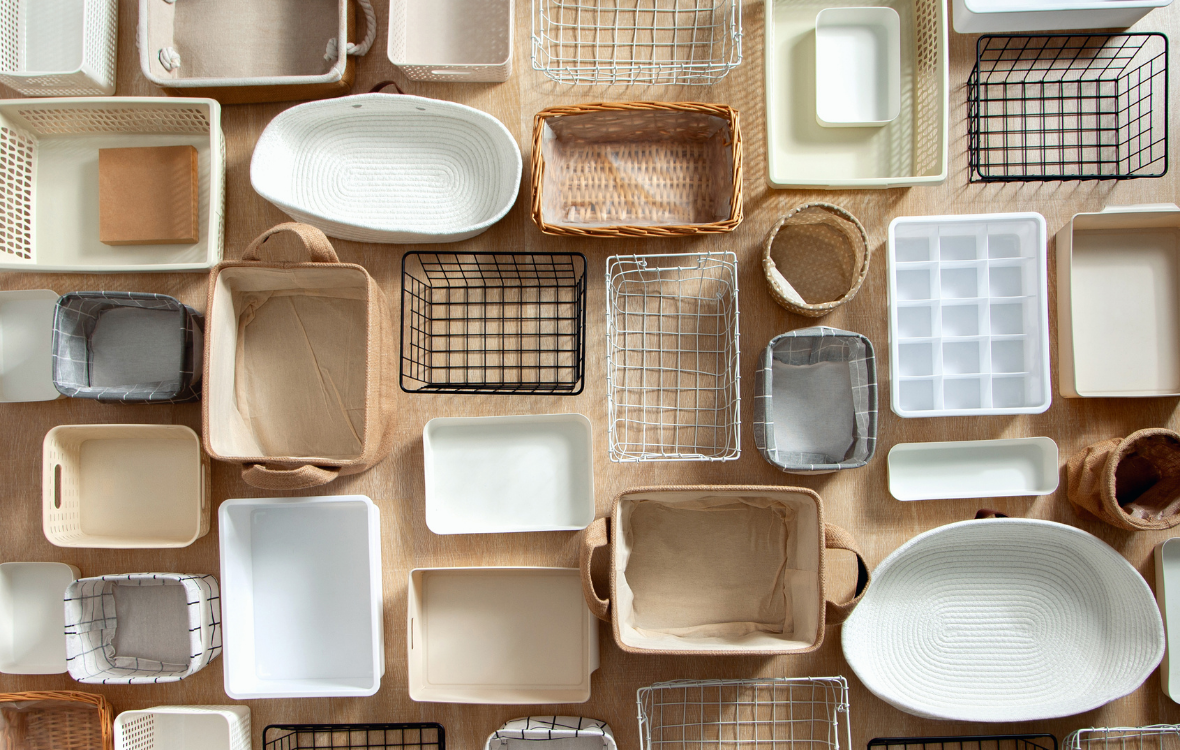
Organise thoughtfully. Clear bins, baskets, and labels make finding and putting things away easier—and reduce mental load for both you and your children.
Even small wins, like clearing one drawer or basket, can make your home feel calmer and more energising.
2. Mental Declutter: Quieting the Noise in Your Head
Parenting comes with endless mental chatter: “Did I reply to that email?” “What’s for lunch?” “Did I schedule that appointment?” Even small mental loads add up. Neuroscience shows that multitasking leaves what’s called “attention residue”, meaning your brain is never fully resting.
Here’s what can help:
-
Write it down. Journaling or keeping a to-do list frees up mental space and reduces anxiety.
-
Single-task when you can. Focus on one task at a time—folding laundry, playing with your child, or reading a book. Your brain will thank you.
-
Take mini-digital breaks. Even a few hours away from notifications or social media can reset your attention and calm your nervous system.
-
Try mindfulness. Short meditation sessions—even five minutes—have been shown to reduce stress and improve emotional regulation for parents.
The goal isn’t perfection—it’s giving your mind moments to breathe.
3. Emotional Declutter: Letting Go of What Weighs Us Down
Parenthood can stir up emotions you didn’t expect. Old memories, grief, or unresolved feelings sometimes resurface, leaving you exhausted. Emotional clutter isn’t weakness—it’s normal.
Some strategies that help:
-
Reflect on relationships. Notice who energizes you and who drains you. It’s okay to step back from the relationships that don’t serve your well-being.
-
Seek support when needed. Talking to a friend, counsellor, or therapist can help untangle old patterns and give you perspective.
-
Reconnect with your values. Marie Kondo’s philosophy works here too: keep what sparks joy in your heart and gently release what doesn’t.
-
Share your feelings. Even a short, honest conversation with a loved one can reduce stress and make you feel seen.
The point is simple: emotional space creates room for calm, presence, and connection.
4. Social Declutter: Protecting Your Time
Mondays can feel like a marathon before they even start. School holidays and social invitations often fill your calendar to bursting. Research shows that overcommitment increases stress, impacts sleep, and even affects health.
Here’s how to take control without guilt:
-
Learn to say no. Protecting your schedule is protecting your wellbeing.
-
Schedule “nothing” time. Even ten minutes of unscheduled space for you or the kids can feel like a mini reset.
-
Prioritise meaningful connections. Spend time with people who energise you rather than drain you.
Remember, slowing down doesn’t mean being lazy—it means being intentional, which benefits both you and your children.
5. Making Space for the New
Once physical, mental, emotional, and social clutter are addressed, space naturally opens, for yourself, your family, and the experiences you want to have together. You might notice:
-
More patience with your children.
-
Clearer thinking and better decision-making.
-
Renewed joy, creativity, and presence in your everyday life.
Peter Walsh, a leading organising expert, says it best:
“When you declutter—whether it’s in your home, your head, or your heart—it is astounding what will flow into that space that will enrich you, your life, and your family.”
You don’t have to do it all at once. Even starting with one small area—a drawer, a section of toys, or a mental checklist, can shift how you feel. The calm and clarity that comes from it will make it easier to expand into other areas.
Marie Kondo Mini Challenge for Parents
-
Pick one category—clothes, toys, papers, or digital files.
-
Hold each item and ask: “Does this spark joy for me or my child?”
-
Thank and release what doesn’t.
-
Organise what’s left in a way that feels calm, accessible, and joyful.
Even this small step can make a world of difference.
Closing Thought
Decluttering isn’t about perfection or a spotless home. It’s about creating space for calm, connection, and joy—for you and your family. Sometimes the most powerful part of decluttering is what you discover about yourself along the way.