

Does your tummy still feel different after having a baby? ❤️
That little “gap” or bulge down the middle of your abdomen may be more than just a change from pregnancy.
Diastasis recti is common during pregnancy and postpartum — but what’s actually happening beneath the surface? From hormones and genetics to the important role of the linea alba, understanding your abdominal wall can help you better understand your recovery.
If you’re pregnant, newly postpartum or still wondering about your core years after having children, this article explains what diastasis recti is, why it happens and how you can support your body through recovery.
💗 Your body grew a baby. It deserves understanding, support and time to recover.
Read the full article and discover what’s really happening with your abdominal muscles.

A C-section is a birth… but it’s also major abdominal surgery. ❤️🩹
And yet, just days later, you’re expected to go home, care for a newborn, get in and out of bed, lift, feed, settle, walk around — and somehow recover at the same time.
If you’ve had a Caesarean, knowing how to protect your healing body in those first precious weeks can make a real difference.
From posture and breathing to reducing abdominal pressure, gradually returning to exercise, scar massage and support wear — these 6 practical recovery tips are designed to help you understand what your body needs while it heals.
Because recovering from a C-section deserves just as much care and attention as the birth itself. 💕
Save this one for your C-section recovery — and share it with a mum who needs to see it.

💔 What if being a “good mum” doesn’t mean putting yourself last?
Mothers are often praised for doing everything for everyone else. But somewhere between the school runs, work, meals, appointments and endless mental load, it can become easy to confuse self-sacrifice with love.
And when your own needs are always at the bottom of the list, something has to give.
❤️ Looking after yourself isn’t selfish.
❤️ Rest isn’t something you have to earn.
❤️ Your needs matter too.
Because your family doesn’t need a mother who has disappeared into everyone else’s needs.
They need YOU.
Read “Why Mothers Need to Stop Confusing Self Sacrifice With Love” and remember: you were never meant to disappear inside motherhood. You are part of the family you spend your life caring for. ❤️

Motherhood comes with a lot of feelings, and not all of them are warm and fuzzy. ❤️
One minute you’re filled with love and gratitude. The next, you’re overwhelmed, frustrated, tearful or wondering how you’re supposed to keep everything together.
And that doesn’t make you a bad mum. It makes you human.
Rather than pushing difficult emotions away, learning to listen to them can help you understand what you need, where your boundaries may be stretched and what might help you feel more supported.
🌿 Discover how to work with your emotions, release what you’ve been holding onto and find a greater sense of calm, clarity and empowerment in early motherhood.
Because you don’t have to be positive all the time. You’re allowed to feel it all.

Does your tummy “dome”, bulge or ridge when you get out of bed, pick up your baby or exercise? 💛
You may have heard of abdominal separation (Diastasis Recti), but what does it actually mean—and what should you really be doing about it after pregnancy?
The good news? Your body isn’t broken. And recovery isn’t simply about “closing the gap.” It’s about rebuilding strength, restoring core function and learning to move confidently in your postpartum body. 💪
From getting out of bed and lifting your baby to returning to exercise, discover what’s normal, what can help and which movements may need to be modified in those early stages.
✨ Because becoming a mum changes your body—but it doesn’t mean you have to feel disconnected from it.
Read the article for practical, evidence-informed advice to help you understand Diastasis Recti, support your recovery and feel stronger and more confident in your body again. ❤️

Motherhood changed everything for Gerica — including the way she saw herself. ❤️
After welcoming her son Chaise, Gerica began thinking about the example she wanted to set and the habits she wanted her child to see every day. Her journey led her to quit smoking and join the Nicorette Quitaroos Initiative, discovering that quitting wasn’t just about giving something up — it was about gaining back time, freedom and precious moments with her son.
From late-night cigarettes to finding strength through support and community, Gerica’s story is a powerful reminder that parents don’t need to be perfect — they just need to keep learning, growing and showing their children that change is possible.
Read Gerica’s inspiring journey and discover how one mum turned a personal challenge into a positive step for her family. 💛
#ParentingJourney #Motherhood #QuitSmoking #HealthyHabits #LeadByExample
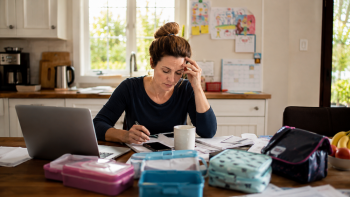
You’d take your child to the doctor if they were constantly exhausted.
So why are so many mums ignoring the same symptoms in themselves?
“Maybe I’m just tired.”
It’s something countless mothers tell themselves every day.
Tired after the school run.
Tired after work.
Tired after another broken night’s sleep.
But what if the exhaustion never goes away?
What if you’re waking up tired, going to bed tired, struggling to concentrate, forgetting simple things, and feeling like you’re running on empty no matter how hard you try?
Many women spend months—even years—blaming motherhood, stress, busy schedules, or lack of sleep, never realising there could be something more behind the fatigue.
Because when you’re focused on looking after everyone else, it’s easy to overlook the signs that your own body may be asking for help.
✨ Persistent exhaustion. Brain fog. Dizziness. Low motivation. Feeling like you’re surviving rather than truly living.
These symptoms are often dismissed as “just part of being a mum”—but they shouldn’t always be ignored.
If you’ve forgotten what it feels like to have energy, mental clarity, and the ability to get through the day without feeling completely depleted, this article is for you.
❤️ Because looking after yourself isn’t selfish. It’s one of the most important things you can do for your family.
And feeling exhausted all the time shouldn’t automatically be the price of motherhood.
Read more.

Most parents are looking for big conversations with their teens…
but what if connection isn’t actually meant to look like that?
What if you’re already getting connection every day — you’re just not recognising it?
From sitting beside you in silence…
to sending you random memes…
to those unexpected “I need you” moments that arrive at the worst possible time…
Teen connection is often quiet, subtle, and easy to miss.
Once you understand what it really looks like, everything about parenting starts to shift.
You stop chasing connection.
And start noticing it.
This might change the way you see your teenager completely.
👉 Read the full article to see what you might be missing.

💛 Leaks, pelvic pain, pressure or discomfort after having kids? You’re not alone — and your body isn’t failing you.
Your pelvic floor muscles do so much more than most mums realise, from supporting your bladder and core to helping you feel strong, confident and comfortable every day. This article breaks down simple, practical pelvic floor exercises and tips to help you reconnect with your body, improve strength and support long-term pelvic health.
Because mums deserve support too. 🌸

✨ Baby brain is real — even when you’re a pharmacist and a mum! ✨
Postpartum, I couldn’t even remember my vitamins. 😅 Between sleepless nights, feeding on demand and carrying the mental load of a tiny human, my own health became an afterthought.
We talk about baby milestones, but who checks in on mum’s mental load, mood and recovery? 💛
You’re not failing. You’re overwhelmed, exhausted, and doing your very best. And that counts.
👉 If you’re juggling a thousand tabs in your brain every day and still forgetting about yourself, this story is for you.
You matter too. 💛 Read on for real talk from someone who’s been there.
Get parenting advice and support delivered right to your inbox
We'd love to hear what you think of the website, so we can continue to improve it . . . GIVE YOUR FEEDBACK >