
Kiddipedia
By: Susan Moore PhD & Doreen Rosenthal PhD
Does Birth Order Shape Your Child’s Personality?
Every child is different—a unique combination of genetic tendencies and the influence of environment, including the way you parent. Is birth order one of the factors that makes a difference to your child’s personality?
The balance of research suggests that yes, it is important—but it’s one of those influences that must be considered alongside other factors, like the child’s sex and temperament at birth. There are personality patterns for first-born and later-born children, but not every child fits those patterns.
Typical Traits of First-Borns
So what are the trends?
Being a firstborn is linked to:
-
Higher academic achievement
-
A sense of responsibility
-
Being task-oriented, conscientious, and assertive
As a result of their hard work, diligence, and unique start in life as ‘only’ children, first-borns as adults are over-represented among leaders in many fields—from politics to science.
One amazing example: every US-born Nobel Prize-winner to date has been a first-born.
Second-Borns: The Creative, Relaxed Middle
Second-borns are often:
-
More relaxed
-
Less driven
-
More creative
This may be because they experience more relaxed, less demanding parenting. They also tend to be more sociable, having had to learn to share parental attention from birth.
Some second-borns aim to succeed in areas where they don’t have to compete with their older sibling—who, in the early years of life, will always be one step ahead. Others may be more rebellious or less ‘easy’ as children, with these tendencies possibly continuing into adulthood.
Why Do Birth Order Effects Occur?
First-born children have different experiences from their later-born siblings. Their parents may be:
-
More stressed
-
More perfectionist
-
Yet also more attentive during those early, critical developmental years
First-borns are not in competition for parental attention. They are fussed over and worried about, often with high expectations from inexperienced parents who may be ‘trying too hard’ to be perfect.
For example, first-time parents might say:
-
“No child of mine will ever be given a pacifier/dummy,” or
-
“I would never give my child commercially prepared baby food.”
But these ideals tend to fall by the wayside when more children come along and time pressures increase.
The Dethroning of the Eldest Child
The eldest child benefits from a period of undivided parental attention, and this can result in them appearing more intelligent, achievement-oriented, confident, and mature.
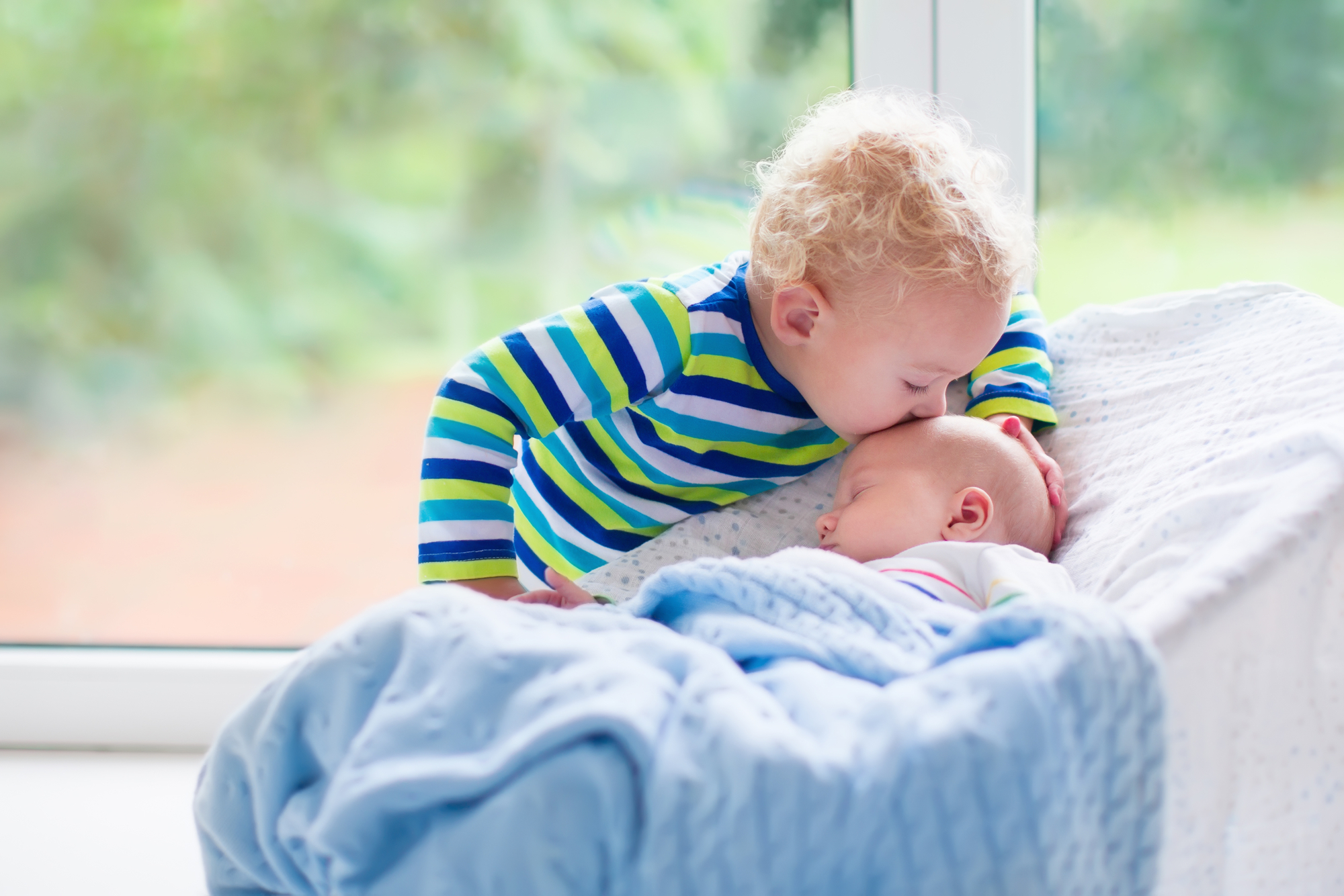
However, the halcyon days of being the centre of attention end when a new baby arrives. The older child is suddenly dethroned and must learn to:
-
Share attention
-
Sometimes, give way to a younger, more dependent sibling
This can be a difficult transition and may cause the older child to regress temporarily (e.g., becoming more babyish) as a way to cope with stress and anxiety.
First-borns may become:
-
More vulnerable to anxiety
-
More dependent on adult approval
-
More eager to conform and please others
These tendencies can carry over into school and adult working life—where they may work harder but struggle to switch off and enjoy themselves.
Sibling Dynamics: The Constant Comparison
In most families, first-borns are trailblazers for milestones like:
-
Talking
-
Walking
-
Reading
-
Socialisation
Younger siblings see them reaching these achievements first. Second-borns may feel that no matter how hard they try, they’ll never catch up.
First-borns are also often subject to more rules and rigid expectations, while second- and later-born children can benefit from calmer, more experienced parents.
As one young woman recalled:
“My older sister paved the way. Our parents were much stricter with her when she got to be a teenager. By the time I got to that age, they relaxed a bit—probably because nothing particularly disastrous happened to my sister!”
Carving Out Their Own Path
Second-born children may be driven to prove themselves against their older sibling’s accomplishments. They might mistakenly believe they’re “less than,” not realising that achievement gaps are often due to age difference, not ability.
To gain attention, some second-borns choose different paths, perhaps pursuing:
-
Artistic instead of academic interests
-
Fun-seeking or relaxed lifestyles
-
Even rebellious or defiant behaviour, as a form of self-expression
It’s Not Set in Stone
These patterns do not occur for every first- or second-born child. The benefits and stresses of different birth orders manifest differently depending on:
-
The child’s temperament
-
Parental confidence and warmth
-
Family atmosphere
-
Many other situational factors
But it’s certainly fascinating how often birth order personality differences have been observed—and how frequently they persist well into adulthood.
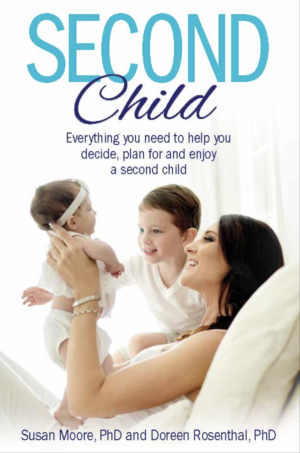
This article is an adapted from:
Moore, S. & Rosenthal, D. Second child: Everything you need to help you decide, plan for and enjoy a second child. NSW: Big Sky Publishing.
Want to know more? https://www.bigskypublishing.com.au/books/second-child/
Note: Emeritus Professor Susan Moore and Emeritus Professor Doreen Rosenthal are widely published developmental social psychologists whose major research interests encompass key transitions across life stages, including parenting, adolescence, grandparenting and retirement. They have co-authored eleven books together, as well as dozens of refereed journal articles and book chapters.