
Kiddipedia
Why this matters for parents
If you’ve ever had a child sing the same song on repeat for days, you’ve already seen something researchers have been studying for years: music is one of the most powerful learning tools in early childhood development.
So when a global children’s media institution like Sesame Workshop releases an album built entirely on pop-parody learning songs, it’s more than entertainment — it’s a window into how modern educational media is evolving.
This sits directly alongside what Australian early childhood frameworks already emphasise: play-based learning, repetition, emotional regulation, and language development through rhythm and music.
According to the Australian Government Department of Education and the Early Years Learning Framework (EYLF), children learn best through:
- imitation
- repetition
- rhythm and storytelling
- social and emotional connection through play
And that’s exactly where this new release becomes interesting from a developmental perspective.
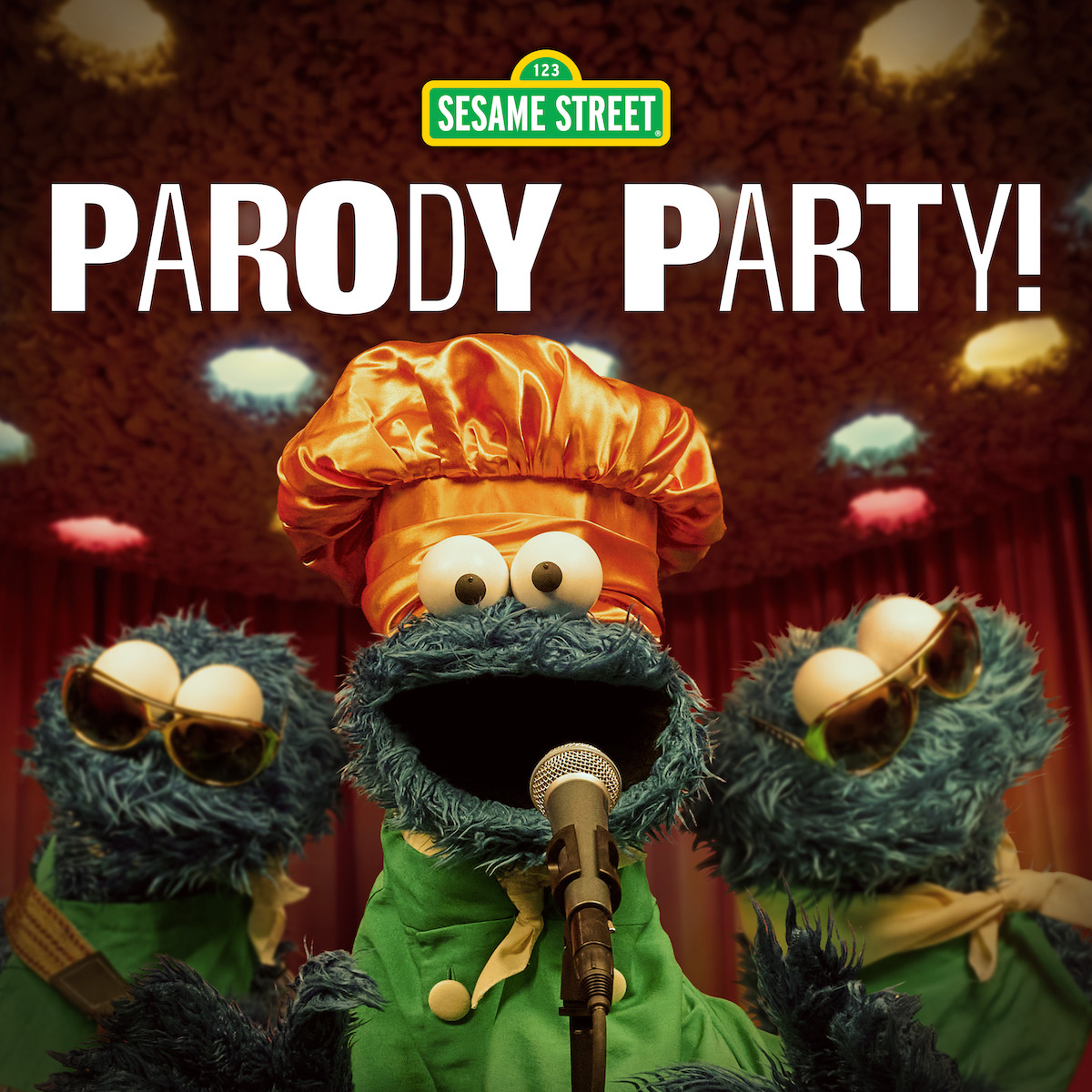
🎧 Sesame Workshop Announces New Album, Parody Party, Full of Family-Friendly Twists on Today’s Biggest Pop Hits
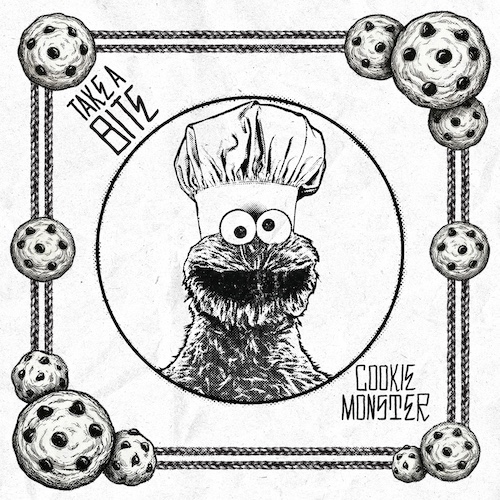
Lead Single “Take A Bite” (“I Just Might” Parody) Available Now on All Streaming Platforms, With the Official Music Video Premiering Today on YouTube
🧠 A cultural release with developmental weight
Sesame Street has delighted audiences for decades with its playful parodies of popular songs, reimagining the biggest hits of every era in whimsical, family-friendly ways. The iconic children’s series has long harnessed the power of music to spread joy, connection, and learning across generations, producing captivating music that encourages both children and caregivers to sing and dance along. This summer, Sesame Workshop is bringing this legacy together in a dedicated album, Parody Party, featuring inspired takes on some of the biggest recent pop hits.
From a child development lens, this approach aligns closely with findings from Australian research bodies such as:
- Telethon Kids Institute
- Murdoch Children’s Research Institute
- Australian Early Development Census (AEDC)
These organisations consistently highlight that music supports early cognitive wiring, particularly in:
- language acquisition
- memory formation
- emotional regulation
- social bonding
🎤 What Sesame Workshop is saying
“Sesame Street has always been at the forefront of popular culture, using music as a powerful way to connect with each new generation,” said Aaron Bisman, SVP, Head of Marketing, Sesame Workshop. “From iconic original songs to clever, catchy parodies, music has long helped us engage the adults in young children’s lives while bringing our educational mission to life in fresh, engaging ways. Parody Party marks an exciting new chapter in Sesame Street’s musical history and reinforces our ongoing commitment to creativity, innovation, and cultural relevance.”
From a parenting perspective, this is key: co-viewing and co-listening matter. When adults engage with children’s media, learning outcomes increase significantly because children mirror attention, tone, and emotional cues.
🍪 Lead single spotlight: “Take A Bite”
The album’s lead single, “Take A Bite,” also drops today on all major streaming platforms, alongside a music video available now on YouTube. A play on Bruno Mars’ “I Just Might,” the retro-inspired video is set in a colorful kitchen-meets-recording studio, where a band of Cookie Monsters performs a feel-good disco-pop anthem all about baking and enjoying — what else — cookies.
From a developmental standpoint, songs like this support:
- sequencing (step-by-step thinking)
- cause-and-effect learning
- vocabulary expansion through repetition and humour
These are foundational skills in early numeracy and literacy development supported by Australian early learning frameworks.
🎶 Full release details
Parody Party arrives in full on July 26, 2026, and is available to pre-save now. Distributed by Warner Music Group’s Arts Music, Sesame Workshop’s music distribution partner since 2019, the album features four brand-new parodies and three fan-favorite tracks that were previously available only on YouTube.
🎧 Track list (with learning lens)
Below is the track list, with an added parent perspective on what each song supports developmentally:
🍪 “Take A Bite” (“I Just Might” – Bruno Mars)
A funky, joy-filled retro-pop track featuring a band of Cookie Monsters jamming out together and celebrating a profound love of cookies
➡️ Supports imitation learning, rhythm memory, and emotional joy association
🧸 “Where Is My Lovie?” (“Where Is My Husband!”- RAYE)
A heartfelt, R&B-inspired take on a relatable family moment — the frantic search for a misplaced favorite toy
➡️ Supports emotional regulation, object permanence, and problem-solving
🌟 “Go for the Gold” (“Golden”- KPop Demon Hunters)
An upbeat K-pop–style song celebrating teamwork and friendship
➡️ Supports social learning, cooperation, and group identity building
🚽 “Got to Go” (“Hot to Go” – Chappell Roan)
A potty-training anthem encouraging children to recognise bodily cues
➡️ Supports body awareness and independence skills
🍰 “Me Want It (But Me Wait)” (“I Love It”- Icona Pop)
A playful dance track about self-regulation
➡️ Strong link to delayed gratification and impulse control, key developmental milestones highlighted by the Australian Children’s Education & Care Quality Authority (ACECQA)
🗑️ “Sort It All” (“Shake It Off” – Taylor Swift)
A recycling-themed track about sorting waste
➡️ Reinforces environmental awareness and classification skills
🍬 “Share It Maybe” (“Call Me Maybe” – Carly Rae Jepsen)
A bubbly pop song about sharing treats
➡️ Encourages prosocial behaviour and empathy development
🧠 Why parody songs work so well for children
From a neuroscience perspective, parody-based learning works because it combines:
- familiar melody (low cognitive load)
- new lyrical information (high learning input)
- emotional engagement (dopamine activation)
Australian child development research, particularly from Early Childhood Australia, reinforces that emotionally engaging learning experiences significantly improve memory retention in young children.
In simple parent terms:
👉 If they can sing it, they can learn it.
🌏 Why this matters in an Australian context
This type of content aligns closely with the EYLF learning outcomes, particularly:
- Outcome 1: Children have a strong sense of identity
- Outcome 3: Children have a strong sense of wellbeing
- Outcome 5: Children are effective communicators
Music-based learning is already embedded in Australian early childhood education settings — not as entertainment, but as a core learning strategy.
📚 A bigger picture: where children’s media is heading
What Sesame Workshop is doing here reflects a broader shift in global children’s media:
We are seeing the rise of:
- entertainment-led education
- music-driven literacy tools
- character-based behavioural learning systems
In other words, learning is increasingly being embedded inside culture children already consume, rather than separated from it.
🎬 Closing perspective for parents
By bringing together beloved characters, a proven educational approach, and playful storytelling, Sesame Street continues to do what it does best: teaching important life lessons through song as it reimagines classic hits and creates new favorite tunes that families will be singing for generations to come.
And perhaps that’s the real takeaway for parents:
when learning feels like music, children don’t resist it — they absorb it.
🎧 Stream your favorite songs
https://sesamestreet.lnk.to/SesameMusic
📖 About Sesame Workshop
Sesame Workshop is the global nonprofit behind Sesame Street and so much more. For over 50 years, we have worked at the intersection of education, media, and research, creating joyful experiences that enrich minds and expand hearts, all in service of empowering each generation to build a better world.
Our beloved characters, iconic shows, outreach in communities, and more bring playful early learning to families in more than 190 countries and advance our mission to help children everywhere grow smarter, stronger, and kinder.
Learn more at www.sesame.org and follow Sesame Workshop on Instagram, TikTok, Facebook, and X.