
Kiddipedia
No matter your child’s age, you will always see them through the lens of the baby you once held in your arms, the tiny baby who looked up at you helplessly, and whom you swore you would do anything to protect and provide for. One of the hardest things about parenting is that there’s no handbook. And even if there were, the instructions would likely change as fast as the world around us.
So, when our children struggle, and the problem isn’t immediately obvious, it can be incredibly stressful not knowing where to start or how to help.
Did you know that mental health has become the #1 concern for many parents, with around 60% worried about their child’s wellbeing (Australian Institute of Health and Welfare [AIHW], 2023)? Yet children rarely say, “I’m struggling.” Instead, they often communicate distress through behaviour, sleep, physical symptoms, and withdrawal.
As parents, we all want our children to be happy, thriving, and resilient. The truth is, mental health struggles often begin long before they are visible, and the signs can be subtle, easy to miss even for the most attentive caregivers. In Australia, recent research shows that around one in seven children experience a mental health condition each year, and 50% of all mental health conditions begin before the age of 14 (AIHW, 2023).
Early intervention is key: the sooner a child’s emotional struggles are recognised, the better the long-term outcomes for school performance, social relationships, and overall health.
This article combines the latest Australian research, child psychology insights, and practical parenting strategies to help you understand what to watch for, how to support resilience, and when to seek professional help.
Subtle Signs Your Child May Be Struggling Emotionally
Children often lack the language or cognitive awareness to articulate their feelings. While adults may express anxiety verbally, children typically communicate distress through behavioural changes, physical symptoms, or shifts in routine.
Their brains are still developing, particularly the prefrontal cortex, which regulates emotions, and the amygdala, which detects threats. As a result, emotional distress often shows physically or behaviourally before a child can articulate it (Murdoch Children’s Research Institute [MCRI], 2022).
Research from MCRI notes that younger children often experience emotions physically first, with stomach aches, headaches, or sleep disturbances among the earliest signs of emotional strain.
Recognising these early, often invisible signals can make a crucial difference in supporting your child before problems escalate.
1. Increased Irritability or Anger
It’s tempting to dismiss outbursts as “bad behaviour,” but even the calmest children can show anger as a cover for internal stress.
-
Unexpected patterns: A previously easy-going child suddenly becomes argumentative during routine tasks, or lashes out at siblings over trivial issues.
-
Insight: Children may appear “defiant” yet are actually struggling to process overwhelming internal emotions, creating a silent crisis that is easy to miss.
Even children who seem calm or cheerful can suddenly become irritable. Stress often masks itself as anger, not sadness.
| Age | Observable Signs | Example |
|---|---|---|
| Preschool | Tantrums, frequent whining, and hitting | A child throws toys when asked to share or follow a routine. |
| Primary | Short tempers, snapping at siblings, arguing | Snaps over minor disagreements or homework struggles. |
| Teen | Silent anger, sarcasm, withdrawal | Responds with sullen silence or rebellious behaviour to small corrections. |
Why it happens: The prefrontal cortex, which regulates emotion, develops slowly in children. Meanwhile, the amygdala, (the brain’s threat detector) is overactive and can trigger behavioural outbursts. Stress is expressed physically or behaviourally before it can be verbalised (MCRI, 2022). (Murdoch Children’s Research Institute [MCRI], 2022).
Insight: A child’s “defiance” may actually be a silent signal of overwhelming internal stress (Black Dog Institute, 2021).
2. Physical Complaints Without a Medical Cause
Children often communicate emotional distress through the body first. Stomach aches, headaches, and fatigue are often dismissed as minor or attention-seeking, yet these are real, biologically driven signals of emotional stress.
-
Unexpected patterns: Complaints often arise before school, social events, or during transitions, hinting at situational triggers rather than random illness.
| Age | Observable Signs | Example |
|---|---|---|
| Preschool | Tummy aches, headaches, fatigue | Refuses preschool with repeated stomach complaints. |
| Primary | Morning nausea, headaches, fatigue | Complaints of tummy pain every Monday before school. |
| Teen | Chronic headaches, GI discomfort, insomnia | Headaches or stomach aches before exams or social events. |
Science behind it: Chronic stress triggers cortisol release, affecting the gut-brain axis and nervous system, causing real physical symptoms (MCRI, 2022).
Insight: Repeated minor complaints may be the earliest and most reliable warning of hidden anxiety, often appearing before children verbalise fear or sadness.
3. Withdrawal From Activities They Used to Enjoy
Social or hobby withdrawal is often written off as introversion or laziness, but research shows it can reflect emotional fatigue or depression in children.
-
Unexpected patterns: Children may maintain superficial social interactions but avoid deeper engagement, like sports or group projects.
-
Science: Withdrawal can signify cognitive overload — the child’s internal resources are consumed by managing stress or worry, leaving little energy for social or academic engagement (AIHW, 2023).
| Age | Observable Signs | Parent-Example |
|---|---|---|
| Preschool | Avoids playgroups or structured activities | Prefers to sit quietly alone rather than join group play. |
| Primary | Skips clubs, avoids friends, resists school | Stops attending soccer or other activities they previously enjoyed. |
| Teen | Avoids friends, extracurriculars, or social media | Refuses parties, camps, or online social interaction. |
Insight: Withdrawal can be subtle. A child may appear “fine” in class but internally feel anxious, rejected, or low in mood (AIHW, 2023).
4. Changes in Sleep Patterns (This One Is Often Missed)
Sleep is not just restorative: its is an integral to emotional regulation. Even slight shifts can indicate hidden distress as an early warning sign.
-
Unexpected patterns: Sleeping more may signal depression, while sleeping less may indicate heightened anxiety, both of which often precede behavioural signs.
-
Science: Sleep disruption amplifies emotional reactivity and impairs executive functioning, making children more irritable, less resilient, and harder to console (Sleep Health Foundation, 2022).
| Age | Observable Signs | Parent-Example |
|---|---|---|
| Preschool | Trouble napping, nightmares, frequent waking | Frequent night waking or resisting bedtime routines. |
| Primary | Trouble falling asleep, night waking, early waking | Difficulty sleeping on school nights, tired and irritable in the morning. |
| Teen | Late sleep, inconsistent patterns, excessive screen use | Sleeps late, struggles to wake for school, stays on devices at night. |
Tip: Track sleep for two weeks, maintain consistent bedtime routines, and limit screens one hour before bed.
Insight: Even a 30-minute delay in sleep onset over several nights can indicate chronic stress that children cannot verbalise.
5. Perfectionism or Fear of Mistakes
High-achieving children may appear composed, yet their perfectionism is often a coping strategy for underlying fear or low self-esteem. Masking anxiety as high achievement makes distress less visible.
-
Unexpected patterns: Avoiding tasks where failure is possible, seeking repeated reassurance, or obsessively redoing work.
-
Science:Perfectionistic tendencies can be a form of internalised anxiety, particularly in children sensitive to social evaluation (Australian Psychological Society, 2023).
| Age | Observable Signs | Parent-Example |
|---|---|---|
| Preschool | Avoids messy or creative play | Refuses to paint or build because it “won’t be right.” |
| Primary | Avoids tasks with failure risk, repeated reassurance | Only wants to complete homework perfectly; asks repeatedly if it’s correct. |
| Teen | Overcontrolled, obsessive revision, fear of failure | Stresses over assignments, refuses tasks where the outcome is uncertain. |
Insight: Perfectionism can be a silent internal stressor; high-functioning children may look confident but experience anxiety internally (Australian Psychological Society, 2023). These children may perform well academically or socially, but internal stress can accumulate silently, increasing the risk of burnout, social withdrawal, or depression.
6. Clinginess or Separation Anxiety Beyond Typical Age
Persistent attachment behaviours can indicate emotional distress.
Unexpected patterns: Refusal to go to school, panic at brief separation, or extreme reassurance-seeking.
| Age | Observable Signs | Parent-Example |
|---|---|---|
| Preschool | Panics when leaving parent | Screams or clings at preschool drop-off. |
| Primary | Refuses school, seeks constant reassurance | Insists parent accompany them into class or on excursions. |
| Teen | Avoids trips, social events | Refuses camps, sleepovers, or social events. |
Science: Persistent separation anxiety can alter stress hormone regulation and increase risk of anxiety disorders (MCRI, 2022).
Insight: These behaviours may be subtle; the child may appear fine with familiar peers or routines, but separation from primary caregivers triggers intense hidden stress.
7. Difficulty Concentrating
Emotional stress can affect concentration, which is often misinterpreted as ADHD or laziness. A child’s poor focus may not reflect attention-deficit conditions; it can be a manifestation of cognitive overload from emotional stress.
-
Unexpected patterns: Children perform well in structured tasks but struggle in unstructured or high-pressure situations, or suddenly forget instructions they previously followed easily.
-
Science: Chronic stress affects the prefrontal cortex, reducing working memory, cognitive flexibility, and planning ability (Black Dog Institute, 2021).
| Age | Observable Signs | Parent-Example |
|---|---|---|
| Preschool | Short attention span | Cannot sit through storytime or play tasks. |
| Primary | Forgetfulness, distracted behaviour | Forgets homework or instructions repeatedly. |
| Teen | Trouble focusing on tasks | Struggles with projects or multitasking despite previous competence. |
Insight: Context matters, stress may show only in challenging or unstructured situations, making it easy to overlook.
8. Heightened Sensitivity
Children under stress often become overly sensitive to criticism, minor frustrations, or social cues. Stress can increase emotional reactivity, making minor frustrations feel overwhelming.
-
Unexpected patterns: Even constructive feedback or minor teasing triggers strong reactions.
-
Science: Chronic stress heightens limbic system activity, amplifying emotional responses to stimuli that would normally be tolerated (Black Dog Institute, 2021).
| Age | Observable Signs | Parent-Example |
|---|---|---|
| Preschool | Frequent crying, easily upset | Tears up over minor conflicts or small disappointments. |
| Primary | Overreaction to criticism or mistakes | Strong reaction to a teacher correcting work. |
| Teen | Highly reactive to social or peer feedback | Sensitive to social media posts, casual teasing, or casual remarks from friends. |
Leading-edge insight: Sensitivity is not weakness — it often reflects high emotional awareness under stress and is a subtle early warning sign of emotional struggles (Black Dog Institute, 2021).
Simple Daily Habits That Build Emotional Resilience
Research shows that small, consistent daily habits have a profound effect on a child’s mental health.
1. Strong Parent-Child Connection
- Secure attachment is the single strongest protective factor.
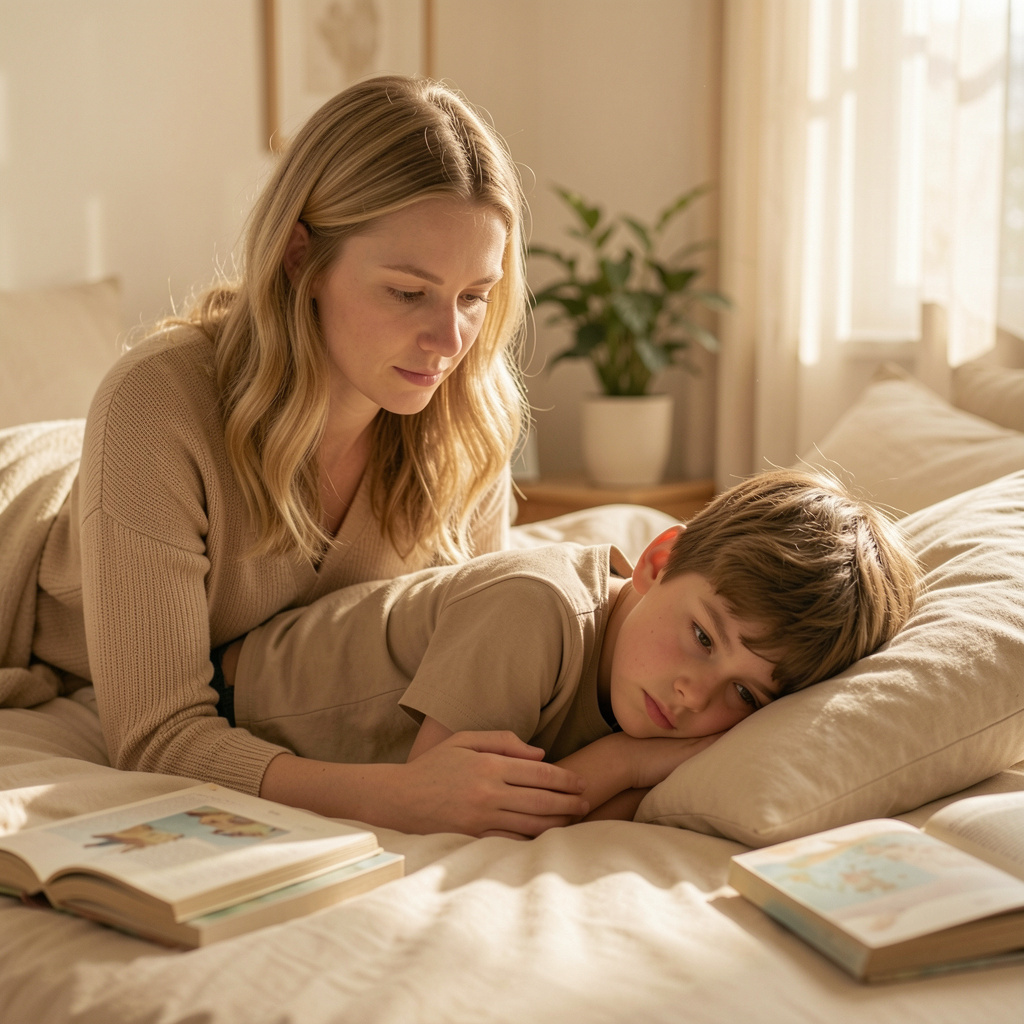
- Even 10–15 minutes of focused, uninterrupted interaction daily — talking, playing, or reading together — can strengthen emotional resilience.
Source: Australian Parenting Research Centre, 2022
2. Naming Emotions
- Children who can identify and name their emotions develop stronger coping skills.
- Statements such as:
“It sounds like you felt frustrated.”
“That must have been disappointing.”
…build emotional literacy and self-regulation (Australian Psychological Society, 2023).
3. Regular Physical Activity
- Physical activity helps regulate mood, stress hormones, and sleep.
- Active children show lower rates of anxiety and depression (Australian Institute of Sport, 2022).
4. Consistent Routines
- Predictable routines provide emotional safety, reduce stress, and improve sleep.
- Focus on bedtime, meals, and homework schedules.
5. Adequate Sleep
- Children’s recommended sleep:
- 3–5 years: 10–13 hours
- 6–12 years: 9–12 hours
- 13–18 years: 8–10 hours
Source: Sleep Health Foundation, 2022
6. Limiting Excessive Screen Time
- Heavy screen use is linked to increased anxiety, sleep disruption, and emotional dysregulation.
- Balance screen exposure with outdoor play, social interactions, and creative activities (eSafety Commissioner, 2022).
7. Teaching Coping Skills
- Introduce strategies such as deep breathing, problem-solving discussions, journaling, and mindfulness exercises to help children manage stress effectively.
8. Encouraging Autonomy
- Allow children to make small decisions, solve problems, and experience manageable challenges, building confidence and resilience over time.
Environmental Factors That Influence Child Mental Health
Children are highly sensitive to their environment. Factors include:
- Family stress: Parental stress, conflict, or financial pressure impacts children’s wellbeing.
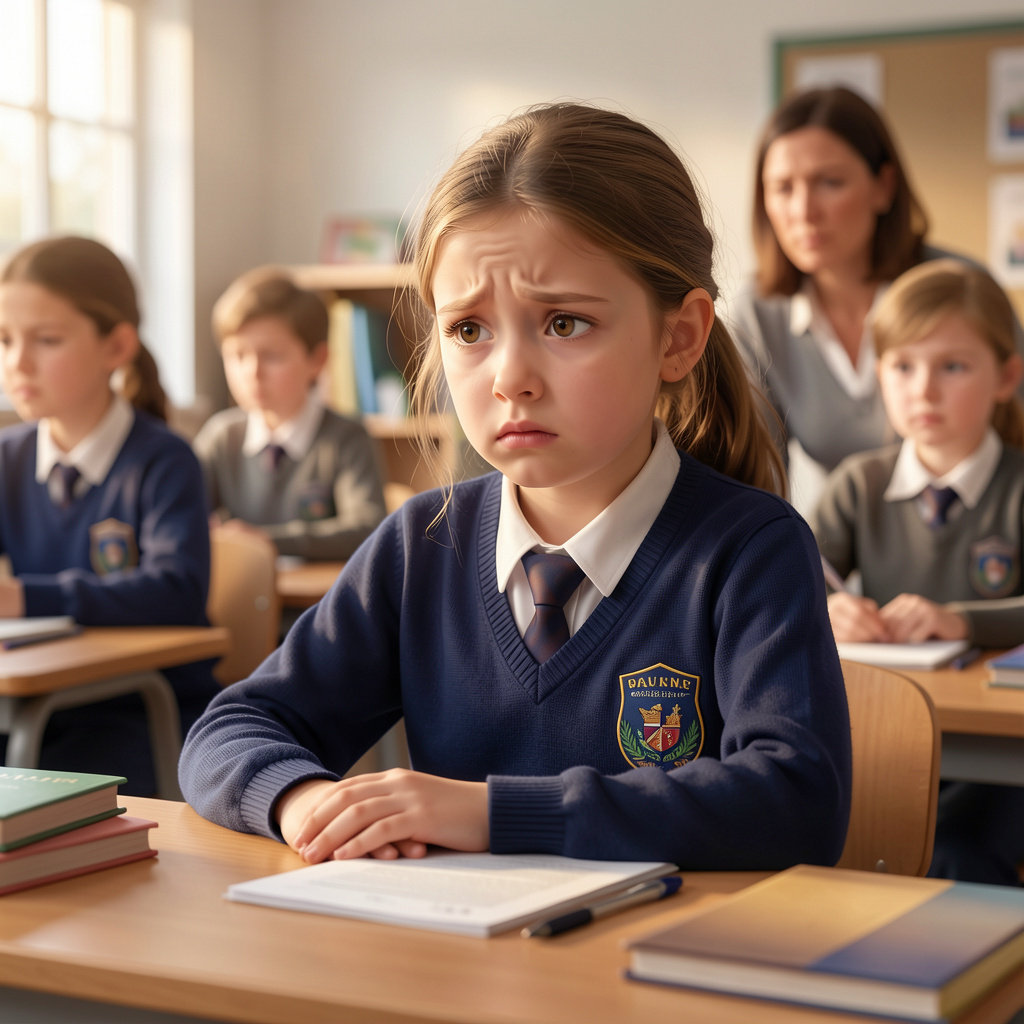
- School environment: Supportive teachers and friendships are protective.
- Bullying: Strongly associated with anxiety, depression, and school refusal.
- Social media exposure: Older children and teens may experience social comparison, cyberbullying, and sleep disruption (Raising Children Network, 2023).
When Parents Should Seek Professional Help
Seek professional support if your child displays:
- Symptoms lasting longer than two weeks
- Daily functioning affected (refusing school, withdrawing from friends)
- Frequent physical complaints (stomach aches, headaches)
- Sudden personality or behavioural changes
- Your parental instinct tells you something is wrong
Support options in Australia:
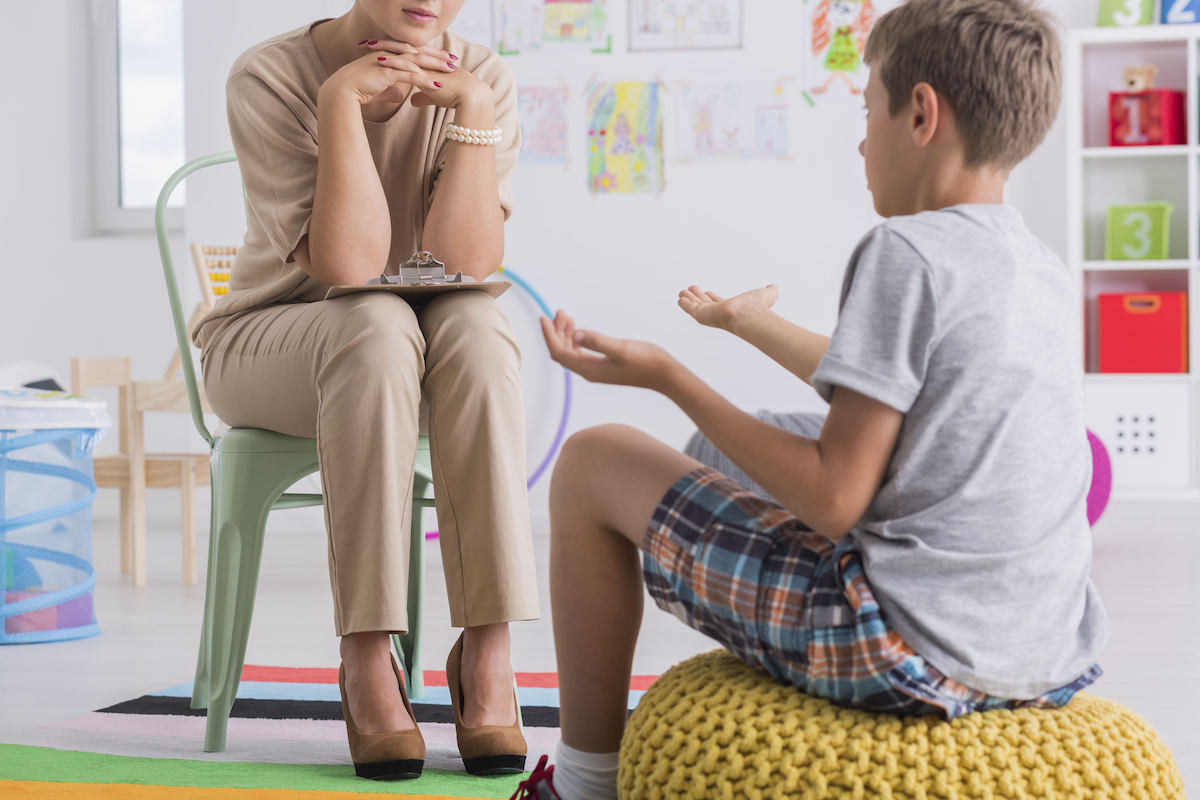
- Child psychologists
- School counsellors
- Paediatricians
- Family therapists
- Helplines: Headspace, Kids Helpline
The Most Important Takeaway
Children rarely say, “I’m struggling emotionally.” Instead, they communicate through:
- Behavioural changes
- Sleep patterns
- Physical symptoms
- Withdrawal
- Perfectionism
The earlier parents recognise these subtle signs, the easier it is to support children before problems escalate.
“Children rarely say they’re struggling, but every small change in behaviour, sleep, or play is a message. Seeing it, listening, and responding early can shape not just how they cope today, but who they become tomorrow.”
A Final Thought
Parenting is a journey without a manual, and the signs of emotional struggle in children are often silent, subtle, and easily missed. But your intuition matters ,noticing small shifts in behaviour, sleep, mood, or play can make a profound difference in your child’s life.
Remember: children rarely ask for help in words, but they communicate in actions, patterns, and physical cues. Early recognition, compassionate listening, and timely support can transform a child’s trajectory, building resilience, confidence, and emotional wellbeing that lasts a lifetime.
You don’t have to face this alone — help is available, and seeking support is a sign of strength, not failure.
📞 Australian Support Helplines for Parents and Children
-
Kids Helpline (5–25 years) – 1800 55 1800 | https://kidshelpline.com.au
-
Headspace (12–25 years, mental health & wellbeing) – 1800 650 890 | https://headspace.org.au
-
Parentline (for parents of children 0–18 years) – 1300 30 1300 | https://www.parentline.com.au
-
Beyond Blue (mental health support) – 1300 22 4636 | https://www.beyondblue.org.au
-
Lifeline (crisis support, all ages) – 13 11 14 | https://www.lifeline.org.au
💡 Tip: Keep these numbers handy. Sometimes, reaching out for advice or talking through observations with a professional is the first step toward prevention, not a last resort.
References
- Australian Institute of Health and Welfare. (2023). Child and adolescent mental health. Canberra: AIHW.
- Black Dog Institute. (2021). Supporting your child’s mental health. Sydney: Black Dog Institute.
- Murdoch Children’s Research Institute. (2022). Understanding childhood anxiety. Melbourne: MCRI.
- Beyond Blue. (2023). Child and adolescent mental health. Melbourne: Beyond Blue.
- Sleep Health Foundation. (2022). Sleep recommendations for children and adolescents. Australia: SHF.
- Australian Parenting Research Centre. (2022). Parenting and child mental health research. Melbourne: APRC.
- Australian Psychological Society. (2023). Emotional literacy in children. Melbourne: APS.
- Australian Institute of Sport. (2022). Physical activity and mental health. Canberra: AIS.
- Raising Children Network. (2023). Supporting children’s mental health. Melbourne: Raising Children Network.
- eSafety Commissioner. (2022). Social media and child wellbeing. Australia: eSafety.
- Headspace. (2023). Supporting young people. Melbourne: Headspace.
- Kids Helpline. (2023). Support for children and teens. Australia: Kids Helpline.