
kiddi
Supporting your child’s mental and emotional well-being is one of the most meaningful investments you can make as a parent. Whether your child is experiencing overwhelming emotions, having difficulty at school, struggling with anxiety, or showing changes in behaviour, finding the right psychologist can be a turning point, not just for your child, but for the whole family.
Mental health challenges in childhood are more common than many realise. According to the Australian Institute of Health and Welfare, around 1 in 7 children and adolescents aged 4 to 17 experience a mental health disorder each year. Conditions like anxiety, depression, ADHD, and behavioural issues often emerge early, and without support, they can interfere with a child’s development, learning, relationships, and overall quality of life.
Research shows that early psychological support can make a profound difference. Interventions during childhood or adolescence are more likely to be effective and can lead to improved long-term outcomes across mental health, academic performance, and social skills. For children, therapy isn’t just about “fixing” a problem; it’s about building emotional awareness, self-esteem, and coping tools that support healthy development.
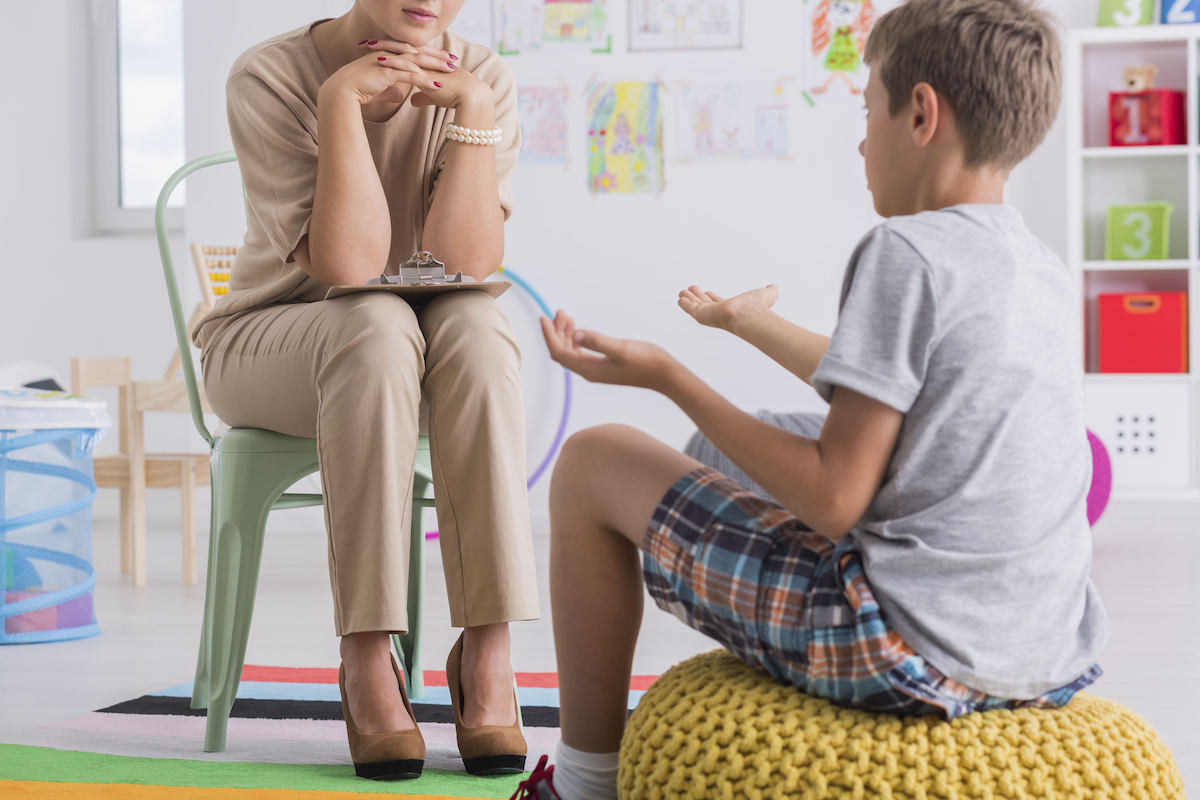
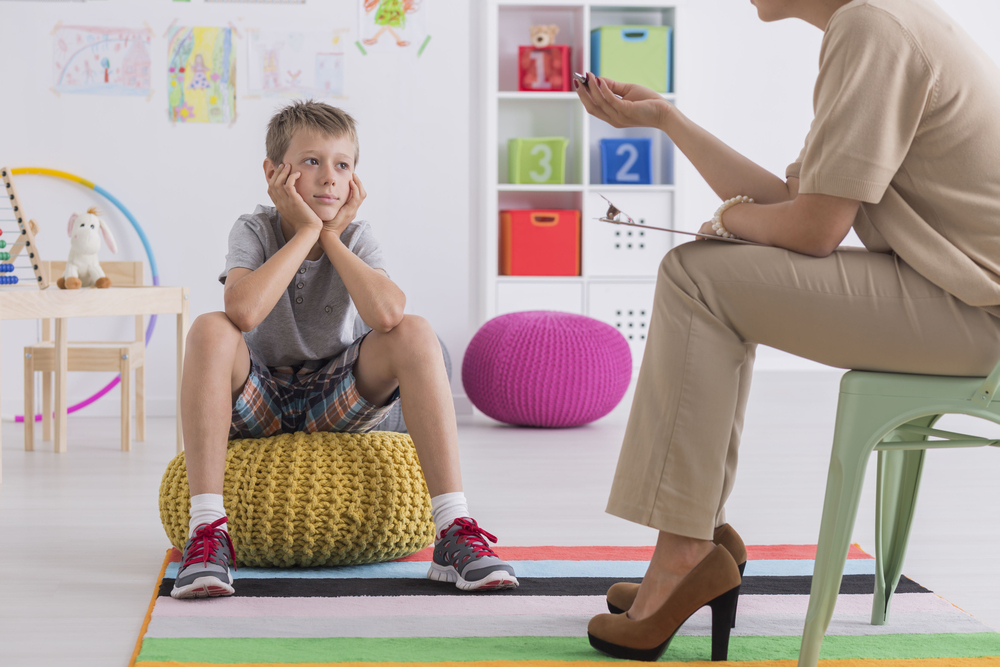
Psychologists who specialise in working with children use developmentally appropriate techniques that make kids feel heard, understood, and safe, whether through talk therapy, play-based approaches, or creative expression. When matched with the right therapist, children are better able to explore their emotions and build resilience in a space designed just for them.
🔍 What to Look for in a Child Psychologist
Choosing a psychologist for your child can feel overwhelming, especially when you want to make sure you’re finding someone who truly understands kids. Below are a few key qualities to look for when searching for a child psychologist who can offer the right blend of clinical expertise and emotional connection.
1. Specialised Experience in Child and Adolescent Psychology
Not all psychologists work with children. Those who do typically have additional postgraduate training in areas such as Educational and Developmental Psychology or Clinical Child Psychology, which means they understand how a child’s brain develop, and how that affects behaviour, learning, and emotional expression.
A psychologist trained in child-focused approaches will know how to build trust and rapport in ways that make kids feel safe, seen, and supported. They’ll also be familiar with age-appropriate assessments, such as the WISC-V (Wechsler Intelligence Scale for Children), which help identify learning strengths and challenges.
✨ Look for: Qualifications in child psychology, registration with AHPRA, and experience working with kids of similar age and needs.
2. Use of Evidence-Based Therapies
When it comes to mental health, research matters. A quality psychologist will use evidence-based approaches backed by clinical studies and tailored to your child’s developmental level. Some of the most effective therapeutic models for children include:
-
Cognitive Behavioural Therapy (CBT): Helps kids understand how their thoughts, feelings, and behaviours are connected—especially useful for anxiety, phobias, and negative thinking patterns.
-
Acceptance and Commitment Therapy (ACT): Encourages emotional flexibility and mindfulness, which can help kids deal with stress, change, or difficult emotions.
-
Play Therapy: A hands-on, child-led approach that allows younger kids to explore emotions and experiences through play.
-
Family Systems Therapy: Involves the whole family to improve communication and support systems at home.
These approaches are not just popular, they’re proven. For example, CBT has been shown to significantly reduce anxiety symptoms in children, with lasting improvements even after therapy ends (source: Journal of Anxiety Disorders).
💬 Pro tip: Don’t be afraid to ask a potential psychologist what models they use and why.
3. A Collaborative and Inclusive Approach
Great psychologists don’t just work with children, they work with families. A child’s emotional world is deeply influenced by their home environment, which is why effective treatment often includes parental involvement.
This might include:
-
Parent coaching to help manage behaviours at home
-
Regular feedback on your child’s progress
-
Coordinating with schools or other professionals (e.g., teachers, GPs, speech therapists) to create a unified plan
Research consistently shows that children have better outcomes when parents or carers are part of the process, especially for younger kids. It helps reinforce strategies at home and builds a stronger support network for your child.
4. The Right Therapeutic Fit for Your Child
Therapy only works when there’s a genuine connection between the child and their psychologist. That doesn’t mean every session is full of laughter or breakthroughs, but it does mean your child feels comfortable, respected, and safe.
A good clinic will help match your child with a psychologist based on:
-
Age
-
Personality
-
Areas of concern
-
Preferred communication style
🧭 Accessing Support: How to Start the Journey
You don’t need to wait for a crisis to seek help. Accessing a child psychologist can be an empowering and proactive step toward supporting your child’s mental well-being, but it can be hard to know where to begin. Thankfully, in Australia, there are several accessible pathways to get the support your child needs.
🏡 Local Options in Malvern
If you’re looking for a child psychologist in Malvern, consider local providers like Clarity Health Care, a multidisciplinary clinic specialising in child, teen, and family support. Their team offers help with anxiety, autism and ADHD assessments, behavioural challenges, learning difficulties, and trauma-informed, neurodiversity-affirming care. They also provide psychoeducational assessments and work closely with schools to ensure coordinated support.
Other local options include boutique clinics and solo psychologists with varying expertise. Be sure to ask about qualifications, wait times, fees, and Medicare rebates when making your choice.
📝 Do You Need a Referral?
No, you don’t need a referral to book an appointment with a psychologist. However, if you’d like to access Medicare rebates, you’ll need to speak with your GP or paediatrician about a Mental Health Treatment Plan (MHTP). This plan allows eligible families to receive up to 10 subsidised sessions per calendar year with a registered psychologist.
Your GP will typically:
-
Discuss your concerns and assess your child’s needs
-
Prepare a treatment plan
-
Provide a referral to a registered psychologist
🧠 Note: Many psychologists have waitlists, so it’s a good idea to start the process early—even if you’re just exploring options.
💰 What About Private Health Insurance?
Some private health funds also offer rebates for psychology services, though the amount and eligibility vary depending on your insurer and level of cover. These benefits can sometimes be used in addition to, or instead of, Medicare, but it’s best to check your policy directly.
🧩 Support Through the NDIS
If your child has a diagnosed developmental delay, disability, or neurodivergent profile, they may be eligible for funding through the National Disability Insurance Scheme (NDIS). The NDIS can help cover assessments, therapy sessions, and related services when psychological support is part of the child’s plan. For families seeking a more immersive option, programs like Theraholidays by Enhanced Living combine intensive therapy with a supported holiday environment, offering structured support for children with disabilities or developmental delays.
📞 You can speak with your GP, allied health provider, or local NDIS partner to explore eligibility and next steps.
🛠️ Tools to Help You Get Started
If you’re not sure where to begin, the following resources are designed to help parents find qualified and trusted professionals:
🔗 Useful Links:
-
APS Find a Psychologist
Search for registered psychologists by location and speciality across Australia.
https://psychology.org.au/find-a-psychologist -
APS – How to Find the Right Psychologist
Step-by-step guide to choosing a psychologist based on your needs.
https://psychology.org.au/psychology/about-psychology/seeing-a-psychologist-faqs/how-do-i-find-the-right-psychologist-for-me -
Healthdirect’s Mental Health Services Finder
Locate nearby mental health and psychology services, including telehealth options.
https://www.healthdirect.gov.au/australian-health-services/all-services/mental-health-services -
Healthdirect – Mental Health: Where to Get Help
Guidance on GP referrals, Medicare Mental Health Treatment Plans, crisis support, and affordable care.
https://www.healthdirect.gov.au/mental-health-where-to-get-help -
Medicare Mental Health Services
Information on low-cost or free psychological support via Medicare and Kids Hubs.
https://www.medicarementalhealth.gov.au/finding-help/medicare-mental-health-services -
Services Australia – Medicare Mental Health Care
Information on accessing Medicare rebates for child psychology services, including Kids Hub and community options.
https://www.servicesaustralia.gov.au/mental-health-care-and-medicare -
Headspace (12–25-year-olds)
Creates a safe space for young people to receive holistic mental health support, including in-person and online services.
https://headspace.org.au -
Beyond Blue – Youth Mental Health
National resource offering education, support tools, and 24/7 helpline for children and teens.
https://www.beyondblue.org.au/who-does-it-affect/young-people -
Kids Helpline
Free, confidential counselling for children and teens (ages 5–25), available 24/7 via phone and online chat.
https://kidshelpline.com.au -
Healthdirect – Trusted Health Advice
Reliable health info and 24/7 access to health support and helplines.
https://www.healthdirect.gov.au/ -
Raising Children Network – Mental Health Resources
Trusted advice and information on children’s mental health and wellbeing.
https://raisingchildren.net.au/guides/a-z-health-reference/mental-health
✅ Tip: When contacting clinics, ask about their wait times, qualifications, therapy types offered, whether telehealth is available, and if they’re registered for Medicare rebates or NDIS.
🌱 Final Thoughts: Small Steps, Big Impact
Supporting your child’s mental health doesn’t mean having all the answers, it means being willing to ask the right questions and take that first step toward support. Whether your child is dealing with big emotions, struggling socially, or facing learning or behavioural challenges, seeking guidance from a qualified psychologist can offer more than just relief, it can open the door to growth, resilience, and connection.
Research tells us that early intervention makes a difference. The earlier a child receives emotional and psychological support, the more likely they are to build strong coping skills, better manage stress, and thrive both academically and socially.
Therapy isn’t about “fixing” your child. It’s about helping them feel safe, understood, and empowered to face life’s challenges with confidence. And as a parent, you’ll gain insight into what’s happening beneath the surface—so you can respond with more clarity, patience, and compassion.
💬 Remember: You don’t need to wait for things to get “bad enough.” Support is most powerful when it’s proactive, not reactive.
Whether you’re booking your first appointment or just gathering information, you’re already doing something powerful—showing up for your child. And that’s a decision worth celebrating.
Evidence & Tools
- WISC-V (Wechsler Intelligence Scale for Children)
Overview and assessment details from Pearson Clinical, widely used to evaluate cognitive development.
https://www.pearsonclinical.com.au/products/view/598 -
Research on Early Psychological Support and Effectiveness
Summary of early intervention benefits from the Australian Psychological Society.
https://psychology.org.au/for-the-public/about-psychology/mental-health/early-intervention -
CBT Effectiveness for Childhood Anxiety
Journal article summarising how Cognitive Behavioural Therapy reduces anxiety symptoms in children.
https://www.sciencedirect.com/science/article/abs/pii/S0887618513000787 - Australian Institute of Health and Welfare (AIHW) — Mental health of children and adolescents and Mental Health Overview
Overview of mental illness prevalence and impact across Australia, including children and adolescents. National data showing around 1 in 7 children aged 4–17 experience a mental health disorder annually.
https://www.aihw.gov.au/reports/children-youth/mental-health-of-children-and-adolescents