

When a family changes, children can feel it in ways they don’t always have the words to explain. 💔
Separation can bring big emotions, uncertainty, two homes, changing routines and questions that are sometimes hard for parents to answer.
But you don’t have to make separation painless to help your child feel safe, loved and secure.
From what to say — and what not to say — to managing routines, conflict, parenting arrangements and those moments when your child says, “I don’t want to go”, this guide offers practical, compassionate advice for parents trying to navigate one of life’s hardest transitions.
Because sometimes, the most important thing your child needs isn’t a perfect parent or a perfect arrangement.
They just need to know: “I’m loved. This isn’t my fault. And I’m going to be okay.” ❤️

Two of the most loved faces in children’s television have finally met… and it’s every bit as joyful as you’d hope. 🐷❤️🔴
Peppa Pig and Elmo are jumping into the same muddy puddle** for the first time — with music, movement, laughter and a dance remix little ones will want to watch again and again. 💦🎶
But here’s the part we found really interesting…
What if the best thing about this new collaboration **isn’t what happens on the screen — but what happens after it?
From dancing and singing to imaginative play and getting outside, we explore **how parents can turn a favourite song into an opportunity for movement, connection and play.
Because sometimes, the magic really begins when **the screen goes off. ❤️
👉 Read the full article on Kiddipedia and discover how to turn Peppa and Elmo’s muddy-puddle fun into play your whole family can join in with.

🏠 I don’t want to move…”
For adults, moving house might mean a fresh start, a better home or simply doing what needs to be done.
But for a child, it can mean saying goodbye to their bedroom, their friends, their school, their favourite places and the little routines that make life feel safe. 💔
And when families are forced to move more often because of Australia’s housing and rental crisis, what does that mean for our children?
New research reveals that children who move frequently can experience changes in their emotions, sleep, eating, routines, concentration and sense of belonging.
The good news? There are things parents can do to help. ❤️
From how you first tell your child about the move, to using stories, play, photos and familiar connections to help them understand and process the change.
If your family is preparing for a move, don’t just pack the boxes — prepare your child’s heart, too.
👉 Read the article to discover how you can help your child feel safer, supported and connected through a big move.

✈️🌏 Heading overseas with the kids? There are a few things they need to know before take-off.
There’s nothing quite like seeing the world through your children’s eyes — the excitement, the wonder and those little “wow!” moments you’ll talk about for years. ❤️
But when you’re travelling somewhere unfamiliar, a little preparation can go a very long way.
What should your child do if they become separated from you in a crowded airport? Who can they safely ask for help? What should they know about unfamiliar food and water? And what important documents should you have with you?
From travel insurance and health checks to emergency contact cards and staying safe in busy places, these 7 simple travel rules can help prepare your children for the unexpected.
Because you can’t plan for every “what if?” — but you can make sure your kids know what to do when it matters most. 💛
🌏 A little preparation now means more freedom to relax, explore and enjoy the adventure together.
👉 Before you pack the bags and board the plane, make sure you read this. ✈️🌏

💬❤️ Is your child talking, communicating and understanding as you’d expect?
Every child develops at their own pace — but knowing what speech and language skills typically emerge at different ages can help you feel more confident about your child’s development and recognise when they may benefit from some extra support.
From first gestures and words to putting simple sentences together and becoming easier for others to understand, discover the key milestones to look for at 12 months, 18 months, 2, 3, 4 and 5 years.
You’ll also learn the signs that may indicate a speech or language delay, when it’s important to seek professional advice, and simple, everyday ways you can nurture your child’s communication skills at home. 🗣️📚
Because when it comes to your child’s development, you don’t have to wait and wonder. Understanding what to look for — and knowing when to seek support — can make a real difference, with early intervention helping children get the support they need as soon as possible. ❤️
👉 Read the full article to learn more about speech and language development and how you can support your child’s journey.

👶 Is your baby “behind”… or are we putting too much pressure on the milestones?
If you’ve ever looked at a milestone chart and wondered, “Should my child be doing this by now?” — you’re not alone. ❤️
In a world of parenting comparisons, milestone checklists and endless advice, it’s easy to focus on what your child hasn’t done yet instead of noticing how far they’ve already come.
🌿 But what if the little things matter more than we realise?
The reaching. The grasping. The babbling. The exploring. The tiny moments of progress that happen quietly between the big milestones.
These “inchstones” can reveal so much about a child’s development — and may help parents see progress in a completely different way.
In this insightful article, Dr. Maral Amani, paediatric physical therapist and Child Development Expert, explains what milestones really mean, why comparing children can create unnecessary stress, and why play, connection and celebrating the small steps may be one of the most valuable things parents can do.
💚 Because your child doesn’t need to race to the next milestone. They need the space to grow, explore and develop in their own time.
👉 Read the full article and discover why the little steps deserve more attention.

Every child learns differently — and sometimes, a small change in the classroom can make a BIG difference. 💛
For parents of children with additional needs, knowing that their child is understood, supported and included at school can mean everything.
From visual schedules and movement breaks to breaking tasks into smaller steps and understanding sensory needs, these 9 practical classroom strategies can help create a more supportive learning environment for every child.
Whether your child has ADHD, Autism, sensory needs or simply learns differently, these tips are worth sharing with their teacher. 🌟
Because when children feel supported, they’re better able to learn, participate and thrive.
👉 Read the full article for practical strategies teachers can use in the classroom.
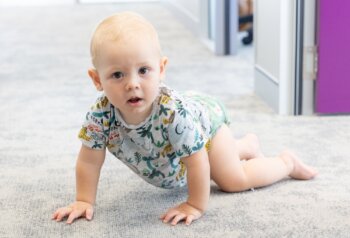
When is the RIGHT time to start toilet training? 🚽💛
Forget the pressure, comparisons and “they should be doing it by now” comments. Toilet training is a big milestone — and there’s no one-size-fits-all timeline.
But how do you know when you and your child are actually ready? From recognising the signs of readiness to choosing the right approach, a little preparation can make the journey feel much less overwhelming.
👉 Find out what to look for before you begin — and how to make toilet training a more positive experience for everyone.

What if your child isn’t “too much”… but simply misunderstood?
“Why can’t they just focus?”
If you’ve ever asked this, quietly or in frustration, you’re not alone.
ADHD can look like distraction, restlessness, big emotions, or constant movement — but underneath it is something far more complex and far more powerful: a brain that feels deeply, thinks quickly, and locks into interest with incredible intensity.
For many parents, an ADHD diagnosis brings relief and understanding. For others, it can bring guilt, confusion, or worry. But one truth remains steady: your child is not broken — they are wired differently.
In this honest and deeply personal reflection, Elly Both shares her lived experience of ADHD and how shifting the way we see it can change everything. Instead of trying to fit kids into a box, we can start recognising what’s already there — creativity, curiosity, hyperfocus, and unique strengths waiting to be supported.
ADHD is not a lack of attention. It’s an interest-based nervous system. And when we learn to work with it instead of against it, something powerful happens — shame softens, confidence grows, and strengths begin to shine.
This is not about ignoring the challenges. It’s about holding them alongside understanding, honesty, and compassion — so children feel seen, supported, and capable of becoming who they already are.
Because when we stop trying to shrink our kids… we finally start seeing their superpowers.
👉 Read the full article by Elly Both

🎮 Could your child’s favourite game actually be helping them learn?
Learning doesn’t always look like sitting at a desk. Sometimes it looks like creating, experimenting, solving problems, making mistakes and trying again — and interactive play can bring all of these skills to life.
From coding and maths to science, creativity and engineering, digital games can give children opportunities to explore STEAM concepts in ways that feel more like play than learning. 🧠🔬🚀
With National Science Week approaching, it’s a great time to look at how we can turn children’s natural curiosity into meaningful learning — both on and off the screen.
👨👩👧👦 And when parents join in, gaming can become more than screen time. It can be a chance to connect, explore together and better understand the digital worlds our children enjoy.
Discover five games that can help spark curiosity and bring STEAM learning to life.
✍️ Written by Dr Adam Seldow, Senior Director, Education Policy at Roblox, drawing on his experience in education policy, mathematics and technology in schools.
Get parenting advice and support delivered right to your inbox
We'd love to hear what you think of the website, so we can continue to improve it . . . GIVE YOUR FEEDBACK >