
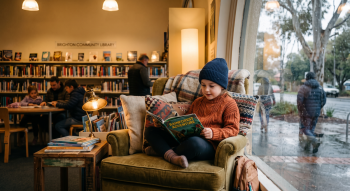
Your Child Doesn’t Need Another Toy… They Might Need This Instead. ❤️
Because sometimes the moments children remember most aren’t the ones wrapped in paper — they’re the ones filled with curiosity, connection, creativity and discovery.
Hidden in almost every community is a free experience that could become your child’s favourite memory.
A place where little minds can wander, imaginations can grow and families can reconnect.
The place where screen-free fun still exists. 📚✨
It’s not a new app.
It’s not another subscription.
It’s not another toy taking up space in the playroom.
It’s your local library — and it’s so much more than books.
This is the childhood tradition more families should bring back.
From Lego clubs and craft sessions to storytelling, STEM activities, digital resources and friendships waiting to be discovered, libraries are quietly becoming one of the most valuable family resources in our communities.
This free family activity is helping children learn without them even realising.
They’re building language skills, creativity, confidence, problem-solving abilities and connections — all while simply having fun.
Could this be the forgotten outing that could change how your child learns?
Rediscover the place where imagination lives, curiosity grows and childhood memories are made.
❤️ Read why your local library deserves a place on your family’s adventure list.
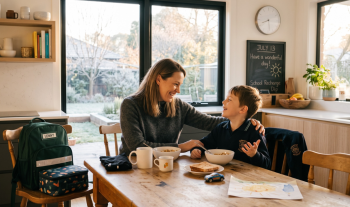
**”I don’t want to go back to school…”** 💛
If your child has said something like this over the holidays, or simply seems more tired, emotional or unmotivated than usual, they’re not alone.
🍎 As the countdown to Term 3 begins, many children struggle to shift from holiday mode back into early mornings, classroom routines and learning. The transition can feel overwhelming, but it doesn’t have to be.
😴 The mid-year school dip is real, and many children experience a drop in energy, motivation and confidence as winter continues.
✨ The good news? Small, simple changes at home can make a big difference.
👩⚕️ A child psychologist shares practical tips to help you support your child through the mid-year dip — from improving routines and emotional wellbeing to rebuilding motivation and confidence 📚
🌱 Give your child the reset they need for a happier, more confident start to Term 3.

It always starts the same way…
It’s winter school holidays, the weather turns cold, the house gets louder… and someone says “I’m bored” before you’ve even finished your coffee.
If that sounds familiar — this is for you.
We’ve pulled together a real parent survival list of 50 simple, screen-free winter activities that actually work in real homes (not Pinterest-perfect ones).
Think:
blanket cubbies that take over the lounge room
baking that somehow ends in flour everywhere
backyard chaos in jackets and gumboots
quiet moments that reset everyone’s mood
and the kind of simple play that turns into the best kind of memories
No pressure. No perfection. Just easy ideas for the long days at home when you’re running out of steam but still want connection, laughter, and a bit of calm in the chaos.
👉 Save this one — you’ll come back to it more than once this winter.

📸✨Tiny Moments, Big Magic✨💛
That first wobbly tooth, first school drop-off, or random Tuesday growth spurt—these milestones fly by in a flash. But the way we celebrate them? That’s what sticks. 💬💡
Discover how to turn everyday wins into powerful confidence boosters—with meaningful traditions, spontaneous joy, and gentle recognition that lasts a lifetime. 🌱🎉
📖 Read the full article and start honouring the magic in the little things.

🌙 Why Are Kids More Tired, Moody, or Restless in Winter?
As the darkest day of the year approaches, our children feel it — in their sleep, energy, moods, and need for connection.
✨ Discover why the winter solstice affects your child more than you think — and how to turn this quiet season into a time of emotional growth, creativity, and calm.
🕯️ Embrace the season. Slow down. Light a candle. Make memories that warm the heart.

Discover how to choose comfortable bedding for children in Australia. Learn about breathable fabrics, temperature regulation, and the best bedding materials.
Is your child tossing, turning, waking up hot, or struggling to settle at bedtime? 😴
Australia’s climate can make getting a good night’s sleep challenging for children, but the right bedding can make all the difference. From breathable fabrics and temperature regulation to soft, comfortable materials that support restful sleep, discover how to create the perfect sleep environment for your child all year round.
Read our guide to learn what to look for when choosing bedding that helps children sleep better, feel more comfortable, and wake refreshed. 🌙✨
#BetterSleep #KidsBedding #ParentingTips #ChildrensSleep #SleepSolutions #AustralianFamilies

What if the most loving thing you can do for your child is… step back? 💛
When children are anxious, struggling, or stuck, every instinct tells us to step in and fix it. But sometimes, rescue gets in the way of resilience.
In this powerful reflection, Dr Jenny Brown explores The Parenting Paradox—why real growth doesn’t come from over-managing, but from creating space for children to discover they can cope, recover, and grow.
As parents, the urge to protect can be overwhelming. We want to ease discomfort, solve problems, and take away distress. But what if strength, confidence, and independence are not built through what we do for our children—but through what they are allowed to experience and work through themselves?
This thought-provoking article invites parents to reconsider the instinct to intervene, and instead consider the power of stepping back with connection and trust. A powerful read for anyone who has ever wondered, “Am I doing enough?”
Because confidence isn’t built when we remove every challenge… it’s built when children discover they can meet it.

Most parents are looking for big conversations with their teens…
but what if connection isn’t actually meant to look like that?
What if you’re already getting connection every day — you’re just not recognising it?
From sitting beside you in silence…
to sending you random memes…
to those unexpected “I need you” moments that arrive at the worst possible time…
Teen connection is often quiet, subtle, and easy to miss.
Once you understand what it really looks like, everything about parenting starts to shift.
You stop chasing connection.
And start noticing it.
This might change the way you see your teenager completely.
👉 Read the full article to see what you might be missing.

When our children are anxious, it doesn’t always look like worry. Sometimes it looks like tummy aches, meltdowns, school refusal, irritability or complete emotional shutdown.
This powerful, research-backed article explores how mindfulness, breathing, grounding and nervous system regulation can help children feel calmer, safer and more emotionally supported — both at home and at school.
Inside, discover 5 practical mindfulness tools backed by Australian experts and neuroscience, including breathing exercises, grounding techniques, movement-based calming strategies and emotional regulation support for anxious kids and teens.
A must-read for every parent navigating childhood anxiety. 💛
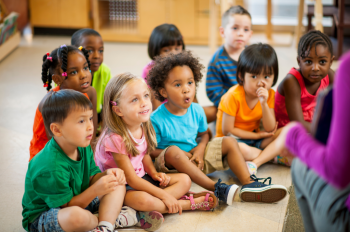
Not every child learns the same way — and more families are embracing early learning paths that nurture curiosity, creativity, confidence, and connection 💛
From play-based learning and outdoor adventures to flexible homeschooling and hands-on discovery, parents are finding new ways to help their preschoolers thrive at their own pace.
Discover why creative early learning alternatives are becoming a growing choice for modern families — and how they can support your child’s emotional, social, and educational development from the very start ✨
Get parenting advice and support delivered right to your inbox
We'd love to hear what you think of the website, so we can continue to improve it . . . GIVE YOUR FEEDBACK >