
Kiddipedia
Why Cycling Is a Valuable Activity for Children
Cycling gives children an enjoyable way to stay active, spend time outdoors, and develop useful physical skills. It encourages regular movement, improves coordination, and helps young riders build confidence through practice. A bicycle can provide entertainment, offer a way to explore nearby parks, and make short family outings more enjoyable. With the right equipment and guidance, children can enjoy cycling at a pace that suits their age and abilities.
Parents looking for kids bikes can find many styles designed for different stages of childhood. Some models suit toddlers learning to balance, whereas others are made for older children who can ride independently. The best choice depends on the child’s height, physical development, riding experience, and intended use. A suitable bicycle allows a young rider to learn comfortably without struggling with a frame that feels too large or difficult to control.
Selecting the Correct Bicycle Size
Bicycle size has a direct effect on comfort, balance, and control. A bike that is too large can make stopping and turning difficult, whereas a small frame may leave little room for natural movement as the child grows. Parents should check the manufacturer’s size guide and compare it with the child’s height and inside leg measurement before making a purchase.
Wheel diameter is one common way to classify children’s bicycles. Smaller wheels are often suitable for younger riders, whereas larger wheels tend to suit children who are taller or have more riding experience. Age can provide a rough starting point, but children of the same age may have very different body proportions. A practical fitting session gives parents a clearer idea of which model feels right.
When seated, the child should be able to reach the handlebars without leaning too far forward. The brakes should sit within comfortable reach, and the riding position should feel natural rather than strained. A child who can mount, dismount, and stop with confidence is more likely to enjoy regular practice.
Balance Bikes and Beginner Models
For young children who have not learned to ride, a balance bike can provide a gentle introduction. These models usually have no pedals, allowing children to push themselves forward with their feet. They can practise steering, gliding, and maintaining balance without having to manage pedalling at the same time.
Once a child becomes comfortable lifting both feet briefly while gliding, moving to a pedal bicycle may feel easier. Some families prefer models with removable training wheels, which offer extra support during early lessons. The right starting point depends on the child’s confidence and coordination rather than a fixed age.
Parents can help beginners by choosing a flat, open area away from traffic. Short practice sessions allow children to learn without becoming tired or frustrated. Gentle encouragement and regular breaks can make the experience more enjoyable, giving young riders time to develop skills at their own pace.
Safety Features Every Parent Should Check
Safety should guide the choice of a child’s bicycle. Reliable brakes, a stable frame, suitable tyres, and secure handlebars all contribute to better control. Parents should test the brakes before each ride and check that the wheels turn freely without unusual movement. Loose bolts, worn tyres, or damaged components should be addressed before the bicycle is used again.
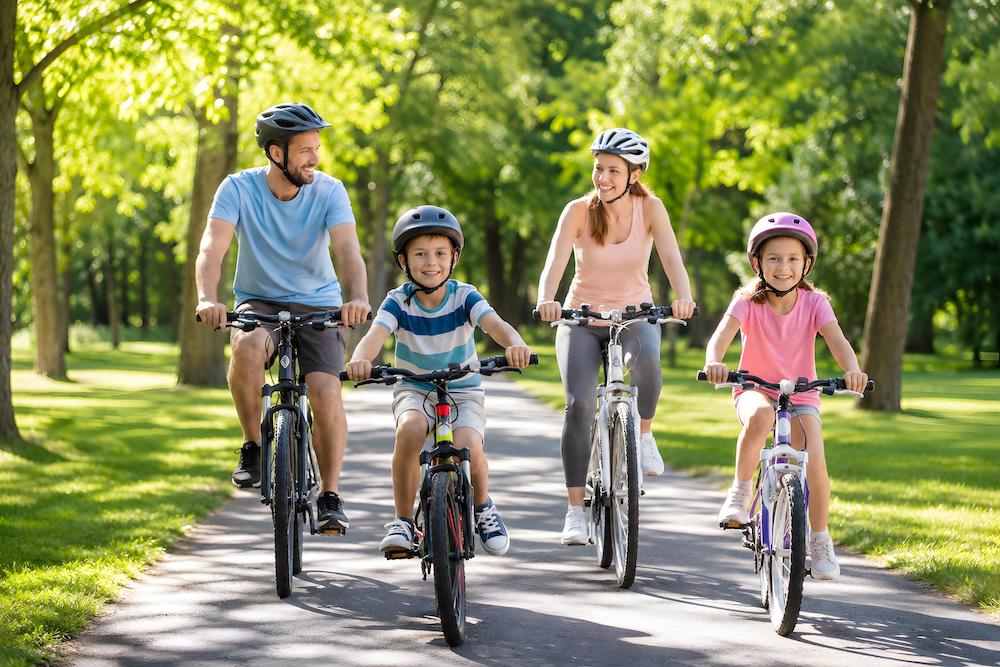
A properly fitted helmet is another important part of cycling safety. It should sit level on the head, cover the upper forehead, and remain secure when the child moves. The straps should form a snug fit without causing discomfort. Parents should replace a helmet after a significant impact or when it shows signs of damage.
Protective clothing can make rides more comfortable and visible. Bright colours help other road users notice young cyclists, particularly in areas with limited visibility. Closed shoes provide a better grip on the pedals than sandals or loose footwear. For rides near roads, children should learn basic traffic awareness and remain under suitable adult supervision.
Comfort and Practical Design
A comfortable bicycle makes learning and everyday riding more pleasant. Adjustable seats allow the bike to accommodate growth, and handlebars with a suitable shape help children maintain control without placing unnecessary strain on their arms. A lightweight frame can make it easier for a young rider to start, turn, and manoeuvre the bicycle.
Parents should pay attention to the overall weight of the model. A heavy bicycle may be difficult for a smaller child to control, particularly when starting from a stationary position. The frame material, wheel design, and additional accessories can all affect weight, so comparing several models can help families find a manageable option.
Tyres should suit the surfaces where the child is likely to ride. Smoother tyres may be suitable for paved paths, while tyres with more pronounced tread may be better suited to certain off-road surfaces. A bicycle intended for family park visits may need different features from one used for longer neighbourhood rides.
Setting a Sensible Budget
The price of a child’s bicycle varies according to its construction, components, design, and included features. A higher price does not always mean a better fit for a particular child. Families should focus on safe construction, appropriate sizing, dependable brakes, and ease of use before paying for decorative details or accessories.
Buying a second-hand bicycle can be a practical way to reduce costs, provided its condition is checked carefully. Parents should inspect the frame for cracks, test the brakes, examine the tyres, and confirm that the wheels are secure. A bicycle with significant damage may require repairs that outweigh the initial savings, so its condition should be assessed carefully before purchase.
Helping Children Build Lasting Cycling Habits
A suitable bicycle can encourage children to spend more time outdoors and become more confident with physical activities. Parents can support this progress by arranging regular rides, choosing safe routes, and setting realistic goals. Family cycling can provide an opportunity to share time while teaching children patience, awareness, and responsibility.
Choosing a bicycle that fits properly, meets safety needs, and suits the child’s interests gives young riders a positive starting point. With regular maintenance, protective equipment, and supportive guidance, cycling can remain an enjoyable activity through different stages of childhood. The right choice is not simply the model with the most features or the lowest price, but the one that allows a child to ride comfortably, develop skills, and enjoy every journey with confidence.