


Psychologist, Mum, Podcast Host
Breanna Jayne Sada is a registered psychologist with over a decade of experience working with children, young people and families across education, community and clinical settings. Her interests include supporting children and improving family relationships, supporting parents navigating complex stages of development coupled with supporting the professionals who work with children and families.
Breanna is the host of the podcast Let’s Reconnect, where she shares evidence-informed conversations with parents, young people and experts. The podcast centres on strengthening the relationship between parents and children, recognising this connection as a powerful protective factor in reducing psychological distress and supporting long-term mental health.
She is also an education and training facilitator, delivering workshops and professional learning for parents, educators and professionals working with children, teenagers and families. Breanna is passionate about translating psychological knowledge into practical, everyday strategies that support connection and wellbeing.
Breanna is a regular contributor to media, providing expert commentary on child, adolescent and family mental health. She brings together her experience and evidence to support children, teenagers, families and professionals in building stronger, more connected and mentally healthy relationships.
Website: https://www.breannajayne.com/
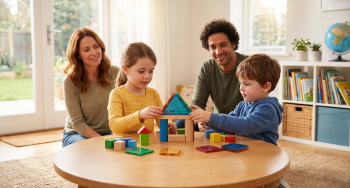
💛 Separation changes a family, but it doesn’t have to change how deeply a child feels loved.
When a relationship ends, parents are often navigating heartbreak, uncertainty, financial pressures and countless life-changing decisions. But for children, the biggest questions are much simpler: *”Am I still safe? Am I still loved?”*
This heartfelt article explores how keeping children at the centre of every decision can help protect their emotional wellbeing during one of life’s biggest transitions. From maintaining familiar routines and recognising the many faces of grief to shielding children from adult conflict, these compassionate, practical insights can make a lasting difference.
Because while families may look different after separation, children still need the same things they’ve always needed—to feel safe, secure, heard and deeply loved.
Whether you’re navigating separation yourself or supporting someone who is, this is an important read.
❤️ Every child deserves to know: *”This isn’t your fault, and you are loved beyond measure.”*
Read the full article now.

⚽🏆 The World Cup is about to unite millions of families around the screen. But while we’re watching the game, something else is working hard to win our children’s attention.
Betting ads are everywhere.
For today’s teenagers, gambling has become deeply woven into sport. Odds are discussed before matches begin, betting brands sponsor teams, and advertisements often make wagering look exciting, normal, and harmless.
But here’s what every parent should know: the teenage brain is uniquely wired to seek excitement, rewards, and risk. That combination can make young people particularly vulnerable to the powerful messages hidden within gambling advertising.
As the World Cup kicks off, now is the perfect time to start a conversation that could have a lasting impact.
In this important article, psychologist Breanna Jayne Sada explores why sports betting is becoming increasingly normalised, how dopamine influences teenage decision-making, and the simple conversations parents can have to help their children think critically about gambling.
Because while the World Cup will eventually end, the lessons our children learn from what they watch can stay with them for life. 💛
Read the article and discover how one conversation today could help protect your child tomorrow.

As parents, we share our children online from a place of love, pride and connection… but in a world shaped by social media and AI, are we sharing more than we realise?
This thought-provoking article explores the long-term impact of children growing up with a digital footprint before they can even consent. From privacy and identity to self-worth and online safety, it’s a conversation every parent needs to have.
Are we protecting our children’s memories… or exposing too much of their lives online? 💭

As a psychologist, I’m increasingly concerned about something quietly impacting our children’s behaviour, mood, motivation—and mental health. Sleep.
It’s often overlooked, yet sleep is where the brain develops, emotions regulate, and learning consolidates. When kids and teens aren’t getting enough, it’s not just tiredness we’re seeing—it’s anxiety, irritability, poor focus, and emotional overwhelm.
And teenagers? They’re not being “lazy.” Their biology is shifting, and most are operating in a constant sleep debt they can’t easily escape.
Before we label behaviour… it’s worth asking: are they actually getting enough sleep?
Read the full article to understand what’s really happening—and what parents can do.
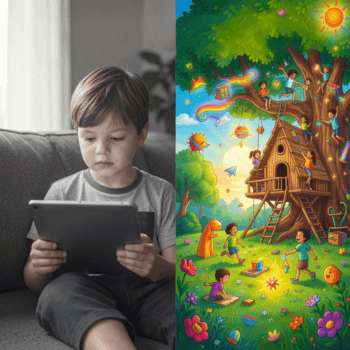
“I’m bored…” — and suddenly it feels like a problem to fix.
But what if it’s actually your child’s brain doing exactly what it’s meant to do?
✨ Children and teens are wired for novelty, curiosity, and excitement — and when life feels too predictable, they’ll go searching for it (hello screens 👀).
This isn’t about bad habits or failed parenting. It’s about understanding what their brain needs… and learning how to meet it in simple, real-life ways.
💡 From tiny routine changes to playful, spontaneous moments — there are powerful, low-effort ways to bring back connection, joy, and balance at home.
If you’ve been battling screen time or hearing “I’m bored” on repeat… this is the perspective shift you didn’t know you needed.
👉 Read more and discover how to work with your child’s brain, not against it.

When the world feels heavy, our children feel it too. 🌍💔
News of war and violence can leave even the calmest parent unsure of what to say. But silence isn’t the answer, connection is.
This thoughtful guide shares practical, age-appropriate ways to talk with your child about global conflict, ease anxiety, protect their emotional wellbeing, and build resilience that lasts far beyond the headlines.
You don’t need perfect answers. You just need presence. 🤍
Read the full article and feel more confident having the conversations that matter most.
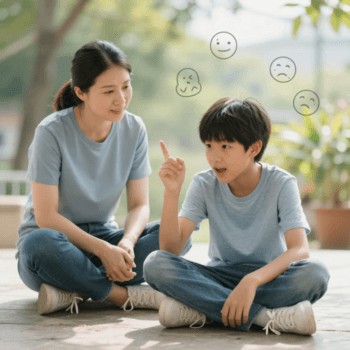
💡 Did you know your child’s temperament isn’t just a baby thing? From playful toddlers to intense teens, understanding your child’s natural traits can transform conflict into connection. 🌱 Shift from trying to change them to truly understanding them—and watch them thrive. Learn how to create harmony, boost confidence, and support your child exactly as they are. 💛
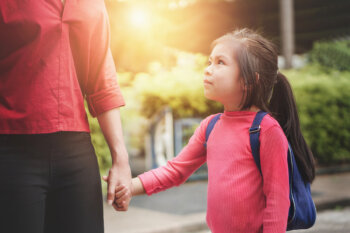
Back to school shouldn’t feel like a daily battle 😔🎒
Tears at the gate, tummy aches, and morning meltdowns can turn what should be an exciting time into one filled with worry—not excitement 😢
If your child is anxious, distressed, or refusing school, you’re not failing—and you’re not alone 💛
When school feels too hard, it’s not “won’t”—it’s can’t.
Understanding school anxiety can change everything.
Discover supportive, evidence-informed strategies to help anxious children return to school, reduce the risk of school refusal, and rebuild safety, confidence, and trust—one small step at a time 🌱
👉 Read the full article

Recently both children and adolescents have seen considerable changes to their weekly routines. School looks different, sport is on hold and parents and family for the most part have been the sole source of face-to-face social interaction for many children… Continue Reading >
Get parenting advice and support delivered right to your inbox
We'd love to hear what you think of the website, so we can continue to improve it . . . GIVE YOUR FEEDBACK >