
Breanna Jayne Sada
By Breanna Jayne Sada
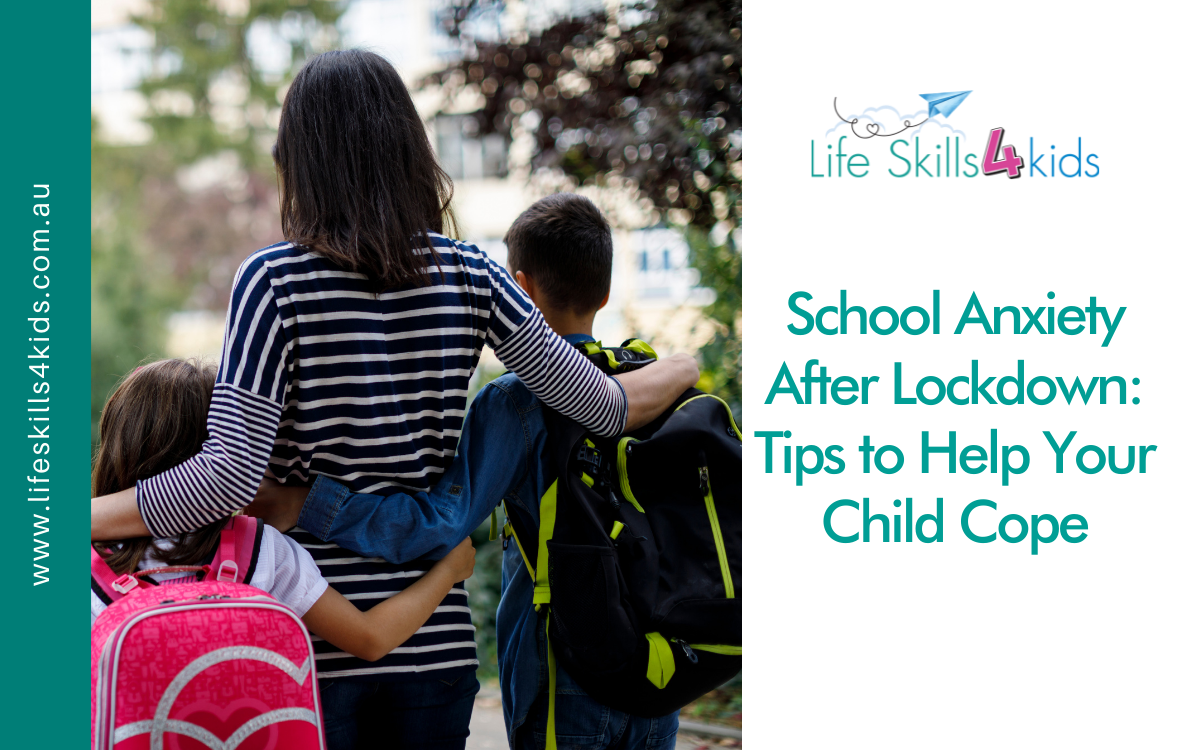
For many families, the start of a new school year brings excitement. New stationery, being reunited with friends, and the hope that this year will be an exciting one. For families with anxious children or children who have experienced school avoidance, back to school can feel far less straightforward and exciting.
If your child is worried, reluctant, or already showing signs of distress about returning to school, you are not alone. School related anxiety is increasingly common, and many children experience heightened stress around transitions, unfamiliar expectations, or the fear of separation. This does not mean you have failed as a parent, nor does it mean your child cannot succeed at school. It simply means they may need support that is a little more intentional and flexible.
Intense anxiety about school can lead to School refusal, sometimes referred to as ‘school can’t’ rather than ‘school won’t’. Often driven by anxiety, sensory overload or previous negative experiences at school. Understanding this can help parents move away from blame and frustration towards an attitude of calm and support. The goal of this support is to gently reduce the anxiety or overwhelm that escalates into ongoing avoidance.
Here are some supportive, proactive strategies that can help support a child who is anxious about school.
Start the conversation early and often
Children benefit from having space to talk about their worries before they become overwhelming. Open-ended questions such as “What feels hardest/most doable about going back?” invite connection rather than defensiveness. Feeling heard and naming the emotion can lower anxiety on its own. If your child is one that doesn’t like your questions about school, remind them you are around to talk when they are ready, you can also take their lead about when is the right time to speak about school.
Bring the school on board early
Sharing concerns with your child’s teachers as soon as the reluctance or refusal starts can make a significant difference. When school staff understand your child’s history, triggers, or support needs, they are better placed to respond early and collaboratively. This might include check-ins during the day, flexible start times, or identifying a safe person your child can go to if they feel overwhelmed. Missing school days can enable the avoidance your child’s anxiety is trying to achieve. Getting support early is key as is trying to keep school regular. Repeated absences can quickly get out of control.
Prioritise consistency and routine
Predictability helps anxious nervous systems feel safer. Returning to school routines before term starts, such as earlier bedtimes, morning routines, and getting dressed at the same time each day, can reduce the shock of sudden change. Regular attendance, even when it feels hard, supports your child to maintain momentum, routine and confidence.
Focus on even small success
For some children, full days can feel like too much at first. Attending part of the day, arriving slightly later, or focusing on a preferred subject can still be meaningful progress. Success builds success. Small wins reinforce the message that school is manageable, even when it feels uncomfortable.
Act “as If” your child is is going to school
Subtle changes in language and behaviour can help shift momentum and mindset, instead of asking “are you going to school?” speaking about “when you get to school…” for some children can be helpful. Packing their bag and lunchbox, getting their uniform laid out instead of asking “should I pack your lunchbox?” can start the momentum. Will they still be anxious, yes but staying calm and supporting will ease that, you aren’t saying “WHEN YOU GET TO SCHOOL!”
Build coping skills for anxious moments
Rather than trying to remove all stress, support your child to develop tools they can use when anxiety shows up. When they are calm this might include learning slow breathing, grounding techniques, carrying a comfort item, or having a simple plan for what to do if they feel overwhelmed. Practising these skills at home makes them more accessible at school. This goes for parents too, trying to stay calm and grounded in those times your child is distressed helps with co-regulation. Showing how to stay calm when anxious (for example about you being late to work because they won’t get ready) is a great way for them to learn about how to deal with stress.
Reinforce the idea that feelings can change
Anxious children often believe that discomfort will last forever. Gently reminding them that feelings rise and fall, and that anxiety can ease once they settle into the day, can help challenge this belief. Statements like “It’s okay to feel nervous and still go” support resilience without dismissing emotions.
Look after yourself as well
Supporting an anxious child can be emotionally exhausting. Parents often carry their child’s distress alongside their own worries and self doubt. Seeking guidance from a psychologist, GP, or school counsellor can help you feel less alone and more confident in your approach. You do not need to navigate this by yourself.
If your child’s anxiety is intense, persistent, or worsening despite support, it may be time to seek professional help. Early intervention is associated with better outcomes, and support can be tailored to your child’s individual needs.
Going back to school does not have to mean pushing through at all costs. With understanding, collaboration, and patience, many children who struggle with school anxiety can rebuild their confidence and sense of safety over time. Progress may be gradual, but every step counts no matter how small.