
Kiddipedia
When the weather turns cold, finding affordable, meaningful and screen-free activities to keep children entertained can feel like a challenge. But hidden in almost every community is a resource that offers learning, creativity, connection and fun — often completely free. It’s time to rediscover your local library.
As temperatures drop, it’s time to rediscover the joy of indoor activities with the family. If you’re struggling to find an alternative to the park or playground, why not consider revisiting your local library?
In my younger days (yes, pre-internet if you must know!) I often found myself at the library working on school projects or checking out the latest regency romance novels. A few decades on, while I still love regency romance, libraries now offer so much more for parents and kids alike.
Nowadays, you don’t even have to leave home to take advantage of the offerings at the library. Most libraries have moved online, allowing you to reborrow and place holds on books as well as access a world of information, without leaving home. This has really helped us, especially on those days when it’s been impossible to get anyone out of the house.
More than a source of information, libraries have become an integral part of the local community, hosting events, running workshops and serving as a meeting place for local groups. I’m constantly amazed at the various programs being offered at my library, most of them free.
I didn’t fully appreciate everything our local library offered until we became more regular visitors this year. My youngest daughter now attends two after school sessions there — Lego club on a Tuesday and Crafternoons on Thursdays — indulging in her passion for creation and craft.
During this time, we’ve grown to know the librarians and have found out more about the services they offer. Most recently, we’ve been able to connect my older daughter with others her age who share in her love of Japanese cinema and culture!
If you haven’t been a regular visitor to your local library for a while, here are five reasons you should head back in and discover everything your local library has to offer.
Why Libraries Matter More Than Ever for Families
For many of us, the word “library” still brings back memories of quiet rooms, shelves filled with books and being reminded to whisper. While books remain at the heart of libraries, the role of modern libraries has transformed dramatically.
Today, libraries are community learning spaces, digital access points, creative hubs and places where families can build meaningful connections.
For parents, this matters because raising children is not only about providing opportunities for learning — it is also about creating environments where children feel they belong.
Research consistently shows that children thrive when they have access to safe, supportive environments where they can explore, interact and develop relationships with others. Community spaces such as libraries can contribute to children’s social connection, literacy development and sense of belonging.
The Australian Institute of Family Studies (AIFS) highlights the importance of community connection and supportive environments in promoting positive outcomes for children and families. Strong social networks and community participation are recognised as important protective factors for family wellbeing.
Libraries are one of the few places where families can spend time together without the expectation of spending money.
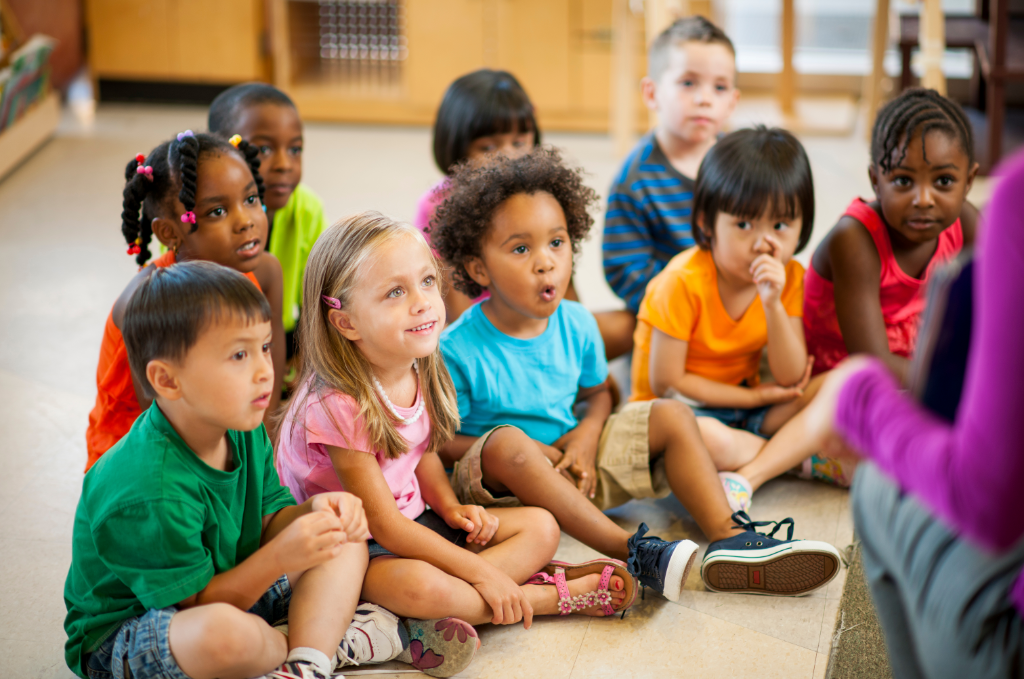
They welcome babies discovering their first books, toddlers attending story time, school-aged children researching projects, teenagers exploring creative interests and parents searching for support and resources.
They truly are spaces designed for everyone.
Libraries Are the Ultimate “Third Place” for Families
Sociologists often describe community spaces outside the home and workplace as “third places” — environments where people can gather, connect and build relationships.
For families, these spaces are incredibly valuable.
Home is where children feel secure. School or childcare is where they learn and socialise. Libraries offer something different — a place where children can explore at their own pace, follow their interests and connect with others outside their usual routines.
A local library can become:
- A place where your child discovers a new passion
- Somewhere they make a new friend
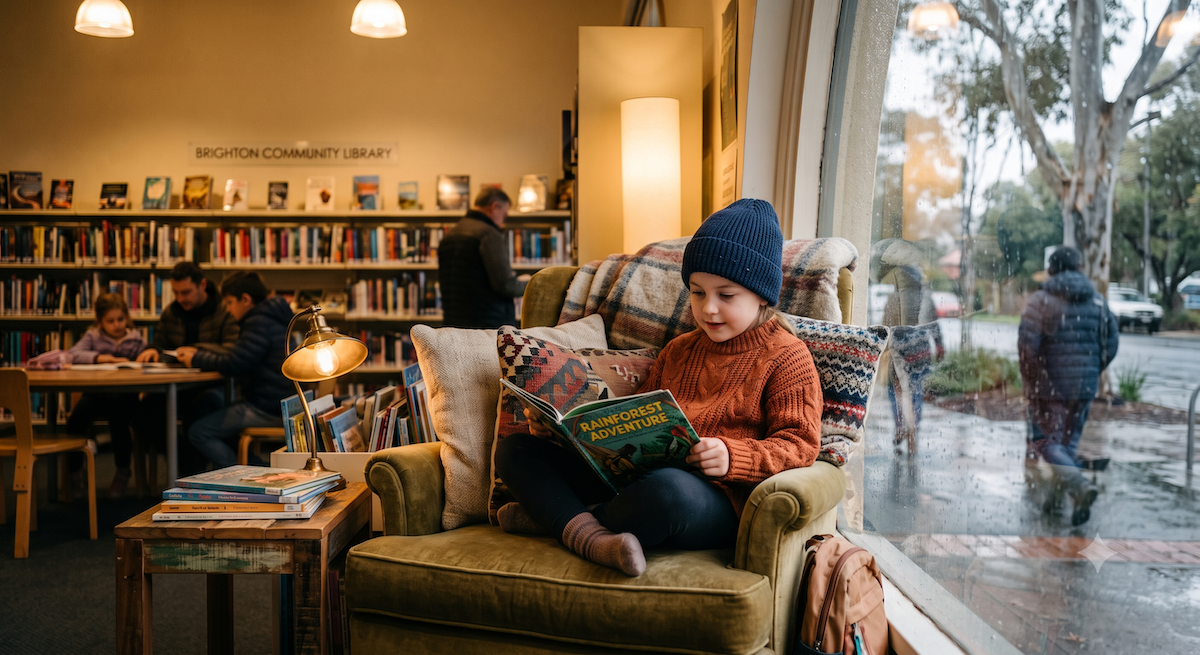
- A welcoming space on a rainy afternoon
- A place where parents connect with other families
- A community resource during challenging seasons
In a world where many families experience busy schedules, digital overload and increasing costs, libraries offer something increasingly precious: time together without pressure.
More Than Books
Libraries have completely transformed since our younger days. You can still go and look at books and reference material — that will never change. But nowadays you can also access CDs, DVDs, ebooks, magazines and newspapers.
Most libraries will also offer the use of computers, complimentary internet access and help you find answers not even Google can solve!
Modern libraries have expanded far beyond traditional borrowing.
Depending on where you live, your library membership may give your family access to:
- Picture books and novels
- Audiobooks
- Ebooks
- Magazines and newspapers
- Educational databases
- Music streaming services
- Movie streaming platforms
- Language learning programs
- Homework support resources
- Technology assistance
For families experiencing financial pressure, this access can be incredibly valuable.
Building a child’s home library can become expensive quickly, especially when children move through reading stages rapidly. Libraries allow children to explore widely without parents needing to purchase every new interest that appears.
One week your child might be fascinated by dinosaurs, the next week it could be space, baking, animals or ancient history. Libraries allow curiosity to lead the way.
How Library Visits Support Child Development
A library visit may look like a simple outing, but underneath the surface, children are developing important skills that support their learning, confidence and wellbeing.
Supporting Language and Literacy Development
One of the most powerful benefits of libraries is their ability to create literacy-rich environments.
From the earliest months of life, exposure to books, songs, storytelling and conversations supports children’s language development.
According to the Australian Early Development Census (AEDC), communication skills and language development are important foundations for children’s success in the early years.
Regular library visits can help children develop:
- Vocabulary
- Listening skills
- Story comprehension
- Imagination
- Communication skills
- Confidence expressing ideas
For babies and toddlers, simply sitting together and sharing a book builds connection.
It is not about whether your child can read yet. It is about creating positive experiences around language and stories.
Building Emotional Intelligence Through Stories
Books are more than words on a page. They are opportunities for children to explore emotions, experiences and perspectives.
Through stories, children can learn about:
- Friendship
- Kindness
- Problem-solving
- Resilience
- Different cultures
- Big feelings
A child may not always be ready to talk directly about something worrying them, but a story about a character experiencing a similar challenge can provide a gentle pathway for conversations.
Reading together gives parents opportunities to ask:
“Why do you think they felt that way?”
“What would you do?”
“Has anything like that ever happened to you?”
These simple conversations support emotional literacy and empathy development.
Encouraging Curiosity and Independent Learning
Libraries are designed around one powerful idea: curiosity matters.
Children are naturally driven to ask questions.
Why do volcanoes erupt?
How do astronauts live in space?
Why do animals migrate?
How do computers work?
Libraries encourage children to become active learners rather than passive consumers of information.
They learn how to:
- Find information
- Ask questions
- Explore interests
- Make choices
- Follow their curiosity
These are skills that support lifelong learning.
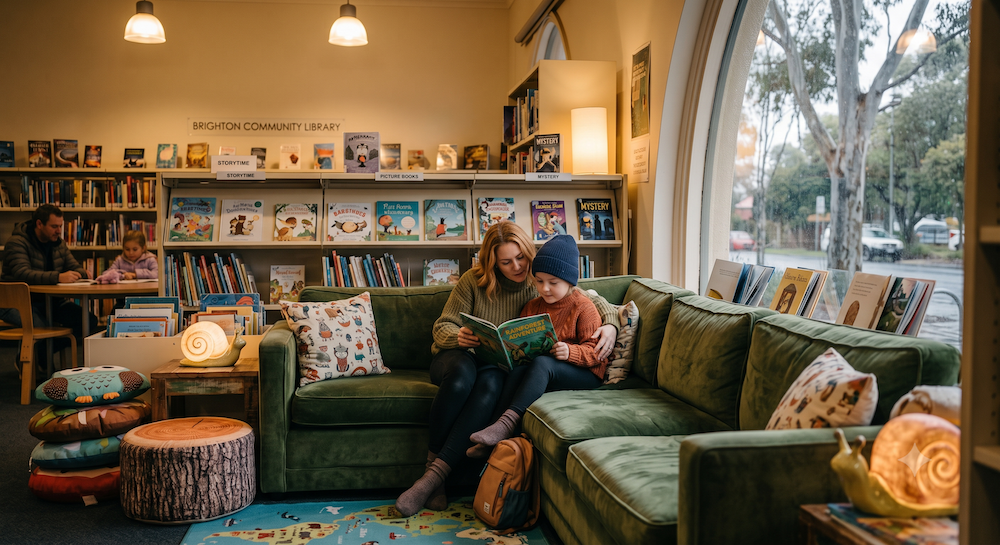
After School Activities
Check to see if your local library holds after school or school holiday activities.
This is a great alternative if you’re looking for a warmer indoor activity during the winter months.
Examples of the activities offered by local libraries include:
- Craft
- Coding
- Lego
- Writing
- Story time sessions
- STEM activities
- Robotics workshops
- Creative projects
If your library doesn’t currently run sessions, ask if they can — it never hurts to ask!
Community Hub
Libraries bring together people with a range of different interests, passions and hobbies.
From community meetings to book clubs to movie groups, local libraries hold a unique place in the local community. You may be able to learn a new language, refine your art skills, join a historical society or find a group of like-minded local parents to hang out with at your local library.
Modern libraries are increasingly recognised as community connection spaces — places where people from different backgrounds, ages and experiences can come together.
For families, this can be incredibly meaningful.
Parenting can sometimes feel isolating. Between busy schedules, school commitments, work responsibilities and the everyday demands of family life, creating opportunities for connection does not always happen naturally.
Libraries can help bridge that gap.
Many Australian libraries offer programs such as:
- Baby rhyme time sessions
- Story time groups
- Parent meet-ups
- Multicultural programs
- English conversation groups
- Creative workshops
- School holiday activities
- Community information sessions
These programs are not only about keeping children occupied. They provide opportunities for families to build relationships and feel connected to the community around them.
The Australian Institute of Family Studies recognises that social connection and community participation contribute to family wellbeing, helping people feel supported and reducing feelings of isolation.
Sometimes a simple weekly library visit can become a familiar rhythm in family life — a place where children know they are welcomed, parents recognise familiar faces and community connections naturally grow.
Connections
For a place that used to be defined by silence, modern libraries are now a hive of activity and connection.
It’s a meeting place for young and old, a centre for stories and imagination and a place where anyone can access technology, information and other resources.
If it’s been a while since your last visit, it might just be time to head back in and see everything that your local library can offer.
One of the most beautiful things about libraries is that they create opportunities for unexpected connections.
Your child might discover a new hobby.
They might meet another child who shares their interests.
They might find a book that sparks a lifelong passion.
They might meet a librarian who remembers their name and recommends something they love.
These moments may seem small, but childhood is built from thousands of small moments of belonging.
Age-by-Age Library Ideas for Families
One of the best things about libraries is that they grow with your child.
Whether you have a baby who loves songs and faces, a preschooler who wants to explore everything, or a school-aged child searching for their next obsession, there is usually something waiting.
Babies (0–12 months)
For babies, libraries are about connection, sensory experiences and early literacy foundations.
Try:
- Baby rhyme time
- Singing sessions
- Board books
- Touch-and-feel books
- Nursery rhymes
- Reading together in a calm environment
At this age, it is not about reading the words correctly — it is about building positive associations with books, language and connection.
Toddlers (1–3 years)
Toddlers are naturally curious explorers.
Library activities can support:
- Language development
- Social skills
- Listening skills
- Imagination
Try:
- Story time
- Picture books
- Simple craft sessions
- Puppet activities
- Songs and movement sessions
Allow your toddler to choose books themselves, even if they choose the same book repeatedly. Repetition is an important part of learning.
Preschoolers (3–5 years)
Preschoolers love opportunities to create, imagine and ask questions.
Look for:
- Craft workshops
- STEM activities
- Building activities
- Storytelling sessions
- Holiday programs
Libraries can help preschoolers develop confidence before they begin school by encouraging communication, curiosity and independence.
Primary School Children
For school-aged children, libraries become places for both learning and enjoyment.
They can support:
- Homework research
- Reading confidence
- Creative writing
- Technology skills
- Problem-solving
Many children who do not consider themselves “readers” may discover a love of books through graphic novels, information books, comics, magazines or audiobooks.
Reading does not have to look one particular way.
Tweens and Teenagers
Older children often benefit from libraries in ways parents may not expect.
Many libraries provide:
- Youth programs
- Writing groups
- Creative workshops
- Gaming sessions
- Cultural programs
- Study spaces
For children searching for their identity and interests, libraries can offer a place where they can explore who they are.
A Budget-Friendly Family Resource
One of the most valuable things about libraries is that they provide high-quality experiences without the price tag.
For many families, the rising cost of everyday expenses means finding affordable activities has become increasingly important.
Libraries offer:
- Free entertainment
- Free learning opportunities
- Free access to resources
- Free community programs
This does not mean families are choosing a “cheaper option”.
They are accessing one of the most valuable community resources available.
A child attending a free Lego club, discovering a new author, learning coding skills or joining a creative workshop is still experiencing enrichment, connection and learning.
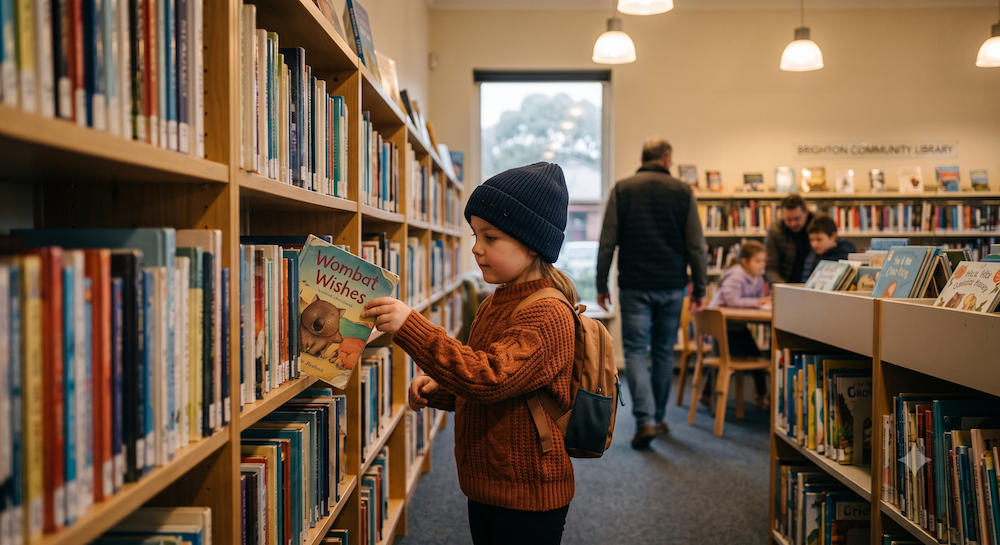
Parent Tips: Making Library Visits a Family Habit
If it has been years since you visited your local library, starting again can feel unfamiliar.
Here are some simple ways to make it part of family life:
1. Let your child lead
Allow children to explore their interests.
They may choose books you would never expect — and that is often where the magic happens.
2. Ask the librarians for help
Librarians are experts at connecting people with information.
Tell them what your child enjoys and ask for recommendations.
3. Make it part of your routine
Try:
- A weekly after-school visit
- A weekend book swap
- A monthly family library outing
Children often love predictable rituals.
4. Explore beyond books
Look at the events calendar.
You may discover programs, workshops and activities you never knew existed.
5. Remember there is no “right” way to use a library
Some families borrow books.
Some attend events.
Some use the computers.
Some simply enjoy a welcoming indoor space.
All of these are valuable.
Myth vs Fact: Modern Libraries
Myth: Libraries are outdated because everything is online now.
Fact:
Libraries have embraced technology and now combine traditional resources with digital access, online learning and technology support.
Myth: Libraries are only for children who love reading.
Fact:
Libraries support creativity, technology, research, social connection and exploration. Children can engage through crafts, coding, workshops, music and activities.
Myth: You need to be a regular reader to enjoy a library.
Fact:
Libraries welcome everyone. You do not need to be an enthusiastic reader to benefit from the resources and community connections they provide.
Frequently Asked Questions
Are Australian library memberships free?
Most public libraries across Australia offer free membership to residents within their local council area. Membership generally provides access to physical and digital collections.
Check your local council library website for eligibility requirements.
What activities do libraries offer for children?
Activities vary between libraries but may include:
- Story time
- Craft sessions
- Lego clubs
- Coding workshops
- School holiday programs
- STEM activities
- Writing groups
What age should children start visiting the library?
There is no minimum age. Babies benefit from early exposure to books, songs and language experiences.
Can children access ebooks and audiobooks through libraries?
Yes. Many Australian libraries provide digital borrowing services through library apps and online platforms.
How do I find activities at my local library?
Visit your local council library website or speak directly with library staff. Many programs require bookings, particularly during school holidays.
Key Takeaways: Why Your Family Should Rediscover Your Local Library
Libraries are no longer just places to borrow books — they are places where families learn, connect and belong.
A visit to your local library can support:
✅ Language and literacy development
✅ Curiosity and independent learning
✅ Creativity and problem-solving skills
✅ Emotional understanding and empathy
✅ Friendships and community connection
✅ Affordable family experiences
In a world that often encourages us to spend more, do more and rush from one activity to the next, libraries offer something beautifully simple.
A welcoming space.
A chance to slow down.
A place where children can explore, imagine and discover.
And sometimes, the best family adventures are not the expensive ones.
Sometimes they are waiting quietly at your local library.
References and Further Reading
Australian Bureau of Statistics. (2023). Household Income and Wealth, Australia.
Australian Early Development Census. (2021). Australian Early Development Census National Report.
Australian Institute of Family Studies. (2022). Families and social connections: The importance of community participation and support.
Australian Library and Information Association (ALIA). (2023). The role of public libraries in Australian communities.
Australian Public Library Alliance. (2023). Public libraries supporting Australian communities.
Raising Children Network. (2024). Reading and storytelling with children.
State Library Victoria. (2024). Children, families and community library programs.
State Library of New South Wales. (2024). Public libraries and community engagement.
Author’s note:
Libraries continue to evolve alongside families and communities. Whether you are searching for your child’s next favourite book, a warm indoor activity during winter, a place to connect with other parents or simply somewhere welcoming to spend time together, your local library may offer far more than you realise.