
Kiddipedia
🧡 Understanding what’s really happening in Australian homes
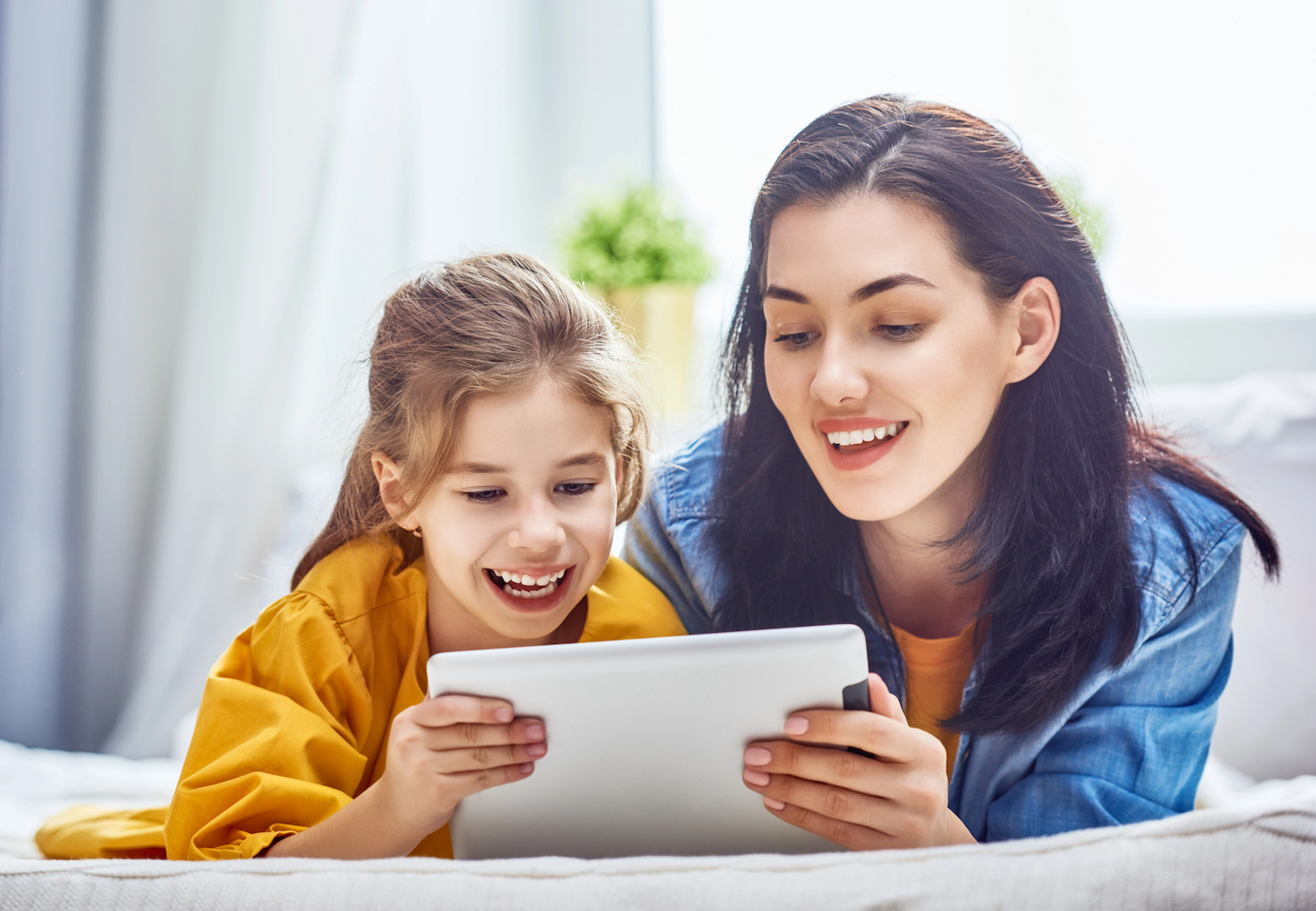
With the winter school holidays here and colder weather keeping kids indoors, children’s screen time often spikes as routines relax and more time is spent at home.
For many parents, this isn’t just a seasonal shift; it’s a familiar juggling act between work, childcare, and keeping children entertained indoors.
Australian research from the Raising Children Network highlights that changes in routine are one of the biggest drivers of increased screen use during school holidays. It’s not simply “more screen time,” but less structured time around screens.
And that distinction matters.
Because in most homes, the question isn’t whether children will go online, but how supported they are when they do.
📊 The Australian digital reality
Australia’s Interactive Games & Entertainment Association (IGEA) have reported on just how embedded gaming is in everyday life, with four out of five (82%)1 of Australians playing video games. According to eSafety, this number jumps to 86%2 of 10- to 15-year-olds, leaving parents to grapple with how much time their kids are spending online, who they’re playing online games with, and how to keep those experiences positive and age-appropriate.
What this tells us is simple:
Gaming is no longer a niche activity, it is a normal part of childhood and teen social life in Australia.
For many families, gaming now sits alongside sport, school, and friendships as part of everyday routine.
🧠 Why winter school holidays change everything
When school structures pause:
- sleep routines shift
- boredom increases
- peer interaction moves online
- independence increases
Australian child development guidance from the Australian Institute of Family Studies (AIFS) and Raising Children Network shows that children rely heavily on routine to regulate:
- behaviour
- emotions
- decision-making
So during holidays, digital habits don’t just increase—they become more self-directed.
This is why experts increasingly emphasise guided independence rather than strict restriction.👩🏫 Roblox’s Global Senior Director of Parental Advocacy, Dr Elizabeth Milovidov, says the school holidays are a timely moment for families to revisit their approach to online safety.
Here are some of Dr Elizabeth Milovidov, practical, easy-to-understand gaming safety tips designed to help parents feel more informed and confident, without needing to be technical experts:
🛡️ Top Tips for Parents, for Safer Online Gaming
1. Start with privacy and safety basics
Before your child starts gaming, consider what privacy and safety settings might be right for them. Establishing simple steps can make a big difference in protecting their online experience:
Choose a safe username – Avoid real names, ages, or personal details that could identify your child.
Set privacy settings that suit your family – Discuss who they can interact with.
While Roblox doesn’t have location sharing, some games and apps do – Consider turning location sharing off where it is a feature.
Familiarise yourself and your children with reporting tools – Teach them how to block or report inappropriate behaviour.
2. Get in the game
Take the time to learn about the games your children love playing. The more you know about the games they play and the platforms they use, the better equipped you’ll be to guide safe and positive experiences.
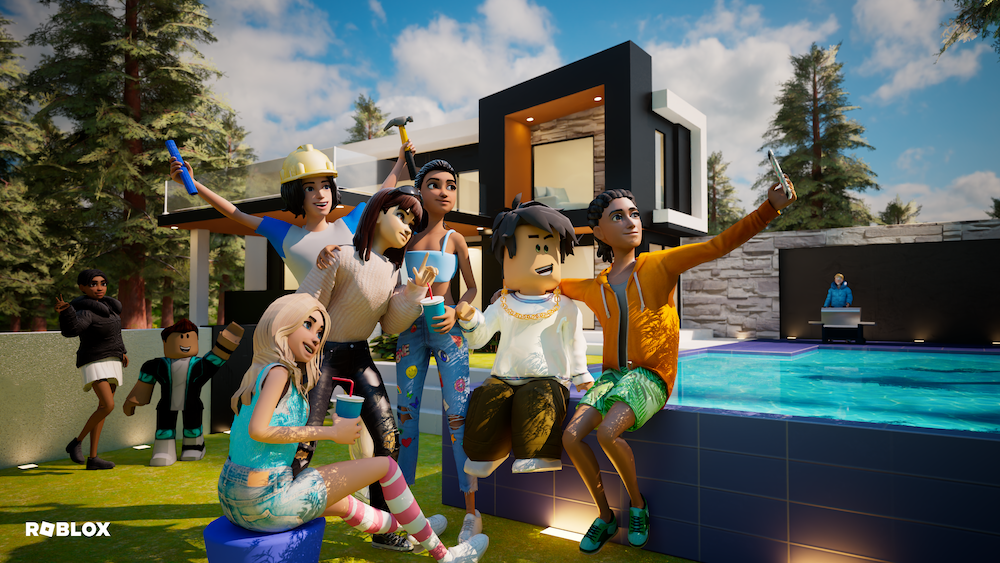
Take Roblox, for example. It’s one of the most popular gaming platforms among children and teens, offering thousands of user-created games. There is an online Safety Centre to help parents and carers understand what Roblox is, guides on how to use parental controls, and answers to common questions. And while many of the games are purely for fun, there are also lots which offer educational benefits that help kids develop new skills and explore their creativity. Roblox has a popular learning hub which has been visited over 40 million times, and will help you easily find great educational experiences.
One of the best ways to understand what your kids do online is to join them. Playing games alongside your child isn’t just fun – it shows you value what they love and creates natural opportunities to talk about safety, friendships, and the skills they’re building.
Try asking upbeat, open-ended questions such as:
“What do you love about this game?”
“How did you discover it?”
“What tips would help me get started?”
💬 3. Talk through their gaming experiences
Online games are great fun, but they can also bring challenges like bullying or stress. Instead of reacting only when problems arise, start early – use everyday gaming moments to teach coping strategies and essential digital life skills.
If your child encounters bullying or stress online, work through solutions together:
- Take a break with mindfulness strategies like Box Breathing or a quick walk
- Switch to a different game or play with trusted friends
- Reinforce that asking for help is always okay
- Approach a trusted adult if they feel unsafe
⚙️ 4. Get familiar with parental controls
Managing your child’s gaming experience doesn’t necessarily require constant supervision – it all depends on what works for your family. Whilst I would always recommend you remain engaged with your child’s gaming activity, most platforms and devices offer parental tools to help you set limits on screen time, content, and interactions – so you can feel confident even if you’re not watching them over their shoulder.
Parental Control on Roblox, for example, let parents and carers remotely manage settings like:
- Screen time limits
- Content maturity levels and the type of games they can play
- Who your child can chat with
- How much they can spend
The best time to set these controls is before your child starts gaming – but it’s never too late to adjust them. And remember, controls shouldn’t be fixed. As kids grow and become more savvy online, boundaries will evolve too.
Roblox also uses Facial Age Estimation to help assign an age-appropriate account type, including:
- Roblox Kids (5–9)
- Roblox Select (10–15)
This supports age-appropriate digital interaction and peer grouping, giving families added reassurance.
🎮 Gaming is not just entertainment anymore
One of the biggest mindset shifts for parents is understanding this:
For children and teens, online gaming is often less about “playing a game” and more about social connection.
Australian digital wellbeing research shows games now function as:
- social spaces
- friendship environments
- creative platforms
- collaborative problem-solving worlds
So instead of asking only:
- “How long are you playing?”
It becomes more useful to ask:
- “Who are you playing with?”
- “What do you enjoy about it?”
- “How does it make you feel?”
This shift alone can reduce conflict in many households.
⚖️ Is gaming actually harmful?
Australian guidance from the eSafety Commissioner and AIFS is consistent:
Gaming is not inherently harmful.
What matters most is:
- content
- context
- co-use
- balance
- age appropriateness
✔️ Potential benefits (when balanced)
Research highlights gaming can support:
- problem-solving skills
- spatial reasoning
- teamwork and collaboration
- persistence and resilience
- digital literacy
- creativity and design thinking
⚠️ Potential risks (when unbalanced)
These may include:
- disrupted sleep
- reduced physical activity
- exposure to inappropriate content
- online conflict or bullying
- difficulty disconnecting
The consistent message from Australian health and safety bodies is:
It’s not gaming itself—it’s how it fits into a child’s overall life.
🧩 Why children are so drawn to online games
Understanding behaviour often reduces frustration for parents.
Games are designed around core psychological drivers:
- achievement (levels, rewards, progression)
- belonging (friends, teams, communities)
- autonomy (choice and control)
- mastery (skill improvement)
- instant feedback loops
In simple terms:
Gaming provides fast feedback, social connection, and clear goals all in one place.
For developing brains, that combination is powerful.
🧭 Key takeaways for parents these school holidays
- Cover the basics: privacy settings, safe usernames, reporting tools
- Get involved: play together and stay curious
- Keep conversations open: talk regularly, not just during problems
- Use parental controls: set boundaries around time, content, spending, and interaction
🧡 A final word
While the kids take a breather from school for a couple of weeks, the winter holidays also offer a valuable opportunity for families to keep conversations about online safety open and ongoing.
Australian research consistently shows that ongoing, calm conversations are more effective than strict one-off rules.
Regular check-ins help children feel supported, making it easier for them to speak up if they need help – at any time of the year.
🔗 Further support
For more tips and guidance, parents can also visit eSafety’s online gaming resources for families.
📚 References (Australia-based)
¹ Interactive Games & Entertainment Association (IGEA), Australia Plays 2025, Bond University, 2025
² eSafety Commissioner, Digital use and risk: Online platform engagement among children aged 10–15, Australian Government, 2025
Australian Institute of Family Studies (AIFS) – Screen time and child wellbeing research
Raising Children Network – Digital parenting and screen use guidance
Australian Psychological Society (APS) – Digital wellbeing insights
eSafety Commissioner – Online gaming safety resources

Dr Elizabeth Milovidov
Roblox’s Global Senior Director of Parental Advocacy, Dr Elizabeth Milovidov, says the school holidays are a timely moment for families to revisit their approach to online safety.