
Kiddipedia
Are you trying to conceive and have heard that acupuncture may support fertility, but you’re not sure what’s actually true?
You’re not alone. This is one of the most common questions asked by parents navigating their fertility journey, especially when things feel uncertain or emotionally overwhelming.
We are frequently asked about the connection between acupuncture, fertility, and pregnancy support, and whether it is genuinely helpful or simply anecdotal.
The honest answer is this: while acupuncture is widely used in Australia as a complementary fertility therapy, the scientific evidence is still evolving.
What we do know is that many Australian clinicians, including naturopaths and integrative fertility practitioners, use acupuncture as part of a broader reproductive health and stress-support strategy.
Let’s break it down in a way that feels clear, grounded, and helpful.
Can acupuncture improve fertility? What the research says
There is some scientific evidence suggesting acupuncture may support aspects of fertility.
Research has explored potential improvements in:
- Ovarian function
- Sperm quality and motility
- Hormonal regulation
- Stress and cortisol reduction
These areas are important because reproductive health is influenced by more than just physical function—it is also closely linked to stress physiology and hormonal balance.
According to integrative medicine perspectives in Australia, acupuncture may support the body’s neuroendocrine system, which plays a role in reproductive hormones and ovulation cycles.
This is why many practitioners in Australia recommend acupuncture as part of a broader fertility support plan.
However, it’s important to be honest:
There is currently no conclusive evidence that acupuncture directly increases pregnancy rates.
Systematic reviews (including those referenced in reproductive medicine literature) show mixed results, particularly when comparing:
- Natural conception outcomes
- IVF support cycles
- Placebo-controlled studies
Australian fertility guidance bodies such as the Fertility Society of Australia and New Zealand acknowledge that complementary therapies may support wellbeing, but are not standalone fertility treatments.
Where acupuncture may have the strongest evidence
Across both Australian and international research, the most consistent findings relate to:
✔ Stress reduction and relaxation response
✔ Improved sleep quality and emotional wellbeing
✔ Reduced perceived anxiety during fertility treatment
These are not small factors. In fact, Australian women’s health clinicians at Jean Hailes for Women’s Health regularly highlight the importance of stress regulation in overall reproductive wellbeing.
Why stress matters when trying to conceive
Trying to conceive is often not just physical—it is deeply emotional.
Many parents describe it as:
- Waiting without certainty
- Feeling “on alert” every month
- Managing hope and disappointment repeatedly
From a physiological perspective, chronic stress can influence the hypothalamic–pituitary–ovarian (HPO) axis, which helps regulate reproductive hormones.
This is where acupuncture may play a supportive role.
Some studies suggest acupuncture may help regulate:
- Cortisol (stress hormone) levels
- Parasympathetic nervous system activation
- Blood flow to reproductive organs
- Ovulatory signalling pathways
While this does not guarantee pregnancy outcomes, it may help create a more balanced physiological environment for conception attempts.
Is acupuncture safe while trying to conceive?
When performed by a qualified practitioner, acupuncture is generally considered safe for most people trying to conceive.
In Australia, acupuncturists are regulated under the Chinese Medicine Board of Australia, which sets strict standards for:
- Sterile needle use
- Practitioner training and registration
- Infection control protocols
- Clinical safety guidelines
Acupuncture is also commonly used alongside conventional fertility care, including IVF and assisted reproductive treatments, without known interference.
However, it is always recommended to:
✔ Inform your GP or fertility specialist
✔ Ensure your practitioner is registered
✔ Share your full medical and fertility history
Potential benefits reported by parents include:
While results vary between individuals, many parents report:
- Reduced stress and anxiety
- Improved sense of emotional balance
- Better sleep quality
- More regular menstrual cycles
- A greater sense of control during fertility treatment
It is important to note these are supportive wellbeing outcomes, not guaranteed fertility outcomes.
What happens during an acupuncture session?
Every practitioner will work slightly differently, but most sessions follow a similar structure.
1. Initial consultation (your story matters)
Your practitioner will usually begin with:
- Full medical history
- Cycle history and fertility journey
- Current treatments (including IVF if applicable)
- Lifestyle and stress factors
This helps them design a personalised treatment approach rather than a generic protocol.
2. Treatment session
During treatment:
- You will lie comfortably (front or back depending on need)
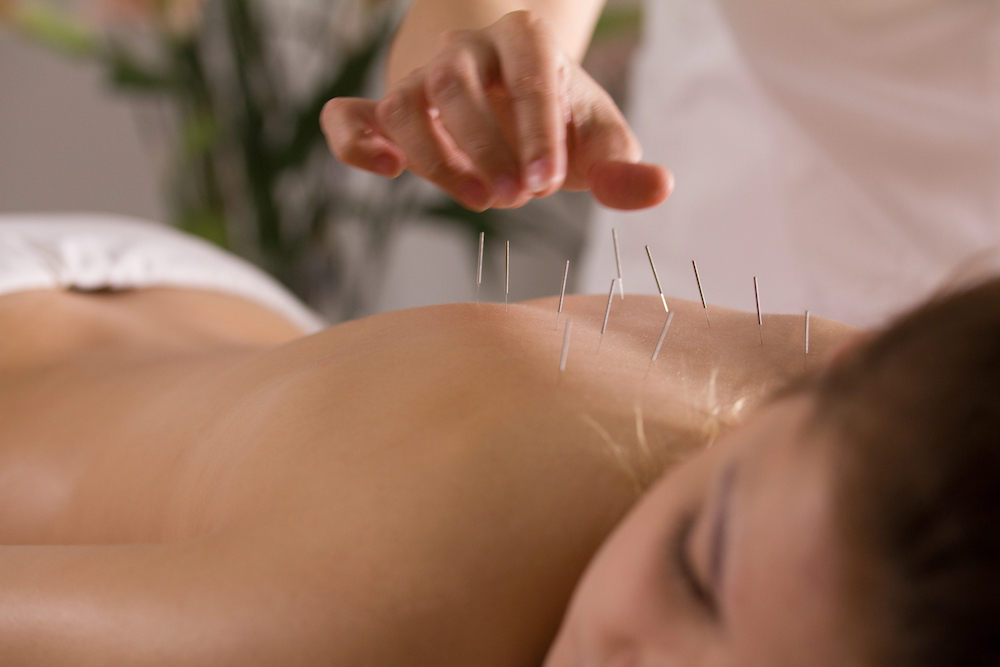
- Thin, sterile needles are gently inserted into specific points
- Needles remain in place for a set time (often 20–30 minutes)
These points are selected based on traditional Chinese medicine principles and modern integrative practice approaches.
The goal is to support the body’s regulatory and relaxation response systems.
3. After treatment
After your session, your practitioner may:
- Discuss response to treatment
- Recommend follow-up frequency
- Adjust points based on cycle timing
- Suggest lifestyle or stress-support strategies
Most people require multiple sessions over time for potential benefits.
What does the evidence actually say? (The balanced view)
To keep things honest and helpful:
What has stronger evidence
- Stress reduction and relaxation response
- Improved wellbeing during fertility treatment
- Potential hormonal regulation effects
What has mixed or limited evidence
- Increased natural conception rates
- IVF success rate improvements (results vary across studies)
- Long-term fertility outcomes
Australian integrative medicine perspectives, including those aligned with Integrative Medicine, generally position acupuncture as supportive rather than curative.
Simple evidence summary
| Outcome | Strength of Evidence | What it means in real life |
|---|---|---|
| Stress reduction | Moderate–strong | Many parents feel calmer and more regulated |
| Hormonal regulation | Moderate | Possible support, not guaranteed |
| IVF outcomes | Mixed | Depends on timing and protocol |
| Natural conception | Limited | More research needed |
A grounded perspective (what Australian clinicians emphasise)
Australian fertility professionals generally agree on one key point:
Acupuncture may be a helpful supportive therapy, but it should not replace medical fertility investigation or treatment.
It is most commonly used alongside:
- Fertility blood tests
- Ovulation tracking
- IVF or assisted reproductive technologies
- Nutritional and lifestyle support
This is why it is often described as part of an integrated fertility care approach, rather than a standalone solution.
When should you seek medical advice?
It’s important to speak with a GP or fertility specialist if:
- You are under 35 and have been trying for 12 months without success
- You are over 35 and have been trying for 6 months
- You have irregular cycles or known reproductive conditions
- You are undergoing IVF or fertility treatment
Acupuncture can sit alongside this care, but should not delay medical assessment.
Final thoughts (from one parent to another)
If you’re in the middle of your fertility journey, it can feel like you’re constantly trying to make the “right” choice.
What many parents find reassuring is this:
There is no single pathway.
Acupuncture may not be a guaranteed solution—but for some people, it becomes a supportive space to:
- Slow down
- Reduce stress
- Reconnect with their body
- Feel emotionally supported during a very uncertain time
And sometimes, that alone can make the journey feel more manageable.
Book your fertility acupuncture consultation
At Floralia Wellness, your health and fertility journey is their priority. Their practitioners provide evidence-informed acupuncture support tailored to your individual needs.
If you’re exploring whether acupuncture could be part of your fertility plan, a consultation can help you understand what is appropriate for your situation—without pressure, and with clarity.
References (Australia-based context)
- Fertility Society of Australia and New Zealand – Clinical guidance on fertility treatment pathways and complementary therapies
- Jean Hailes for Women’s Health – Women’s reproductive health and wellbeing resources
- NHMRC – Evidence standards for clinical health interventions in Australia
- Chinese Medicine Board of Australia – Practitioner regulation, safety standards, and acupuncture practice guidelines
- Integrative Medicine – Clinical framework used in Australian integrative fertility care
- Australian Journal of Acupuncture and Chinese Medicine – Research on acupuncture outcomes and reproductive health (peer-reviewed Australian publication)
Book your fertility acupuncture treatment today
While there isn’t much evidence, acupuncture can be helpful while you are trying to conceive, relieving stress from your life. At Floralia Wellness, your health and fertility journey is their priority, and their specialist practitioners provide acupuncture to help with fertility. Book a consultation to learn about their fertility acupuncture treatments.