
kiddi
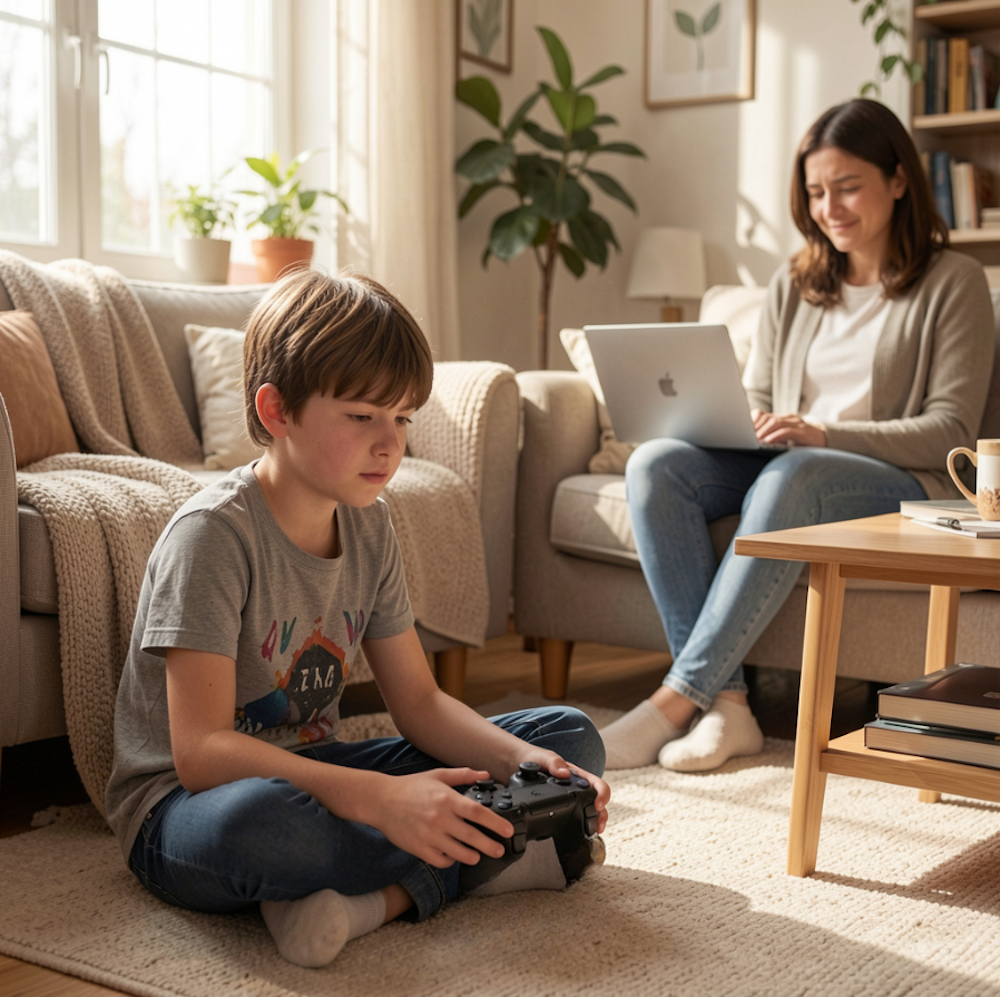
When the rain rolls in, tablets and phones become the default babysitter. How much time does your child spend online at home? The New South Wales government recommends that children aged 5-17 years limit daily “sedentary recreational” screen time to two hours. For children aged 2-5, the suggested limit is just one hour per day.
But managing your child’s screen time and the content they access can be tough. You’re busy, you have a household to run, and you can’t be everywhere at once. Here in Australia, children younger than 16 are now banned from using any social media platforms. Yet even if your kids are only unsupervised for two minutes, they can still accidentally find content they shouldn’t see.
Fortunately, there is a range of tools and techniques to keep your children safe.
Help Your Children Discover Other Interests
Letting young children play mobile games or watch movies on a tablet is an easy way to keep them entertained. If you have chores to do, you can rely on a device to keep your kids quiet for a while.
But if you want your children to spend less time on screens, especially when unsupervised, encourage them to try new activities.
- Playing board games
- Building blanket forts or indoor obstacle courses
- Taking up sports
- Crafting
- Reading comic books or YA novels
- Solving puzzles
Your kids may only like one or two of these ideas, or even none of them — and that’s fine. The important step is to help them find new ways to have fun away from screens.
Monitor Your Children’s Screen Time
You can use various apps to track and control your children’s device use. Some apps allow for remote phone management, so you can help your kids stay safe from a distance. Use parental control apps to monitor how long your child dedicates to particular activities. A good app will show you if your child is playing mobile games more than you’d like. You can also limit the amount of time your children spend on the device or just certain apps.
Another practical tool is an adult site blocker. An adult site blocker automatically denies access to websites featuring unsafe material. This tool is quick and easy to set up across devices, and it won’t disrupt your child’s screen time.
For older children, be transparent when using parental control apps. Teens may feel that you’re invading their privacy or showing a lack of trust. Explain that your goal is to help them stay safe and that you’re monitoring your own device use too.
Lead by Example
How long do you spend on social media apps or browsing websites on your phone? If you do it just as much as your child, or even more, it might be time for a change. Your kids may see you looking at screens for hours and assume it’s okay for them to do the same.
What can you do to inspire change?
- Give yourself a screen-time limit
- Read or craft regularly to encourage new activities
- Set a no-screen rule during family time
- Introduce new family hobbies, such as game nights and sports
If you adjust your own behaviour, you can encourage your children to spend less time on devices.
Discuss the Risks of Screen Time
Be open about the possible dangers your children might face online. This approach may be easier if you have teenage kids, as they’ll have a better understanding of harmful content.
But even if your children are younger, you can still make them aware that they need to be careful online. For example, after a rainy Saturday spent mostly indoors, ask your child what they watched or played. Listen without judging. If something concerns you, be tactful and explain that some content will upset them. If they believe certain sites or apps could make screen time less enjoyable, kids might try harder to avoid them.
The Australian eSafety Commissioner offers age-appropriate guides for talking to children about online safety. These resources can help you find the right words for different age groups.
Creating Safer Screen Time for Your Children
The next time rain keeps your family indoors, you don’t need to dread the screen-time battle. Instead, use reliable tools to monitor and manage your children’s screen time to help them stay safe.
And try to introduce them to new hobbies and activities, whether indoors or outdoors. Exploring new experiences together as a family may create positive changes for you all.