
Connected Parenting
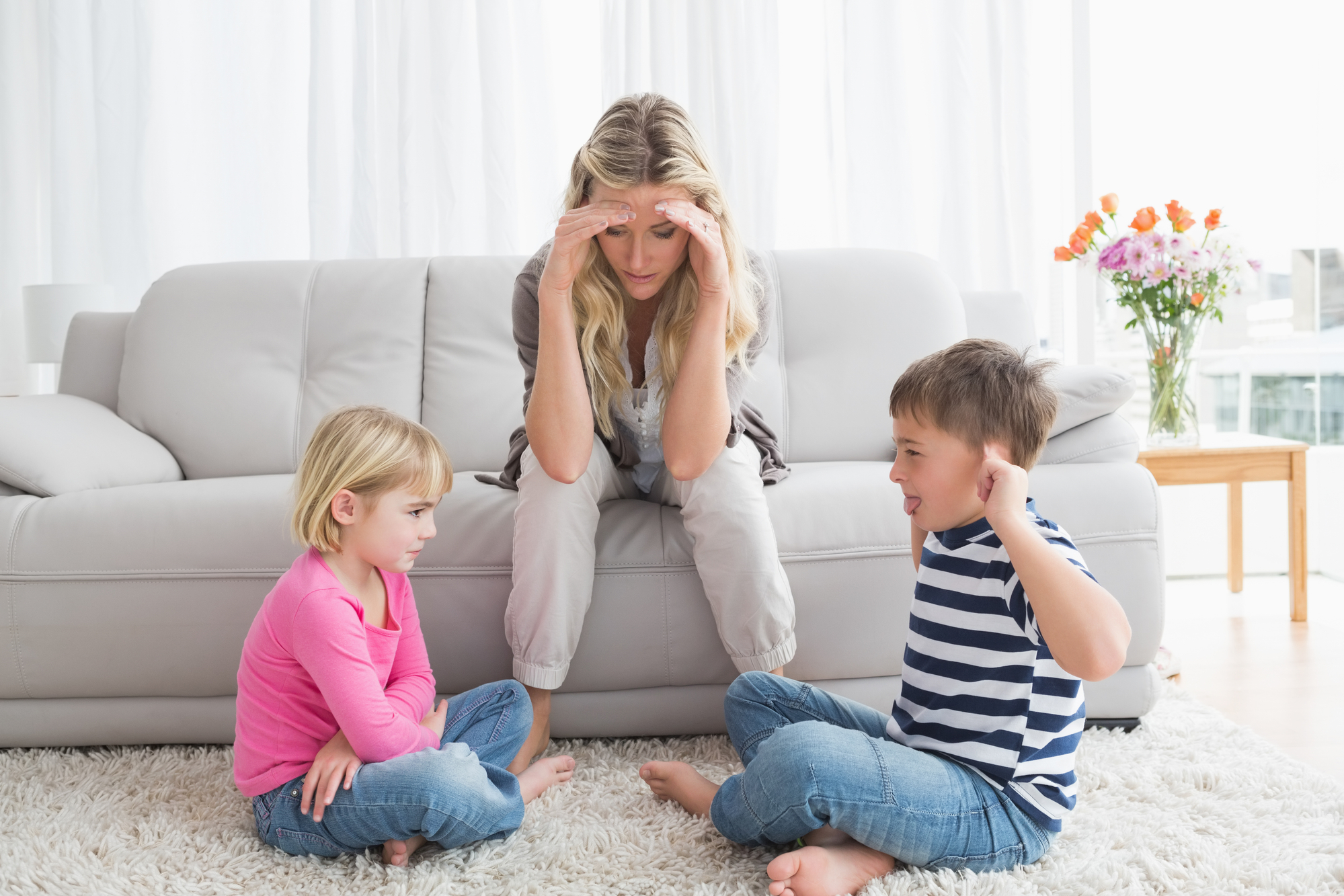
Most parents will be familiar with the sound of siblings fighting, bickering, and squabbling; it often fills us with dread and we all want nothing more than for our kids to just get along!
One of the greatest hopes many parents have is for their children to be friends. Beyond not enjoying the sound of screaming & bickering on a day-to-day basis, many parents share a deeper hope that the humans they’re raising will one day be friends who will be there for each other.
For many parents, children not getting along triggers worry deep in us that they may never get along. It can lead to a situation where we react in a knee-jerk, and sometimes loud manner – we may yell and punish the offending child, and often they’ll yell back.
The way we react to siblings fighting matters. A LOT. Here are my top five tips for changing the way we respond to fighting and therefore how we can change the GAME when it comes to sibling struggles:
1. Welcome conflict – and step out of the middle
Conflict is how our children learn about power and negotiation. It’s healthy.
Often we are just too involved and reactive. When we overreact, the one thing we guarantee is that they will do it again. Kids seek out our reactions, whether positive or negative – so yelling will lead to more of the same.
Next time your children come running to you with a conflict, try saying:
“Wow, it sounds like you guys have a big problem. I wonder how you can solve it?”
When you hear your kids tussling over a toy, try to sit back and watch, ready to step in but willing to see how they sort it out themselves. Kids can be very good at sorting out conflicts when they stop looking for us to step in.
The less we step in, the less our kids request our involvement in their fights.
2. Be a commentator, not a referee
When siblings need more support, the trick is being a commentator (who sets a few ground rules) rather than a referee.
When we have basic rules (e.g., no hitting, no snatching), our kids are free to have healthy, noisy conflicts as long as they don’t break the ground rules.
Our role is clear: when the ground rules get broken, we set a boundary:
“I can’t let you hit.”
Outside of this, our role as a commentator is simply naming what we see:
“Oh wow, you both want the yellow block, but we only have one… I wonder what you guys are going to do?”
Observations can engage even the most stubborn child to come up with a solution.
“She gets more than me every time,” can be met with:
“You feel like your sister is always getting more than you are, and that’s upsetting you.”
Commentate without judgement and resist the urge to solve the problem.
3. Know that it nearly always takes two to tango
Sometimes it seems like one child is targeting the other, but coming in neutrally can help kids feel seen and heard.
When we are neutral and wonder out loud about what went wrong, it allows both kids to learn how to avoid conflict in the future.
4. Start with the connection
Connection often requires getting close and providing support, such as a hug for both kids.
It means tuning in to why things went wrong and being there as your kids navigate their feelings.
5. Welcome the feelings
We often dislike when our kids are angry, jealous, or sad, especially when directed at a sibling.
The way our own parents handled sibling struggles in our family of origin influences our reactions.
The bottom line: when we welcome all the feelings our kids have about their sibling, it helps them process emotions and build resilience.
……….
Sibling struggles are healthy and very normal. Getting comfortable with that will ease the discomfort you might experience when they’re at each other.
If it feels like sibling fights are dominating your home or family, remember that the way we respond as parents will either calm fear and build connection, or fuel the fire and intensify feelings of jealousy.
Gen Muir is an Obstetric Social Worker, Parenting coach, and mum to four boys with a passion for helping parents in to understand behaviour and emotion in kids.
With the experience of working with over 40,000 parents though her work at the Mater and privately, Gen has a great understanding of the real challenges facing modern parents.
Website https://www.connectedparenting.com.au/
Instagram https://www.instagram.com/connectedparentingau/?hl=en
Facebook https://www.facebook.com/connectedparentinggenmuir