

The clocks go forward. Bedtime suddenly becomes a battle. 😴☀️
If your child is suddenly taking forever to settle, waking earlier than usual or becoming overtired and cranky, daylight saving could be playing a bigger role than you realise.
With the clocks moving forward on Sunday 4 October, that lost hour can disrupt more than your schedule. It can affect your child’s body clock, sleep routine, mood and ability to settle — especially when it’s still light outside at bedtime.
So how do you help your little one adjust without turning every evening into a battle?
From sleep debt and circadian rhythms to sunlight, bedtime routines and practical strategies that actually help, discover what the science says and how to make the daylight saving transition easier for the whole family. 🌙💛
Because when the kids sleep better, everyone feels the difference.
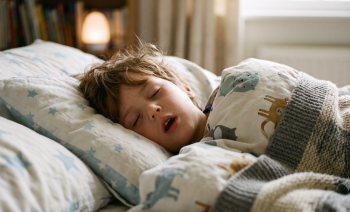
Does your child snore? 👀💙
That little snore might sound cute… but could it be telling you something more?
Many parents have captured those adorable moments of their child snoring peacefully — but regular snoring is something worth paying attention to.
Learn why childhood snoring happens, when it may signal sleep apnoea, the warning signs to watch for, and when to seek medical advice.
A child’s sleep is the foundation for their growth, brain development, emotional wellbeing, behaviour and learning. When breathing is disrupted during sleep, it can affect much more than just a good night’s rest.
Our latest article explores the causes of childhood snoring, the signs parents shouldn’t ignore, why sleep quality matters, and the steps you can take to support your child’s health and wellbeing.
Because every child deserves the chance to breathe easily, sleep deeply and wake ready to learn, grow and thrive. ❤️
👉 Read the full guide: Childhood Snoring: What Every Parent Needs To Know
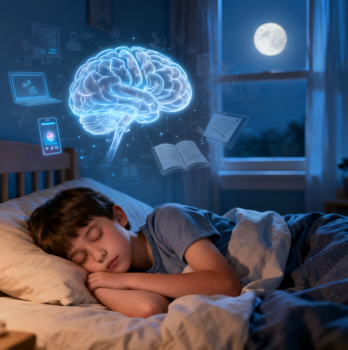
As a psychologist, I’m increasingly concerned about something quietly impacting our children’s behaviour, mood, motivation—and mental health. Sleep.
It’s often overlooked, yet sleep is where the brain develops, emotions regulate, and learning consolidates. When kids and teens aren’t getting enough, it’s not just tiredness we’re seeing—it’s anxiety, irritability, poor focus, and emotional overwhelm.
And teenagers? They’re not being “lazy.” Their biology is shifting, and most are operating in a constant sleep debt they can’t easily escape.
Before we label behaviour… it’s worth asking: are they actually getting enough sleep?
Read the full article to understand what’s really happening—and what parents can do.
Get parenting advice and support delivered right to your inbox
We'd love to hear what you think of the website, so we can continue to improve it . . . GIVE YOUR FEEDBACK >