
Kiddipedia
Remember being little and making mud pies, collecting leaves, picking flowers or checking every day to see whether something you’d planted had finally grown? For many of us, some of our happiest childhood memories are tied to the outdoors. And while life might be a little busier for today’s families, there’s something wonderful about giving our children the chance to experience those simple pleasures for themselves.
Gardening with children doesn’t need to be complicated, picture-perfect or particularly organised. In fact, it will probably involve more dirt on the clothes than you planned, a watering can that’s emptied in record time and at least one little gardener asking, “Is it ready yet?” before anything has had a chance to grow!
But amongst the muddy knees, enthusiastic digging and occasional overwatering, children are learning some rather lovely lessons. They begin to understand that living things need care and attention, that plants can’t grow without water and sunlight, and that patience really does have its rewards. They discover that bees help flowers flourish, birds need places to feed and shelter, and a handful of seeds or a small plant can become something that brings life to the whole backyard.
There’s also a beautiful sense of pride that comes from watching a child care for something of their own. Whether it’s picking the first mandarin from a tree they’ve helped nurture, spotting a butterfly visiting their flowers or proudly showing everyone the plant they’ve remembered to water, these little moments can mean so much. And perhaps, without even realising it, we’re helping them develop a greater appreciation for nature, the environment and the precious resources we sometimes take for granted, particularly water.
The good news is you don’t need a sprawling backyard, green fingers or a weekend devoted to gardening to get started. A few pots on the patio, a sunny windowsill or a small patch of garden can be more than enough. The trick is choosing plants that are easy to grow, interesting for children to watch and forgiving of the occasional enthusiastic little gardener.
In this article, we’ll share four wonderful plants to grow with the kids this summer, each offering something a little different to discover, nurture and enjoy together.
Why Gardening With Children Is About More Than Growing Plants
There is something wonderfully grounding about getting children outside, giving them a little responsibility and letting them get their hands dirty.
A garden provides opportunities for children to explore, experiment, observe and learn at their own pace. They can see what happens when a seed is planted, how roots develop, why leaves change and what happens when a plant receives the care it needs.
Research published by the Australian Institute of Family Studies (AIFS) in its 2024 review, Nature Play and Child Wellbeing, examines the evidence surrounding children’s contact with nature and its relationship with social and emotional wellbeing.
The review highlights how nature experiences can support children’s opportunities for exploration, discovery, creativity and positive interactions. It also acknowledges that the research varies in quality and that there isn’t a prescribed amount of nature play that guarantees particular benefits.
What makes gardening particularly appealing is that these experiences can happen in an ordinary family backyard, on a balcony or even beside a sunny windowsill.
Children don’t need an elaborate garden or expensive equipment. A few pots, a small garden bed or a single fruit tree can provide plenty of opportunities to learn.
How gardening supports children’s development
Gardening brings together several experiences that are important during childhood.
Sensory development: Soil has a different texture to sand, leaves feel different from flowers, and herbs have distinctive smells. These everyday experiences allow children to explore their surroundings using touch, sight, smell and sometimes taste, with appropriate adult supervision.
Curiosity and discovery: Why are some leaves green while others are purple? Why do flowers appear before fruit? Where do worms go when the soil dries out? Gardening naturally encourages children to ask questions and investigate the answers.
Problem-solving: When a plant isn’t growing well, children can begin to consider what might be happening. Does it need more sunlight? Is the soil too wet? Has something been eating its leaves?
Physical development: Digging, carrying small watering cans, planting seedlings and handling suitable garden tools involve movement and coordination.
Emotional development: Watching something grow can encourage patience, pride and a sense of achievement. Children also learn that not everything works out as planned, which creates gentle opportunities to talk about disappointment and trying again.
Connection with nature: Regularly spending time in a garden gives children the opportunity to become familiar with the plants, insects, birds and changing seasons around them.
These experiences don’t need to be formal lessons. Often, the most meaningful learning happens when a child is simply allowed to explore, get curious and discover something for themselves.
Teaching children to nurture and care for living things
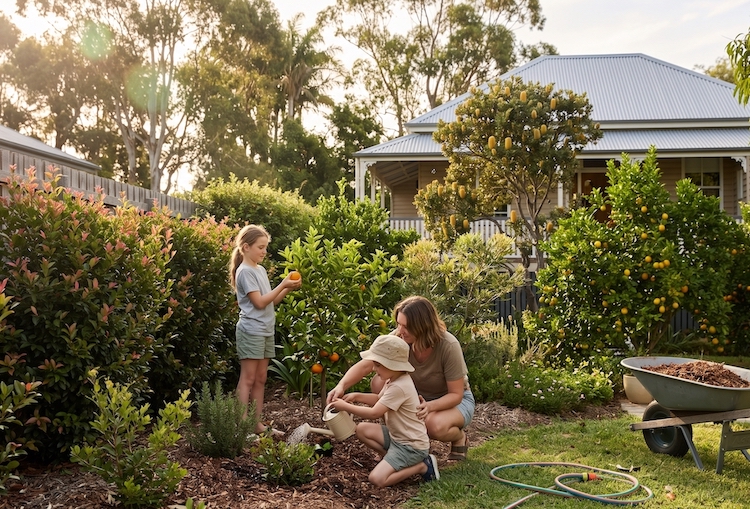
One of the loveliest lessons children can learn through gardening is that living things depend on care.
A plant might look perfectly healthy one day, only to droop when it hasn’t received enough water or lose its leaves when conditions aren’t right. Children can begin to recognise these changes and understand that plants have needs, just as people and animals do.
Rather than simply telling children to water a plant, involve them in noticing what it needs.
Does the soil feel dry? Are the leaves looking healthy? Has a new flower appeared? Can they see a tiny bud forming?
These small observations help children understand that caring for something involves paying attention, being gentle and responding to its needs.
It also creates an opportunity to talk about the importance of looking after other living things, including insects, birds, worms and the creatures that share our gardens.
Children might discover that a worm helps improve the soil, a bee visits flowers or a bird uses a shrub for shelter. Suddenly, the garden becomes much more than a collection of plants. It becomes a little ecosystem, with different living things depending on one another.
There are some wonderful lessons that can come from giving children a little responsibility:
- Responsibility: Learning that plants need regular attention and care.
- Patience: Understanding that growth takes time and cannot always be rushed.
- Empathy: Recognising that living things have needs and should be treated gently.
- Curiosity: Asking questions, making observations and discovering how nature works.
- Environmental awareness: Understanding that plants, insects, birds, soil and water are all connected.
The important thing is to give children opportunities to participate rather than expecting them to get everything right. A little spilled water, muddy hands or an occasionally forgotten watering day are all part of learning.
And if a plant doesn’t survive, don’t be too hard on yourself or your little gardener. It’s an opportunity to work out what happened, try something different and learn along the way.
Four Plants Worth Growing With the Kids This Summer
A lilly pilly hedge for hiding in
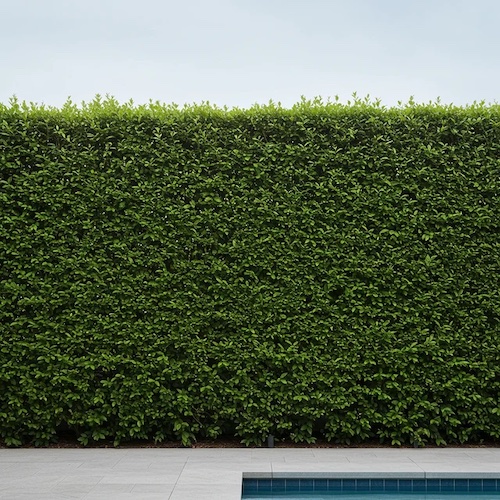
If the backyard needs a screen along the fence, a lilly pilly is the one to plant with children around. It grows fast, takes a hard prune, carries soft new leaves in pink and red, and sets small pink or purple berries that the birds squabble over. There are no thorns and no toxic sap. Plant them a metre apart, water them well through the first summer and they close into a wall a cricket ball can thump into. The lilly pilly range at https://nurserynearme.com.au/collections/lilly-pillys runs from dwarf forms for pots to tall screens.
What children can learn from a lilly pilly
A lilly pilly is a wonderful way to introduce children to the idea that plants provide more than greenery. As the hedge grows, it can offer birds food and shelter while creating a little habitat for wildlife right outside the back door.
Encourage children to look out for visiting birds and notice when the berries appear. They can also watch the new growth change colour as the plant develops.
It’s fascinating for little ones to discover that a garden hedge can become home to different creatures. What might look like an ordinary shrub to an adult can become a place of discovery for a child.
A simple garden activity: Become a backyard bird watcher
Give your child a small notebook and encourage them to record the birds they see visiting the hedge.
They could draw the birds, describe their colours, count how many visit or simply record when they appear.
BirdLife Australia recommends selecting plants that provide different food sources throughout the year, including nectar, berries, seeds and insects. A variety of locally suitable vegetation can help create more useful habitat for Australian birds.
One important reminder: children should never assume that berries growing on a garden plant are safe to eat. Always supervise young children and teach them to ask an adult before tasting anything from a plant.
A mandarin tree for picking
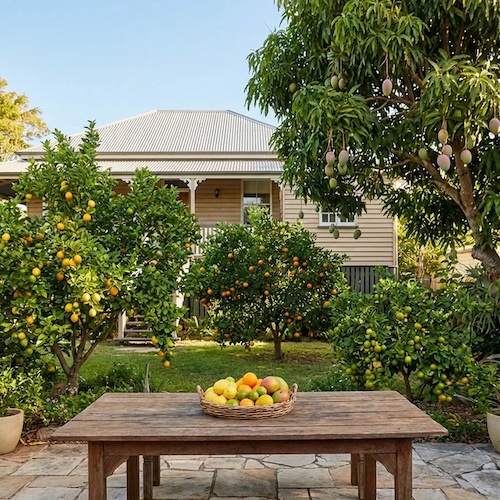
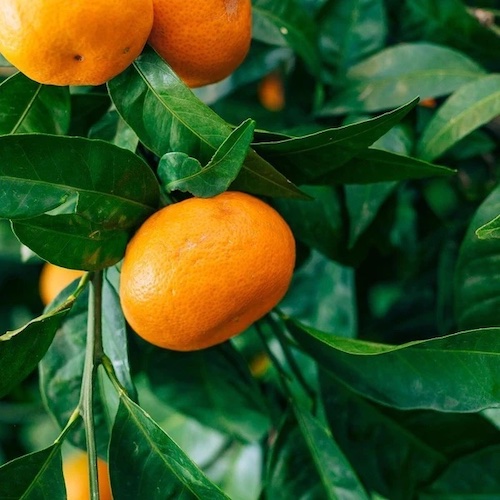
Nothing teaches patience like a fruit tree, and a mandarin is the kindest one to start with. A dwarf mandarin in a sunny spot or a large pot starts cropping within a couple of years, the fruit peels easily for small hands, and there is no sharper lesson in where food comes from. Mulch the root zone, keep the mower away from the trunk and feed it in spring. Mandarins, lemons, limes and mangoes are among the fruit trees at https://nurserynearme.com.au/collections/fruit-trees.
What children can learn from a mandarin tree
Growing a fruit tree is a lovely way to help children understand that food doesn’t simply appear on supermarket shelves.
They can follow the journey from flower to fruit, watch the mandarins gradually develop and discover that producing food takes time, favourable growing conditions and care.
It’s also a wonderful opportunity to introduce children to pollination.
Explain how flowers can be pollinated by insects, including bees, allowing fruit to develop. Children can watch for visiting insects and begin to understand why flowering plants and pollinators are important to food production.
As the fruit develops, they can observe how tiny green mandarins gradually grow and change colour.
The Australian Department of Agriculture’s citrus guidance explains that water requirements vary according to factors such as tree size, growth stage and environmental conditions. This is a useful reminder that even fruit trees need their watering needs considered carefully, particularly during hot weather.
A simple garden activity: From flower to fruit
Take photographs or draw pictures of the mandarin tree at different stages.
Encourage your child to record:
- When the first flowers appear.
- Whether bees or other insects visit.
- When tiny fruit begins to develop.
- How the fruit changes as it grows.
- When the mandarins are ready to pick.
When harvest time finally arrives, let them help pick the fruit.
Talk about how much effort has gone into growing it and why it is important not to waste food.
You could even make a fresh fruit salad together using some of the mandarins they’ve helped grow. There’s something rather special about eating something you’ve watched develop from a tiny flower.
An indoor plant for the bedroom
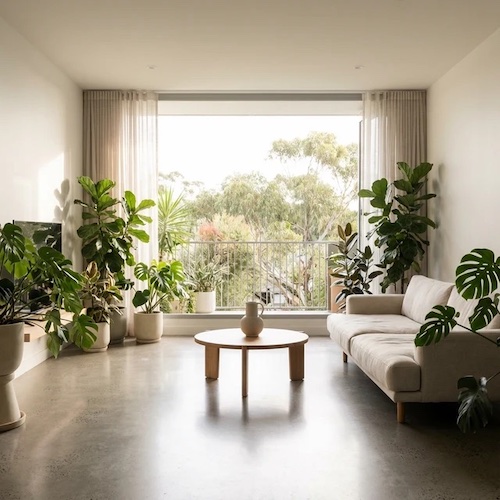
A plant on a child’s desk or windowsill is a small daily job that builds a habit. Choose one that copes with uneven watering and low light, and check it is safe around children and pets: a spider plant, a Boston fern, a parlour palm or a calathea all do well. Let the child name it and own the watering can. The indoor range at https://nurserynearme.com.au/collections/indoor-plants includes a section of plants that are safe around pets, which is the list to shop from for a child’s room.
What children can learn from an indoor plant
An indoor plant can become a child’s very own responsibility.
Give it a name, choose a special spot and let your child help check its leaves and soil.
It’s a simple way to introduce the idea that plants need different things depending on where they grow. Some prefer bright indirect light, others tolerate lower-light conditions, and watering needs can vary depending on the plant, pot and temperature.
Children can also learn that more water isn’t necessarily better.
Plants need water, but their roots also need oxygen. When soil remains waterlogged, roots can become damaged, making it difficult for the plant to absorb what it needs.
This is a lovely opportunity to teach children to check the soil before reaching for the watering can rather than automatically watering every day.
You can also introduce the science of photosynthesis in a simple way.
Explain that plants use energy from sunlight to help turn water and carbon dioxide into sugars that support their growth. Their leaves play an important role in this process.
You don’t need to explain every scientific detail to a preschooler. Simply showing them how a plant responds to light and grows new leaves is a wonderful starting point.
A simple garden activity: Keep a plant diary
Give your child a small notebook and encourage them to draw their plant each week.
They can record:
- How many leaves it has.
- Whether new leaves are appearing.
- How tall the plant is.
- When the soil needs watering.
- Whether the plant is receiving enough light.
Over time, they’ll begin to notice changes and develop an understanding of how plants grow.
A little safety reminder: Not every attractive indoor plant is suitable for a child’s bedroom. Some common household plants can cause irritation or poisoning if touched or swallowed. NSW Health’s Children’s Hospital Network identifies plants such as peace lilies, caladiums and devil’s ivy as examples that can cause problems. Always check the exact plant species, keep potentially harmful plants out of reach and teach children never to eat leaves, flowers or berries.
A patch of natives for the birds
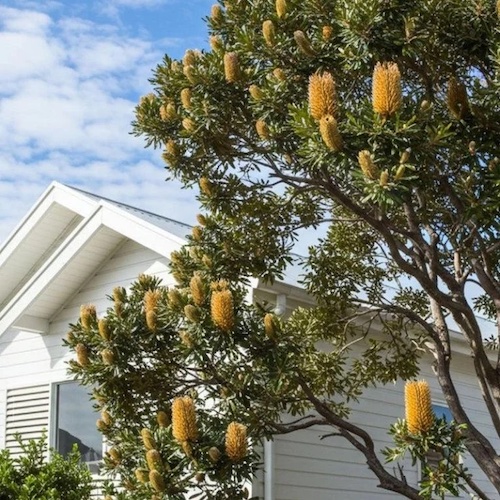
A corner of native plants is the cheapest nature lesson there is. A grevillea, a bottlebrush and a couple of tufts of lomandra bring honeyeaters, wattlebirds and blue banded bees into the yard within a season, need almost no water once they settle, and give a child something to watch from the kitchen window. Buy them as tubestock, plant a dozen at once and let the kids do the mulching. The Australian natives at https://nurserynearme.com.au/collections/australian-natives are grown by Australian production nurseries and sorted by state and climate.
Plant in the cooler part of the day, mulch everything, and hand over the hose. The garden that a child helped plant is the one they will still talk about in twenty years.
What children can learn from Australian native plants
A native garden is a wonderful introduction to Australia’s unique biodiversity and the importance of protecting our wildlife.
Children can learn that different plants provide different resources. Some produce nectar for honeyeaters, others provide berries, seeds, insects or shelter. A garden with a variety of suitable plants can support a wider range of local wildlife.
BirdLife Australia recommends choosing plants that naturally grow in your local area wherever possible. Local native plants are generally better suited to local conditions and can provide food and habitat for the birds that belong there.
This is an important distinction for Australian families. A plant may be native to Australia without necessarily being indigenous to your particular region.
For example, a plant that grows naturally in tropical Queensland may not be the most suitable choice for a cool Victorian garden.
Choosing locally appropriate species helps support the wildlife and environmental conditions of your area.
A simple garden activity: Create a backyard biodiversity checklist
Give children a little bird-watching and nature challenge.
How many different birds can they spot? Which plants are the birds visiting? Can they see a bee collecting nectar or an insect hiding among the leaves?
They could record their discoveries over a week or a month and see whether different visitors appear as the garden changes.
It’s also an opportunity to explain why insects shouldn’t automatically be considered pests. Many are important parts of healthy ecosystems.
Children can learn to observe bees, butterflies and other insects without disturbing or harming them.
Don’t Be a Wally With Water: Teaching Children to Value Our Most Precious Resource
There is another important lesson that belongs alongside growing plants: learning to appreciate water.
For many children, turning on a tap is something they do without giving it much thought. Water comes out, the glass fills, the garden gets watered and the tap is turned off.
But understanding where water comes from, how it is collected and why we should avoid wasting it is an important part of raising environmentally aware children.
And for parents who grew up in the 1980s, there is a familiar Australian reminder that is worth bringing back.
Don’t be a Wally with Water!
Following the drought of 1982–83, Melbourne’s water conservation messaging took on a memorable new face.
Melbourne Water’s historical record identifies 1984 as the year the Don’t Be a Wally with Water advertising campaign helped change attitudes towards wasting water. The campaign became part of a broader shift in household water conservation, alongside the introduction of compulsory dual-flush toilets for new toilets.
For many Victorian parents, Wally is a familiar reminder of growing up in a time when conserving water was part of everyday household conversation.
And it’s a message worth passing on.
Water conservation isn’t simply about turning off a tap. It’s about helping children understand that water is a valuable resource, that rainfall isn’t always predictable and that the way we use water at home makes a difference.
Rather than simply telling children not to leave the tap running, parents can use everyday gardening activities to explain why water matters.
Helping children understand where water comes from
A garden provides a practical way to demonstrate how water supports life.
Explain that plants absorb water through their roots and use it as part of the process that allows them to grow.
Without enough water, plants can wilt, struggle to develop and eventually die.
Children can see this for themselves when they compare dry soil with moist soil or observe how a plant responds after being watered.
It’s also a chance to explain the water cycle.
Rainwater doesn’t simply appear out of nowhere. Water evaporates from oceans, rivers, lakes and other surfaces, rises into the atmosphere, cools and forms clouds before eventually returning to the ground as precipitation.
Some of that water flows into rivers and reservoirs, some soaks into the ground, and some can be collected and stored for later use.
The important lesson is that although water moves through a natural cycle, accessible freshwater is a valuable resource that needs to be managed carefully.
Australia experiences highly variable rainfall. Some regions experience extended dry periods, while others receive substantial rainfall. This means water availability and household water-saving needs can differ significantly depending on where a family lives.
Introduce children to water tanks and rainwater harvesting
If your home has a rainwater tank, involve the children in understanding how it works.
Explain how rain falls onto the roof, travels through the gutters and downpipes, and is collected and stored in the tank for later use.
It is a simple but fascinating lesson in how we can collect and reuse a natural resource rather than relying entirely on treated mains water for every household task.
Children can learn that rainwater can be used for watering gardens, washing cars and, where the system is appropriately connected and the water quality is suitable, other household purposes such as flushing toilets and washing clothes.
The Australian Government’s YourHome resource explains that rainwater tanks can provide an alternative household water supply, reduce reliance on mains water and support garden irrigation. It also highlights the importance of choosing an appropriate tank size, maintaining the system and ensuring it is correctly installed.
A particularly interesting fact for children is that one millimetre of rainfall falling on one square metre of roof can produce approximately one litre of water, before allowing for collection losses.
This makes a great little maths activity.
Imagine explaining to a child that a decent rainfall over the roof could collect hundreds or even thousands of litres of water!
For children, this can make water conservation much easier to understand. They can see that rainwater is collected, stored and used thoughtfully rather than simply disappearing down the drain.
A few simple activities can help bring the lesson to life:
- Watch the rain: Next time it rains, show children how water travels from the roof into the gutters and towards the tank.
- Check the tank: Help them understand that the tank stores water for another day, particularly when rainfall is limited.
- Use a watering can: Let children collect an appropriate amount of tank water and water the plants that need it.
- Measure the water: Use a small watering can or measuring jug to show children how much water different plants receive.
- Talk about water use: Explain why we don’t leave hoses running or use more water than the garden needs.
Always supervise children around tanks, pumps and outdoor water equipment, and ensure tanks have secure lids and appropriate safety measures.
Simple ways to teach children not to waste water
The best water-saving habits are often the ones children can practise themselves.
Rather than making water conservation feel like another household rule, turn it into a family activity. Explain why each action matters and encourage children to become part of the solution.
Try these simple habits:
- Turn off the tap while brushing teeth.
- Use a watering can instead of leaving a hose running.
- Water plants at cooler times of the day to reduce evaporation.
- Give plants a thorough drink when they need it rather than repeatedly sprinkling the surface.
- Use mulch to help soil retain moisture.
- Collect suitable rainwater for garden use.
- Avoid watering paths, driveways and areas that don’t need it.
- Check the soil before watering so plants aren’t given water unnecessarily.
The Australian Government’s YourHome guidance recommends selecting plants suited to local conditions, grouping plants with similar water needs, using mulch and watering deeply and less frequently where appropriate.
It also explains that outdoor water use can account for around 40% of household water consumption, although this varies between households.
These are simple habits, but they help children understand that conserving water doesn’t mean going without. It means using it thoughtfully and appreciating its value.
Why mulch is one of the garden’s best water-saving helpers
Mulching is one of the easiest ways to introduce children to practical water conservation.
Explain that mulch is a protective layer placed over the soil. It can be made from materials such as bark, woodchips, leaves and other suitable organic matter.
It helps reduce evaporation, keeps soil temperatures more stable and can suppress weeds.
In other words, it helps the soil hold on to moisture for longer.
YourHome recommends mulch as an important element of water-efficient garden design and provides guidance on suitable application depths and keeping organic mulch away from woody stems and trunks.
A simple activity: Ask children to look at two similar areas of soil, one covered with mulch and one uncovered. After watering both, observe how they change as the weather warms.
Explain that mulch helps protect the soil and reduces how quickly moisture escapes.
It’s a simple demonstration that can make a rather grown-up gardening concept easy for little ones to understand.
It’s What’s Underneath That Counts: Teaching Children About Healthy Soil
We often focus on what we can see above the ground, but some of the most important activity in a garden happens underneath it.
Soil isn’t simply dirt. It’s a complex environment containing mineral particles, organic matter, water, air and living organisms.
Healthy soil helps plants establish roots, access nutrients and obtain the water they need.
It’s also home to an enormous variety of organisms, many of which are too small to see.
Why worms are so important
Few things seem to delight young children quite like discovering a worm in the garden.
While adults might not always share the same enthusiasm, worms play an important role in many soil environments.
As earthworms move through the soil, they help mix organic material and create channels that can improve soil structure and water movement.
They also contribute to the breakdown of organic material, helping nutrients become available within the soil ecosystem.
Explain to children that worms aren’t just little creatures living underground. They’re part of the natural processes that help keep soil healthy.
Encourage children to observe worms gently, return them to suitable moist soil and avoid leaving them exposed to the sun.
Introduce children to composting
Composting is another wonderful way to show children how nature recycles.
Fruit and vegetable scraps, suitable garden waste and other organic materials can be broken down into compost under the right conditions.
Over time, this creates material that can be added to garden soil.
Children can learn that something which might otherwise be thrown away can become a useful resource for growing plants.
It’s also an opportunity to introduce the idea of reducing household waste.
Depending on the composting system, suitable materials can include:
- Fruit and vegetable scraps.
- Dry leaves.
- Small amounts of untreated garden clippings.
- Shredded untreated cardboard.
- Suitable plant material.
Meat, dairy and oily foods generally aren’t appropriate for a conventional backyard compost bin, although some specialised systems can handle different materials.
A simple activity: Give children a small container for suitable fruit and vegetable scraps and let them help add them to the family compost bin. They can observe how the material changes over time and learn how compost eventually returns nutrients to the garden.
Growing Together: Why Gardening Creates Lasting Family Memories
Sometimes the best part of gardening has very little to do with the plants themselves.
It’s the time spent together.
It’s the toddler who insists on watering the same plant three times, the child who checks the mandarin tree every morning to see whether the fruit is ready, or the proud little gardener who announces that their plant has grown a new leaf.
These are the everyday experiences that can become treasured childhood memories.
Gardening also gives parents and children a chance to spend time together without needing to organise an expensive outing or plan an elaborate activity.
You can chat while planting, laugh over muddy shoes, watch the birds or simply sit outside and enjoy the garden.
The Australian Institute of Family Studies’ research on nature play and relationships highlights how shared nature experiences can create opportunities for meaningful interactions between children and family members. The research is still developing, but it offers an encouraging perspective on the value of spending time together outdoors.
And there’s another valuable lesson here: not everything grows perfectly.
Some seeds won’t germinate, some plants will struggle and some flowers might disappear before a child has had a chance to admire them.
Rather than seeing these moments as failures, use them as opportunities to talk about what plants need and what might be done differently next time.
Children don’t need a perfect garden. They need the opportunity to be involved, to experiment and to discover.
Little Gardeners, Big Discoveries: Activities for Every Age
Children can become involved in gardening at different ages, although their abilities and interests will naturally vary.
The key is to make activities enjoyable, manageable and safe.
Toddlers (1–3 years)
- Help water suitable plants with a small watering can.
- Explore different textures with adult supervision.
- Look for flowers, leaves and birds.
- Help fill pots with soil.
- Learn to handle plants gently.
Preschoolers (3–5 years)
- Help plant seedlings.
- Count seeds.
- Look for insects.
- Keep a simple plant diary.
- Learn about rainfall and watering.
- Identify different colours and shapes in the garden.
Primary school children (6–12 years)
- Measure plant growth.
- Learn about photosynthesis.
- Help with composting.
- Measure water usage.
- Investigate pollination.
- Plan a small garden bed.
- Research plants suitable for the local climate.
Children don’t need to master every activity. Let them choose what interests them and allow their confidence to develop naturally.
No Backyard? No Problem! Growing Plants in Small Spaces
Not every Australian family has a large backyard, and some live in apartments, townhouses or rental properties.
The lovely thing about gardening is that you don’t need a big garden to get started.
A few pots on a balcony, a small herb garden or an indoor plant on a windowsill can provide just as many opportunities for children to learn about nature.
Consider:
- Container gardens: Grow herbs, flowers or suitable dwarf fruit varieties in pots.
- Balcony gardens: Use suitable containers and planters, taking account of weight, drainage and building rules.
- Windowsill gardens: Grow suitable herbs or maintain a small indoor plant collection.
- Vertical gardens: Make use of wall-mounted planters where safe and permitted.
- Community gardens: Explore whether your local council or community has a shared gardening space.
- Portable planters: A useful option for families renting who want to take their garden with them when they move.
Even growing a small pot of herbs can introduce children to the excitement of watching something develop and eventually using it in a family meal.
Understanding Australia’s Seasons and Choosing the Right Plants
Australia is a large country with very different climates, and what grows beautifully in one region may struggle in another.
Some areas experience tropical wet and dry seasons, others have hot, dry summers, while southern regions can experience frost and much cooler winters.
This means it’s important to choose plants that suit your local conditions.
Consider:
- How much sunlight your garden receives.
- Whether your area experiences frost.
- How hot your summers become.
- How much rainfall your region receives.
- Your soil type and drainage.
- The water requirements of each plant.
The Bureau of Meteorology explains that Australia’s climate includes tropical, desert, alpine and temperate environments, and that Aboriginal and Torres Strait Islander seasonal calendars reflect local environmental patterns that don’t always fit the conventional four-season model.
The Bureau’s Indigenous seasonal calendars are particularly interesting because they demonstrate how different communities have observed changes in plants, animals, rainfall and weather over generations.
This can become another wonderful learning opportunity for children.
Rather than simply looking at a calendar to decide when to plant, encourage them to notice what’s happening around them. Are flowers appearing? Are birds becoming more active? Has the weather changed? Are certain plants beginning to fruit?
These observations help children understand that nature follows patterns, even when those patterns differ between regions.
A Little Garden Safety: What Parents Should Know
Gardening should be an enjoyable experience, but a family-friendly garden also needs a little planning.
Before introducing children to new plants, check their suitability, particularly if you have toddlers, young children or pets.
Check plant toxicity
Not all plants are safe to touch or eat.
Some can cause skin irritation, while others can be poisonous if swallowed. Attractive berries and colourful flowers can be particularly tempting to curious little ones.
NSW Health’s Children’s Hospital Network provides an Australian factsheet identifying common poisonous and harmful plants, including oleander, foxglove, castor oil plant and certain plants containing oxalate crystals.
A few sensible precautions include:
- Check the exact species before planting.
- Teach children never to eat unidentified plants, leaves, flowers or berries.
- Keep potentially harmful plants out of reach.
- Supervise young children around garden beds.
- Wash hands after gardening.
- Avoid allowing children to handle unknown fungi or mushrooms.
If a child swallows a potentially poisonous plant, seek urgent advice from the Australian Poisons Information Centre on 13 11 26. If they have severe symptoms, including difficulty breathing or collapse, call 000.
Take care with gardening equipment
Young children should only use age-appropriate gardening tools under supervision.
Keep sharp tools, fertilisers, pesticides and other chemicals securely stored and out of reach.
Remember summer sun protection
Gardening in summer also provides a good opportunity to reinforce everyday sun safety.
Encourage children to wear:
- A broad-brimmed hat.
- Appropriate protective clothing.
- Sunscreen.
- Suitable footwear.
Choose cooler parts of the day for gardening and make sure children have access to drinking water and shade.
Be mindful around water tanks
Rainwater tanks are useful, but they need to be properly secured.
Children should never climb on tanks or play around pumps and other equipment without supervision. Ensure tank lids and access points are secure.
The Seven-Day Little Gardeners Challenge
Want to make gardening a little more exciting? Turn it into a seven-day family activity.
It doesn’t need to be complicated. Just a few minutes each day can help children discover something new about the natural world.
Day 1: Choose a plant
Let your child select a suitable plant and learn what it needs to grow.
Day 2: Explore the soil
Look at the soil, feel its texture and discover what lives in it.
Day 3: Learn about water
Check the soil and learn when a plant needs watering. Talk about why wasting water isn’t a good idea.
Day 4: Look for wildlife
Spend some time observing birds, bees and other garden visitors.
Day 5: Discover sunlight
Notice where sunlight falls and how plants respond to different light conditions.
Day 6: Learn about waste
Explore composting and how suitable organic material can return nutrients to the soil.
Day 7: Celebrate growth
Record what your child has discovered, celebrate their efforts and plan the next gardening activity.
The idea isn’t to create another chore or something parents have to keep up with perfectly. It’s simply a fun way to encourage children to spend time outdoors and develop an interest in the world around them.
A Little Care Today Can Grow Into Something Bigger Tomorrow
Gardening with children doesn’t have to be perfect. Some plants will flourish, others might struggle, and occasionally a seed won’t grow at all. That’s part of the experience.
What matters is giving children the opportunity to understand that living things need care, that nature is worth protecting and that even small actions can make a difference.
A plant they water each morning, a fruit tree they patiently wait to harvest or a native shrub that attracts the first visiting bird can become a lasting childhood memory.
And along the way, they might learn a few lessons that stay with them long after the garden has grown: to be gentle with living things, to appreciate where their food comes from, to respect water and never take the natural world for granted.
Plant in the cooler part of the day, mulch everything, and hand over the hose. The garden that a child helped plant is the one they will still talk about in twenty years.
Australian Research and References
The following Australian sources underpin the developmental, environmental, horticultural and water-conservation information in this article.
Children’s development and nature play
- Australian Institute of Family Studies (2024). Nature Play and Child Wellbeing.
https://aifs.gov.au/resources/policy-and-practice-papers/nature-play-and-child-wellbeing - Australian Institute of Family Studies. Can Nature Play Support Children’s Relationships With Family and Peers?
https://aifs.gov.au/resources/short-articles/can-nature-play-support-childrens-relationships-family-and-peers
Water conservation and rainwater harvesting
- Melbourne Water. History of Our Water Supply System – historical information about the 1984 Don’t Be a Wally with Water campaign.
https://www.melbournewater.com.au/learn-about/melbournes-history/history-our-water-supply-system - Australian Government, YourHome. Outdoor Water Use.
https://www.yourhome.gov.au/water/outdoor-water-use - Australian Government, YourHome. Rainwater.
https://www.yourhome.gov.au/water/rainwater
Biodiversity and Australian native plants
- BirdLife Australia. Creating a Bird-Friendly Garden.
https://birdlife.org.au/discover-birds/birds-in-your-backyard/bird-friendly-garden/
Australian gardening and horticulture
- Agriculture Victoria. Managing Citrus Orchards With Less Water.
https://agriculture.vic.gov.au/farm-management/water/irrigation/managing-with-less-water/citrus-orchards - Australian Government, YourHome. Outdoor Water Use – Soil, Mulch and Watering Guidance.
https://www.yourhome.gov.au/water/outdoor-water-use - Agriculture Victoria. Typical Supplementary Water Requirements for Gardens.
https://agriculture.vic.gov.au/support-and-resources/tools-and-calculators/farm-water-calculator/garden-use
Child and garden safety
- Sydney Children’s Hospitals Network, NSW Health. Poisonous or Harmful Plants and Children.
https://www.schn.health.nsw.gov.au/factsheets/poisonous-or-harmful-plants-and-children
Australian seasons and First Nations environmental knowledge
- Bureau of Meteorology. Indigenous Seasonal Calendars.
https://www.bom.gov.au/resources/indigenous-weather-knowledge/indigenous-seasonal-calendars - Bureau of Meteorology. Indigenous Culture and Seasonal Knowledge.
https://www.bom.gov.au/resources/indigenous-weather-knowledge/indigenous-culture-and-seasonal-knowledge