
kiddi
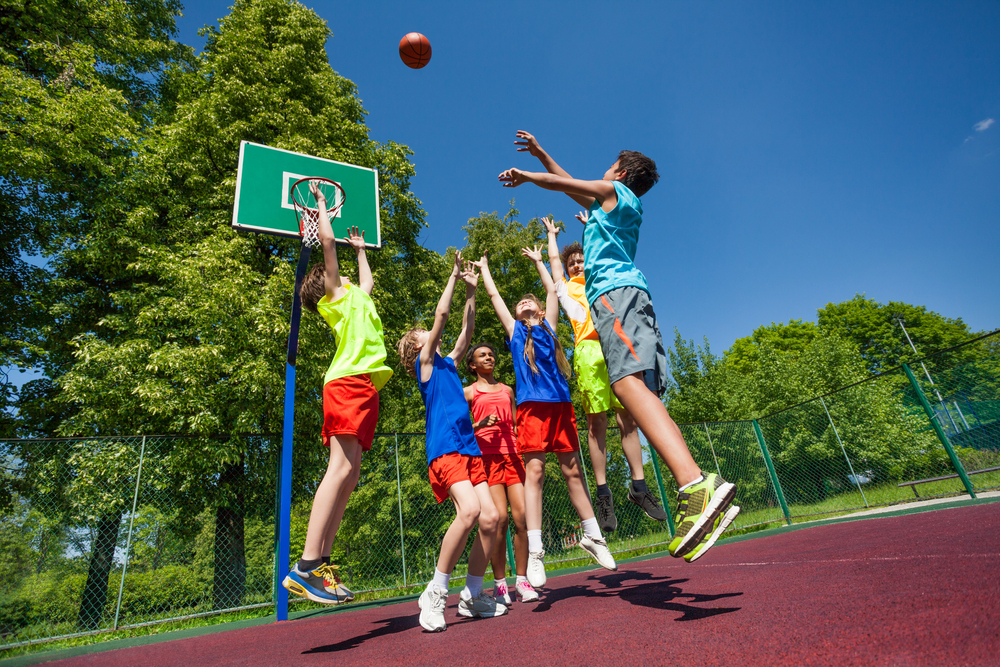
The pre-teen years are a crucial period of growth, marking a time when children begin to form a stronger sense of self. As they navigate new social dynamics and increasing academic demands, finding healthy outlets for their energy becomes essential. While we often praise the physical health benefits of staying active, team sports offer something equally valuable for this age group. They provide a unique environment where children can build the confidence and resilience they need to thrive during adolescence. By combining physical activity with social interaction, organised sports offer a holistic approach to child development, ensuring that young people are equipped to handle the myriad of changes they will face.
Fostering Confidence Through Skill Development
Confidence in children rarely appears overnight. It is usually the result of mastering new abilities and seeing their hard work pay off over time. Team sports offer a structured environment where pre-teens can set achievable goals and track their own progress. Whether it is learning how to pass a ball accurately or improving their overall coordination, these small victories create a strong foundation of self-belief. The repetitive nature of practice allows young athletes to see tangible improvements, reinforcing the idea that effort leads to success.
Parents can also play a supportive role in this process by helping their children practise foundational movements at home. For example, running through simple basketball drills for 10 year olds is an excellent way to improve a child’s hand-eye coordination and spatial awareness outside of a competitive match setting. When children put in this extra time to practise, they step onto the court feeling more prepared. This preparation naturally elevates their confidence in group situations, allowing them to participate more actively and take on leadership roles among their peers.
The Emotional Benefits of Getting Active
The psychological advantages of joining a team go far beyond the thrill of scoring a goal. Regular exercise is a proven mood booster, releasing endorphins that naturally combat the stress that often accompanies the pre-teen years. When children engage in structured physical activities, they are given a healthy, productive way to process their complicated feelings. Instead of internalising their worries, they can run, jump, and laugh them off in a supportive group setting.
This connection between movement and mental wellbeing is well documented by health experts. According to the Australian Government Department of Health and Aged Care, their guidelines for children and young people highlight that daily physical activity provides significant social and emotional benefits. These include better self-esteem and confidence, lower anxiety and stress, and stronger cooperation and teamwork skills. Sharing a common goal with peers creates a sense of belonging that is incredibly important for young people trying to find their place in the world.
Learning to Bounce Back from Setbacks
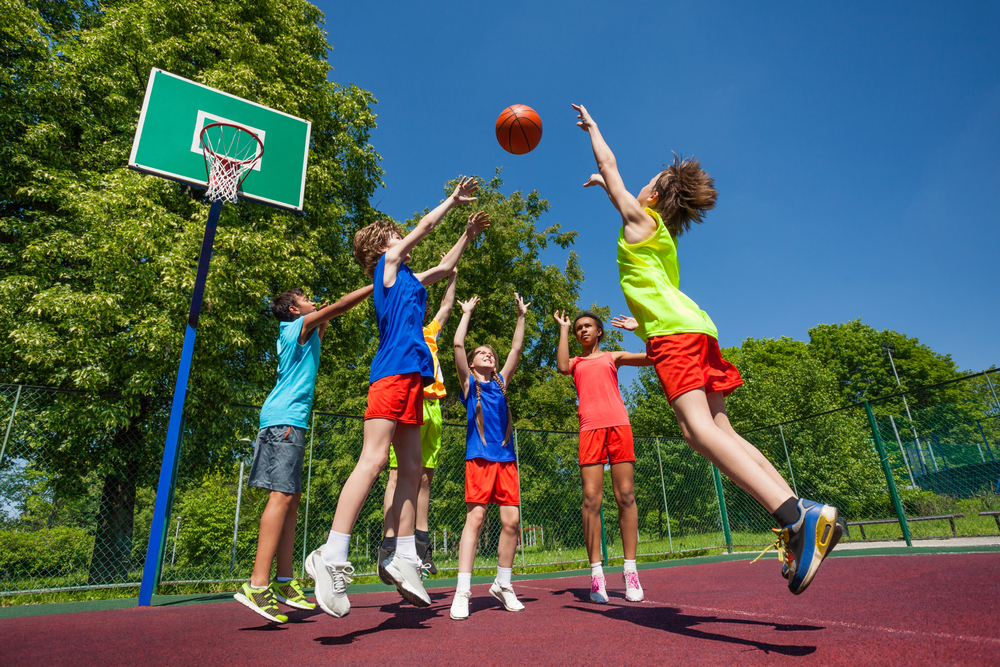
Resilience is arguably one of the most critical life skills a child can develop, and team sports provide a safe space to practise it. Every game presents unpredictable challenges, from missing a crucial shot to facing a stronger opposing team. These moments teach pre-teens that failure is not a permanent state, but rather a temporary hurdle they can overcome with persistence and teamwork. A missed pass or a lost match becomes a valuable lesson rather than a devastating blow.
Understanding how to navigate these emotional highs and lows is vital for their long-term development. As highlighted in a valuable discussion on building resilience through play, structured and unstructured play allows children to experience wins, navigate losses, and practise conflict resolution in a supportive environment. When a child learns to shake off a loss on the field and congratulate their opponents, they are actively developing the emotional regulation needed to handle real-life setbacks gracefully, whether at school or in their friendships.
Ways to Support Your Child’s Sporting Journey
While the coach handles the tactical side of the game, parents have a massive influence on how a child perceives their sporting experience. To help your pre-teen get the most out of their chosen activity, keep these practical tips in mind:
- Focus on effort, not the scoreboard: Praise their determination, hustle, and teamwork rather than just celebrating a win.
- Encourage commitment: Teach them the value of showing up for their teammates, even on days when they might not feel like attending practice.
- Model good sportsmanship: Children watch how their parents react on the sidelines. Keep your comments positive and respectful towards the referees and opposing players.
- Foster open communication: Use the car ride home to ask what they enjoyed most about the game, rather than critiquing their performance.
- Keep it fun: Ensure that the primary goal remains enjoyment. If the pressure becomes too intense, the developmental benefits can quickly fade.
Encouraging your child to participate in team sports is a wonderful investment in their character. The lessons they learn about teamwork, emotional regulation, and perseverance will serve them well beyond their pre-teen years. By supporting their journey with a focus on personal growth, you can help them build a resilient mindset that lasts a lifetime.