


🎩❤️ The Cat in the Hat has met Elmo, Cookie Monster and Abby Cadabby… and your preschooler is going to LOVE it!
But here’s the part parents might not expect…
Behind the songs, silliness and screen time are opportunities to build early literacy, language, problem-solving, movement and creativity — simply by joining in.
And you don’t need to turn it into a lesson. A song, a missing letter, getting dressed or a silly conversation can be enough to get little minds thinking.
Because sometimes the best learning happens after the screen goes off.
👉 Discover how to turn this fun new crossover into playful learning for your preschooler.

🐟🍔🍟 𝗟𝗼𝗼𝗸𝗶𝗻𝗴 𝗳𝗼𝗿 𝗮 𝗳𝘂𝗻 𝗙𝗿𝗶𝗱𝗮𝘆 𝗻𝗶𝗴𝗵𝘁 𝗱𝗶𝗻𝗻𝗲𝗿 𝘁𝗵𝗲 𝘄𝗵𝗼𝗹𝗲 𝗳𝗮𝗺𝗶𝗹𝘆 𝘄𝗶𝗹𝗹 𝗹𝗼𝘃𝗲?
Take one family favourite — fish and chips — add a generous serve of crunch, cheese and tangy flavours, and turn it into a burger! 🙌
We’ve got a recipe to share with you from Attica’s 𝗕𝗲𝗻 𝗦𝗵𝗲𝘄𝗿𝘆, created especially for 𝗡𝗮𝘁𝗶𝗼𝗻𝗮𝗹 𝗕𝗮𝗿𝗿𝗮𝗺𝘂𝗻𝗱𝗶 𝗗𝗮𝘆 𝗼𝗻 𝗙𝗿𝗶𝗱𝗮𝘆 𝟭𝟲 𝗢𝗰𝘁𝗼𝗯𝗲𝗿.
Ben’s 𝗕𝗮𝗿𝗿𝗮 𝗻 𝗖𝗵𝗶𝗽𝘀 𝗕𝘂𝗿𝗴𝗲𝗿 puts everything you love about Friday night fish and chips into one seriously delicious bun — crispy beer-battered Australian barramundi, buttery brioche, zesty finger lime tartare, salt-and-vinegar hot chips, shredded iceberg, cheddar and dill pickles. 🤤
𝗜𝘁’𝘀 𝗺𝗲𝘀𝘀𝘆, 𝗰𝗿𝗶𝘀𝗽𝘆, 𝗰𝗵𝗲𝗲𝘀𝘆 𝗮𝗻𝗱 𝗳𝘂𝗹𝗹 𝗼𝗳 𝗳𝗹𝗮𝘃𝗼𝘂𝗿 — perfect for a relaxed family dinner when you want to put something a little different on the table.
And there’s a great Australian story behind it too. Ben is a longtime sustainable seafood advocate and is backing 𝗔𝘂𝘀𝘀𝗶𝗲 𝗯𝗮𝗿𝗿𝗮𝗺𝘂𝗻𝗱𝗶 𝗳𝗮𝗿𝗺𝗲𝗿𝘀, with Australian-farmed barramundi rated 𝗕𝗲𝘁𝘁𝗲𝗿 𝗖𝗵𝗼𝗶𝗰𝗲 by the Australian Marine Conservation Society’s GoodFish guide.
𝗥𝗲𝗮𝗱𝘆 𝘁𝗼 𝘀𝗵𝗮𝗸𝗲 𝘂𝗽 𝗳𝗶𝘀𝗵 𝗮𝗻𝗱 𝗰𝗵𝗶𝗽𝘀 𝗻𝗶𝗴𝗵𝘁?
👉 𝗚𝗲𝘁 𝘁𝗵𝗲 𝗿𝗲𝗰𝗶𝗽𝗲 and give Ben Shewry’s Barra n Chips Burger a try at home.
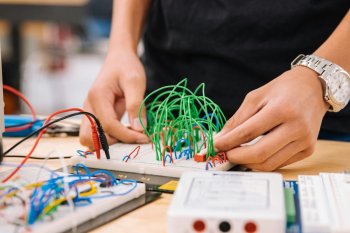
🧪✨ Who says learning has to feel like schoolwork?
You don’t need expensive STEM kits or complicated experiments to spark your child’s curiosity. In fact, some of the best learning opportunities can be found in the things you already have at home! 🏠
From building a paper bridge and creating a balloon-powered car to exploring what floats and sinks or growing a seed, these simple activities turn an ordinary afternoon into an opportunity to experiment, create, problem-solve and ask questions.
And the best part? You can explore them together. ❤️
👉 Discover 5 easy at-home STEM activities that can turn an ordinary afternoon into something your child will be excited to explore.

Feeling tired, snappy and completely over it? ❤️🩹
Sometimes burnout doesn’t look like a dramatic breakdown. It can look like waking up exhausted, losing patience over little things, struggling to concentrate or realising you just don’t enjoy the things you normally love.
If you’ve been feeling like you’re running on empty, these 5 everyday signs of burnout may help you recognise what’s really going on — and, importantly, what you can do about it.
Because looking after everyone else shouldn’t mean forgetting yourself. ❤️

Ask any parent and they’ll agree: raising a young child is no simple task, multiple children even more so. Not only will you spend more of your hard-earned money to support them, but your free time will also be greatly… Continue Reading >
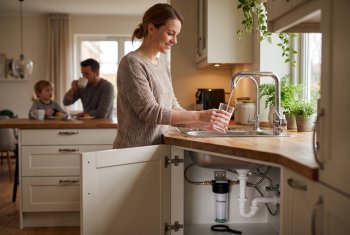
💧 𝗛𝗮𝘃𝗲 𝘆𝗼𝘂 𝗲𝘃𝗲𝗿 𝘄𝗼𝗻𝗱𝗲𝗿𝗲𝗱 𝘄𝗵𝗮𝘁’𝘀 𝗮𝗰𝘁𝘂𝗮𝗹𝗹𝘆 𝗶𝗻 𝘁𝗵𝗲 𝘄𝗮𝘁𝗲𝗿 𝘆𝗼𝘂𝗿 𝗳𝗮𝗺𝗶𝗹𝘆 𝗱𝗿𝗶𝗻𝗸𝘀 𝗲𝘃𝗲𝗿𝘆 𝗱𝗮𝘆?
That glass of water straight from the kitchen tap might look perfectly clear — but what happens between the pipes and your glass?
An 𝘂𝗻𝗱𝗲𝗿-𝘀𝗶𝗻𝗸 𝘄𝗮𝘁𝗲𝗿 𝗳𝗶𝗹𝘁𝗲𝗿 can help reduce things like chlorine, sediment, unpleasant tastes and odours, while more advanced systems can target a wider range of contaminants.
But with so many options — 𝗰𝗮𝗿𝗯𝗼𝗻 𝗳𝗶𝗹𝘁𝗲𝗿𝘀, 𝘁𝘄𝗶𝗻 𝘀𝘆𝘀𝘁𝗲𝗺𝘀, 𝗿𝗲𝘃𝗲𝗿𝘀𝗲 𝗼𝘀𝗺𝗼𝘀𝗶𝘀 𝗮𝗻𝗱 𝗨𝗩 𝗳𝗶𝗹𝘁𝗿𝗮𝘁𝗶𝗼𝗻 — how do you know what your family actually needs?
We break down 𝗵𝗼𝘄 𝘂𝗻𝗱𝗲𝗿-𝘀𝗶𝗻𝗸 𝘄𝗮𝘁𝗲𝗿 𝗳𝗶𝗹𝘁𝗲𝗿𝘀 𝘄𝗼𝗿𝗸, what they can remove, how often filters need replacing and what to consider before choosing one for your Australian kitchen.
💦 𝗖𝗼𝘂𝗹𝗱 𝗮 𝘄𝗮𝘁𝗲𝗿 𝗳𝗶𝗹𝘁𝗲𝗿 𝗯𝗲 𝗮 𝘄𝗼𝗿𝘁𝗵𝘄𝗵𝗶𝗹𝗲 𝗮𝗱𝗱𝗶𝘁𝗶𝗼𝗻 𝘁𝗼 𝘆𝗼𝘂𝗿 𝗳𝗮𝗺𝗶𝗹𝘆 𝗵𝗼𝗺𝗲? Find out what you need to know.

The clocks go forward. Bedtime suddenly becomes a battle. 😴☀️
If your child is suddenly taking forever to settle, waking earlier than usual or becoming overtired and cranky, daylight saving could be playing a bigger role than you realise.
With the clocks moving forward on Sunday 4 October, that lost hour can disrupt more than your schedule. It can affect your child’s body clock, sleep routine, mood and ability to settle — especially when it’s still light outside at bedtime.
So how do you help your little one adjust without turning every evening into a battle?
From sleep debt and circadian rhythms to sunlight, bedtime routines and practical strategies that actually help, discover what the science says and how to make the daylight saving transition easier for the whole family. 🌙💛
Because when the kids sleep better, everyone feels the difference.

💛 Not all secrets are meant to be kept.
Teaching our children to be honest is important — but so is teaching them that there are different kinds of secrets.
🎂 A surprise birthday present? That can be a fun secret.
😟 A secret that makes them feel scared, uncomfortable, confused or “yukky”? That’s a secret they should always tell.
Knowing the difference can give children the confidence to recognise when something doesn’t feel right — and, importantly, to know who they can turn to for help.
These conversations can feel uncomfortable, but they are an important part of helping children understand boundaries, trusted adults and staying safe.
💛 Because giving children the words to speak up can be one of the most powerful things we can give them.
👉 Read the full article to learn how to introduce the conversation about secrets with your child.

⏰ Daylight saving is coming — is your family ready for the lost hour?
With daylight saving beginning on Sunday 4 October 2026, your clocks may change in an instant, but your body clock needs time to catch up.
That one-hour shift can temporarily disrupt your circadian rhythm, affecting sleep, wake times, energy and mood. For children, parents and anyone already struggling with sleep, the adjustment can be even harder.
So how can you prepare your family and avoid those exhausting bedtime battles?
We spoke with sleep expert Olivia Arezzolo for practical, science-based strategies to help you adjust your sleep routine, reset your body clock and make the most of those longer, lighter evenings.
Find out what you can do before and after the clocks change to help your family sleep better.
Get parenting advice and support delivered right to your inbox
We'd love to hear what you think of the website, so we can continue to improve it . . . GIVE YOUR FEEDBACK >
Un nouveau casino en ligne français peut présenter de nouvelles fonctionnalités, jeux et options de paiement, mais ses conditions d’utilisation doivent être examinées avant toute utilisation.